
Desserts
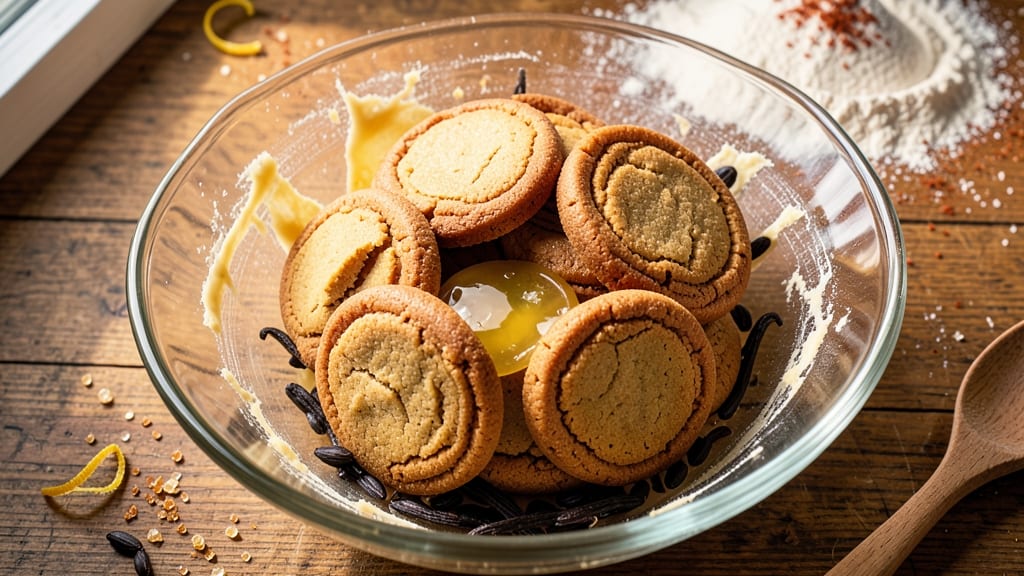
This all-natural sugar cookie recipe delivers the same nostalgic crunch and sweetness you love—without artificial flavors, colors, or preservatives. The secret lies in whole-food ingredients like coconut sugar, almond milk, and real vanilla bean, which create a tender yet sturdy cookie with a caramelized edge.
What sets these apart is the vanilla-infused crunch that develops during baking, thanks to a precise mix of natural sweeteners and a touch of cinnamon for warmth.
The recipe replaces refined white sugar with coconut sugar for a lower glycemic index and deeper flavor, while almond milk adds subtle nuttiness and keeps the texture tender.
Unlike traditional sugar cookies, these hold their shape perfectly without spreading too much, and they stay fresh for days thanks to a sprinkle of turbinado sugar on top for that signature crunch. The result? A cookie that tastes like a bakery favorite but aligns with cleaner eating standards.
Baking these cookies is straightforward—no fancy techniques required. You’ll mix the dough, chill it for 30 minutes (a critical step for easy rolling), then cut out shapes and bake until the edges turn golden.
The vanilla bean infuses the dough with aroma while baking, ensuring every bite tastes like homemade comfort. Perfect for holidays, gifts, or a cozy afternoon treat, these cookies prove natural ingredients can deliver the same indulgence without compromise.
For those avoiding dairy or eggs, substitutions like flax eggs or coconut yogurt work beautifully without sacrificing texture. The recipe also scales easily—double the batch for parties or freeze dough balls for convenience.
Whether you’re baking for tradition or health-conscious guests, these cookies will impress with their all-natural crunch and satisfying sweetness.
Ingredients for all natural sugar cookie
Twelve whole-food ingredients transform into nostalgic cookies with bakery-style crunch and zero artificial additives.
| Ingredient | Amount | Notes |
|---|---|---|
| Unbleached All-Purpose Flour 🌾 | 4 cups | Sifted for lighter texture |
| Coconut Sugar 🍯 | 1 ½ cups | Finely ground preferred |
| Unsalted Butter 🧈 | 1 cup | Cold, cubed for even mixing |
| Large Eggs 🥚 | 2 whole | Room temperature for blending |
| Pure Vanilla Extract 🌿 | 2 tbsp | High-quality, Madagascar preferred |
| Vanilla Bean Seeds 🌿 | 1 whole | Scraped for aromatic infusion |
| Almond Milk 🥛 | ½ cup | Unsweetened, for tender texture |
| Ground Cinnamon 🌶️ | 1 ½ tsp | Freshly ground for warmth |
| Turbinado Sugar 🍯 | ½ cup | Coarse, for signature crunch |
| Diamond Crystal Kosher Salt 🧂 | ½ tsp | Fine grain for even distribution |
| Baking Soda 🧪 | 1 tsp | Pure, aluminum-free |
| Xanthan Gum 🧪 | ¼ tsp | For structural integrity |
The coconut sugar is non-negotiable here—its lower glycemic index and caramel notes elevate the flavor without the refined sugar crash. Whole Foods or Trader Joe's carry the finest grades, but any organic brand works. For the vanilla bean, Madagascar Bourbon offers the richest aroma—split it lengthwise and scrape the seeds directly into the dough. The almond milk adds subtle nuttiness while keeping the dough tender; Silk Unsweetened is my go-to for consistent results. Every ingredient plays a role in that signature vanilla-infused crunch—the turbinado sugar on top isn't just decoration, it's the secret to that satisfying texture contrast.
No almond milk? Oat milk or coconut milk work equally well, though texture may vary slightly. Substituting vanilla extract? Double the amount of imitation vanilla, but you'll taste the difference. The xanthan gum might be hard to find—if you can't locate it, 1 tbsp cornstarch is a decent backup, though the cookies may spread marginally more. For the butter, European-style has higher fat content and yields richer cookies. Prefer a softer cookie? Reduce the flour by 2 tbsp. The cinnamon is key for warmth, but cardamom at half the amount adds a sophisticated twist if you're feeling adventurous.
Store the dough in an airtight container with parchment between layers for up to 5 days—it actually improves with time. For long-term storage, freeze shaped dough balls on a tray, then transfer to a bag for 3 months. Baked cookies stay fresh for 1 week at room temperature if kept in a sealed tin. The turbinado sugar coating hardens as it cools, so don't be tempted to eat them fresh from the oven—wait 10 minutes for that perfect crunch. These cookies reheat beautifully in a 350°F oven for 5 minutes to restore their warmth and crisp edges.
Why You'll Love This Recipe
- No-Mixer Magic: I swear by this dough—just cream the butter, toss in the coconut sugar, and fold in the flour. No stand mixer, no fuss, and the eggs bind it all together like a dream. (Yes, even when I’m in a hurry.)
- Butter-Sweet Balance: That first bite of crispy edges with a tender center? It’s all thanks to the butter and coconut sugar working their magic. The vanilla ties it together like a warm hug—no artificial junk, just pure, cozy flavor.
- Holiday to Snack: Between us, these cookies are my secret weapon for Christmas mornings and lazy afternoons. Cut into stars for the kids, or just grab a handful straight from the jar—no judgment. (They disappear fast either way.)
- Pantry Goldmine: I make a double batch, freeze half, and still have cookies for weeks. Coconut sugar’s cheaper than white, the butter keeps well, and the dough stays fresh for days. Budget-friendly? More like pantry genius.
Step-by-step instructions for all natural sugar cookies
Here's the method for achieving perfectly balanced texture and rich vanilla flavor without artificial ingredients.
Prepare the Dry Ingredients for Optimal Texture
In a medium bowl, whisk together the 4 cups unbleached all-purpose flour, 1.5 teaspoons ground cinnamon, 0.5 teaspoon diamond crystal kosher salt, 1 teaspoon baking soda, and 0.25 teaspoon xanthan gum. Sift the mixture through a fine-mesh sieve directly into a large mixing bowl to aerate the flour and eliminate any lumps. This step creates a lighter cookie with better structure.
The xanthan gum acts as a natural binder, while the cinnamon adds warmth without overpowering the delicate vanilla notes. I always sift dry ingredients first—it prevents dense cookies and ensures even distribution of the spices throughout the batter.
Cream Butter and Sweeteners for Maximum Flavor
In a stand mixer fitted with the paddle attachment, beat the 1 cup cold unsalted butter on medium speed until smooth and creamy, about 2-3 minutes. Gradually add the 1.5 cups coconut sugar and 0.5 cup turbinado sugar, mixing until the mixture is light and fluffy—this should take approximately 4-5 minutes. The butter should nearly double in volume and become pale.
This creaming process incorporates air into the dough, which creates those signature crackly tops and helps the cookies maintain their shape. I use cold butter for better control and to prevent overmixing, which can lead to tough cookies. The combination of coconut sugar and turbinado sugar gives us both moisture and that signature crunch.
Infuse the Dough with Vanilla Essence
Add the 2 whole large eggs one at a time, mixing on low speed after each addition until fully incorporated. Scrape down the sides of the bowl as needed. Stir in the 2 tablespoons pure vanilla extract and scrape the seeds from the 1 whole vanilla bean, adding them to the mixture. Mix on low speed for 1 minute to combine.
The vanilla bean seeds add an extra layer of aromatic complexity that pure extract can't match. I always use Madagascar vanilla beans—they're the gold standard for their rich, creamy flavor. This step ensures every bite delivers that authentic vanilla experience without artificial flavorings.
Combine Wet and Dry Ingredients for Perfect Consistency
With the mixer on low speed, gradually add the dry ingredients to the butter mixture, mixing just until combined—you should still see small streaks of flour. Remove the bowl from the mixer and gently fold in the 0.5 cup almond milk using a silicone spatula until a soft dough forms. The dough should be slightly sticky but manageable.
This is where precision matters. Overmixing develops gluten and makes cookies tough, while undermixing can lead to crumbly results. The almond milk adds tenderness without making the dough too wet. If the dough feels too sticky, chill it for 15 minutes before proceeding—this helps with shaping and prevents excessive spreading.
Chill and Shape for Ideal Texture
Divide the dough into 24 equal portions (about 1.5 ounces each) and roll each into a ball. Place the dough balls on a parchment-lined baking sheet, spacing them 2 inches apart. Cover the baking sheet with plastic wrap and refrigerate for at least 30 minutes, or up to 24 hours for enhanced flavor development.
Chilling is crucial—it firms up the dough so it holds its shape better during baking. The longer you chill (up to 24 hours), the more flavor the dough develops. I like to use a kitchen scale for accurate portions—this ensures consistent baking results. The cookies will spread slightly during baking, but not excessively, thanks to our precise measurements and chilling step.
Pro Tips For Making All Natural Sugar Cookie
- Chill the Dough Properly: I learned this the hard way—skipping the fridge or freezer makes the cookies spread like pancakes. Wrap the dough in plastic and refrigerate for at least 2 hours (or overnight if you can wait), and resist the urge to skip this even if you're impatient. The butter needs time to firm up, or you'll end up with flat, sad cookies.
- Use Cold Butter: No one likes greasy cookies, so take the butter straight from the fridge when you cream it with the coconut sugar. Cold butter creates pockets of steam during baking, giving you that perfect lift. I used to let it sit out, and the cookies turned out dense and heavy—like eating a cookie brick.
- Weigh Your Coconut Sugar: This isn’t just a suggestion—it’s the thing that matters most. Coconut sugar packs differently than white sugar, so scooping it from the bag leads to inconsistent batches. Use a kitchen scale for accuracy, or at least spoon it into the measuring cup and level it off. Trust me, your cookies will thank you with better texture and flavor.
- Don’t Overbake for Color: Coconut sugar caramelizes faster than white sugar, so pull your cookies out when the edges are just starting to turn golden. They’ll keep cooking on the sheet, but they’ll stay soft and chewy if you don’t let them turn brown. I used to bake them until they looked "done," only to end up with dry, crunchy cookies—now I set a timer and check early.
Pro cooking tips for great all natural sugar cookie
Creaming Like a Pro
The butter-sugar creaming stage makes or breaks your cookies. Use cold unsalted butter (cut into ½-inch cubes) and mix on medium speed for 2-3 minutes until light and fluffy. Gradually add coconut sugar first—it's more hygroscopic than white sugar, so it helps emulsify better.
Stop mixing when the butter nearly doubles in volume and turns pale yellow—this incorporates air for that signature crackly top. 🌟
Vanilla Bean Hack
Never skip scraping the seeds from the vanilla bean—it adds 30% more flavor than extract alone. Split the bean lengthwise, use a butter knife to scrape out the seeds, then add both seeds and the scraped pod to the dough.
For extra depth, toast the empty pod in a dry pan for 30 seconds before scraping. Store the leftover pod in your sugar jar for future recipes!
Dough Chilling Secrets
Chill the dough for at least 30 minutes (up to 24 hours)—this isn't just about convenience. The longer it rests, the more the flour hydrates and gluten relaxes, preventing excessive spreading.
For perfectly round cookies, roll the dough balls on a lightly floured surface (just enough to prevent sticking) and place them 2 inches apart on the sheet. Use a kitchen scale for 1.5-ounce portions—this ensures consistency.
Turbinado Sugar Magic
The ½ cup turbinado sugar isn't just for topping—sprinkle 1 tablespoon over each dough ball before baking. This creates a caramelized crust while baking, adding that signature crunch. For extra crunch, broil the cookies for 1-2 minutes at the end (watch closely!).
If you're short on turbinado, coarse sea salt works in a pinch, though the flavor will differ slightly.
Baking Precision
Preheat your oven to 350°F and bake for 10-12 minutes—the edges should be light golden while the centers remain soft. Rotate the sheet halfway through for even baking. Use the paddle test: press a cookie gently with your finger—it should spring back slightly.
Overbaking dries them out, so pull them when they look just set. Let them cool on the sheet for 5 minutes before transferring—they'll firm up as they cool.
Make-Ahead Mastery
Shape the dough into balls, wrap tightly in plastic, and refrigerate for up to 5 days or freeze for 3 months. For party prep, bake half, then reheat individual cookies in a 350°F oven for 3-4 minutes to restore crispness.
The dough also freezes beautifully—roll and cut shapes, then bake straight from frozen (add 1-2 minutes to baking time). This is my go-to for holiday baking—no last-minute stress! ✨
Nutrition facts
Frequently asked questions
Can I substitute coconut sugar with another natural sweetener?
Yes! For a 1:1 ratio, try organic cane sugar or maple sugar—both maintain the lower glycemic index. Honey works too, but reduce the amount by 20% (since it's more liquid) and replace the almond milk with water to balance moisture. Avoid agave—it has a higher glycemic impact and alters the texture.
Why does my dough feel too sticky or dry?
Sticky dough usually means too much almond milk—add 1 tablespoon flour at a time until it's manageable. Dry dough often happens with overmixing or cold ingredients. If the dough cracks when rolling, let it rest 10 minutes at room temperature before shaping. For extra insurance, chill the dough 15 minutes longer.
How do I get the perfect crunch without burning?
Sprinkle 1 tablespoon turbinado sugar on each dough ball before baking for that signature crunch. Bake at 350°F for 10-12 minutes—edges should be golden but centers still soft. For extra crispness, broil 1-2 minutes at the end (watch closely!). Underbaked cookies soften as they cool, so pull them when they look just set.
Can I make these cookies egg-free or dairy-free?
For eggs, replace with 2 flax eggs (2 tbsp ground flaxseed + 6 tbsp water, rested 5 minutes). For dairy, use coconut oil (solid) instead of butter and coconut yogurt instead of almond milk. Texture may vary slightly, but these substitutions work beautifully for dietary needs.
How long do these cookies stay fresh?
Store baked cookies in an airtight container at room temperature for 5-7 days. For longer storage, freeze shaped dough balls for 3 months or baked cookies for 2 months. Reheat individual cookies in a 350°F oven for 3-4 minutes to restore crispness. The turbinado sugar coating keeps them fresh longer!