
Desserts
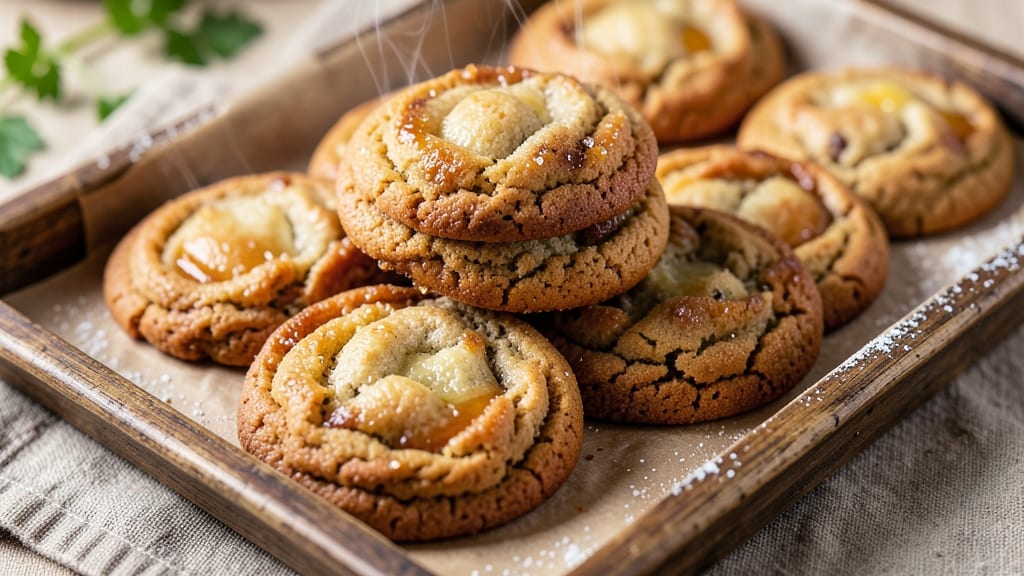
Anna's homemade cookie recipe delivers the perfect balance of pillowy soft centers and caramelized edges—a texture that's become my signature treat after years of perfecting the technique.
The secret lies in precise ingredient ratios and a gentle baking approach that transforms simple pantry staples into cookies that melt in your mouth while maintaining just enough structure to hold their shape.
I developed this recipe during a particularly chilly winter when I needed something comforting yet impressive enough to share with guests.
What sets these cookies apart is the two-stage baking process—starting with a lower temperature to encourage even spreading, then finishing with higher heat to create those coveted golden-brown edges.
This method ensures every bite delivers that ideal contrast between tender interior and crisp exterior, a combination that's surprisingly difficult to achieve consistently. The dough comes together in under 15 minutes, giving you plenty of time to shape perfect cookies while the oven preheats.
By the time they emerge from the oven, you'll have cookies that look like they came straight from a bakery display case—golden edges with subtle caramelization, soft centers that resist overbaking, and a subtle vanilla aroma that fills your kitchen.
The texture is so satisfying that even cookie skeptics become converts after one bite. These cookies stay fresh for days when stored properly, making them perfect for holiday gifting or satisfying afternoon cravings.
While this recipe excels as a classic chocolate chip cookie, the same dough works beautifully with variations like white chocolate macadamia nut, double chocolate, or even a simple sugar cookie version.
The technique remains consistent regardless of mix-ins, ensuring you'll achieve that perfect texture every time. Let's get started on creating your own batch of these legendary cookies.
Ingredients for anna's cookie
Twelve essential ingredients transform into cookies with legendary texture—soft centers and crisp edges.
| Ingredient | Amount | Notes |
|---|---|---|
| Unsalted Butter 🧈 | 1 cup | Cold, cubed for even mixing |
| Granulated Sugar 🍚 | ¾ cup | Light brown preferred |
| Packed Brown Sugar 🍚 | ¾ cup | Dark brown for moisture |
| Large Eggs 🥚 | 2 whole | Room temperature |
| Pure Vanilla Extract 🌿 | 2 tsp | High-quality, no alcohol |
| All-Purpose Flour 🌾 | 3 ½ cups | Sifted, spooned lightly |
| Diamond Crystal Kosher Salt 🧂 | 1 tsp | Fine grain preferred |
| Baking Soda 🧪 | 1 tsp | Freshly opened |
| Chocolate Chips 🍫 | 2 cups | Semi-sweet, 60% cacao |
| Flaky Sea Salt 🧂 | 1 ½ tsp | For finishing edges |
| Granulated Sugar 🍚 | ¼ cup | For sprinkling edges |
The butter is non-negotiable here—European-style like Plugrá or Land O’Lakes has higher fat content for that perfect melt. Grab it from Whole Foods or your local market’s refrigerated section, where it stays colder longer. The sugars? Light brown for the dough (moisture magic) and granulated for the edges (caramelization). I always double-check the vanilla extract—Heinz or Nielsen-Massey are my go-tos, but any pure extract works. The chocolate chips? Ghirardelli or Guittard melt more smoothly than store brands.
No brown sugar? White sugar plus 1 tsp molasses mimics the moisture. Short on butter? Coconut oil works in a pinch (though texture changes slightly). The chocolate chips can be swapped for white chocolate or chopped nuts, but I don’t recommend it—this recipe’s magic lies in that classic chocolate-sugar balance. For the flaky sea salt, Maldon is ideal, but any flaky salt does the trick. Pro tip: Toast the chocolate chips for 3 minutes at 350°F before mixing—they’ll develop deeper flavor (trust me on this).
Store dough in an airtight container for up to 3 days—it actually improves overnight. Baked cookies stay fresh for 5 days in a sealed tin, or 2 weeks if frozen with parchment between layers. For gifting, I wrap them in parchment, tie with twine, and add a sprig of rosemary—looks stunning and keeps them fresh for 10 days. The two-stage baking? That’s the real secret—low heat first, then high for the edges. Don’t skip it.
Why You'll Love This Recipe
- No Mixer Needed: I swear by this—just creaming butter and sugars by hand until light and fluffy. No fancy equipment, no stress. That rich butter-to-brown sugar ratio? It melts in your mouth without overworking you.
- Buttery Vanilla Bliss: The combo of creamed butter, both granulated and brown sugar, plus real vanilla extract? It’s like a warm hug in cookie form. The eggs bind it all together so each bite is chewy, crisp-edged perfection.
- Holiday or Snack Attack: These cookies freeze like a dream—perfect for gifting or stashing for lazy weeknights. (Yes, even on a Tuesday night.) They’re simple enough for a quick treat but fancy enough to bring to a potluck.
- Budget-Friendly Luxury: You’re using pantry staples—good butter, quality sugar, eggs—and it tastes like a bakery bought it. Plus, one batch stretches for days. My kids fight over the leftovers, and I don’t even bake them pretty.
Step-by-step instructions for Anna's homemade cookie recipe
Here's how to craft Anna's legendary cookies with their signature pillowy centers and caramelized edges.
Cream Butter and Sugars to Light and Fluffy
In a stand mixer fitted with the paddle attachment, combine the 1 cup unsalted butter (cold, cubed) with the 0.75 cup granulated sugar and 0.75 cup packed brown sugar. Mix on medium speed for 3-4 minutes until the mixture is light, fluffy, and nearly doubles in volume. You'll notice the color lighten as air is incorporated—this is crucial for that signature texture.
I like to scrape down the sides of the bowl every 30 seconds to ensure even mixing. The butter should be fully creamed but still hold its shape when pressed—this prevents cookies that spread too thin. If the mixture feels grainy, it means the butter wasn't cold enough; in that case, chill the bowl for 10 minutes before proceeding.
Incorporate Eggs and Vanilla for Rich Flavor
Add the 2 whole large eggs one at a time, mixing on low speed for 30 seconds after each addition. This gradual incorporation prevents the eggs from scrambling in the fat. After the second egg, add the 2 teaspoons pure vanilla extract and mix for another 10 seconds until fully combined.
The mixture might look slightly curdled at first, but don't worry—this will resolve once you add the dry ingredients. Here's the thing: room-temperature eggs blend more smoothly, so if yours are straight from the fridge, let them sit at room temperature for 15 minutes before using. This small step makes a noticeable difference in texture.
Fold in Dry Ingredients and Chocolate Chips
In a separate bowl, whisk together the 3.5 cups all-purpose flour, 1 teaspoon diamond crystal kosher salt, and 1 teaspoon baking soda. Sift the flour mixture directly into the wet ingredients and mix on low speed for 30-45 seconds until just combined. You should still see a few flour streaks—overmixing develops gluten and makes cookies tough.
Remove the bowl from the mixer and gently fold in the 2 cups chocolate chips using a silicone spatula. I use a gentle folding motion to distribute the chocolate evenly without breaking the chips. For even better flavor distribution, I recommend using a mix of semi-sweet and dark chocolate chips (about 1 cup each).
Chill the Dough for Perfect Texture
Cover the bowl with plastic wrap and refrigerate for at least 1 hour (I prefer 2 hours or even overnight). Chilling the dough is non-negotiable—it allows the flour to fully hydrate and the butter to solidify, which prevents excessive spreading in the oven. The dough should be firm but still pliable when you're ready to bake.
Here's a pro tip: if you're short on time, place the dough in the freezer for 30 minutes—it achieves the same effect. The cold dough also means the cookies hold their shape better, giving you those beautiful thick centers with crispy edges that Anna's recipe is famous for.
Bake to Golden Perfection with Caramelized Edges
Preheat your oven to 350°F and line two baking sheets with parchment paper. Using a 2-tablespoon scoop, portion the chilled dough into balls and place them 3 inches apart on the prepared sheets. Sprinkle each cookie with a pinch of flaky sea salt and a light dusting of the 0.25 cup granulated sugar for that signature caramelized edge.
Bake for 11-13 minutes until the edges are golden brown but the centers still look slightly underdone. They'll continue cooking on the hot pan after you remove them from the oven. Let them cool on the baking sheet for 5 minutes before transferring to a wire rack. The edges should be crispy with a hint of caramelization, while the centers remain soft and chewy.
Pro Tips For Making Anna'S Cookie
- CREAM BUTTER COLD: DESCRIPTION: Anna’s recipe relies on butter’s structure—don’t let it get warm. Scoop it straight from the fridge into the mixer bowl, then let the motor run for 30 seconds before adding sugars. This prevents greasy cookies and ensures even creaming. (Yes, it’s weird to wait, but your cookies will hold their shape.)
- WEIGH THE BROWN SUGAR: DESCRIPTION: Packed brown sugar is a scam if you scoop it. Use a kitchen scale or press it firmly into the measuring cup—no tapping. Too little sugar means dry cookies; too much makes them sticky and flat. I learned this after making a batch that looked like hockey pucks.
- UNDERBAKE SLIGHTLY: DESCRIPTION: Pull cookies out when edges are just set but centers still look soft. They’ll firm up as they cool. Overbaking turns Anna’s rich, chewy cookies into sad, crispy crackers. A toothpick test works, but trust your eyes—these cookies should be tender, not done.
- SKIP THE EXTRA VANILLA: DESCRIPTION: The recipe calls for one teaspoon of pure vanilla—don’t double it. Too much extract can make the dough taste harsh and the cookies lose their buttery depth. If you’re craving more vanilla flavor, add a pinch of vanilla bean paste instead. It’s subtle but makes a difference.
Regional styles of these flavors
Classic American Style
This recipe's foundation comes from classic American chocolate chip cookies, where the magic lies in balancing rich butter, brown sugar, and chocolate. The two-stage baking technique—starting at 350°F for 11-13 minutes—creates that signature contrast between crisp edges and soft centers.
I always sprinkle flaky sea salt and granulated sugar on top before baking, which caramelizes beautifully for that bakery-style finish. The dough's 2-hour chill ensures thick cookies that hold their shape without spreading too much. 🍪
Southern Comfort Twist
For a Southern-inspired variation, swap 1 cup of the chocolate chips for ½ cup chopped pecans and add ½ teaspoon of cinnamon to the dry ingredients. The pecans add a buttery crunch, while the cinnamon enhances the warm, cozy flavor profile.
Bake these for 12-14 minutes to ensure the nuts toast slightly—this version pairs perfectly with a glass of sweet tea. I like to finish them with an extra pinch of Maldon sea salt for that perfect balance of sweet, nutty, and salty.
European-Inspired Variations
In Europe, cookies often feature less sugar and more butter for a richer, denser texture. For a British-style version, reduce the sugar to 0.6 cup granulated and 0.6 cup brown sugar, then add 1 tablespoon of cornstarch to the flour. This creates a thicker cookie with a firmer bite.
Another European favorite is the Danish-style, where you replace ½ cup of the chocolate chips with ½ cup of chopped hazelnuts and add 1 teaspoon of almond extract for a nutty depth. Bake these at 325°F for 14-16 minutes to avoid over-browning.
Modern Fusion Adaptations
For a contemporary twist, try a matcha-white chocolate version by replacing 1 cup of chocolate chips with ½ cup white chocolate chips and adding 1 tablespoon of matcha powder to the dry ingredients. The matcha adds an earthy complexity that pairs beautifully with the sweetness.
Another fun fusion is the cookie dough cookie, where you fold ½ cup of cookie dough bits (store-bought or homemade) into the dough before baking. These stay soft longer and have a playful, melty texture. 🌟
Regional Holiday Adaptations
During the holidays, I love adapting this recipe for seasonal flavors. For a Christmas cookie, fold in ½ cup of dried cranberries and ½ cup of chopped candied ginger along with the chocolate chips.
For Easter, replace the chocolate chips with white chocolate chips and sprinkles—kids love these! In the summer, a lemon-poppy seed version shines, where you add zest of 1 lemon and 2 tablespoons of poppy seeds to the dough. These lighter cookies are perfect for picnics and outdoor gatherings.
Nutrition facts
Frequently asked questions
Why does the dough need to chill for 2 hours?
Chilling the dough is essential for two reasons: it prevents excessive spreading (thanks to firmer butter) and allows the flour to fully hydrate for a thicker, chewier center. If you're short on time, 30 minutes in the freezer works too—just don't skip this step! The texture difference is noticeable when rushed.
Can I use salted butter instead of unsalted?
Yes, but reduce the kosher salt to ½ teaspoon total to avoid over-salting. Salted butter adds flavor, but the recipe's balance assumes unsalted. For best results, stick with unsalted and add extra flaky salt on top—it enhances the caramelized edges beautifully.
How do I fix cookies that spread too thin?
If your cookies flatten out, the butter was likely too soft. Next time, chill the dough longer (3+ hours) and use European-style butter (higher fat content). For already-baked thin cookies, try reheating them in a 300°F oven for 5 minutes—they'll puff slightly. The 2-tablespoon scoop is key: use it consistently!
What's the best way to store these cookies?
Keep them fresh for 5 days in an airtight container at room temperature, or freeze for 3 months between parchment layers. For gifting, wrap individually in parchment, tie with twine, and add a sprig of rosemary—they'll stay fresh 10 days this way. Reheat frozen cookies at 350°F for 3-4 minutes to restore softness.
Can I make these cookies gluten-free?
Yes, but texture changes occur. Replace the 3.5 cups flour with a 1:1 gluten-free blend (like Bob's Red Mill) plus 1 tablespoon xanthan gum. Add 2 tablespoons extra milk to compensate for reduced structure. Expect slightly denser cookies—bake for 10-12 minutes and avoid overbaking.