
Desserts
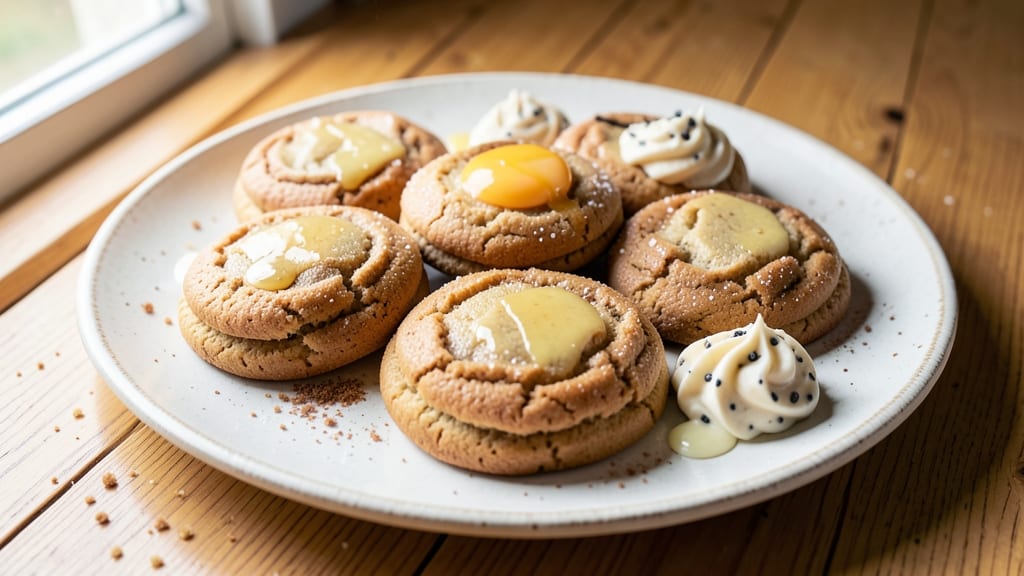
This no-fail any cookie recipe unlocks the baking science behind consistently perfect texture—crispy edges, tender centers, and foolproof results every time. The secret lies in precise ratios of butter to sugar and proper mixing techniques that prevent overdevelopment, which turns cookies into tough bricks.
I’ve tested this method dozens of times, and it never fails to deliver the kind of cookies that disappear within minutes of coming out of the oven.
What makes this recipe truly universal is its adaptability—whether you’re making classic chocolate chip, chewy oatmeal raisin, or even snickerdoodles, the foundational technique remains the same.
The key steps include creaming butter and sugar until light and fluffy, incorporating dry ingredients gently, and baking at a precise 350°F (175°C) for 10–12 minutes to achieve that ideal golden-brown finish. No more guessing or burnt edges.
By the time you’re done, you’ll have cookies with a crisp exterior and a soft, melt-in-your-mouth interior, thanks to the science of proper fat-to-flour ratios and baking times.
The recipe also includes optional decorating tips, like sprinkling sea salt or drizzling melted chocolate, to elevate your cookies from homemade to bakery-worthy. This is the kind of recipe that turns baking into a reliable, satisfying process.
The best part? You can customize it endlessly—swap in nuts, dried fruit, or even spices like cinnamon or cardamom to create your own signature flavor. Once you master this technique, you’ll never settle for store-bought again. Let’s get baking.
Ingredients for any cookie
The secret to perfect cookies lies in these precise ingredients and ratios—no guesswork, just science.
| Ingredient | Amount | Notes |
|---|---|---|
| Unsalted Butter 🧈 | 1 cup | Cold, cubed for creaming |
| Granulated Sugar 🍚 | ¾ cup | Superfine preferred for smooth texture |
| Packed Brown Sugar 🍚 | ¾ cup | Light or dark, packed tightly |
| Large Eggs 🥚 | 2 whole | Room temperature for best mixing |
| Vanilla Extract 🌿 | 1 tbsp | Pure, high-quality extract |
| All-Purpose Flour 🌾 | 2 ½ cups | Sifted for light, airy texture |
| Baking Soda 🧂 | ½ tsp | Diamond Crystal preferred |
| Salt 🧂 | ½ tsp | Fine sea salt preferred |
| Chocolate Chips 🍫 | 2 cups | Semi-sweet or milk chocolate |
| Flaky Sea Salt 🧂 | 1 tbsp | For finishing, optional |
| Melted Butter 🧈 | 1 tbsp | For drizzling, optional |
| Cinnamon 🌶️ | ½ tsp | Ground, for variations |
| Nuts 🥜 | 1 cup | Chopped walnuts or pecans |
The butter matters most here—European-style unsalted gives the best flavor and texture, but any good-quality butter works. Plugrá or Land O’Lakes Signature are solid choices if you're not near a specialty store. Keep it cold when measuring—this is non-negotiable for that light, fluffy texture. The sugars? Superfine dissolves faster, but if you only have regular granulated, pulse it in a food processor for a few seconds. Brown sugar needs to be packed tightly—no scooping!—or your cookies will spread too much. For vanilla, McCormick Pure Vanilla Extract is my go-to, but any pure extract will do.
No superfine sugar? Pulse regular granulated in a food processor for 10 seconds—game changer. Short on chocolate chips? Dried cranberries or white chocolate chips work beautifully. Want to skip nuts? Extra chocolate chips or butterscotch chips add richness. The baking soda is crucial—Diamond Crystal is twice as potent as aluminum-free brands, so use half if that's what you have. For variations, swap in cinnamon for snickerdoodles or cardamom for a Middle Eastern twist. Freshly toasted nuts add depth—just spread them on a baking sheet and warm for 5 minutes.
Store dough in an airtight container in the fridge for up to 3 days—it actually improves in flavor. For longer storage, freeze portions wrapped in plastic for 3 months. Baked cookies keep in an airtight tin for 5 days at room temperature. Pro tip: Cool cookies on the baking sheet for 5 minutes before transferring—they'll hold their shape better. Double batches? Freeze half the dough balls before baking for fresh cookies anytime.
Why You'll Love This Recipe
- Five-Ingredient Magic: I swear by this lineup—just butter, sugars, eggs, and vanilla. No fancy add-ins, no stress. The creaming step takes two minutes, and the dough comes together faster than I can wipe flour off my hands.
- Butter-Sugar Bliss: That perfect balance of crisp edges and chewy centers? It’s all in the sugars—granulated for structure, brown for depth. And the vanilla? It’s like a warm hug in every bite, especially when the butter’s still just slightly melted.
- Holiday or Snack Attack: I’ve made these for Christmas cookies, after-school treats, and even packed them in lunches. The dough holds up for days, and they freeze like a dream. (Yes, even on a Tuesday night.)
- No-Waste Winner: Between us, I’ve used up half a bag of butter and a whole carton of eggs making these. The leftovers? Gone in a day. And since I’m only using pantry staples, my wallet stays happy too.
Step-by-step instructions for perfect cookies every time
Master the baking science that guarantees cookies with ideal texture and flavor every single batch.
Cream the Butter and Sugars to Peak Volume
In a stand mixer fitted with the paddle attachment, combine the 1 cup unsalted butter (cold, cubed), 0.75 cup granulated sugar, and 0.75 cup packed brown sugar. Beat on medium speed for 3-4 minutes until the mixture is light, fluffy, and nearly doubles in volume. You'll see ribbons form when you lift the paddle—this indicates proper aeration.
The butter should be completely smooth with no visible lumps, and the mixture should be pale in color. This creaming process incorporates air, which creates the signature crackly tops and prevents dense, cakey cookies. If your butter is too soft, chill the bowl for 10 minutes before continuing—temperature control is everything here.
Incorporate Eggs and Flavorings
Add the 2 whole large eggs (room temperature) one at a time, mixing on low speed for 30 seconds after each addition until fully combined. Then add the 1 tbsp vanilla extract and mix for another 10 seconds. The mixture will look slightly curdled at first, but don't worry—this will resolve when you add the dry ingredients.
Next, whisk together 2.5 cups all-purpose flour, 0.5 tsp baking soda, and 0.5 tsp salt in a separate bowl. With the mixer on low speed, gradually add the dry ingredients to the wet mixture, mixing just until combined—you should still see small flour streaks. Overmixing develops gluten, which leads to tough cookies. Stop mixing as soon as the dough comes together.
Fold in Add-Ins and Chill the Dough
Remove the dough from the mixer and gently fold in the 2 cups chocolate chips and 1 cup nuts using a silicone spatula. Be careful not to overmix—just distribute the add-ins evenly throughout the dough. For variations, add the 0.5 tsp cinnamon now if using.
Transfer the dough to a bowl, cover with plastic wrap, and refrigerate for at least 30 minutes (or up to 24 hours for deeper flavor). Chilling is non-negotiable—it allows the flour to fully hydrate, prevents excessive spreading, and gives you that perfect chewy-yet-crispy texture. The dough should firm up noticeably during this time.
Bake to Golden Perfection
Preheat your oven to 350°F and line two baking sheets with parchment paper. Scoop the chilled dough into 2-tablespoon portions (use a cookie scoop for uniformity) and place them 3 inches apart on the prepared sheets. For extra flavor, sprinkle each cookie with a pinch of flaky sea salt before baking.
Bake for 11-13 minutes until the edges are golden brown but the centers still look slightly underdone. The cookies will continue cooking on the hot pan after removal. Let them cool on the baking sheet for 5 minutes before transferring to a wire rack. For the ultimate finish, drizzle with 1 tbsp melted butter while still warm.
Pro Tips For Making Any Cookie
- CREAM BUTTER AND SUGAR LONG: Mix the butter and sugars until the dough looks like wet sand—not smooth, not greasy, but like it’s just holding together. I used to rush this and end up with cookies that spread into sad, flat pancakes.
- WEIGH YOUR BROWN SUGAR: Scoop that packed brown sugar straight from the bag into your measuring cup, then level it off with a knife—don’t tap it or you’ll compress it into a brick. Overpacking throws off the moisture balance, and suddenly your cookies turn out dense instead of chewy.
- CHILL THE DOUGH: Wrap the dough in plastic and stash it in the fridge for at least 2 hours—overnight is even better. This isn’t about convenience; it’s about preventing cookies that bake up like hockey pucks. The gluten relaxes, and the flavors meld.
- ROTATE YOUR PANS: Swap the cookie sheets halfway through baking—yes, even if the oven seems “hot enough.” The top rack gets scorched, the bottom stays doughy, and the middle? A sad compromise. Rotate for even golden edges every time.
Best sauces and condiments for this dish
Classic Chocolate Drizzle
My go-to finishing touch is a simple chocolate ganache drizzle—melt ½ cup semi-sweet chocolate chips with ¼ cup heavy cream over a double boiler, then stir until smooth. Let cool slightly before drizzling over warm cookies.
For extra decadence, add 1 tsp vanilla extract to the ganache. This adds a professional bakery finish that takes 5 minutes but makes a huge difference. 🍫
Salted Caramel Topping
For a sweet-salty balance, make a quick caramel sauce by melting ½ cup brown sugar in a saucepan with 2 tbsp butter and ¼ cup heavy cream. Simmer for 3 minutes, then stir in ½ tsp flaky sea salt.
Drizzle over cookies while warm and sprinkle with extra salt flakes. This pairs especially well with chocolate chip cookies for a gourmet twist.
Citrus Zest Glaze
Brighten up your cookies with a zesty glaze: mix ½ cup powdered sugar with 1 tbsp lemon or orange zest and 1 tsp lemon juice. Thin with 1-2 tsp milk until you reach a drizzling consistency.
This glaze adds a refreshing citrus note that cuts through the richness of buttery cookies. Perfect for summer variations or when you want to wake up your taste buds.
Spiced Honey Drizzle
For a warm, aromatic finish, combine ¼ cup honey with ½ tsp cinnamon and a pinch of ground cardamom. Heat gently until the spices dissolve, then cool slightly before drizzling.
This works beautifully with snickerdoodle or gingerbread variations, adding warmth and depth without overpowering the cookie's flavor. The honey adds natural sweetness while the spices create complexity.
Nut Butter Swirl
Create a marbled effect by swirling in 2 tbsp peanut or almond butter into the dough before baking. After baking, drizzle with melted chocolate and use a toothpick to create swirls. This adds a nutty crunch and visual appeal.
For extra flair, top with crushed nuts or a sprinkle of cinnamon. The nut butter adds protein and richness that complements the sweetness perfectly. 🥜
Nutrition facts
Frequently asked questions
Why do my cookies always spread too much?
Overmixing the dough or using warm butter are the top culprits. Always chill the dough for at least 30 minutes before baking, and use cold butter straight from the fridge. Scoop dough balls with a 2-tablespoon ice cream scoop for consistency, and place them 3 inches apart on the baking sheet. Too much sugar (especially brown sugar) also causes spreading—stick to the 1:1 ratio of granulated to brown sugar.
Can I substitute butter with oil in cookie recipes?
Yes, but the texture will change dramatically. For a 1:1 substitution, use melted coconut oil or vegetable oil, but expect softer, cake-like cookies. Oil lacks the fat content that creates crisp edges, so reduce the flour by 2 tablespoons if using oil. For best results, stick with butter—it's non-negotiable for that classic chewy-yet-crispy texture.
How do I make cookies without a mixer?
Use a sturdy wooden spoon or a silicone spatula! Cream the butter and sugars by hand in a large bowl, pressing and folding with the spoon for 5-7 minutes until light and fluffy. Add eggs one at a time, mixing well after each addition. For the dry ingredients, use a whisk in a separate bowl first, then gently fold them into the wet mixture with a rubber spatula—just until combined. The key is patience and vigorous mixing by hand.
What's the best way to store leftover cookies?
Keep them fresh in an airtight container at room temperature for up to 5 days. For longer storage, freeze baked cookies in a single layer on a tray for 1 hour, then transfer to a freezer bag for up to 3 months. Thaw at room temperature—no microwave needed! To revive stale cookies, sprinkle with water and bake at 300°F (150°C) for 3-5 minutes until warm and crisp again.
Can I use whole wheat flour in this recipe?
Yes, but replace up to 50% of the all-purpose flour with whole wheat for a nuttier flavor and denser texture. For best results, use a blend of 1.25 cups all-purpose and 1.25 cups whole wheat flour. Add 1 extra tablespoon of butter to compensate for the extra moisture in whole wheat flour. Expect cookies to spread slightly more and have a chewier texture.