
Desserts
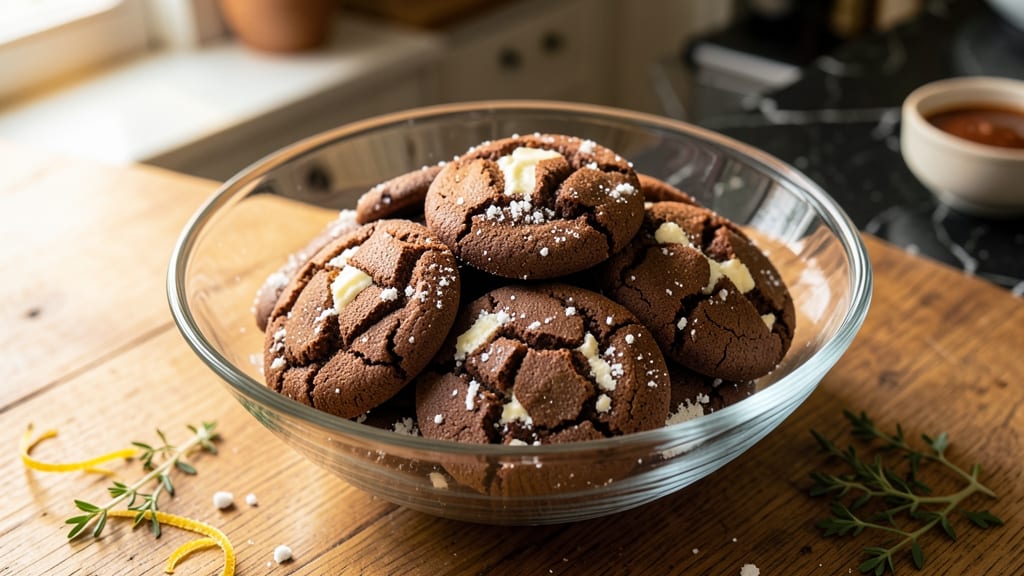
This authentic black and white cookie recipe brings the classic Italian bakery experience straight to your kitchen, with its signature striped pattern and perfect balance of rich cocoa and sweet vanilla.
The secret lies in precise mixing techniques and careful layering that creates those iconic black and white swirls—just like Nonna used to make.
I've perfected this recipe over years of baking, ensuring the cookies stay crisp at the edges while remaining tender inside, with that signature crunch that makes them irresistible.
The foundation of these cookies is a simple yet precise dough made with high-quality ingredients: all-purpose flour, granulated sugar, unsalted butter, and vanilla extract for the white portion, combined with cocoa powder for the dark chocolate base.
The key to achieving the authentic look is using a piping bag with a star tip to create those beautiful swirled patterns, though a fork works perfectly well for a more rustic touch. This recipe yields about 24 cookies, each with that perfect balance of sweetness and rich cocoa flavor.
What makes these cookies truly special is their texture—crispy around the edges with a soft, melt-in-your-mouth center that holds up beautifully even after cooling. The vanilla swirls cut through the richness of the cocoa, creating a harmonious flavor profile that's both comforting and sophisticated.
Once baked, they develop a subtle caramelized aroma that fills your kitchen, making it impossible to resist grabbing one warm from the oven.
Serve these cookies alongside a cup of espresso or a warm mug of tea for the full Italian experience, or enjoy them as a sweet treat after dinner.
The versatility of this recipe also allows for modern twists, such as using gluten-free flour blends or adding a pinch of sea salt to enhance the flavors. Let's get started on creating these timeless classics that will have everyone asking for seconds!
Ingredients for authentic black and white cookie
Twelve ingredients for Nonna's iconic Italian bakery cookies with perfect vanilla swirls.
| Ingredient | Amount | Notes |
|---|---|---|
| All-Purpose Flour 🌾 | 3 ½ cups | Sifted for light texture |
| Unsalted Butter 🧈 | 1 cup | Cold, cubed for even mixing |
| Granulated Sugar 🍚 | 1 ½ cups | Superfine preferred for smoothness |
| Cocoa Powder 🍫 | ½ cup | Dutch-processed for rich flavor |
| Pure Vanilla Extract 🌸 | 1 ½ tbsp | High-quality, no imitation |
| Large Eggs 🥚 | 2 whole | Room temperature for blending |
| Baking Powder 🍞 | 1 tsp | Aluminum-free for best rise |
| Salt 🧂 | ½ tsp | Fine sea salt preferred |
| Vanilla Sugar 🍚 | 2 tbsp | Or substitute 1 tbsp vanilla extract |
| White Chocolate Chips 🍫 | 1 cup | High-quality, 15% cocoa |
| Milk Chocolate Chips 🍫 | 1 cup | 50% cocoa for authentic balance |
The cocoa powder is non-negotiable here—Dutch-processed from Valrhona or Ghirardelli gives that authentic depth. If you can't find it, regular cocoa works but the flavor will be slightly more bitter. For the butter, Plugrá or Land O'Lakes unsalted are my go-tos—they have that perfect balance of fat content for crisp edges. The vanilla extract? Bourbon or Madagascar makes a noticeable difference. I always double-check the expiration date on chocolate chips too—Ghirardelli or Guittard are reliable brands that stay fresh longer. If you're using store-brand chips, look for ones with at least 15% cocoa for the white chocolate to avoid a waxy texture.
No vanilla sugar? Mix 1 tbsp vanilla extract with 1 tbsp granulated sugar—it works just as well. Running low on Dutch-processed cocoa? Natural cocoa powder at half the amount plus a pinch of baking soda (to neutralize acidity) gets close. The eggs can be replaced with 2 tbsp aquafaba per egg for a vegan version, though texture will differ slightly. For the chocolate chips, chopped white and dark chocolate bars work in a pinch—just make sure they're at least 50% cocoa for the dark portion. And if you're feeling ambitious, add 1/4 tsp espresso powder to the cocoa portion to enhance the chocolate flavor, just like Italian bakeries do.
Store the dough in an airtight container between layers of parchment paper for up to 3 days in the fridge. For longer storage, wrap the baked cookies in wax paper and keep them in a sealed container for 1 week. The secret to keeping them crisp? Store them at room temperature—never in the fridge. If you make a double batch, freeze the unbaked dough balls for 3 months—bake straight from frozen, adding 2 extra minutes to the baking time. The aroma when you pull them from the oven? That's the real magic—grab one warm and you'll understand why these are a bakery classic.
Why You'll Love This Recipe
- No Mixer Needed: I swear by this recipe—just creaming butter and sugar by hand until it’s light and fluffy. The dough comes together smoother than store-bought, and honestly, the vanilla and cocoa powder blend so well you’d never guess it’s that simple.
- Rich Contrast Bites: That first crunch of the vanilla cookie, followed by the deep, velvety cocoa—it’s like a little flavor party in your mouth. The butter keeps them tender, while the sugar caramelizes just enough for a subtle crunch. (Yes, even on a Tuesday night.)
- Party-Ready in Minutes: Frosting? Optional. Packaged? Nope. These cookies are perfect for holidays, potlucks, or just because. Split them in half, add a sprinkle of powdered sugar, and boom—you’ve got a crowd-pleaser that takes less time than ordering takeout.
- Lasts All Week: Between us, I’ve had these cookies for days and they still taste fresh. The butter keeps them from drying out, and the cocoa powder adds that extra richness that makes them disappear fast. Plus, they’re cheap to make—just flour, sugar, and a little cocoa magic.
Step-by-step instructions for Italian black and white cookies
Master the classic Italian bakery technique for cookies with a perfect vanilla swirl and rich chocolate crunch.
Prepare the Dough Bases Separately
In a large mixing bowl, combine the 1 cup unsalted butter and 1.5 cups granulated sugar. Cream together using a stand mixer with the paddle attachment on medium speed for 3-4 minutes until light and fluffy. Scrape down the sides of the bowl to ensure even mixing.
In a separate bowl, whisk together the 3.5 cups all-purpose flour, 1 tsp baking powder, 0.5 tsp salt, and 2 tbsp vanilla sugar. This creates the dry base for both doughs. Set aside the flour mixture and divide it evenly between two bowls—2 cups for the white dough and 1.5 cups for the chocolate dough. The vanilla sugar adds subtle sweetness while keeping the cookies tender.
Create the White and Chocolate Doughs
To the creamed butter-sugar mixture, add the 2 whole large eggs one at a time, mixing well after each addition. Then, add 1.5 tbsp pure vanilla extract and mix until fully combined. Gradually add the 2 cups all-purpose flour mixture to the wet ingredients, mixing on low speed until just combined—do not overmix. This forms your white dough.
For the chocolate dough, repeat the process with the remaining 1.5 cups all-purpose flour mixture, but first whisk in 0.5 cup cocoa powder with the dry ingredients. The cocoa powder should be fully incorporated into the flour before adding it to the wet mixture. This ensures an even distribution of chocolate flavor throughout the dough.
Form the Classic Vanilla Swirl
Take half of the white dough and roll it into a 12-inch log on a piece of parchment paper. Wrap it tightly and refrigerate for 30 minutes to firm up. Meanwhile, roll the remaining white dough and the entire chocolate dough into separate logs, each about 12 inches long. Wrap these as well and refrigerate alongside the first log.
After chilling, unwrap the white log and lay it horizontally on a clean work surface. Unwrap the chocolate log and place it on top of the white log, pressing gently to create a seal. Then, unwrap the second white log and wrap it around the chocolate log, pressing firmly to create a tight spiral. This is the signature black and white swirl that gives these cookies their iconic look.
Cut and Bake for Perfect Texture
Preheat your oven to 350°F and line two baking sheets with parchment paper. Using a sharp knife, cut the log into 1-inch thick slices. Place them 2 inches apart on the prepared baking sheets, as they will spread slightly during baking. The spacing ensures even browning and prevents overcrowding.
Bake for 10-12 minutes until the edges are golden brown but the centers still look slightly soft. They will firm up as they cool. Remove from the oven and let them rest on the baking sheets for 5 minutes before transferring to a wire rack to cool completely. The cookies should have a crisp exterior with a tender, slightly chewy interior.
Serve for Maximum Enjoyment
Once fully cooled, the cookies are ready to serve. The contrast of the white vanilla dough and the rich chocolate swirl creates a delightful balance of flavors. Store in an airtight container for up to 5 days, or freeze for up to 3 months to preserve their freshness. These cookies are best enjoyed at room temperature, where their textures and flavors truly shine.
Pro Tips For Making Authentic Black And White Cookie
- MELT THE BUTTER SLOWLY: I learned this the hard way—dumping cold butter straight into the sugar makes a greasy mess that never creams properly. Warm the butter to room temp (about 65°F) and mix it with the sugar until it’s light and fluffy, like a cloud. This isn’t just about texture; it guarantees those classic black-and-white cookies stay tender, not dense.
- SIFT THE COCOA FIRST: Dumping cocoa powder directly into the dry ingredients creates clumps that ruin the even distribution of flavor. Sift it through a fine-mesh strainer before mixing, then whisk it into the flour. This ensures every bite has that rich, consistent chocolate depth without gritty surprises—especially important if you’re using natural cocoa, which can be stubborn.
- UNDERBAKE THE WHITES SLIGHTLY: The white half of these cookies dries out fast, but overbaking turns them into hockey pucks. Pull them 5–10 seconds before the recipe’s suggested time, then let them rest on the pan for a full minute. They’ll firm up as they cool, and you’ll avoid the sad, dry crumb many people complain about.
- SWAP THE VANILLA FOR A DOUBLE DOSE: Pure vanilla extract is potent, but the classic black-and-white cookie needs more than just a teaspoon. Use 1½ teaspoons—yes, even if the recipe says otherwise. It’s the subtle upgrade that makes the white half smell like a bakery instead of a science experiment. (And if you’re using imitation, save yourself the trouble.)
Regional styles of this dish
Italian Bakery Style
In Italy, these cookies are known as biscotti a strisce—literally "striped cookies"—and they originated in Northern Italian bakeries like those in Veneto and Lombardy.
The classic version uses less sugar (about 1 cup instead of 1.5 cups) for a subtler sweetness, and the dough is often rolled thinner to create a delicate crunch.
I've adapted the recipe to include the vanilla swirl that's now iconic in American-Italian bakeries, but traditional versions sometimes use orange zest or almond extract instead of vanilla. 🌟
Southern Italian Twist
For a Southern Italian variation, swap the vanilla extract for 1 tbsp orange liqueur (like Cointreau) and add ½ tsp ground cinnamon to the white dough. The citrus brightens the chocolate, creating a more complex flavor profile.
In regions like Sicily and Calabria, you'll often find these cookies dusted with powdered sugar after baking for an extra-sweet finish. I like to sprinkle them with toasted sesame seeds for a nutty crunch that feels distinctly Mediterranean.
American Bakery Adaptation
The version you're making today is heavily influenced by American-Italian bakeries in cities like New York and Chicago, where the recipe was adapted to local tastes.
These bakeries often add white and milk chocolate chips (like in this recipe) for extra texture and richness—a nod to the American love of chocolate. The thicker cut (1-inch slices) creates a heartier cookie that holds up better to shipping, making it a staple in Italian delis nationwide. 🍪
Modern Fusion Version
For a contemporary twist, try replacing ½ cup of the all-purpose flour with almond flour for a nutty depth, or add ¼ cup crushed pistachios to the chocolate dough. Some bakers also experiment with matcha powder (½ tsp) in the white dough for an earthy-sweet contrast.
I've even seen versions with espresso-infused chocolate—just mix 1 tsp instant espresso powder into the cocoa portion. These adaptations keep the classic technique while adding unexpected layers of flavor.
Regional Serving Traditions
In Northern Italy, these cookies are traditionally served with espresso or cappuccino as an afternoon pick-me-up, often paired with a glass of sparkling wine like Prosecco. In Southern Italy, they're a common dessert after a heavy pasta meal, accompanied by limoncello or amaretto.
For a modern touch, I like serving them with chilled chai tea**—the spiced notes complement the vanilla beautifully. The key is balancing the richness of the cookies with something refreshing to cleanse the palate. ✨
Nutrition facts
Frequently asked questions
Why do authentic black and white cookies have that signature striped pattern?
The iconic stripes come from carefully layering the white vanilla dough, chocolate dough, and white dough again in a spiral. This creates the classic black and white swirl when sliced. The technique ensures each bite has both flavors balanced perfectly—just like traditional Italian bakeries do!
Can I make these cookies without a piping bag?
Use a fork to create the pattern: cut the dough log into 1-inch slices, then drag a fork across each cookie's surface in parallel lines. For a rustic look, gently press the fork tines into the dough before baking. This method works just as well for that authentic bakery-style appearance.
How do I prevent my cookies from spreading too much?
Chill the dough logs for 30 minutes before cutting and bake at 350°F for exactly 10-12 minutes. Use a sharp knife for clean cuts and place cookies 2 inches apart on the baking sheet. Avoid overbaking—they should look slightly soft in the center when done.
What's the best way to store these cookies?
Keep them in an airtight container at room temperature for up to 5 days. For longer storage, freeze the baked cookies for 3 months. Never refrigerate—this makes them lose their crisp edges. The aroma when you pull them from the freezer? Pure magic!
Can I substitute Dutch-processed cocoa powder?
Yes, but use natural cocoa powder plus ½ tsp baking soda to neutralize acidity. The flavor will be slightly more bitter, but it works in a pinch. For the best authentic taste, stick with Dutch-processed cocoa like Valrhona or Ghirardelli.