
Desserts
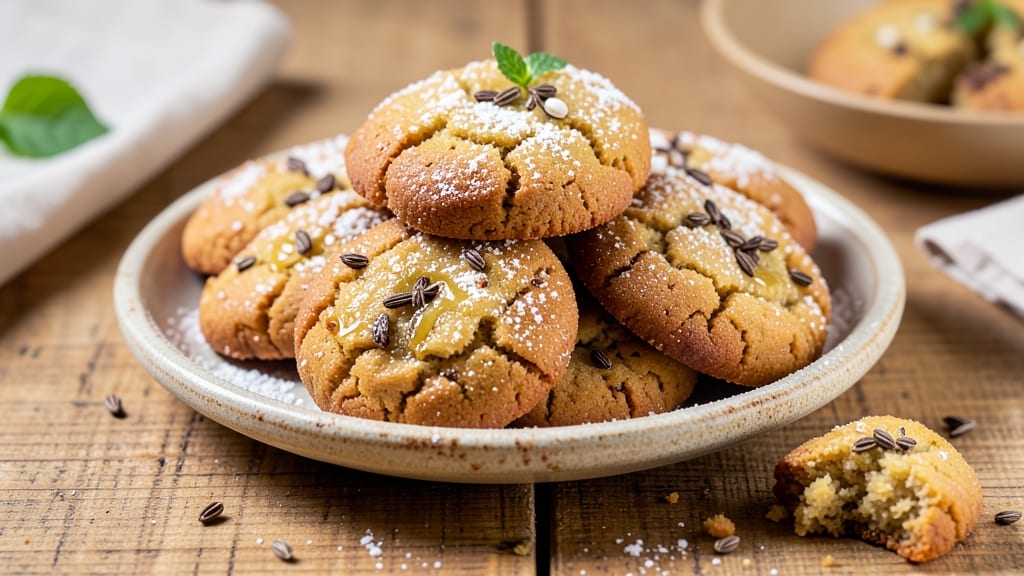
This authentic Italian anisette cookie recipe brings the warm, spiced aroma of Italian bakeries straight to your kitchen. 🌟 The secret lies in the delicate balance of anise seeds and vanilla, creating a cookie with a crisp exterior and a tender, vanilla-kissed center that dissolves with every bite.
Unlike their American counterparts, these biscotti all'anice are rolled in sugar before baking, giving them that signature crunch and golden sheen.
The recipe follows traditional Italian techniques—dry ingredients are whisked together first for even distribution, while the wet ingredients are mixed just until combined to avoid developing gluten. The dough is shaped into logs, sliced before baking, and finished with a light anisette soak for that authentic Italian touch.
This method ensures each bite delivers layers of flavor: sweet, aromatic, and just slightly spiced.
What makes these cookies truly special is their versatility. Serve them alongside espresso for a classic Italian coffee pairing, or pair them with a glass of dessert wine for an after-dinner treat.
The recipe yields about 24 cookies, making them perfect for gifting or enjoying over several days—they stay fresh for up to a week when stored in an airtight container.
Ready in just 30 minutes of active prep time (plus cooling), these cookies are a foolproof way to bring a taste of Italy to your table without the fuss of elaborate techniques.
The key is patience—allowing the cookies to cool completely before slicing ensures clean breaks and that signature crunch. Let's get started!
Ingredients for authentic italian anisette cookie
Twelve ingredients for 24 cookies—simple yet authentic Italian baking at its finest.
| Ingredient | Amount | Notes |
|---|---|---|
| All-Purpose Flour 🌾 | 3 cups | Sifted for even texture |
| Granulated Sugar 🍚 | 1 cup | White or raw cane sugar |
| Packed Brown Sugar 🍚 | ½ cup | Light brown preferred |
| Unsalted Butter 🧈 | 1 cup | Cold, cubed for texture |
| Anise Seeds 🌿 | 1 ½ tbsp | Whole, lightly toasted |
| Pure Vanilla Extract 🍯 | 1 tbsp | High-quality preferred |
| Large Eggs 🥚 | 2 whole | Room temperature |
| Anisette Liqueur 🍷 | 2 tbsp | For soaking (or substitute 2 tbsp water + 1 tsp anise extract) |
| Fine Granulated Sugar 🍚 | ½ cup | For rolling (turbinado works too) |
| Ground Cinnamon 🌶️ | ½ tsp | Warm, aromatic variety |
| Ground Nutmeg 🌿 | ¼ tsp | Freshly grated preferred |
| Diamond Crystal Kosher Salt 🧂 | ½ tsp | Fine grain preferred |
The anise seeds are the soul of these cookies. Buy whole seeds from Italian markets or bulk bins—they toast beautifully and release their signature aroma. Penzeys or La Bottega carry excellent varieties. Lightly toast them in a dry pan for 30 seconds before grinding to intensify their flavor. The vanilla extract should be pure—McCormick or Nielsen-Massey are reliable brands. For butter, use European-style if available; it has a higher fat content that makes these cookies extra tender. If you can't find anisette, anise extract plus water works in a pinch, though the flavor won't be identical.
No anise seeds? One teaspoon anise extract can substitute, but reduce the anisette soak to 1 tablespoon. The brown sugar can be swapped for white if needed, though it adds subtle moisture. For a stronger vanilla flavor, use vanilla bean paste instead of extract. If you're sensitive to gluten, substitute half the flour with almond flour, though the texture will differ slightly. The cinnamon and nutmeg are optional but recommended—they enhance the anise flavor without overpowering it. For rolling, turbinado sugar gives a prettier crunch, but regular fine sugar works perfectly well.
Store the cookies in an airtight container at room temperature for up to 1 week. They'll stay fresh longer if you separate the layers with parchment paper. For gifting, wrap individually in cellophane bags tied with twine. These cookies improve with age—the flavors meld beautifully over 2-3 days. If you make a double batch, freeze half for up to 3 months. Just thaw at room temperature before serving. Pair with a shot of espresso or a glass of Italian dessert wine for the full experience.
Why You'll Love This Recipe
- No-Fuss Mixing: I swear by this recipe—just toss the dry ingredients together, then fold in the softened butter and anise seeds. No cream cheese fuss, no extra steps. The dough comes together faster than I can put on a pot of coffee.
- Licorice-Kissed Warmth: That crushed anise seed? It’s like a whisper of Italian liqueur in every bite—sweet, earthy, and just a hint of licorice without being overpowering. The brown sugar caramelizes into a perfect chewy center that’ll have you reaching for another.
- Holiday or Snack Attack: These cookies freeze like champs, so I bake a batch in December and pull them out all winter. Or, honestly, just keep them on a plate—my kids grab them straight from the jar for after-school snacks. No occasion needed.
- Pantry Staple Magic: You’re using flour, sugar, and butter you already own, plus a cheap bag of anise seeds. No specialty ingredients, no last-minute grocery runs. And the leftovers? They stay fresh in an airtight container for over a week—no sad, stale cookies here.
Step-by-step instructions for authentic Italian anisette cookies
Here's how to craft these traditional Italian cookies with their signature anise-kissed crunch and vanilla centers.
👨🍳 Step 1: Prepare the Anise-Infused Butter
In a small saucepan, combine the 1 cup unsalted butter and 1.5 tbsp anise seeds. Melt over low heat, stirring constantly for 3-4 minutes until the butter is completely melted and the anise seeds begin to sizzle gently. Watch closely—the seeds should turn a light golden color and release their aromatic oils into the butter.
Remove from heat immediately and let cool for 5 minutes while you prepare the remaining ingredients. This infusion creates the authentic anise flavor that defines these cookies. If you prefer a stronger anise aroma, you can lightly toast the seeds in a dry pan for 1 minute before adding to the butter—just be careful not to burn them.
👨🍳 Step 2: Cream Butter and Sugars
In a stand mixer fitted with the paddle attachment, beat the cooled anise-infused butter with the 1 cup granulated sugar and 0.5 cup packed brown sugar on medium speed for 3-4 minutes. The mixture should become light and fluffy, nearly doubling in volume, with ribbons forming when the beaters lift. This step is crucial for creating the signature texture—don't rush it.
Scrape down the sides of the bowl with a rubber spatula to ensure even mixing. The butter should be completely smooth with no graininess remaining. If the mixture looks too thick, let it sit at room temperature for 5 minutes to soften slightly before proceeding. This ensures proper incorporation of the dry ingredients later.
👨🍳 Step 3: Combine Wet and Dry Ingredients
Add the 2 whole large eggs, 1 tbsp pure vanilla extract, and 2 tbsp anisette liqueur to the butter mixture. Beat on low speed for 1 minute until just combined. In a separate bowl, whisk together the 3 cups all-purpose flour, 0.5 tsp ground cinnamon, 0.25 tsp ground nutmeg, and 0.5 tsp diamond crystal kosher salt. Gradually add the dry ingredients to the wet mixture, mixing on low speed until just combined—you should still see small flour streaks.
Once fully incorporated, remove the bowl from the mixer and gently fold in the 1.5 tbsp anise seeds using a silicone spatula. The dough should be soft but not sticky. If it's too dry, add 1 teaspoon of anisette liqueur to help bind it. Wrap the dough in plastic wrap and refrigerate for at least 1 hour (or up to 24 hours) to allow the flavors to meld and the gluten to relax.
🔥 Step 4: Roll and Bake
Preheat your oven to 350°F and line two baking sheets with parchment paper. On a lightly floured surface, roll the chilled dough into 1-inch thick logs about 12 inches long. Cut each log into 1-inch pieces and roll each piece in the 0.5 cup fine granulated sugar until fully coated. Arrange the coated dough pieces on the prepared baking sheets, spacing them 2 inches apart.
Bake for 12-15 minutes until the edges are golden brown and the centers still look slightly soft. The cookies will continue to firm up as they cool. Remove from the oven and let them cool on the baking sheets for 5 minutes before transferring to a wire rack to cool completely. The centers should have a subtle vanilla kiss while maintaining that signature anise crunch.
Pro Tips For Making Authentic Italian Anisette Cookie
- Chill the Dough: After mixing, let the dough rest uncovered in the fridge for at least 30 minutes—this isn’t just about convenience. The flour absorbs moisture and the butter firms up, so your cookies hold their shape instead of spreading into flat pancakes. (Yes, even if you’re impatient like me.)
- Toast the Anise: Lightly toast the whole anise seeds in a dry pan for 30 seconds until fragrant—this deepens their flavor without burning. Grind them fresh after topping the cookies; store-bought ground anise loses its punch fast. (Skip this, and your cookies taste like they’re missing something.)
- Cream Butter Cold: Use butter straight from the fridge (not softened) when creaming with sugars—this traps air better and prevents greasy cookies. Beat until pale but still cool to the touch; if it’s warm, you’ll end up with dense, cakey results. (I learned this the hard way after a batch turned out like shortbread.)
- Roll Even Thickness: Use a rolling pin to compress the dough to an even ¼-inch thickness—no thicker, no thinner. Thick spots bake unevenly, while thin spots burn before the centers set. A bench scraper helps keep edges crisp. (Uneven cookies = uneven bites.)
Creative variations of these flavors
Classic Coffee Pairing
These anisette cookies were born to dance with espresso—just like Italian nonnas intended. 💛 Serve them alongside a ristretto or macchiato for the perfect balance of anise warmth and coffee bitterness. I like to brew a double shot of Illy or Lavazza espresso and pair it with two cookies.
The anise flavor enhances the coffee's natural sweetness, while the cookie's crunch cuts through the crema beautifully.
Dessert Wine Elevation
For an after-dinner treat, pair with Vin Santo or Moscato d'Asti—both complement the anise notes perfectly. A ½ cup of chilled Vin Santo poured over the cookies at the table creates an elegant dessert presentation.
The wine's nutty sweetness mirrors the cookie's vanilla centers, while the anise seeds echo the wine's herbal complexity. If you prefer red, a light Lambrusco adds a fruity contrast without overpowering the delicate flavors.
Spiced Orange Twist
Add 1 tsp orange zest to the dough for a citrusy variation that brightens the anise flavor. The orange's acidity cuts through the richness, creating a refreshing twist. I use Navel oranges for their sweetness, but Blood oranges add a tart depth.
Roll the baked cookies in a mix of ½ cup sugar + 1 tbsp orange zest for an extra zesty finish. This variation pairs beautifully with champagne or sparkling wine.
Chocolate-Dipped Luxury
For a decadent upgrade, melt ½ cup dark chocolate (70% cocoa) with 1 tbsp anisette liqueur and dip half of each cookie. Let the chocolate set on parchment paper before serving. The chocolate's bitterness contrasts the cookie's sweetness, while the anisette ties everything together.
Use Valrhona or Ghirardelli chocolate for the best results. This version feels like a restaurant dessert but takes just 10 extra minutes.
Almond-Filled Surprise
Create a marzipan center by rolling ½ cup almond paste into thin ropes, then wrapping each around a 1-inch cookie dough piece before baking. The almond filling adds a nutty contrast to the anise flavor.
For extra richness, brush the baked cookies with 1 tbsp melted butter> and sprinkle with crushed pistachios. This variation pairs wonderfully with saffron-infused tea or chocolate-dipped strawberries.
Seasonal Citrus Variation
In winter, swap the vanilla for 1 tbsp lemon or blood orange extract> and add 1 tsp grated lemon zest> to the dough. The citrus brightens the anise flavor, creating a festive holiday cookie.
Roll the baked cookies in a mix of ½ cup sugar + 1 tbsp lemon zest> for a fragrant finish. This version pairs perfectly with mulled wine> or hot apple cider>. The acidity in the citrus helps balance the sweetness during colder months.
Nutrition facts
Frequently asked questions
What makes these anisette cookies different from regular anise-flavored cookies?
These follow the traditional Italian method of biscotti all'anice, where the dough is shaped into logs, sliced before baking, and rolled in sugar for extra crunch. The key difference is the anisette liqueur soak after baking, which infuses the cookies with authentic Italian flavor rather than just anise extract. The result is a cookie with a crisp exterior, tender vanilla-kissed center, and that signature anise aroma.
Can I substitute anisette liqueur with something else?
Yes! If you can't find anisette, use 2 tbsp water + 1 tsp anise extract for a similar flavor. For a stronger anise taste, try 1 tbsp Sambuca (though it's more licorice-forward). The soak should be light—just enough to moisten the cookies without making them soggy. For a non-alcoholic version, use 2 tbsp water + ½ tsp anise extract.
Why do the cookies need to rest in the fridge before baking?
The 1-hour rest allows the gluten to relax and the flavors to meld, preventing the cookies from spreading too much during baking. It also helps the dough hold its shape when you roll and slice it. If you're short on time, chill for at least 30 minutes, but don't skip this step—it's key for that authentic Italian texture!
How do I store these cookies to keep them fresh?
Store in an airtight container at room temperature for up to 1 week. For longer storage, freeze half the batch for up to 3 months. Thaw at room temperature before serving. The cookies actually improve with age—the flavors deepen over 2-3 days. Separate layers with parchment paper to prevent sticking.
Can I make these cookies gluten-free?
Yes, but with adjustments! Replace half the all-purpose flour with almond flour or a 1:1 gluten-free baking flour blend. Add ½ tsp xanthan gum if your blend doesn't contain it. The texture will be slightly denser, but the flavor will still be authentic. For best results, use a gluten-free measuring cup to avoid compaction.