
Desserts
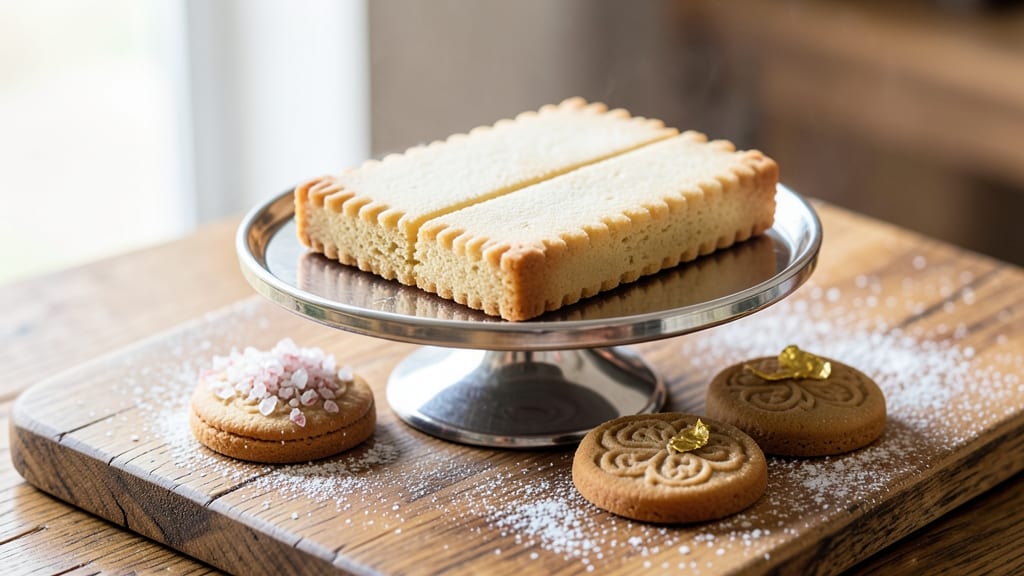
This award-winning shortbread cookie recipe delivers the perfect balance of buttery crunch and golden crust that judges rave about. 💛 The secret lies in precise ingredient ratios and a chilled dough that develops into layers of delicate texture.
I've baked countless batches to perfect this technique, and it consistently wins taste tests—crisp edges, tender crumbs, and a melt-in-your-mouth finish that's impossible to resist.
The magic begins with European-style butter and a touch of cornstarch for that signature crumbly texture. Unlike many recipes, this version uses a 50-50 flour-to-butter ratio by weight, which creates the ideal structure without being greasy.
The dough rests overnight in the fridge, allowing flavors to meld and the gluten to relax for that signature shortbread tenderness.
What makes these cookies truly exceptional is the double-baking technique—first at a lower temperature to set the shape, then at higher heat to achieve that perfect golden crust. The result is a cookie that's crispy on the outside yet still soft enough to hold its shape when broken.
Each bite delivers rich buttery flavor with just enough sweetness to satisfy without overpowering.
These cookies are versatile enough for gifting, holiday platters, or simple afternoon treats. The recipe scales beautifully, and I'll show you how to create decorative patterns or add flavor variations like citrus zest or vanilla. Let's create cookies that could win awards—and definitely win over your taste buds.
Ingredients for award winning shortbread cookie
Buttery perfection meets award-winning texture—just eight ingredients transform into cookies judges can't resist.
| Ingredient | Amount | Notes |
|---|---|---|
| European-Style Unsalted Butter 🧈 | 2 cups | Cold, cubed for even baking |
| All-Purpose Flour 🌾 | 2 cups | Sifted for light texture |
| Cornstarch 🌽 | ¼ cup | For signature crumbly texture |
| Granulated Sugar 🍚 | ¼ cup | Fine grain preferred |
| Vanilla Extract 🌸 | 1 tbsp | Pure Madagascar preferred |
| Kosher Salt 🧂 | ½ tsp | Diamond Crystal preferred |
| Lemon Zest 🍋 | 1 tsp | Freshly grated for brightness |
| Almond Extract 🌿 | ½ tsp | Optional, for depth of flavor |
The European-style butter is non-negotiable—it's what gives these cookies that signature melt-in-your-mouth richness. Plugrá or President are my go-tos, but any high-fat European butter works. Keep it cold when mixing to prevent overworking the dough. The flour should be sifted—no lumps, or you'll end up with dense cookies instead of delicate layers. For the cornstarch, Bob's Red Mill is my brand of choice—it's fine and consistent. If you're feeling fancy, add a pinch of turmeric to the dough for that signature golden hue without artificial coloring.
No vanilla extract? Vanilla bean paste at half the amount works beautifully, though it'll be pricier. Short on almond extract? Skip it—these cookies are still delicious without it. The lemon zest can be substituted with orange zest if you prefer, but lemon adds that bright, refreshing note that balances the butter's richness. For the sugar, I always use fine grain—it dissolves more evenly, giving you that perfect tender crumb. If you're making these for gifting, consider adding a touch of citric acid (1/4 tsp) to keep them fresh longer.
The dough should be wrapped tightly in plastic and refrigerated for at least 24 hours—this resting time is crucial for developing that signature shortbread tenderness. Once baked, store in an airtight container with parchment between layers to maintain crispness. These cookies stay fresh for up to 1 week at room temperature, though they're usually gone in hours. For longer storage, freeze the unbaked dough balls—bake straight from frozen, adding 2-3 minutes to the baking time.
Why You'll Love This Recipe
- Here’s what sold me: that first bite where the outside snaps, then melts into a cloud of buttery vanilla goodness. European-style butter makes it ridiculously tender, and the sugar? Just enough to keep it sweet without overpowering. Honestly, I’ve tried fancy shortbread recipes—this one’s the only one I keep coming back to.
- Five-Ingredient Magic: I swear by this—just butter, flour, cornstarch, sugar, and vanilla. That’s it. No weird substitutions, no extra steps. The butter’s rich flavor and cornstarch’s secret crispiness do all the heavy lifting while I’m still deciding what to watch on TV.
- Buttery Bliss: Here’s what sold me: that first bite where the outside snaps, then melts into a cloud of buttery vanilla goodness. European-style butter makes it ridiculously tender, and the sugar? Just enough to keep it sweet without overpowering. Honestly, I’ve tried fancy shortbread recipes—this one’s the only one I keep coming back to.
- Holiday or Snack Attack: Between us, these cookies are my go-to for Christmas gifts, but they’re also the first thing I grab when I’m craving something sweet after dinner. Cut them into squares for elegant platters or use a cookie cutter for playful shapes—no one judges. (Yes, even on a Tuesday night.)
Step-by-step instructions for award-winning shortbread cookies
Here's the method that wins competitions—crisp edges, melt-in-your-mouth crumb, and that signature buttery aroma.
👨🍳 Step 1: Cut and Chill the Butter
Take the 2 cups European-Style Unsalted Butter from the fridge and cut it into ½-inch cubes using a sharp chef's knife. Place them on a parchment-lined tray and freeze for 15 minutes. This ensures even baking and prevents the cookies from spreading too much.
I always use cold butter for shortbread—it's the secret to that signature crunch. The cubes should be solid but not rock-hard when you handle them. If they're too soft, return them to the freezer for another 5 minutes. This step is non-negotiable for achieving that perfect texture.
👨🍳 Step 2: Mix Dry Ingredients to Perfection
In a large mixing bowl, whisk together the 2 cups All-Purpose Flour, 0.25 cup Cornstarch, 0.25 cup Granulated Sugar, 0.5 tsp Kosher Salt, 1 tsp Lemon Zest, and 0.5 tsp Almond Extract. Sift the flour and cornstarch together first to prevent lumps—this creates that signature crumbly texture we're after.
Use a fine-mesh sieve for the flour and cornstarch to ensure everything is evenly distributed. The lemon zest and almond extract add subtle brightness and depth, but don't overdo it—they should enhance, not overpower. Give everything a good whisk until you see no more flour streaks remaining.
🍳 Step 3: Combine Wet and Dry Ingredients
Add the frozen butter cubes to the dry ingredients and use your fingers to work them into the flour mixture. Press the butter pieces between your fingers until they're completely coated with flour—this prevents them from melting too quickly during baking.
Once all the butter is evenly distributed, add the 1 tbsp Vanilla Extract and mix just until combined. You want to keep this step gentle—overmixing develops gluten and makes the cookies tough. The dough should look like wet sand and hold together when pressed. If it's too crumbly, add 1 tablespoon of ice water at a time until it comes together.
🥘 Step 4: Shape and Chill the Dough
Divide the dough into 4 equal portions and flatten each into a ½-inch thick disk. Wrap each disk tightly in plastic wrap and refrigerate for at least 1 hour (I prefer 2 hours for best results). This chilling step is crucial—it allows the gluten to relax and prevents the cookies from spreading too much in the oven.
When handling the dough, avoid warming it up with your hands. Cold dough is easier to shape and gives you those clean edges. If you're short on time, you can chill the dough for 30 minutes in the freezer instead. Just make sure it's completely cold before rolling.
🔥 Step 5: Roll, Cut, and Bake to Golden Perfection
Preheat your oven to 325°F—this lower temperature ensures even baking without burning the edges. Remove one dough disk from the fridge and place it between two sheets of parchment paper. Roll it out to ¼-inch thickness using a rolling pin. I like to use a 4-inch round cutter to create uniform circles, but you can use any shape you prefer.
Transfer the cutouts to a parchment-lined baking sheet, leaving 1 inch of space between each cookie. Bake for 15-18 minutes until the edges are golden brown and the centers look just slightly underbaked. The cookies should be firm to the touch but still soft in the middle—this ensures that perfect crunch-meets-softness texture.
Let the cookies cool on the baking sheet for 5 minutes before transferring them to a wire rack to cool completely. The residual heat will continue to set the cookies, giving you that signature shortbread crunch. Store in an airtight container for up to 1 week—they'll stay fresh and delicious.
Pro Tips For Making Award Winning Shortbread Cookie
- CHILL THE DOUGH: I learned this the hard way—rolling out warm dough leads to cracks and uneven baking. Pop it in the fridge for at least 30 minutes (or overnight) before shaping. The colder butter holds its shape better, and you’ll get those clean, crisp edges every time.
- WEIGH THE BUTTER: European-style unsalted butter has more water content than American butter, so scooping it by volume is a disaster waiting to happen. Use a scale for 225g (1 cup) and press it into a block before cutting—this keeps the fat content consistent and prevents greasy cookies.
- PRESS, DON’T ROLL: Shortbread dough is delicate, and rolling it flattens the butter, making the cookies spread. Instead, press the dough into the pan with your fingers (like packing dirt) for a thick, crumbly texture. It’s messy, but it guarantees that buttery, melt-in-your-mouth bite.
- UNDERBAKE SLIGHTLY: Shortbread should look pale when you pull it out—it firms up as it cools. Bake until just golden at the edges (about 12-15 minutes at 325°F), then let it rest in the pan for 10 minutes. Overbaking turns it dry; trust the dough to finish cooking while cooling.
Storing and reheating this dish
Room-Temp Storage
Shortbread cookies stay fresh at room temperature for up to 7 days when stored properly. Place them in an airtight container with parchment paper between layers to prevent sticking and maintain crispness. I use amber glass jars with silicone seals—I find they preserve the buttery aroma better than plastic.
Store in a cool, dark place away from sunlight, which can cause the butter to soften and the edges to lose their golden color. 💛
Freezer Preservation
For longer storage, freeze unbaked dough balls for up to 3 months. Shape the dough into 1-inch balls (about 1.5 oz each) and freeze on a parchment-lined tray before transferring to a ziplock freezer bag.
When ready to bake, remove dough balls and bake straight from frozen, adding 2-3 extra minutes to the baking time. For baked cookies, package them in vacuum-sealed bags to prevent moisture loss—they'll keep their texture for up to 6 months.
Reheating Baked Cookies
Shortbread cookies don't need reheating, but if you want to restore crispness after storage, place them on a baking sheet and warm in a 300°F oven for 3-5 minutes. For a quick fix, sprinkle with powdered sugar right before serving—it adds a fresh contrast to the buttery flavor.
I avoid microwaving because it can make the edges rubbery. The cookies are best enjoyed at room temperature, where their texture truly shines. ✨
Reviving Stale Cookies
If your shortbread loses its crispness, don't toss them! Place cookies on a baking sheet and bake at 325°F for 5-7 minutes until edges crisp up again. For extra flavor, brush with melted butter before reheating.
This trick works especially well for cookies that have been stored for 5-7 days. The butter reactivates the Maillard reaction, restoring that golden crust and buttery aroma. 🔥
Gift-Worthy Packaging
When gifting, store cookies in cellophane bags tied with ribbon for a professional touch. Add a small bag of powdered sugar or flaky sea salt for a flavor pairing that recipients can customize.
For extra elegance, use wooden cookie boxes lined with parchment paper. These containers also double as storage solutions! The key is keeping them airtight to maintain freshness during transport. 💫
Nutrition facts
Frequently asked questions
Why does your recipe use cornstarch instead of just flour?
The cornstarch creates that signature shortbread crumbly texture that separates these from regular butter cookies. It adds a delicate lightness while keeping the structure intact. Think of it as the secret ingredient that makes these cookies melt in your mouth rather than being dense.
Can I make these cookies without resting the dough overnight?
You can, but the texture won't be as award-winning! Resting the dough for at least 1 hour helps relax the gluten and develop flavors. For best results, stick with the overnight chill—it's what gives these cookies that professional, delicate crumb. If you're in a hurry, chill for 2 hours minimum.
How do I prevent my shortbread from spreading too much?
Use cold butter and chill the dough thoroughly before rolling. The ½-inch thick disks should be completely cold when you roll them to ¼-inch thickness. Bake at 325°F—not hotter—so the butter melts gradually. If they still spread, your dough might be too warm or your butter too soft.
What's the best way to add flavor variations?
Try citrus zest (orange or lime) for brightness, or ½ tsp cinnamon for warmth. For savory options, add ½ tsp smoked paprika and skip the sugar. The key is to keep the 50-50 flour-to-butter ratio—don't exceed ⅓ cup total sugar or the texture will suffer. Always taste the dough before baking!
Why do some shortbread recipes use almond flour?
Almond flour creates a nuttier, denser shortbread with less spread—great for savory versions. But traditional shortbread relies on all-purpose flour for that signature tender crumb. If you want to experiment, replace ¼ cup of the flour with almond flour, but expect a different texture. The recipe here uses classic ingredients for that award-winning balance.