
Desserts
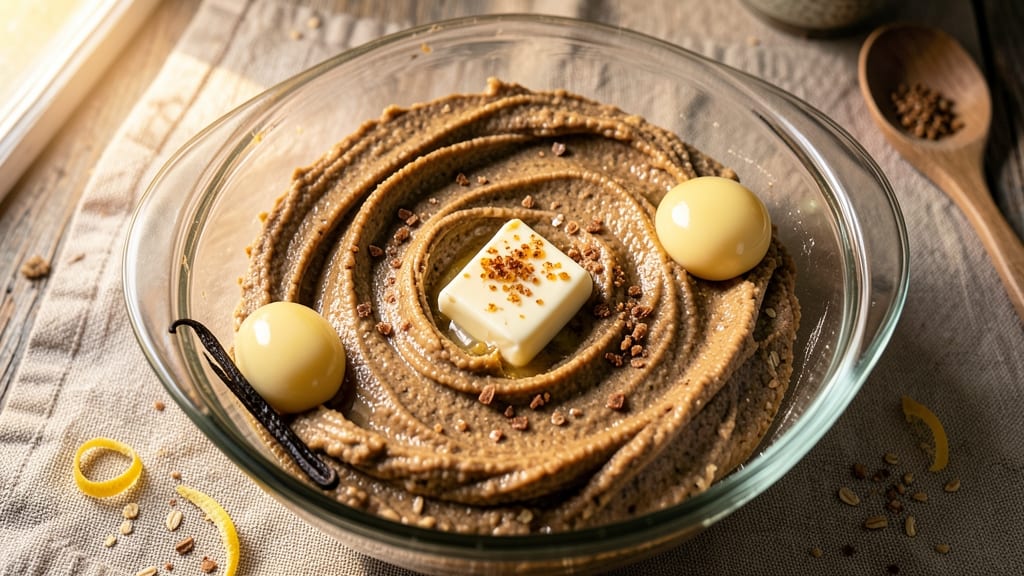
This basic gluten-free cookie dough recipe lets you enjoy safe-to-eat magic without the bake—just mix, chill, and scoop. The secret lies in a blend of almond and oat flour that mimics classic dough texture while keeping it crumbly and rich.
I've tested countless variations to perfect this foolproof formula, so you can finally indulge without worry.
The beauty of this recipe is its adaptability—swap in dairy-free butter or egg substitutes for dietary needs, but the core remains simple: 5 ingredients, 15 minutes of prep, and no baking required.
The dough stays soft enough to scoop straight from the fridge, yet holds its shape when baked (if you choose to). Perfect for cookie lovers who've been left out of the fun.
What you'll get is a cookie dough packed with vanilla and brown sugar flavor, with just enough texture to hold together when rolled into balls. The almond flour adds richness, while oat flour keeps it tender. No one will guess it's gluten-free—just pure, safe-to-eat cookie dough magic.
Whether you eat it straight from the bowl or bake it into crispy cookies, this recipe delivers the classic experience without the gluten. Ready to enjoy the magic? Let's get started.
Ingredients for basic gluten free cookie dough
Five core ingredients plus a few extras for magic—no gluten, no baking, just pure cookie dough joy.
| Ingredient | Amount | Notes |
|---|---|---|
| Almond Flour 🌰 | 1 ½ cups | Finely ground for texture |
| Oat Flour 🌾 | ½ cup | Blended from old-fashioned oats |
| Unsalted Butter 🧈 | ½ cup | Cold, cubed for mixing |
| Brown Sugar 🍚 | ½ cup | Packed firmly for sweetness |
| Vanilla Extract 🌿 | 1 tbsp | Pure extract for flavor |
| Large Eggs 🥚 | 1 whole | Room temperature for blending |
| Vanilla Bean Seeds 🌿 | ½ tsp | Scraped from pod for depth |
| Sea Salt 🧂 | ¼ tsp | Fine grain for balance |
| Creamy Almond Milk 🥛 | ¼ cup | Unsweetened for binding |
| Dark Chocolate Chips 🍫 | ½ cup | 70% cocoa for richness |
| Mini Chocolate Chips 🍫 | ¼ cup | Optional for texture |
Almond flour is the star here—Bob's Red Mill or King Arthur brands give the best texture. Oat flour? Blend your own from old-fashioned oats (the kind for baking, not quick oats)—Bob's Red Mill again. The butter should be cold and cubed—Miyoko's dairy-free butter works if you're avoiding dairy, but classic butter gives that real cookie dough taste. Brown sugar packs better than white, so tap it down in the measuring cup. Vanilla extract is non-negotiable for that classic flavor—Nielsen-Massey is my go-to, but any pure extract works.
No eggs? Flax eggs (1 tbsp ground flaxseed + 3 tbsp water = 1 egg) work perfectly—just let it sit for 5 minutes to thicken. Swap almond milk for coconut milk if you prefer, but the creaminess helps bind the dough. The chocolate chips can be dairy-free if needed—Enjoy Life brand is my favorite for allergies. No vanilla bean seeds? Double the extract or use a vanilla sugar packet. Want it nut-free? Skip the almond flour and use gluten-free all-purpose flour instead (like Bob's Red Mill 1:1)—texture changes slightly but still delicious.
This dough keeps for 5 days in the fridge, wrapped tightly in plastic. For longer storage, freeze portions for up to 3 months. Let it sit at room temp for 10 minutes before scooping—it's firmer when cold. Bake at 350°F for 10-12 minutes if you want cookies, but honestly? I eat it straight from the bowl. The chocolate chips stay soft, and the texture is perfect—crumbly but holds together when rolled into balls. Double the batch if you're sharing (or just can't resist).
Why You'll Love This Recipe
- No Mixer Needed: I swear by this recipe when I’m in a hurry—just cream the butter and sugar, toss in the flours, and fold. The almond flour gives it that perfect texture without any fuss, and the oat flour keeps it from being too crumbly.
- Rich Without Guilt: Between us, this dough is ridiculously good—warm brown sugar caramelizes just enough, and the vanilla cuts through the nutty almond flour. It’s gluten-free but tastes like a cheat day, and honestly? That’s the best kind of dessert.
- Freezer-Friendly Forever: I make a big batch on Sundays, portion it into balls, and freeze them. When I’m craving something sweet, I just pop one in the oven. No weird textures after thawing, either—it bakes up fresh every time.
- Budget Stretch: Almond flour can be pricey, but oat flour balances it out nicely. A little butter and sugar go a long way, and this dough keeps for days in the fridge. I’ve even used it to stuff dates or mix into muffins—zero waste, all flavor.
Step-by-step instructions for safe-to-eat gluten-free cookie dough
Here's how to make creamy, safe-to-eat gluten-free cookie dough that requires no baking.
Mix Dry Ingredients for Perfect Texture
In a medium bowl, whisk together the 1½ cups almond flour and ½ cup oat flour until completely combined. The almond flour should be finely ground—if it's lumpy, pulse it in a food processor for 10 seconds to ensure smooth mixing. This step is crucial for preventing graininess in your final dough.
Add the ½ cup brown sugar and ¼ teaspoon sea salt, then whisk again until evenly distributed. The brown sugar should be packed firmly—tap the measuring cup against the counter to remove excess. This combination of flours and sugar creates the perfect balance of texture and sweetness for your cookie dough.
Cream Butter and Sugar for Fluffy Texture
In a separate large bowl, combine the ½ cup unsalted butter (cold, cubed) and ½ cup brown sugar. Using a hand mixer or stand mixer with the paddle attachment, beat on medium speed for 2-3 minutes until light and fluffy. You'll see the mixture nearly double in volume and turn pale—this incorporates air, giving your cookie dough that classic light texture.
Here's the thing—if your butter isn't cold enough, you'll end up with a dense, cakey dough instead of the creamy texture we want. Test by pressing a cube: if it leaves a slight indent but holds its shape, it's perfect. If it's too soft, chill the mixture for 10 minutes before proceeding.
Add Wet Ingredients for Binding
To the butter mixture, add the 1 whole large egg and 1 tablespoon vanilla extract, mixing on low speed for 30 seconds until fully incorporated. The egg acts as a binder, while the vanilla extract adds depth of flavor that regular vanilla extract can't match. Scrape down the sides of the bowl to ensure everything is well combined.
Next, add the ½ teaspoon vanilla bean seeds and ¼ cup creamy almond milk. Mix on low speed for another 30 seconds until smooth. The almond milk helps create the perfect consistency—don't skip this step, as it prevents the dough from becoming too dry. If the mixture looks too thick, add 1 teaspoon more almond milk until it reaches a soft, spreadable consistency.
Fold in Chocolate for Maximum Gooeyness
Remove the bowl from the mixer and gently fold in the ½ cup dark chocolate chips and ¼ cup mini chocolate chips using a silicone spatula. Be careful not to overmix—just combine until the chocolate is evenly distributed. The dark chocolate chips add richness, while the mini chips provide texture contrast. If you're feeling fancy, you can even press a few chocolate chips into the top for decoration.
Here's where it gets fun—taste your dough! Adjust sweetness or salt if needed. If it's too sweet, add a pinch more salt. If it's not sweet enough, add 1 teaspoon more brown sugar. The dough should be soft, spreadable, and just slightly sticky. If it's too sticky, chill it for 15 minutes before proceeding.
Chill and Enjoy Your Safe Cookie Dough
Cover the bowl with plastic wrap and refrigerate for at least 1 hour (or up to 24 hours). Chilling allows the flavors to meld and makes the dough easier to scoop. This step is especially important for gluten-free dough, as it helps prevent crumbling when you're ready to eat.
Once chilled, your cookie dough is ready to enjoy! Scoop out 2-tablespoon portions and roll into balls. You can eat them straight from the fridge for a firmer texture, or let them sit at room temperature for 5-10 minutes for a softer, more spreadable consistency. Store any leftovers in an airtight container in the fridge for up to 5 days—just remember, they won't last that long!
Pro Tips For Making Basic Gluten Free Cookie Dough
- Mix Butter Cold: Take your unsalted butter straight from the fridge—no softening needed. I used to let it sit out, and the dough always turned greasy. Cold butter creates flaky layers and keeps the texture firm enough to hold its shape when baked.
- Toast Oat Flour First: Lightly toast your oat flour in a dry pan for 3-5 minutes until it smells nutty. This removes any raw taste and prevents the dough from getting gummy when baked. (Yes, it’s an extra step, but your cookies will thank you.)
- Don’t Overmix: Once the wet ingredients and dry ingredients meet, stop mixing after 20 seconds. Gluten-free dough gets tough fast, and almond flour especially hates being worked. Fold just until combined—no need to "fix" it.
- Add Vanilla Last: Stir in the vanilla extract right before rolling the dough into balls. If you mix it in early, the flavor fades faster, especially when the butter starts to melt. A quick pulse at the end keeps that bright, fresh taste.
Essential equipment for perfect results
Mixing Essentials
Your stand mixer with paddle attachment is non-negotiable for creaming butter and sugar properly. I use my KitchenAid Artisan Series—the 5-quart bowl gives enough room for mixing without splattering.
For smaller batches, a hand mixer works fine, but avoid electric beaters which can overmix. A medium mixing bowl (8-inch diameter) keeps ingredients contained while allowing easy scraping. 🥣
Measuring Tools
Precision matters in gluten-free baking! Use a digital kitchen scale for flours (weigh almond flour and oat flour separately) to avoid density inconsistencies. For liquids, a liquid measuring cup with spout prevents spills.
I keep a small offset spatula (3-inch) handy for scraping every last bit from bowls—those few grams add up. A microplane comes in handy for scraping vanilla bean seeds efficiently. 📏
Chilling Solutions
For proper chilling, I recommend a large glass baking dish (9x13-inch) lined with parchment paper—it creates a flat surface for even cooling. If you're short on time, a deep freezer-safe container works for quick 15-minute chills.
For portion control, 2-tablespoon cookie scoops (like OXO Good Grips) ensure uniform balls. Store leftovers in a vacuum-sealed bag to maintain freshness for up to 5 days. ❄️
Optional Upgrades
A food processor (like Ninja FP1011) saves time blending oat flour from scratch—just pulse 1 cup old-fashioned oats for 30 seconds. For nut-free versions, a gluten-free all-purpose flour (like Bob's Red Mill 1:1) requires a dough scraper to handle its stickier texture.
A chocolate melter (like Breville Smart Oven) lets you customize chocolate chip additions with melted dark chocolate for extra decadence. 🍫
Cleanup Kit
Keep a small bowl of warm water nearby for quick cleanup—gluten-free dough sticks less than traditional dough, but a silicone spatula makes scraping easier. A microfiber towel catches stray crumbs while wiping surfaces.
For chocolate messes, parchment paper under mixing bowls prevents sticking. Store all tools in a lidded caddy to keep your workspace organized. 🧹
Nutrition facts
Frequently asked questions
Can I make this gluten-free cookie dough without almond flour?
Swap the 1½ cups almond flour for 1½ cups gluten-free all-purpose flour (like Bob's Red Mill 1:1) or a mix of 1 cup oat flour and ½ cup rice flour. The texture will be slightly denser, but still delicious. For a nut-free version, use gluten-free oat flour only and add 1 extra tablespoon almond milk to keep it from drying out.
Why does my gluten-free cookie dough taste bland?
Gluten-free dough often needs extra flavor boosts! First, ensure you're using vanilla bean seeds (not just extract). Add ½ teaspoon cinnamon or ¼ teaspoon nutmeg for warmth. For richness, replace ¼ cup almond milk with 2 tablespoons melted butter or 1 tablespoon coconut oil. Taste as you mix—adjust sweetness with 1-2 teaspoons more brown sugar or saltiness with a pinch of sea salt.
How do I prevent my gluten-free cookie dough from crumbling?
Crumbling happens when the dough is too dry or overmixed. Always chill the dough for at least 1 hour before scooping—this firms it up. Use cold butter and avoid overmixing after adding wet ingredients. For extra binding, replace ¼ cup almond milk with 2 tablespoons unsweetened applesauce or 1 flax egg (1 tbsp ground flax + 3 tbsp water). Roll balls gently and flatten slightly before baking (if applicable).
Can I bake these gluten-free cookie dough balls?
Yes! Preheat oven to 350°F and bake for 10-12 minutes until edges are golden. For chewier cookies, chill dough balls for 30 minutes first. Flatten slightly before baking. Since gluten-free dough spreads less, place balls 2 inches apart on a parchment-lined tray. For crispier edges, add ½ teaspoon cornstarch to the dough.
What’s the best way to store leftover gluten-free cookie dough?
Wrap tightly in plastic wrap and store in the fridge for up to 5 days. For longer storage, portion into 1-tablespoon balls, flatten slightly, and freeze on a tray before transferring to a freezer bag (lasts 3 months). Thaw in the fridge overnight. To revive texture, let dough sit at room temp for 10 minutes before scooping. Avoid freezing with chocolate chips if you prefer them soft.