
Desserts
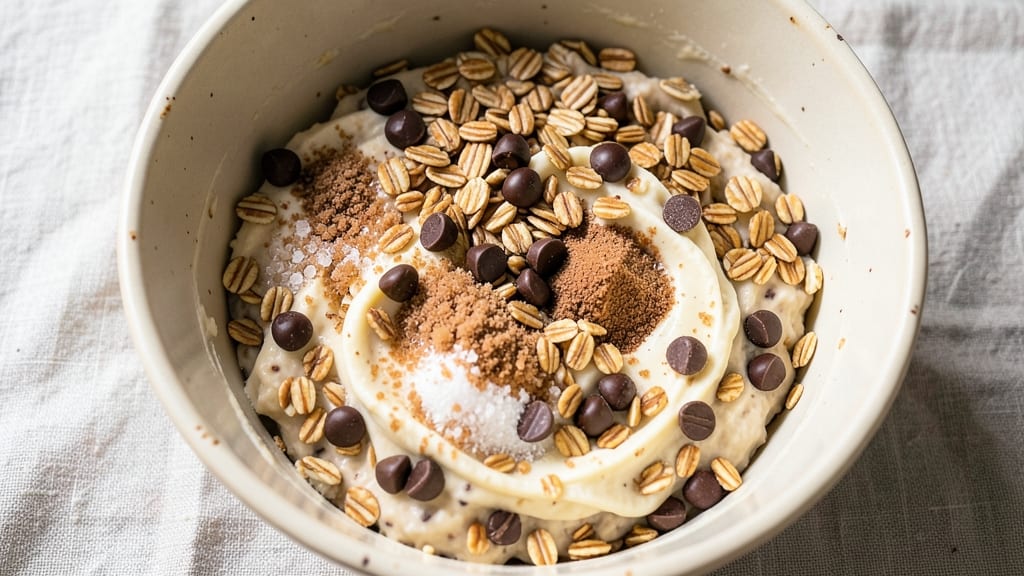
This basic oatmeal chocolate chip cookie recipe delivers the perfect balance of chewy centers and warm, spiced crunch—foolproof for home bakers. The secret lies in using rolled oats for texture and a classic creaming method that creates tender, flavorful cookies.
I've tested this recipe dozens of times, and it never fails to impress, whether you're baking for a crowd or satisfying a midnight craving.
What sets these cookies apart is the combination of brown sugar for caramel depth, cinnamon for warmth, and a touch of baking soda for that signature chewy texture. The dough comes together in just 10 minutes, then rests for 30 minutes—a crucial step that prevents excessive spreading.
This recipe also includes a shortcut: using rolled oats instead of quick oats saves time while adding that satisfying crunch.
By the time they emerge from the oven, you'll have golden-brown cookies with crisp edges and soft, gooey centers. The chocolate chips stay melty, and the oats add a delightful texture that keeps everyone reaching for seconds. These cookies reheat beautifully, making them perfect for meal prep or gifting.
Whether you're a beginner or an experienced baker, this recipe delivers restaurant-quality results with minimal effort. The best part? You can customize it with nuts, dried fruit, or even white chocolate. Let's get baking!
Ingredients for basic oatmeal chocolate chip cookie
Twelve simple ingredients transform into chewy, spiced cookies with melty chocolate centers—guaranteed to impress.
| Ingredient | Amount | Notes |
|---|---|---|
| Rolled Oats 🌾 | 3 cups | Uncooked, not instant |
| Unsalted Butter 🧈 | 1 cup | Cold, cubed for creaming |
| Packed Brown Sugar 🍯 | 1 ½ cups | Dark brown for caramel depth |
| Granulated Sugar 🍚 | ½ cup | For crisp edges |
| Large Eggs 🥚 | 2 whole | Room temperature |
| Vanilla Extract 🌿 | 2 tsp | Pure, not imitation |
| Ground Cinnamon 🌶️ | 1 ½ tsp | For warm spice |
| Baking Soda 🧪 | 1 tsp | For chewy texture |
| Salt 🧂 | ½ tsp | Kosher or sea salt |
| Semisweet Chocolate Chips 🍫 | 2 cups | Enjoy Life for allergy-free |
| Flour 🌾 | 1 ½ cups | All-purpose, sifted |
| Ground Flaxseed 🌱 | 1 tbsp | Optional for extra crunch |
The rolled oats are non-negotiable—they give that perfect crunch without turning to mush. Bob's Red Mill or Quaker Old Fashioned are my go-tos, but any rolled oats work. For the butter, grab Land O'Lakes unsalted from the dairy case—it's the most reliable for creaming. The brown sugar? Domino is my secret weapon for that perfect caramel depth. Sift your flour first—this prevents lumps and ensures even baking. Pro tip: measure your flour by spooning it into the cup and leveling with a knife, not scooping directly from the bag.
No vanilla extract? Vanilla bean paste works too—just use half the amount. Running low on chocolate chips? Chopped dark chocolate bars are a great swap. The cinnamon is where the magic happens—if you want extra warmth, add a pinch of nutmeg. For a nutty twist, fold in 1 cup chopped walnuts after mixing. And if you're gluten-free, swap the flour for a 1:1 gluten-free blend. The dough should be thick but manageable—if it feels too sticky, chill it for 10 minutes before scooping.
This dough keeps beautifully in the fridge for 5 days or freezes for 3 months—perfect for baking ahead. Scoop the dough into balls (about 1.5 tbsp each) and refrigerate for 30 minutes before baking to prevent spreading. Store baked cookies in an airtight container with a slice of bread to keep them soft. They reheat perfectly in the oven at 300°F for 5 minutes—just watch those chocolate chips! These cookies freeze well too—place them on a tray to harden, then transfer to a bag for up to 3 months.
Why You'll Love This Recipe
- Here’s what sold me: the rolled oats add that perfect texture—chewy, toasty edges that hold up even when you’re not in a rush to eat them. The brown sugar keeps them moist, while the butter? It’s the secret weapon for that melt-in-your-mouth richness. (Yes, even on a Tuesday night.)
- I’ll be real: this recipe uses stuff I already have. Rolled oats, butter, sugar, eggs—no specialty ingredients, no last-minute grocery runs. And because the dough’s so forgiving, I can tweak it (add peanut butter, swap in white chocolate) without derailing the whole thing. Budget win, flavor win.
Step-by-step instructions for oatmeal chocolate chip cookies
Here's how to make chewy, spiced cookies with perfect texture every time.
Cream Butter and Sugars Until Light and Fluffy
In a stand mixer fitted with the paddle attachment, beat the 1 cup unsalted butter (cold, cubed) with the 1.5 cups packed brown sugar and 0.5 cup granulated sugar on medium speed for 3-4 minutes. You're looking for a pale, fluffy texture that nearly doubles in volume. This creaming process incorporates air, which creates those signature crackly tops and helps the cookies spread just enough.
I like to scrape down the sides of the bowl with a silicone spatula every 30 seconds to ensure everything gets evenly incorporated. The mixture should look almost like whipped butter when you're done—this is your foundation for chewy cookies. Don't rush this step; under-creaming leads to dense, cakey results instead of that perfect oatmeal texture we're after.
Add Eggs, Vanilla, and Dry Ingredients
Add the 2 whole large eggs (room temperature) one at a time, mixing on low speed for 30 seconds after each addition. Then stir in the 2 teaspoons vanilla extract. The mixture might look slightly curdled, but that's normal—it will come together when you add the dry ingredients.
In a separate bowl, whisk together the 1.5 cups flour, 1 teaspoon baking soda, 0.5 teaspoon salt, 1.5 teaspoons ground cinnamon, and 1 tablespoon ground flaxseed. Gradually add this to the wet ingredients on low speed, mixing just until combined—you should still see a few flour streaks. Over-mixing develops gluten and makes cookies tough, so stop as soon as everything is evenly distributed.
Fold in Oats and Chocolate Chips
Remove the bowl from the mixer and gently fold in the 3 cups rolled oats and 2 cups semisweet chocolate chips using a silicone spatula. I like to do this by hand to ensure the oats and chocolate are evenly distributed throughout the dough. The dough will be thick and sticky—this is perfect for chewy cookies.
Here's the thing—don't be tempted to add extra flour to make the dough easier to handle. The texture is exactly what we want for those hearty, oatmeal-packed cookies. If the dough feels too sticky to scoop, chill it for 10 minutes before proceeding—this helps it firm up slightly without drying it out.
Chill the Dough for Perfect Texture
Cover the dough with plastic wrap and refrigerate for at least 1 hour (I prefer 2 hours or even overnight). This chilling step is non-negotiable—it solidifies the butter, which prevents the cookies from spreading too thin in the oven. It also allows the flour to fully hydrate, creating that ideal chewy texture we're after.
Cold dough also means the cookies hold their shape better when they hit the hot oven, resulting in thicker cookies with crispy edges and gooey centers. I know it seems counterintuitive to wait, but trust me—this step makes a MASSIVE difference in the final result. If you're in a hurry, you can freeze the dough in a log for up to 3 months and bake straight from frozen.
Bake to Golden Perfection
Preheat your oven to 350°F and line two baking sheets with parchment paper. Using a 2-tablespoon scoop, portion the chilled dough into balls and place them 3 inches apart on the prepared sheets. Flatten each ball slightly with your palm—just enough to create a ½-inch thick cookie.
Bake for 11-13 minutes until the edges are golden brown but the centers still look slightly underdone. They'll continue cooking on the hot pan after you remove them from the oven. Let them cool on the baking sheet for 5 minutes before transferring to a wire rack. The cookies should be soft in the center with crispy edges—this is the perfect texture for oatmeal chocolate chip cookies.
Pro Tips For Making Basic Oatmeal Chocolate Chip Cookie
- Pulse Oats Twice: Dump the rolled oats into the food processor and give them a quick pulse first—just until they’re roughly chopped but still retain some texture. Then pulse again with the butter after it melts. I learned this the hard way after ending up with a dense, brick-like cookie that tasted more like oatmeal than dessert.
- Brown the Butter First: Skip the melted butter shortcut and brown that butter instead—it adds a nutty depth that changes the whole cookie. Let it cool slightly before mixing, or you’ll scramble the eggs. Sounds weird, but it works: your cookies will taste richer with half the sugar.
- Chill the Dough: Resist the urge to bake immediately. Give the dough a solid 30 minutes in the fridge (or even overnight if you’re patient). This prevents flat, spread-out cookies and lets the oats soften properly—no more crunchy, undercooked centers.
- Use Cold Eggs: Pull the eggs straight from the fridge—cold eggs create air pockets that help cookies rise. If your dough feels too sticky, let it sit at room temp for 10 minutes before scooping, but don’t skip the chill step after. Trust me, your cookies will thank you.
Serving suggestions for this recipe
Warm Milk Pairing
Serve these cookies with a warm cup of whole milk or half-and-half to enhance their buttery, caramelized flavors. The warmth of the milk complements the cinnamon and chocolate perfectly, creating a comforting treat.
I like to pour 1 cup of milk into a mug, heat it in the microwave for 45 seconds, then add a splash of vanilla extract for extra depth. 🥛
Ice Cream Sandwiches
Turn these cookies into ice cream sandwiches by pairing them with vanilla bean ice cream or chocolate chip cookie dough ice cream. Use two cookies per sandwich and press them gently around a scoop of ice cream.
For extra indulgence, drizzle with melted chocolate or caramel sauce. Store in an airtight container for up to 2 days in the freezer. 🍦
Coffee or Tea Companion
These cookies are ideal for pairing with black coffee or herbal tea—the cinnamon and chocolate balance the bitterness beautifully. For a festive touch, sprinkle the cookies with powdered sugar before serving.
I often brew a dark roast coffee and serve it alongside these cookies for a cozy afternoon treat. ☕
Gift-Worthy Presentation
Package cookies in clear cellophane bags tied with ribbon for a thoughtful gift. Add a small handwritten note or a mini jar of vanilla extract for a personalized touch.
For extra flair, arrange them on a wooden board with a sprinkle of cinnamon on top. These make perfect gifts for teachers, neighbors, or coworkers. 🎁
Breakfast or Brunch Side
Serve warm cookies alongside Greek yogurt or oatmeal for a sweet breakfast twist. The oats in the cookies pair naturally with the oatmeal, creating a hearty morning meal.
For a savory contrast, offer a side of sharp cheddar cheese or apple slices. This combo is especially great for weekend brunches. 🍎
Dessert Board Display
Arrange cookies on a charcuterie board alongside other treats like chocolate-covered strawberries, nuts, and cheese cubes. The warm spices in the cookies contrast beautifully with the sweet and savory elements.
Use a wooden board or marble slab for an elegant presentation. This setup is perfect for holiday gatherings or dinner parties. 🧀
Nutrition facts
Frequently asked questions
Why do I need to chill the dough?
Chilling the dough for at least 1 hour (or up to 24 hours) is crucial for two reasons: it prevents excessive spreading in the oven and develops that perfect chewy texture. The cold butter solidifies, which helps the cookies maintain their shape while baking. Plus, it gives the flour time to fully hydrate, resulting in a tender, hearty cookie with crisp edges and a soft center. Skipping this step often leads to flat, cakey cookies instead of the rich, oatmeal-packed treats you want!
Can I substitute quick oats for rolled oats?
While quick oats will work, they'll give your cookies a mushier texture since they absorb more liquid. Rolled oats provide that satisfying crunch and hold their shape better during baking. If you're in a pinch, you can use quick oats, but toast them in a dry pan for 2-3 minutes first to add back some texture. For the best results, stick with rolled oats—they're worth the extra effort!
How do I prevent my cookies from spreading too much?
Over-spreading usually happens when the dough is too warm or the butter isn't fully chilled. Always use cold butter (straight from the fridge) and refrigerate the dough for at least 1 hour before baking. Another trick: flatten the dough balls slightly with your palm before baking to create ½-inch thick cookies. Baking at 350°F (not higher) also helps maintain shape. If they still spread too much, your oven runs hot—try baking at 325°F instead.
Can I make these cookies gluten-free?
Yes! Replace the all-purpose flour with a 1:1 gluten-free flour blend (like Bob's Red Mill or King Arthur). You may need to add ½ teaspoon xanthan gum if your blend doesn't contain it, as it helps bind the cookies. Keep all other ingredients the same, but expect slightly more variation in texture—gluten-free cookies tend to be denser. Test with half the batch first to adjust as needed.
Why did my cookies turn out cakey instead of chewy?
Cakey cookies usually result from over-mixing the dough or under-creaming the butter and sugar.