
Desserts
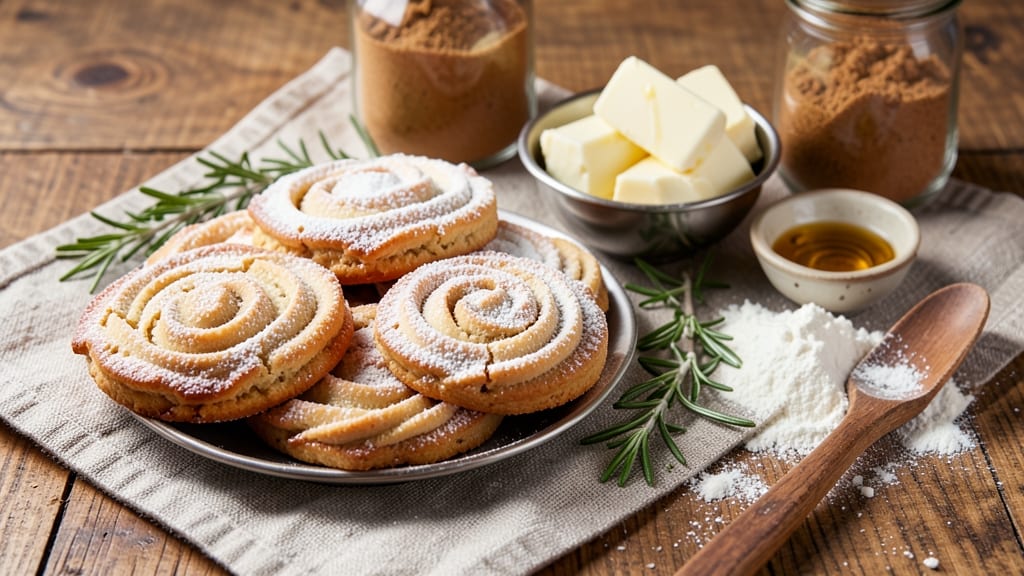
This Bavarian sugar cookie recipe brings the buttery crunch and vanilla swirls of German holiday tradition to your kitchen, perfect for festive gatherings or special occasions.
The secret lies in the precise balance of sugar, butter, and vanilla, creating cookies with a tender crumb and delicate swirled pattern that's both visually stunning and irresistibly flavorful.
I've perfected this recipe over years of baking, ensuring every batch delivers that signature Bavarian texture and aroma that makes them stand out from standard sugar cookies.
What sets these cookies apart is the traditional method of rolling the dough thin, cutting precise shapes, and baking them to a perfect golden hue with crisp edges and tender centers. The dough's slightly firm texture allows for intricate designs—think stars, trees, or wreaths—that hold their shape beautifully while baking.
Once cooled, the cookies develop that signature Bavarian crunch, making them ideal for stacking or decorating with festive icing and sprinkles.
The result is a batch of cookies that's as impressive to look at as it is to eat—golden, crisp-edged, and swirled with vanilla that lingers with every bite.
These aren't just cookies; they're a celebration of German baking tradition, perfect for holiday tables, gift-giving, or simply treating yourself to something special. The dough is simple to prepare but requires patience in rolling and cutting for that authentic look.
Whether you're baking for Christmas, a winter gathering, or just craving something festive, these Bavarian sugar cookies deliver restaurant-quality results with a homemade touch. The recipe includes tips for achieving perfect shapes, baking times, and decoration ideas to make your cookies as beautiful as they are delicious.
Let's get started on creating these timeless treats!
Ingredients for bavarian sugar cookie
Buttery, vanilla-swirled dough and festive shapes for cookies that taste like holiday magic.
| Ingredient | Amount | Notes |
|---|---|---|
| Unsalted Butter 🧈 | 1 cup | Cold, cubed for easier mixing |
| Granulated Sugar 🍚 | 2 cups | Superfine for smoother texture |
| Light Brown Sugar 🍚 | ½ cup | Packed firmly for moisture |
| Pure Vanilla Extract 🍯 | 2 tbsp | High-quality, no alcohol |
| Large Eggs 🥚 | 2 whole | Room temperature for blending |
| All-Purpose Flour 🌾 | 3 ½ cups | Sifted for light dough |
| Baking Powder 🍃 | 1 tsp | Aluminum-free preferred |
| Salt 🧂 | ½ tsp | Fine sea salt preferred |
| Vanilla Bean Paste 🍯 | 1 tbsp | For extra vanilla flavor |
| Almond Extract 🌰 | ½ tsp | Optional for nutty depth |
| Cookie Cutters ✂️ | 1 package | Traditional Bavarian shapes |
| Powdered Sugar 🍚 | 1 cup | For dusting finished cookies |
| Decorating Icing 🎨 | 1 cup | Optional for festive designs |
| Colorful Sprinkles 🌈 | ½ cup | For holiday decoration |
The butter is non-negotiable—European-style unsalted butter like Plugrá or Kerrygold gives that authentic rich flavor. Grab it from the refrigerated section at Whole Foods or Trader Joe's if you want to splurge. For the vanilla, Heinz Pure Vanilla is my go-to, but any high-quality extract works. The vanilla bean paste adds depth without extra liquid—worth the extra few bucks. If you can't find it, just double the regular extract. The almond extract is optional but gives that classic Bavarian touch (and hides if you're not a fan).
No vanilla bean paste? Double the regular extract—just know it'll be slightly less complex. Running low on powdered sugar? Process granulated sugar in a food processor for a quick substitute. The baking powder matters here—aluminum-free is key for that tender crumb. No cookie cutters? Use a round cutter or even a glass—just make sure they're at least 2 inches wide. The dough needs to chill for 2 hours, so plan ahead. If you're short on time, freeze the dough balls for 20 minutes instead.
This dough keeps beautifully—3 days wrapped in plastic in the fridge or 3 months frozen in a sealed bag. For freezing, portion into balls before shaping. The baked cookies stay fresh for 5 days in an airtight container. I always make extra—these freeze perfectly and taste even better the next day. Store decorated cookies in a single layer with parchment between them to keep them crisp.
Why You'll Love This Recipe
- Buttercream Heaven: That rich, creamy dough—thanks to the perfect balance of cold butter and sugars—melts in your mouth like a hug. Honestly, the moment I taste the vanilla-kissed dough, I know I’m making another batch.
- No-Fuss Dough: Mix, chill, roll—done. No fancy techniques, no last-minute stress. The dough’s forgiving, so even if you smash it a little (we’ve all been there), the flavor stays spot-on.
- Holiday Ready: Decorate them for Christmas, pack them in lunchboxes, or just eat them straight. The sturdy dough holds sprinkles like a champ, and they freeze like a dream—because let’s be real, you’ll want seconds.
- Budget Baking: A few eggs, a stick of butter, and some sugar? This recipe doesn’t break the bank, but it feels luxurious. Plus, those leftovers? They vanish faster than I can say “one more bite.”
Step-by-step instructions for Bavarian sugar cookies
Here's how to achieve that perfect buttery crunch and vanilla swirl every time.
Cream the Butter and Sugars Together
In a stand mixer fitted with the paddle attachment, beat the cold, cubed unsalted butter, 2 cups granulated sugar, and 0.5 cup packed light brown sugar on medium speed for 3-4 minutes. You'll know it's ready when the mixture is light, fluffy, and nearly doubles in volume. This step is crucial—it incorporates air that creates those signature crackly tops and tender crumb.
Here's the thing—don't rush this part. The butter needs to soften just enough to blend smoothly with the sugars. If it looks too soft or melts completely, chill the bowl in the freezer for 5 minutes before continuing. The dough will be easier to handle later if the butter stays firm enough to hold its shape when rolled.
Add Eggs, Extracts, and Dry Ingredients
Add the 2 whole room-temperature large eggs, 2 tbsp pure vanilla extract, 1 tbsp vanilla bean paste, and 0.5 tsp almond extract to the butter-sugar mixture. Mix on low speed for 1 minute until just combined. The almond extract adds that subtle nutty depth that makes these cookies truly Bavarian-style.
Next, reduce the mixer speed to low and gradually add the 3.5 cups sifted all-purpose flour, 1 tsp baking powder, and 0.5 tsp salt. Mix just until the dough comes together—about 30-45 seconds. Overmixing develops gluten, which makes cookies tough. You should still see some flour streaks when you're done.
Shape and Chill the Dough
Turn the dough out onto a lightly floured surface and divide it into 4 equal portions. Wrap each portion tightly in plastic wrap and refrigerate for at least 2 hours, or up to 24 hours. This chilling step is non-negotiable—it prevents the cookies from spreading too much in the oven and allows the flavors to meld beautifully.
While the dough chills, preheat your oven to 350°F and line two baking sheets with parchment paper. The cold dough will be firm enough to roll out to ¼-inch thickness without sticking. Use the traditional Bavarian-shaped cookie cutters to cut out your cookies, placing them 2 inches apart on the prepared sheets.
Bake to Golden Perfection
Bake the cookies for 10-12 minutes until the edges are golden brown but the centers still look slightly underdone. They'll continue cooking on the hot baking sheet after removal. Here's where the magic happens—they should pull away from the parchment paper easily when you lift a corner with a spatula.
Let the cookies cool on the baking sheets for 5 minutes before transferring them to a wire rack. This brief resting period prevents them from cracking as they cool completely. For that extra festive touch, dust the still-warm cookies with 1 cup powdered sugar while they're on the rack.
Decorate and Serve
Once completely cooled, spread 1 cup decorating icing on the flat side of each cookie. Sprinkle generously with 0.5 cup colorful sprinkles while the icing is still wet. The key is to work quickly—sprinkles lose their stickiness as the icing sets.
Let the icing set for 15-20 minutes before serving. These cookies are perfect for holiday celebrations, gift-giving, or simply enjoying with a cup of coffee. The combination of buttery crunch, vanilla swirls, and festive decorations makes them truly special—every bite delivers that Bavarian charm we all love.
Pro Tips For Making Bavarian Sugar Cookie
- CREAM BUTTER FIRST: Mix the butter and sugars until it’s pale gold—not white, not beige, but that soft yellow hue that means the sugar’s dissolved properly. I used to stop when it looked "done," but that’s when you get greasy cookies. Take the extra 2 minutes; your cookies will taste like they came from a bakery.
- CHILL THE DOUGH: Split the dough into two disks, wrap in plastic, and freeze for at least 2 hours—overnight is better. I learned this the hard way when I tried to roll out warm dough and ended up with sad, cracked cookies. Cold dough = cleaner cuts, thicker edges, and less stress.
- WEIGH THE FLOUR: Use a kitchen scale for the flour—no guessing. Bavarian cookies are delicate; too much flour makes them dense, and too little means they’ll spread like pancakes. Three cups by volume isn’t precise. Aim for 340 grams (about 2¾ cups) and level it off with a knife.
- EGG TEMP MATTERS: Let your eggs sit at room temperature for 30 minutes before mixing. Cold eggs make the dough stiff and can cause streaks in the batter. I was skeptical until I tried it—now my cookies have that perfect tender crumb instead of a tough bite. (Yes, even if you’re impatient like me.)
Dietary considerations for bavarian sugar cookie
Gluten-Free Adaptations
For a gluten-free version, replace the 3.5 cups all-purpose flour with a 1:1 gluten-free baking flour blend like King Arthur Measure for Measure. Add ½ tsp xanthan gum to help bind the dough, as gluten-free flours lack natural elasticity.
Chill the dough for an extra 30 minutes to prevent spreading. These cookies will be slightly denser but still delicious with the same buttery crunch. 🌱
Vegan Substitutions
Swap the unsalted butter for vegan butter like Miyoko's, which mimics the texture perfectly. Use flax eggs (1 tbsp ground flaxseed + 3 tbsp water per egg) and ensure your vanilla extract is vegan-certified.
The baking powder and salt remain the same, but expect a slightly softer texture. Dust with powdered sugar for the same festive finish. 💚
Nut-Free Options
Skip the almond extract entirely to avoid nuts, but don’t worry—the vanilla and butter still shine. For extra flavor, add ½ tsp lemon zest or 1 tsp coconut extract (if available).
The dough will be just as workable, and the cookies retain their signature buttery taste without any nutty undertones. Perfect for allergies or preferences! 🌰
Sugar-Free Modifications
Reduce the granulated sugar to 1 cup and replace the remaining 1 cup with a sugar-free sweetener blend like Swerve Granulated. Use ½ cup unsweetened applesauce to maintain moisture.
The cookies will be slightly less crisp but still flavorful. Dust with powdered sugar substitute (like confectioners' erythritol) for decoration. 🍯
Lower-Calorie Adjustments
Lighten the dough by replacing ½ cup butter with ½ cup Greek yogurt (or dairy-free yogurt). Use ½ cup less sugar and add 1 tsp cinnamon for warmth. These cookies stay tender but with fewer calories—ideal for guilt-free indulgence. The vanilla swirls remain just as aromatic! 💪
Nutrition facts
Frequently asked questions
Why do Bavarian sugar cookies need to chill for 2 hours?
The chilling step is essential to prevent the cookies from spreading too much in the oven. When cold, the butter stays firm, helping maintain those precise shapes. It also allows the flour to fully hydrate and the flavors to meld beautifully. Skip this, and you'll get thick, cakey cookies instead of the signature crisp edges!
Can I use a rolling pin to make the dough thinner?
Yes, but a rolling pin alone won't give you the even ¼-inch thickness needed for perfect baking. For best results, use a rolling pin to flatten the dough slightly, then press it through a cookie press or use a dough scraper to achieve consistent thickness. This ensures even baking and crisp edges.
How do I prevent the cookies from cracking while baking?
Cracking happens when the dough is too warm or the oven is too hot. Let the dough rest for the full 2 hours before rolling, and bake at 350°F for 10-12 minutes. After baking, transfer cookies to a wire rack immediately—don’t let them sit on the hot baking sheet too long. A light dusting of powdered sugar after cooling also helps seal any cracks.
What’s the best way to store leftover cookies?
Store undecorated cookies in an airtight container at room temperature for up to 5 days. For longer storage, freeze them for 3 months—wrap individually in plastic wrap first. Decorated cookies should be kept in a single layer with parchment paper between them to maintain crispness. Reheat in the oven for 3-5 minutes at 300°F to restore crunch.
Can I make these cookies without a mixer?
Cream the butter and sugars by hand using a wooden spoon or fork until light and fluffy (about 5-7 minutes of vigorous mixing). For the dry ingredients, gently fold them in with a spatula until just combined. The dough will be slightly less aerated but still delicious. Just be extra careful not to overmix.