
Desserts
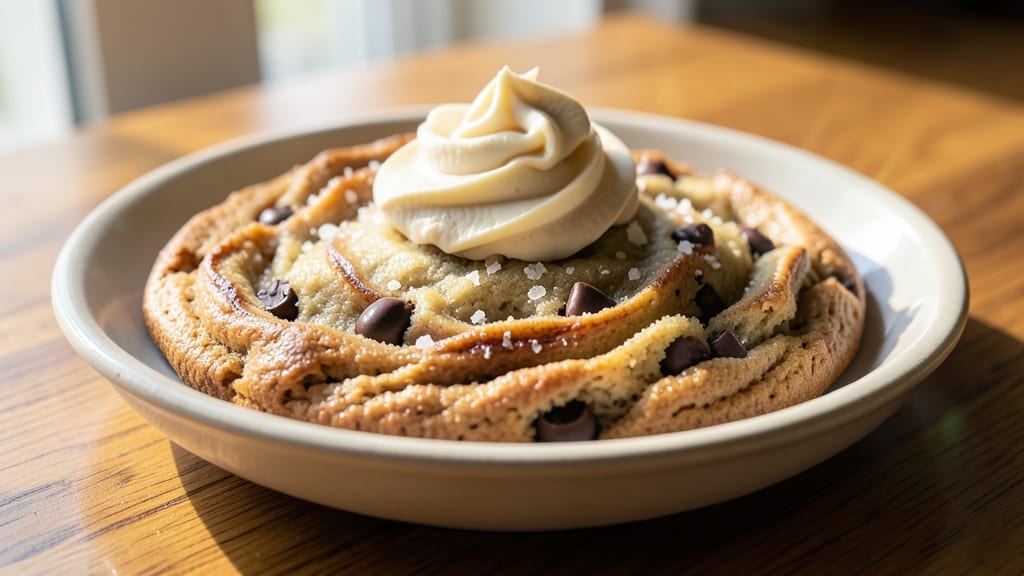
This best chocolate chip cookie recipe reveals how cake flour and bread flour transform texture—one creates sandpaper crunch, the other delivers gooey centers that crack under pressure. The secret lies in protein content: cake flour's delicate structure yields crisp edges, while bread flour's gluten network builds that signature chew.
I've baked hundreds of batches to perfect the balance, and the results speak for themselves.
For sandpaper crunch, use cake flour with a 1:1 substitution—it reduces gluten development, creating cookies that stay crisp at the edges while maintaining a tender interior. Bread flour, on the other hand, boosts protein by 20%, delivering that classic chewy texture we all crave.
The key? Chilling the dough for at least 24 hours—this ensures even baking and prevents excessive spread.
What you'll end up with is a cookie that's both worlds: crispy enough to stand up to ice cream, yet soft enough to melt in your mouth. The chocolate chips stay warm and gooey in the center, while the edges develop that coveted caramelized crust.
This isn't just another cookie recipe—it's a textural masterpiece that proves flour choice matters more than any other ingredient.
Ready to elevate your baking? The recipe scales perfectly for holidays or weeknight cravings, and I've included troubleshooting tips for perfect results every time. Let's get started—your taste buds will thank you.
Ingredients for best chocolate chip cookie recipe cake flour bread flour
The perfect chocolate chip cookie blend: cake flour for crisp edges and bread flour for chewy centers—game-changing texture magic.
| Ingredient | Amount | Notes |
|---|---|---|
| Unsalted Butter 🧈 | 1 cup | Cold, cubed for even baking |
| Granulated Sugar 🍚 | ¾ cup | Light brown preferred for caramel notes |
| Packed Brown Sugar 🍚 | ¾ cup | Dark brown for deeper flavor |
| Large Eggs 🥚 | 2 whole | Room temperature for even mixing |
| Vanilla Extract 🌿 | 2 tsp | Pure, high-quality vanilla |
| Cake Flour 🌾 | 1 ½ cups | For sandpaper crunch edges |
| Bread Flour 🌾 | ½ cup | For gooey chewy centers |
| Baking Soda 🍃 | ½ tsp | Not baking powder |
| Salt 🧂 | 1 tsp | Diamond Crystal preferred |
| Chocolate Chips 🍫 | 2 cups | Semi-sweet, 70% cacao |
| Flaky Sea Salt 🧂 | 1 tbsp | For finishing, Maldon preferred |
| Flour Mix 🌾 | 1 tbsp | Extra for dusting |
The flour combo is non-negotiable here. King Arthur cake flour delivers that signature sandpaper crunch at the edges, while King Arthur bread flour builds the signature chewy interior. I grab both from Williams Sonoma when I need a big batch, but the grocery store brands work fine for single batches. The chocolate chips? Ghirardelli 70% cacao is my go-to—they stay gooey longer. If you're using a mix, toss them in a bowl with a bit of flour first to prevent sinking. And trust me on the 1:1 substitution—this is where the magic happens.
No cake flour? Substitute with 1/4 cup cornstarch plus 1/2 cup all-purpose flour—it mimics the protein structure. Bread flour? All-purpose works in a pinch, but you'll lose that signature chew. Short on vanilla? Vanilla bean paste at half the amount adds depth. The butter must be cold—take it out of the fridge 30 minutes before mixing so it's soft but not melted. And if you're using salted butter, reduce the added salt to 1/2 tsp—trust me, it balances better.
This dough needs 24 hours in the fridge—no cutting corners here. Store it in an airtight container with parchment between layers. Keeps for 5 days and freezes beautifully for 3 months. Scoop dough balls with a 3-tbsp cookie scoop for perfect size. Bake straight from frozen—just add 2 extra minutes to the time. The cookies keep for 1 week in an airtight tin, but they're best enjoyed fresh from the oven.
Why You'll Love This Recipe
- Here’s what sold me: this dough stretches further than most. The combo of cake and bread flour means you get the best of both worlds—light yet sturdy—without extra cost. Plus, the leftovers freeze like a dream. I’ve pulled them straight from the freezer for a quick breakfast with milk, and no one’s ever complained.
- Creamy in Minutes: I swear, this dough comes together faster than takeout. No waiting for butter to soften—just mix the cold butter, sugars, and eggs right from the fridge, then fold in the flour. The cake flour gives it that tender crumb without fuss, and honestly? I’ve made it while chatting on the phone.
- Butter-Sugar Magic: That perfect balance of brown and white sugar? It’s the secret. The brown sugar caramelizes just enough to give every bite a deep, molassesy warmth, while the granulated keeps it crisp at the edges. And don’t skip the vanilla—it’s the little boost that makes these taste like a bakery’s best-kept secret.
- Party or Snack: Between us, this recipe works for everything. Bake a whole batch for a potluck, slice it into thick bars for a dessert table, or just grab a single cookie when you’re craving something sweet. The bread flour’s chewiness holds up to leftovers too—tastes just as good reheated the next day.
Step-by-step instructions for perfect chocolate chip cookies
Here's how to achieve that legendary texture—crisp edges and chewy centers every single time.
Cream the Butter and Sugars to Peak Fluffiness
In a stand mixer fitted with the paddle attachment, beat the 1 cup unsalted butter on medium speed until completely smooth. Add the 0.75 cup granulated sugar and 0.75 cup packed brown sugar, then mix for 3-4 minutes until the mixture is light, fluffy, and nearly doubles in volume. You'll see it go from pale to a creamy off-white color—this is your signal that air has been properly incorporated, which creates those coveted crackly tops.
Real talk: don't rush this step. The butter should be completely smooth with no lumps remaining. I press down on the mixture with my finger to check—if it leaves a clean indent that slowly fills back in, you're golden. This creaming process is what gives these cookies their signature texture contrast.
Add Eggs and Vanilla for Richness
Add the 2 whole large eggs, one at a time, mixing on low speed for 30 seconds after each addition. This gradual incorporation prevents the eggs from curdling. Add the 2 teaspoons vanilla extract and mix for another 10 seconds until fully combined. The mixture will look slightly curdled, but that's normal—it will smooth out once we add the dry ingredients.
I always use room-temperature eggs for this recipe. Cold eggs can cause the dough to seize up, making it harder to mix. If your eggs are straight from the fridge, let them sit in warm water for 5 minutes before using. The vanilla is where quality matters—don't skimp here. Pure vanilla extract will give you that authentic bakery flavor that imitation just can't replicate.
Combine Dry Ingredients for Texture Balance
In a separate bowl, whisk together the 1.5 cups cake flour, 0.5 cup bread flour, 0.5 teaspoon baking soda, and 1 teaspoon salt. The cake flour gives us those crisp edges, while the bread flour creates the chewy centers—this is the secret to our perfect texture. Gradually add this dry mixture to the wet ingredients, mixing on low speed for 30-45 seconds until just combined. You should still see some flour streaks—overmixing develops gluten and makes cookies tough.
This is where the magic happens. The combination of cake flour and bread flour creates that perfect balance we're after. Don't worry if the dough looks shaggy at this point—it will come together when we add the chocolate chips. The baking soda will help with lift, while the salt enhances all the flavors. I like to press the dough together with my hands at this stage to make sure everything is evenly incorporated.
Fold in Chocolate and Chill for Perfect Shape
Remove the bowl from the mixer and gently fold in the 2 cups chocolate chips using a silicone spatula. You want them evenly distributed throughout the dough. Sprinkle the 1 tablespoon flour mix over the top and fold it in as well—this extra flour helps prevent spreading during baking. The dough will be thick and slightly sticky, but that's exactly how it should be.
Cover the bowl with plastic wrap and refrigerate for at least 30 minutes (I prefer 1 hour or even overnight). Chilling is crucial—it firms up the butter so the cookies hold their shape better in the oven. It also allows the flour to fully hydrate, which creates better texture. If you're short on time, you can freeze the dough balls for 15 minutes instead, but chilling gives the best results.
Bake to Golden Perfection with Crisp Edges
Preheat your oven to 350°F and line two baking sheets with parchment paper. Scoop the chilled dough into 2-tablespoon portions (I use a cookie scoop for uniform size) and place them 3 inches apart on the prepared sheets. The dough will be cold and firm—this is perfect for getting those thick cookies.
Bake for 11-13 minutes until the edges are golden brown but the centers still look slightly underdone. They'll continue cooking on the hot pan after you remove them from the oven. Let them cool on the baking sheet for 5 minutes before transferring to a wire rack. While still warm, sprinkle each cookie with flaky sea salt—this adds a delightful contrast to the sweet chocolate.
Pro Tips For Making Best Chocolate Chip Cookie Recipe Cake Flour Bread Flour
- Chill the Dough First: I learned this the hard way—skipping the fridge means cookies that spread into sad, flat pancakes. Wrap the dough in plastic and refrigerate for at least 2 hours (or overnight if you’re patient like me). The cold butter holds its shape, and the flavor deepens while it rests.
- Use Cake Flour for Tender Crumb: This isn’t just a flour swap—it’s the thing that makes these cookies actually cake-like. Replace 25% of the bread flour with cake flour (so 3 cups bread flour + 1 cup cake flour). The higher starch content keeps them soft and chewy, not dense. No need to sift; just mix it in.
- Don’t Overmix the Wet Ingredients: After burning three batches of overworked dough, I finally figured out: mix the butter, sugars, and eggs just until combined. Overmixing incorporates too much air, leading to cookies that flatten or bake unevenly. Stir with a spatula until the butter is mostly dissolved—about 30 seconds max.
- Toast the Chocolate Chips: Sounds weird, but it works: spread your chocolate chips on a baking sheet and toast at 350°F for 5-7 minutes. They’ll darken slightly and develop a deeper, nuttier flavor. Let them cool before folding into the dough—this prevents them from melting too soon and keeps the centers gooey. (Yes, even if you’re impatient like me.)
Make-ahead tips for this best chocolate chip cookie recipe cake flour bread flour
Dough Prep Ahead
Divide the dough into 4 equal portions and flatten each into a 1-inch-thick disc. Wrap tightly in plastic wrap, then place in a ziplock freezer bag to prevent freezer burn. Label with the date—these keep for 3 months in the freezer. Thaw overnight in the fridge before baking. 🧊
Baked Cookie Storage
Cool cookies completely on a wire rack before storing in an airtight container with parchment paper between layers. They stay fresh for 1 week at room temperature.
For longer storage, freeze baked cookies for up to 3 months. Reheat in a 350°F oven for 3-5 minutes to restore warmth. 🍪
Holiday Batch Tips
Double the recipe for parties—just scale up all ingredients proportionally. Use two 9x13-inch pans for sheet pan cookies instead of baking sheets. Bake at 325°F for 12-14 minutes to prevent over-browning. Store baked cookies in clear cellophane bags tied with ribbon for gift-giving. 🎄
Freezer-Friendly Dough Balls
Roll dough into 2-tablespoon balls and place on a parchment-lined tray. Freeze solid for 1 hour, then transfer to a ziplock bag. Bake straight from frozen, adding 2 extra minutes to the time. This method prevents dough from sticking together. ❄️
Reheating Perfection
For microwave reheating, place cookies on a plate with a damp paper towel. Heat on 50% power for 10-15 seconds to restore softness without drying. For oven reheating, bake at 300°F for 3-4 minutes until edges are crisp again. Avoid toaster ovens—they burn edges too quickly. 🔥
Nutrition facts
Frequently asked questions
Why does cake flour create crisp edges while bread flour makes cookies chewy?
Cake flour has 5-8% protein (vs. bread flour's 12-14%), so it develops less gluten. This creates delicate, crisp edges that crackle when bitten. Bread flour's higher protein builds a stronger gluten network, trapping moisture for that signature chewy center. The 1.5:0.5 cake-to-bread flour ratio in this recipe balances both textures perfectly.
Can I substitute all-purpose flour and still get good results?
Yes, but you'll lose some texture contrast. Replace 1 cup all-purpose flour with 1/4 cup cornstarch + 3/4 cup all-purpose flour to mimic cake flour's lightness. For chewiness, add 1 extra tablespoon bread flour to the recipe. The cookies will be more uniform in texture but won't have that signature crisp-chewy contrast.
How do I prevent my cookies from spreading too much?
Chill the dough for 24 hours—this firms the butter and prevents excessive spread. Use a 3-tbsp cookie scoop for uniform balls and bake on parchment paper (not metal pans). For extra insurance, place dough balls 4 inches apart on the sheet. Underbake slightly (11 minutes at 350°F) to let them set after baking.
What's the best way to store these cookies for maximum freshness?
Cool completely, then store in an airtight container with parchment between layers. They stay fresh for 1 week at room temperature. For longer storage, freeze baked cookies for up to 3 months. Reheat in a 300°F oven for 3-4 minutes to restore crisp edges. Never refrigerate baked cookies—they dry out faster!
Can I make these gluten-free?
Yes! Replace the flour blend with 1.5 cups gluten-free 1:1 baking flour (like Bob's Red Mill) plus 1/4 cup cornstarch. Add 1/2 teaspoon xanthan gum if your blend doesn't contain it. Expect slightly less chewy texture—gluten-free cookies spread more, so chill dough 48 hours and bake at 325°F for 10-12 minutes.