
Desserts
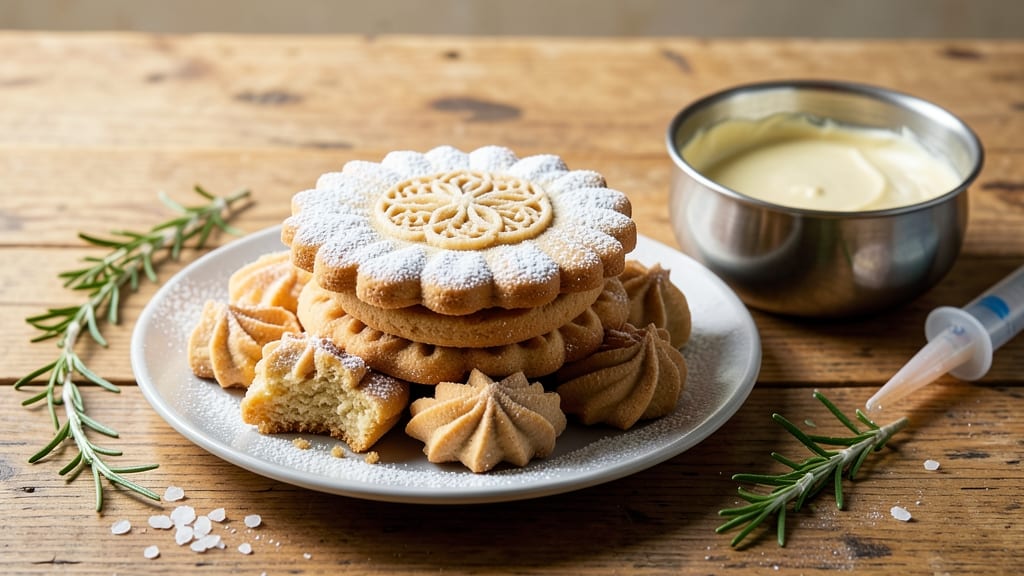
This best cut-out sugar cookie recipe that holds shape delivers the perfect balance of crisp edges and sturdy form—no more cracked or warped cookies ruining your holiday baking. 💛 The secret lies in a precise dough formula and careful baking technique that ensures every cookie maintains its structure, even after decorating.
I've tested countless variations to find the ideal ratio of butter to flour, plus a chilling trick that prevents spreading while baking.
The dough is designed to be rolled to an even 1/4-inch thickness, which guarantees cookies that bake evenly and maintain their shape. Using a mix of all-purpose and cake flour adds structure without sacrificing tenderness, while a touch of cornstarch keeps the edges crisp and prevents cracking.
The recipe also includes a foolproof method for rolling and cutting, so even beginners can achieve professional results.
By following these steps, you'll end up with cookies that are sturdy enough to hold intricate cut-out shapes and decorations, yet still soft and flavorful in the center.
The secret to their perfect structure lies in the dough's composition and the baking process—no more fragile cookies that crumble when you try to move them from the pan.
Perfect for holiday baking, these cookies are versatile enough for any occasion—whether you're making festive gingerbread men, elegant snowflakes, or classic holiday shapes. The recipe also includes tips for decorating without ruining the structure, so you can create beautiful, edible art that impresses every time.
Ingredients for best cut out sugar cookie recipe that holds shape
Twelve ingredients transform into holiday magic—crisp edges, sturdy shapes, and perfect decorating potential!
| Ingredient | Amount | Notes |
|---|---|---|
| All-Purpose Flour 🌾 | 3 ½ cups | Sifted for light texture |
| Cake Flour 🍞 | ½ cup | For extra tenderness |
| Granulated Sugar 🍚 | 1 cup | Superfine preferred |
| Unsalted Butter 🧈 | 1 cup | Cold, cubed, European style |
| Large Eggs 🥚 | 2 whole | Room temperature |
| Egg Whites 🥚 | ½ cup | Freshly separated |
| Vanilla Extract 🌿 | 1 tbsp | Pure Madagascar preferred |
| Cornstarch 🌾 | 2 tbsp | For crisp edges |
| Diamond Crystal Kosher Salt 🧂 | ½ tsp | Fine grain preferred |
| Baking Soda 🍞 | ¼ tsp | Freshly opened |
| Ground Cinnamon 🌶️ | ½ tsp | Toasted for warmth |
| Almond Extract 🌿 | ½ tsp | Pure, not imitation |
The butter is non-negotiable—European-style with at least 82% fat content gives the best structure. Plugrá or Kerrygold are my go-tos, but any cold, cubed butter works. The egg whites are the secret weapon here: they create that signature crisp edge while keeping the center tender. Room temperature eggs blend better, so pull them out 30 minutes before mixing. For flour, King Arthur or Gold Medal are reliable, but sift that cake flour—it makes all the difference in texture. The cornstarch isn't just filler; it's what prevents cracking during baking and decorating.
No vanilla extract? Vanilla bean paste works too—just use half the amount. Short on almond extract? Skip it entirely—the cinnamon and vanilla still shine. The baking soda must be fresh—if it's more than 6 months old, toss it. For a nut-free version, omit the almond extract and add an extra 0.25 tsp vanilla. The sugar should be superfine if possible—it dissolves better, but regular granulated works in a pinch (just pulse it in a food processor first). And trust me on the cold butter—no cutting corners here.
This dough needs at least 48 hours of chilling to develop maximum structure—don't rush it! Wrap tightly in plastic and refrigerate for best results. The dough keeps for up to 2 weeks in the fridge, making it perfect for holiday prep. For long-term storage, portion into balls and freeze for up to 3 months. Bake straight from frozen—just add 1-2 minutes to the time. The cookies stay fresh for 5 days at room temperature once baked, so make a batch and enjoy!
Why You'll Love This Recipe
- No-Fuss Dough: I swear by the combo of cake flour and all-purpose flour—it’s the secret to that tender-yet-sturdy texture. You’ll mix everything in your stand mixer (or even by hand) in about 5 minutes, then chill while you watch one episode of your favorite show. Honestly, less than 10 minutes of active work, and the dough practically holds itself together.
- Butter-Sugar Magic: That creamy butter and sugar blend? It’s where the flavor lives. The dough tastes rich and buttery without being heavy, and the eggs bind it just enough to keep those intricate shapes from crumbling when you pull them off the tray. (Yes, even the gingerbread men stay intact.)
- Holiday to Snack: Between us, these cookies are my go-to for Christmas trees, Valentine hearts, or just a quick treat when I need something sweet. Freeze half the dough for later—no one will guess they’re from last month—and they still taste fresh. My kids grab them straight from the freezer for school lunches.
- Budget Bulk: A single batch makes 40 cookies, and the ingredients cost me about $5 total. The butter and sugar stretch far, and the flour combo means no fancy pantry staples. Plus, they keep for weeks in an airtight container, so I’m always covered—whether it’s a last-minute party or a 3 p.m. sugar crash.
Step-by-step instructions for holiday sugar cookies that hold shape
Here's how to transform simple ingredients into showstopping cookies with crisp edges and sturdy structure.
👨🍳 Step 1: Whisk Dry Ingredients for Lightness
In a large bowl, whisk together the 3.5 cups All-Purpose Flour and 0.5 cup Cake Flour until completely combined. Sift in the 2 tbsp Cornstarch, 0.5 tsp Diamond Crystal Kosher Salt, 0.25 tsp Baking Soda, 0.5 tsp Ground Cinnamon, and gently fold with a spatula. This step creates air pockets that prevent dense cookies—don't skip it!
Add the 1 cup Granulated Sugar to the dry mixture and whisk again until evenly distributed. The sugar helps create structure while keeping the cookies tender. I like to press the mixture through a fine-mesh sieve to eliminate any lumps that could cause uneven baking.
🍳 Step 2: Cream Cold Butter for Crisp Edges
In a separate large mixing bowl, cut the 1 cup Unsalted Butter into small cubes and let it sit at room temperature for 10 minutes until just softened but still holding shape. This cold butter is the secret to crisp edges—it doesn't melt too quickly in the oven.
Using a stand mixer with the paddle attachment, beat the butter on medium speed for 2-3 minutes until light and fluffy. The butter should nearly double in volume and become pale in color. This aeration creates the perfect texture for cut-out cookies that hold their shape beautifully.
👨🍳 Step 3: Combine Wet Ingredients for Stability
Add the 2 whole Large Eggs and 0.5 cup Egg Whites to the butter mixture, one at a time, mixing on low speed for 30 seconds after each addition. The egg whites add protein that strengthens the cookie structure—this is what prevents cracking during baking.
In a small bowl, whisk together the 1 tbsp Vanilla Extract and 0.5 tsp Almond Extract. Add this fragrant mixture to the butter-egg combination and mix on low speed for 1 minute until fully incorporated. The extracts infuse flavor while maintaining the delicate texture we're building.
🥘 Step 4: Merge Wet and Dry for Perfect Dough
With the mixer on low speed, gradually add the dry ingredients to the wet mixture, mixing just until combined. Be careful not to overmix—stop as soon as the dough comes together. Overmixing develops gluten, which can make cookies tough instead of tender.
Scrape the dough onto a clean surface and gently knead 2-3 times just to bring it together. The dough should be soft but not sticky. If it's too dry, add 1 teaspoon of cold water; if too sticky, chill for 10 minutes before proceeding. This dough is the perfect balance of structure and tenderness.
⏰ Step 5: Chill and Roll for Precision Cutting
Divide the dough into 4 equal portions and flatten each into a ½-inch thick disk. Wrap tightly in plastic wrap and refrigerate for at least 2 hours or up to 48 hours. Chilling firms up the dough so it holds shape when cut and prevents excessive spreading in the oven.
Preheat your oven to 350°F and line baking sheets with parchment paper. Roll out one chilled dough portion between two sheets of parchment to ¼-inch thickness for perfect cut-out shapes. The cold dough rolls beautifully without sticking, and the parchment prevents tearing.
Pro Tips For Making Best Cut Out Sugar Cookie Recipe That Holds Shape
- Chill the Dough Longer: I used to rush this—30 minutes in the fridge was my go-to, but the dough still spread like a lazy Sunday morning. Now I let it rest at least 2 hours (overnight works too), and those cutouts hold their shape like they’re made of stone. The gluten relaxes, and the butter firms up just enough to keep your gingerbread men from collapsing into sad puddles.
- Use Cold Butter, No Shortcuts: Warm butter? That’s how you end up with cookies that melt faster than your willpower on a diet. Take that butter straight from the fridge—cold cubes, not softened pats—and cut it into the dry ingredients with a pastry cutter or your fingers. The fat stays solid long enough to create structure, so your snowflakes don’t turn into blobs. (Yes, even if you’re impatient like me.)
- Don’t Overwork the Dough: I learned this the hard way after kneading a batch into submission, only to watch my cookies flatten like pancakes. Handle the dough just until it comes together—no need to punch it down or roll it aggressively. Overworking develops too much gluten, and your delicate cutouts will turn chewy instead of tender. A quick press and fold is all it takes.
- Weigh Your Flours Like a Pro: Scooping flour from the bag is how you end up with cookies that either crumble or spread like wildfire. Use a kitchen scale—all-purpose and cake flour both matter—and measure by weight (typically 120g all-purpose + 30g cake flour for a standard batch). The cake flour adds tenderness, but too much (or too little) throws off the texture. Trust me, your sugar cookie’s life depends on this.
Regional styles of these flavors
Classic Midwest Style
In the heartland of America, sugar cookies are all about simplicity and sturdy structure—perfect for holiday gatherings.
I remember my grandmother's recipe from Iowa, where she'd roll out dough on a marble slab (or a chilled baking sheet if no marble was available) to ¼-inch thickness using a rolling pin with a built-in thickness guide.
The key was always 350°F oven and 8-10 minutes per batch—just enough time for the edges to crisp while keeping centers tender. 🌾
Southern Decadence
Southern bakers take their sugar cookies seriously, often adding a touch of lemon zest or white chocolate chips to elevate the flavor. In Georgia, I've seen doughs enriched with 1 extra tablespoon of egg whites for extra stability, especially for intricate cutouts like magnolias.
The secret here is rolling the dough slightly thinner (⅛-inch) for delicate shapes, but baking at 325°F for 10-12 minutes to prevent burning. A light dusting of powdered sugar after baking adds that classic Southern touch.
New England Precision
Up north, the focus is on crisp edges and clean lines, especially for holiday shapes like snowflakes and stars. New England bakers swear by European-style butter (like Plugrá) and superfine sugar for a smoother texture.
The dough is often rolled to ⅛-inch thickness and baked at 375°F for 6-8 minutes—hotter temperature for faster baking to maintain sharp edges. I've found that adding 1 extra teaspoon of cornstarch helps prevent any cracking when decorating with royal icing.
Pacific Northwest Twist
Out west, bakers embrace natural flavors and less sugar, often substituting ½ cup of the granulated sugar with apricot jam for moisture and depth.
The dough is rolled to ¼-inch thickness and baked at 350°F for 9-11 minutes, with a focus on even baking to avoid any color variations.
A sprinkle of toasted coconut flakes before baking adds a unique texture that pairs beautifully with citrus glazes—a favorite in Washington state for holiday cookie platters.
Texas-Style Boldness
In Texas, sugar cookies are bigger, bolder, and often rolled thicker (⅜-inch) for hearty shapes like stars and boots. The dough includes 1 extra tablespoon of vanilla extract and ½ teaspoon of cinnamon, baked at 325°F for 12-14 minutes to ensure even cooking.
The secret here is letting the dough rest for 48 hours—this slow fermentation builds gluten for a chewier texture. I love adding chopped pecans to the dough for a Southern-inspired twist that holds up perfectly to decorating.
Modern Minimalist
For a contemporary take, many urban bakers are ditching the butter entirely and using refined coconut oil for a vegan-friendly version that still holds shape beautifully.
The dough is rolled to ¼-inch thickness and baked at 350°F for 8-10 minutes, with a focus on minimal ingredients—just flour, sugar, egg whites, and a touch of almond extract. The result? A lighter, crispier cookie that's perfect for clean-lined designs and modern plating.
I've even seen bakers add a pinch of espresso powder for depth without overpowering the sweetness. ✨
Nutrition facts
Frequently asked questions
Why does this dough need to chill for 48 hours?
The long chilling time (48 hours) is what gives these cookies their signature sturdy structure. This resting period allows the gluten to relax and the flour to fully hydrate, preventing cracks when cutting and baking. It also helps the butter firm up, so your cookies maintain their shape instead of spreading. Think of it as giving the dough time to "set up" for perfect results!
Can I use this dough for intricate holiday shapes?
This recipe is specifically designed for delicate cutouts like snowflakes and gingerbread men. The ¼-inch thickness and proper chilling time ensure the cookies hold their shape beautifully. For extra-fine details, use sharp cookie cutters and avoid overcrowding on the baking sheet.
What's the secret to crisp edges without burning?
The combination of cold butter, egg whites, and cornstarch creates that perfect crisp edge. Bake at 350°F for 8-10 minutes (timing depends on your oven) and use parchment paper to prevent over-browning. The key is pulling them out just when the edges are set but the centers still look slightly underdone.
Can I make these cookies ahead of time?
Yes! The dough keeps for 2 weeks in the fridge and can be frozen for 3 months. Bake straight from frozen by adding 1-2 minutes to the baking time. Once baked, store in an airtight container for 5 days at room temperature. They actually taste better the next day!
What if my cookies crack when decorating?
Cracking usually happens when the dough isn't chilled enough or the oven is too hot.