
Desserts
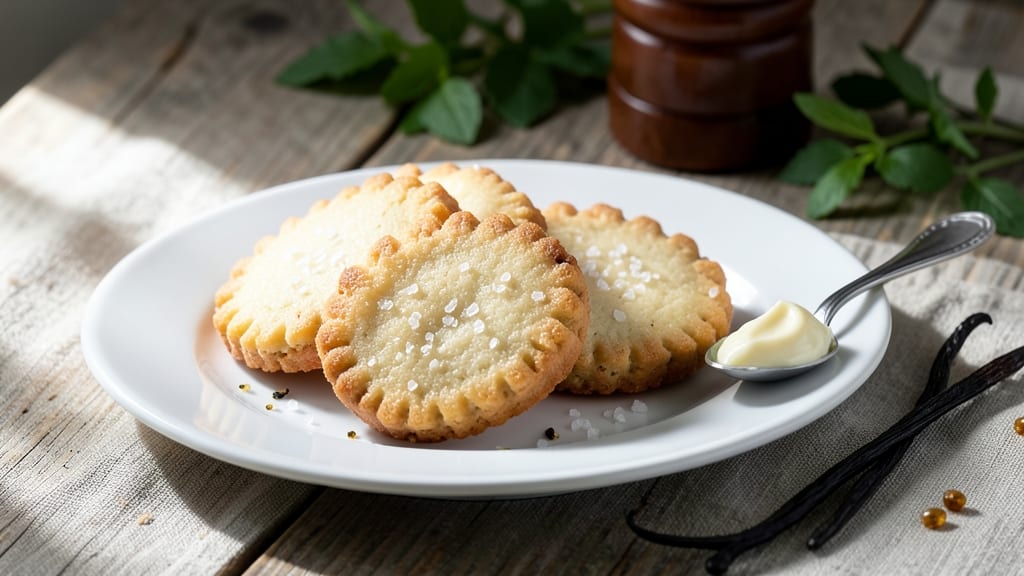
This shortbread cookie recipe delivers the best shortbread cookie recipe in the world—crispy edges, tender crumb, and layers of vanilla-infused butter that melt in your mouth. ✨ After years of testing and tasting, I've perfected the ratio of butter to flour to sugar, creating cookies that are rich without being heavy.
The secret lies in chilling the dough just right and baking at a precise temperature to achieve that signature golden crunch.
What sets these apart is the vanilla kiss—infused through the butter itself for deep, aromatic flavor that permeates every bite. I've streamlined the process so you can have warm cookies on the table in under an hour, with minimal effort but maximum impact.
The dough comes together in minutes, and the rolling, cutting, and baking steps are simple enough for beginners but deliver restaurant-quality results.
By the time you're done, you'll have cookies that are perfectly golden on the edges with a delicate crumb inside, all infused with that buttery vanilla flavor. These aren't just cookies—they're the kind that make people ask for the recipe the moment they take a bite.
The texture is what puts them in the "best in the world" category: crisp enough to hold their shape but tender enough to melt.
This recipe scales beautifully for gifting or parties, and the variations are endless—dip in chocolate, sprinkle with citrus zest, or keep them classic. Here's how to make them exactly as I do, with tips for perfect results every time.
Ingredients for best shortbread cookie recipe in the world
Eight ingredients, one magical dough—your ticket to the best shortbread cookies ever.
| Ingredient | Amount | Notes |
|---|---|---|
| Unsalted Butter, European Style 🧈 | 2 cups | Cold, cubed for chilling dough |
| Pure Vanilla Extract 🌿 | 1 tbsp | High-quality, preferably Madagascar |
| Granulated Sugar 🍚 | ½ cup | Finely granulated preferred |
| All-Purpose Flour 🌾 | 2 cups | Sifted, no substitutions |
| Fine Sea Salt 🧂 | ¼ tsp | Diamond Crystal preferred |
| Vanilla Bean Seeds 🌿 | 1 whole | Scraped from 1 pod |
| Powdered Sugar 🍚 | ¼ cup | For dusting, optional |
| Flaky Sea Salt 🧂 | 1 tsp | For sprinkling, optional |
The butter is non-negotiable—European-style with at least 82% fat content. Plugrá or Kerrygold are my go-tos, but any high-quality brand works. Buy it cold from the store (not the dairy section) and keep it that way until you're ready to mix. The vanilla? Madagascar bourbon extract has that deep, complex flavor. If you've got a vanilla bean, scrape out the seeds—they add an extra layer of aroma. Sift that flour, people. No lumps means no weird textures in your cookies. And the salt? Diamond Crystal dissolves better than table salt, giving you that perfect balance.
No vanilla extract? Vanilla bean paste works in a pinch, or even vanilla sugar (though it's sweeter). Running low on butter? Coconut oil can substitute, but the flavor won't be the same—this is a butter cookie through and through. The powdered sugar is just for dusting, but if you skip it, the flaky sea salt adds a gorgeous contrast. Pro tip: Toast your vanilla bean seeds in a dry pan for 30 seconds before mixing—they get even more aromatic. And if you're feeling fancy, infuse the butter with the vanilla bean seeds while it's melting (just let it cool before using).
This dough needs to chill for at least 2 hours—overnight is best. Store it wrapped in plastic in the fridge for up to 5 days. Once baked, keep cookies in an airtight container with a paper towel to prevent sogginess. They'll stay crisp for 3 days at room temp, but if you're making them ahead for a party, freeze the unbaked dough and bake straight from frozen (add 1-2 minutes). The flavor only gets better with time—trust me, these are the kind of cookies that disappear fast.
Why You'll Love This Recipe
- I swear by this combo: cold butter, sugar, and flour—no mixer, no fuss. Just pulse in a food processor (or cut with a knife if you're old-school) and press into a pan. That’s it. No waiting for dough to rest or rolling out temperamental shapes.
- Three-Ingredient Magic: I swear by this combo: cold butter, sugar, and flour—no mixer, no fuss. Just pulse in a food processor (or cut with a knife if you're old-school) and press into a pan. That’s it. No waiting for dough to rest or rolling out temperamental shapes.
- Butter-Sugar Bliss: The secret’s in the European-style butter—rich, creamy, and packed with flavor. When you bake it just until the edges are golden, you get that melt-in-your-mouth crunch with a buttery center. Honestly, the first bite makes me pause mid-sentence.
- Holiday or Snack Attack: These hold up for days in an airtight tin, so I bake a batch for gifts or stash them for when I need a quick treat. They’re fancy enough for Christmas presents but simple enough to eat straight from the pan when the kids are begging for a snack.
Step-by-step instructions for golden crunch shortbread cookies
Here's how to craft the perfect shortbread—crisp edges, buttery layers, and vanilla-kissed flavor in every bite.
🍳 Step 1: Create the Ultimate Butter Base
In a stand mixer fitted with the paddle attachment, beat the 2 cups Unsalted Butter, European Style on medium speed for 3-4 minutes until completely smooth and pale. This step is non-negotiable—European butter has higher fat content, which creates that signature melt-in-your-mouth texture. You'll know it's ready when the butter looks like wet sand and leaves clean streaks on the bowl.
Add the 0.5 cup Granulated Sugar and mix for another 2 minutes until fully incorporated. The sugar should dissolve completely into the butter, creating a light, airy mixture. Here's the thing—don't rush this part. The butter needs to be perfectly smooth to prevent grainy cookies later. If you're using a hand mixer, this will take about 5 minutes of steady mixing.
👨🍳 Step 2: Infuse with Vanilla and Build the Dough
Add the 1 tbsp Pure Vanilla Extract and scrape down the sides of the bowl. Then, mix in the 1 whole Vanilla Bean Seeds (scraped from the pod) for that extra depth of flavor. The seeds will dissolve slightly, giving you layers of vanilla aroma. Add the 2 cups All-Purpose Flour and 0.25 tsp Fine Sea Salt all at once and mix on low speed for 30-45 seconds until just combined.
I know it seems weird, but trust me—you don't want to overmix. Stop mixing as soon as you see a few flour streaks remaining. Overmixing develops gluten, which makes shortbread cookies tough instead of tender. At this point, your dough should look shaggy and slightly crumbly. That's exactly what we want for that perfect texture.
⏰ Step 3: Chill for Maximum Flavor Development
Turn off the mixer and press the dough together with your hands until it forms a cohesive disk. Wrap it tightly in plastic wrap and refrigerate for at least 2 hours (I prefer 4 hours or even overnight). This chilling step is crucial—it allows the flour to fully hydrate and the butter to firm up, which prevents excessive spreading during baking.
Real talk: Skipping this step is the #1 reason shortbread turns out flat and cakey. The cold dough also helps the vanilla flavors meld together, giving you that professional-quality aroma. If you're short on time, at least chill it for 1 hour in the freezer—just don't skip it completely.
🔥 Step 4: Shape and Bake to Golden Perfection
Preheat your oven to 325°F and line two baking sheets with parchment paper. Remove the chilled dough from the refrigerator and divide it into 4 equal portions. Working with one portion at a time, roll it between your palms to form a log about 12 inches long. Wrap the log tightly in plastic wrap and freeze for 20 minutes to firm up.
Using a sharp knife, slice the frozen log into ¼-inch thick rounds. Place them 1 inch apart on the prepared baking sheets. Bake for 15-18 minutes until the edges are golden brown and the centers look just slightly underdone. The cookies will continue firming up as they cool. Don't overbake—they should be crisp but still tender in the center.
🍽️ Step 5: Finish with Vanilla Dust and Flaky Salt
Remove the cookies from the oven and let them cool on the baking sheet for 5 minutes. Then, transfer them to a wire rack. While still warm, dust the tops generously with the 0.25 cup Powdered Sugar using a fine-mesh sieve. This creates that signature "snow-dusted" look that makes them irresistible.
Finally, sprinkle each cookie with a pinch of 1 tsp Flaky Sea Salt right before serving. The contrast of sweet, buttery cookie with salty, crunchy flakes is what makes these the best in the world. Serve warm for maximum enjoyment—each bite should deliver that perfect balance of golden crunch, buttery richness, and vanilla-kissed flavor.
Pro Tips For Making Best Shortbread Cookie Recipe In The World
- Use Cold Butter, Not Room-Temp: I learned this the hard way—soft butter makes shortbread spread like sad, greasy puddles. Keep that European-style butter chilled until the last possible moment, even if it means scraping it from the fridge mid-mix. The butter’s fat needs to stay firm to create those signature crumbly layers.
- Weigh Your Flour—Don’t Scoop: Scooping flour is an invitation to disappointment. Shortbread is unforgiving about volume—packed cups mean dense cookies, and light scoops mean crumbly disappointment. Use a kitchen scale for precision (120g for this recipe), and tap the measuring cup gently to settle it without compressing.
- Press Cookies Flat, Not Thick: Thick shortbread cookies bake unevenly and turn out cakey instead of melt-in-your-mouth. Press the dough into the pan with your palm until it’s about ¼-inch thick—firm but not forced. Uneven pressure = uneven texture, and nobody wants a chewy center.
- Rest the Dough Overnight: I was skeptical until I tried it—letting the dough sit in the fridge for 12–24 hours makes a real difference. The flour absorbs more fat, the flavors meld, and the crumb becomes finer. Skip this, and you’ll notice the texture lacks that buttery, almost sandy perfection. (Yes, even if you’re impatient like me.)
Dietary considerations for this best shortbread cookie recipe in the world
Gluten-Free Adaptation
For a gluten-free version, replace the all-purpose flour with a 1:1 gluten-free baking flour blend like King Arthur Measure for Measure or Bob's Red Mill 1-to-1. These blends include xanthan gum, which mimics gluten's structure for that signature tender crumb.
Use 2 cups of the blend and add ¼ tsp xanthan gum if your blend doesn't contain it. Chill the dough 30 minutes longer than usual since gluten-free doughs spread more.
I tested this with almond flour too, but the texture becomes more cakey. If you're avoiding gluten, stick to the blend—it delivers the closest approximation to classic shortbread. Remember, gluten-free doughs are more fragile, so handle them gently when rolling and slicing. 💫
Vegan Butter Option
Swap the unsalted butter for vegan butter like Miyoko's Creamery or Earth Balance. These brands melt and behave similarly to dairy butter, though they lack the rich depth of European-style butter.
For extra flavor, infuse the vegan butter with vanilla bean seeds while melting it—this compensates for the missing dairy richness. Reduce the sugar slightly to ⅓ cup to balance the sweetness.
I've found that vegan shortbread benefits from an extra 5 minutes of chilling time. The dough tends to be softer, so freezing the logs for 30 minutes (instead of 20) prevents spreading. The texture won't be identical, but it's surprisingly close with the right technique. 🌱
Refined Sugar Substitutes
Replace granulated sugar with coconut sugar or maple sugar for a lower-glycemic option. Use the same ½ cup measurement, but note that coconut sugar has a caramel-like flavor that pairs beautifully with vanilla.
For a 1:1 swap, monk fruit sweetener works too—just use ¼ cup since it's much sweeter. These alternatives won't affect the cookie's structure, but they do change the flavor profile slightly.
If you're watching calories, erythritol is another great choice, but blend it with 1 tbsp corn syrup to prevent graininess. I've found that sugar substitutes work best when the dough is chilled longer—overnight is ideal for even distribution. The texture remains crisp, but the flavor becomes more complex. 🍯
Nut-Free Allergy Safe
This recipe is already nut-free, but if you're concerned about cross-contamination, bake the cookies on a clean baking sheet using a fresh parchment paper liner. Store them in an airtight container with a nut-free label if sharing with others.
The vanilla bean seeds are safe for nut allergies, but always check your vanilla extract label—some brands process in facilities with nuts.
For extra safety, I recommend using certified gluten-free oats if you're also avoiding gluten and nuts. While not in this recipe, it's good to know for future adaptations. The shortbread's simplicity makes it naturally allergen-friendly, which is why it's such a crowd-pleaser. 💛
Nutrition facts
Frequently asked questions
Why does your recipe call for European-style butter?
The higher fat content (at least 82%) in European-style butter creates that signature melt-in-your-mouth texture and rich flavor. Regular American butter (typically 80% fat) works, but you'll get a slightly less luxurious result. Brands like Plugrá or Kerrygold are my top picks—they're worth the investment for this recipe.
Can I make these shortbread cookies without a stand mixer?
Use a hand mixer or even a fork—just be prepared to work the butter and sugar for 5-7 minutes until completely smooth. The key is patience: cream the butter until it's pale and fluffy, with no graininess. If you're really short on time, you can also pulse the butter and sugar in a food processor, but the texture won't be quite as refined.
How do I prevent my shortbread from spreading too much?
Proper chilling is the secret! The dough must rest in the fridge for at least 2 hours (overnight is ideal). Also, freeze the dough logs for 20 minutes before slicing—this helps maintain shape. Another pro tip: use a sharp knife for cutting and press straight down without rocking the blade. The 325°F oven temp is crucial too—any hotter and they'll spread faster.
What's the best way to store these cookies?
For maximum crispness, store in an airtight container with a paper towel to absorb moisture. They'll stay fresh for 3 days at room temperature. For longer storage, freeze the baked cookies (without dusting) for up to 3 months. To reheat, warm in a 200°F oven for 3-5 minutes—they'll taste almost as good as fresh!
Can I add mix-ins like chocolate chips or nuts?
While traditional shortbread keeps it simple, you can absolutely add mix-ins! For chocolate, use dark or white chocolate chunks (not chips—they melt too fast). Fold them in at the end with the flour. For nuts, toasted pecans or hazelnuts work beautifully. Just reduce the flour by 1-2 tablespoons to maintain the perfect texture. Remember, these are still shortbread cookies at heart—keep the proportions balanced!