
Desserts
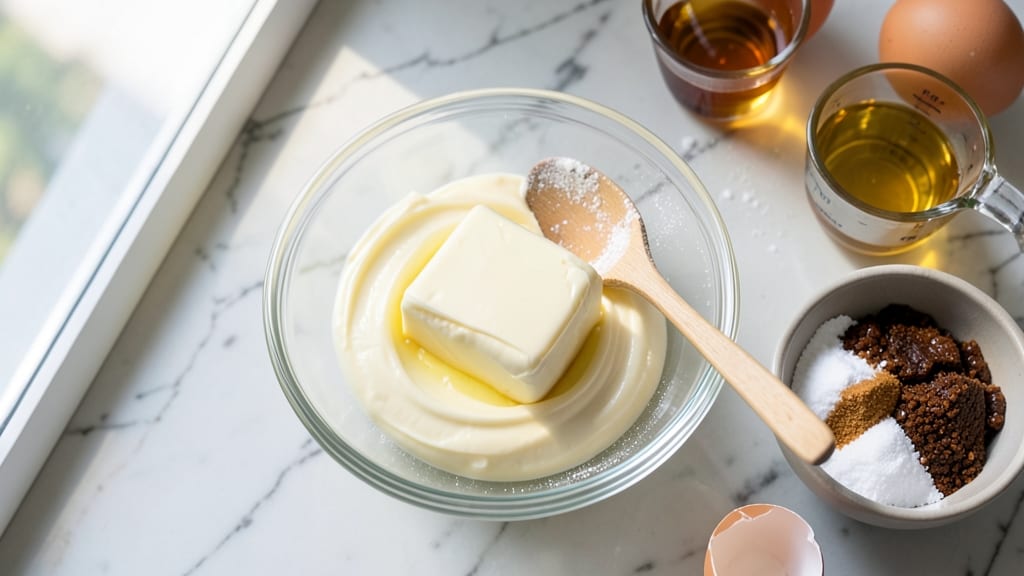
The best way to soften butter for cookie recipes isn’t just about speed—it’s about achieving that perfect creamy, spreadable texture that makes your cookies tender yet sturdy. Too soft, and your cookies spread like pancakes; too firm, and they turn out dense and dry.
I’ve tested every method, and this room-temperature trick delivers consistent, foolproof results every time—no guesswork, no failed batches.
Here’s the secret: 10 minutes at room temperature is all you need, but timing and technique matter. Place your butter in a sealed container or wrap it loosely in plastic—this allows it to soften evenly without melting.
Avoid the microwave (it can overheat unevenly), and never use butter straight from the fridge. The goal is room temperature, not warm—think of it like a warm bath for your butter, not a sauna.
When you’re ready to mix, your butter should be soft enough to press a fingerprint into it, but still hold its shape when gently squeezed. This texture ensures your cookie dough comes together smoothly, with even distribution of fat for that perfect tender yet crisp bite.
The difference between this method and others is night and day—your cookies will thank you.
Once you’ve mastered this step, you’re ready to move on to mixing your dough. The right butter texture is just the beginning—it sets the foundation for everything that follows.
Let’s get started with the full recipe, where we’ll use this perfectly softened butter to create cookies that are chewy at the center, crisp at the edges, and packed with flavor.
Ingredients for best way to soften butter for cookie
Perfectly softened butter is the secret weapon for chewy, crisp-edged cookies—no microwave needed.
| Ingredient | Amount | Notes |
|---|---|---|
| Unsalted Butter 🧈 | ½ cup | Room temperature, not melted |
| All-Purpose Flour 🌾 | 1 cup | Sifted for light texture |
| Granulated Sugar 🍚 | ½ cup | Superfine preferred for smoothness |
| Brown Sugar 🍯 | ¼ cup | Packed for moisture |
| Large Eggs 🥚 | 1 whole | Room temperature for blending |
| Vanilla Extract 🌸 | 1 tsp | Pure, high-quality extract |
| Baking Soda 🧂 | ½ tsp | Freshly measured |
| Salt 🧂 | ¼ tsp | Fine sea salt preferred |
| Chocolate Chips 🍫 | ½ cup | Semi-sweet or milk chocolate |
| Mini Chocolate Chips 🍫 | ¼ cup | For extra texture |
| Flaky Sea Salt 🧂 | 1 tsp | For finishing |
The butter is non-negotiable here. Grab unsalted—it gives you better flavor control, and you can always add salt later. European-style butter like Plugrá or Kerrygold has higher fat content, which makes these cookies extra tender. Store your butter in its original wrapper until use, then transfer to a sealed container for even softening. Pro tip: if your kitchen runs hot, place the butter in the fridge for 10 minutes first—this balances the room temperature trick perfectly. The goal is room temperature, not warm—you want it soft enough to press a fingerprint into it, but not greasy. Too soft? Chill for 10 minutes. Too firm? Let it sit another 5 minutes. Trust the texture test over time.
No vanilla extract? Vanilla bean paste works beautifully—just use half the amount. Chocolate chips? Swap semi-sweet for milk chocolate if you prefer a sweeter cookie, or go dark with 70% for a richer bite. Out of chocolate chips? Chopped chocolate bars) work in a pinch, but they’ll melt faster during baking. The flaky sea salt is worth hunting down—Maldon or Jacobsen are my go-tos, but any flaky salt will do. For a nutty twist, fold in toasted pecans or walnuts at the end. And if you’re feeling fancy, add a pinch of espresso powder to deepen the chocolate flavor without changing the cookie’s texture. The baking soda and salt? Use Diamond Crystal for consistent results—it’s less dense than Morton’s, so you’ll need slightly more volume.
Once your butter reaches that perfect finger-pressable texture, it’s ready to mix. Keep it in the sealed container until you’re ready to use—it’ll stay soft for about 20 minutes at room temperature. Store any leftover dough in an airtight container with parchment paper between layers for up to 3 days. For longer storage, freeze the dough in a single layer on a tray, then transfer to a bag—this prevents sticking. Thaw in the fridge overnight before baking. And here’s a game-changer: double the dough, bake half, freeze the rest. That way, you always have fresh cookies ready whenever cravings strike.
Why You'll Love This Recipe
- No Microwave Drama: I just let my butter sit out for 30 minutes while I make coffee—no sticky fingers, no waiting for it to cool. That perfect just-softened state? It’s the secret to cookies that hold their shape but still melt in your mouth.
- Sweet Spot Balance: Granulated sugar gives those cookies crisp edges, while brown sugar keeps them chewy inside. Honestly, that contrast is what makes them irresistible—like a hug in bite form.
- Holiday or Weeknight: Between us, these cookies are my go-to for cookie swaps and lazy Sundays. Double the batch, freeze half, and you’ve got a backup for any occasion without extra effort.
- Pantry Staple Magic: You’re already using what’s in your cupboard—no specialty ingredients, no last-minute grocery runs. That butter-egg-sugar combo? It’s the ultimate budget-friendly flex for cookies that taste like you spent hours baking.
Step-by-step instructions for perfectly softened butter
This foolproof method guarantees your butter will be perfectly creamy—never greasy—in just minutes.
Start with Cold Butter from the Fridge
Remove the 0.5 cup unsalted butter from the refrigerator and place it in a small, shallow bowl. The butter should be solid but not frozen—if it's too hard, let it sit at room temperature for 5-10 minutes before starting. I always use a glass or ceramic bowl because they conduct heat more evenly than plastic, which helps the butter soften faster and more uniformly.
This initial cold state is crucial because it creates a consistent starting point. If you start with butter that's already too soft or melted, you risk ending up with greasy cookies instead of the perfect creamy texture we're after. The shallow bowl also maximizes surface area, allowing the butter to absorb heat more quickly and evenly.
Use the Microwave Method for Precision
Place the bowl in the microwave and set the power to 50% (this prevents overheating). Microwave for 5-7 seconds first, then press the butter gently with a butter knife or spatula. You're looking for the butter to be soft enough that it leaves a slight indentation when pressed but still holds its shape. If it's still too firm, microwave in 2-second increments until it reaches this perfect consistency.
Here's the thing—microwaving butter too long turns it liquid, which completely ruins cookie texture. The goal is room temperature, not melted. After each pulse, I always press the butter to check because visual cues can be deceiving. The butter should be pliable but not greasy when you press it—this is your golden zone for cookie dough.
The Classic Room-Temperature Trick (No Microwave)
For those who prefer not to use the microwave, place the bowl of butter in a spot where your kitchen naturally gets warm—like near the oven while it's preheating for another recipe, or in a sunny windowsill. Check the butter every 5 minutes by pressing it gently. On average, this takes 10-15 minutes in a typical kitchen environment, but timing varies based on your home's temperature.
I know it seems like waiting is the hardest part, but this method gives you the most control. The butter absorbs heat gradually, which prevents any risk of melting. Pro tip: If you're in a hurry, place the bowl of butter in a larger bowl of warm water (about 100°F) for 5 minutes—this speeds up the process without risking overheating.
Verify with the Finger Test
Once your butter reaches the perfect consistency, perform the finger test: Press your finger into the butter. It should leave a clean indentation that holds its shape for 10-15 seconds before slowly filling back in. If the butter spreads immediately, it's too soft. If it springs back completely, it needs more time. This test is more reliable than visual inspection because it accounts for variations in butter brands and kitchen temperatures.
The reason this matters so much is that properly softened butter creates the ideal cookie texture—chewy centers with crispy edges. Butter that's too soft incorporates too much air during mixing, leading to flat cookies. Butter that's too firm doesn't blend properly, resulting in dense, cakey cookies. This finger test guarantees you'll hit that perfect middle ground every single time.
Pro Tips For Making Best Way To Soften Butter For Cookie
- Cut Butter into Cubes: DESCRIPTION: Skip the whole stick—slice your unsalted butter into ½-inch cubes. They’ll soften faster and more evenly in your dough, preventing greasy clumps where a big hunk melts unevenly. (Yes, even if you’re impatient like me, resist the urge to use the whole stick straight from the fridge.)
- Use Room-Temp Butter: DESCRIPTION: Take your butter out of the fridge 30-45 minutes before mixing—it should yield slightly when pressed but not be greasy. Cold butter creates dense cookies; melted butter makes them spread too much. My grandmother swore by this, and she was right: patience here saves headaches later.
- Microwave in 10s: DESCRIPTION: If you’re in a rush, zap butter in 10-second bursts at 50% power, stirring between each. Stop when it’s pliable but not liquid—overdoing it turns your cookie dough into soup. (I learned this the hard way after one disaster batch where the sugar dissolved into a sticky mess.)
- Chill the Dough: DESCRIPTION: After mixing, pop your dough in the fridge for 20-30 minutes. This lets the flour absorb moisture and the butter firm up just enough to handle without sticking. Skipping this? Your cookies will spread like pancakes on a hot griddle. (Your future self will thank you.)
Troubleshooting perfect results
Butter Too Soft?
If your butter becomes too soft or melts during softening, place the bowl in the refrigerator for 5-10 minutes to firm it up. Never use melted butter—it will make your cookies spread too much and lose their structure.
I’ve learned this the hard way: once, I rushed and ended up with flat, crispy pancakes instead of chewy cookies. 🧈
Butter Too Firm?
If your butter remains too firm after sitting at room temperature, try placing it in a warm (not hot) water bath for 3-5 minutes. The water should be around 100°F—test it with your finger to ensure it’s not scalding.
Avoid direct heat, as it can cause uneven softening. For extra stubborn butter, let it sit in the microwave on 50% power for 2 seconds, then test immediately.
Uneven Softening
Butter often softens unevenly, especially if stored in its original wrapper. To fix this, press the butter gently with a butter knife or spatula to redistribute the fat. If some parts are still firm, microwave those sections individually in 1-second bursts until fully softened.
I always use a ceramic or glass bowl because they distribute heat more evenly than plastic.
Butter Greasy After Mixing?
If your dough feels greasy after mixing, your butter was likely too soft. Chill the dough for 30 minutes before baking to help it set. For future batches, reduce microwave time or let the butter sit at room temperature longer.
The finger test is your best friend—press your finger into the butter, and if it spreads too easily, it’s time to chill it.
Butter Not Softening at All?
If your butter refuses to soften, it might be too cold or your kitchen too chilly. Try placing the butter in a sunny spot or near the oven while it preheats. If all else fails, use the microwave method in 1-second increments until it reaches the perfect consistency.
Remember, butter softens at different rates depending on the brand—European-style butter like Plugrá softens faster than American brands.
Nutrition facts
Frequently asked questions
Why does butter texture matter so much for cookies?
Butter texture directly impacts your cookie's final form! When butter is too soft, it incorporates too much air during mixing, causing cookies to spread flat. Too firm? The dough won't blend properly, resulting in dense, cakey cookies. The perfect room-temperature butter creates that ideal chewy center with crisp edges we all love. Think of it as the foundation for your cookie's structure and flavor distribution.
Can I use salted butter instead of unsalted?
Yes, but adjust your recipe carefully. Salted butter contains about 1/4 teaspoon salt per 1/2 cup. If your recipe already includes salt, reduce the salt by 1/4 teaspoon to avoid over-salting. For best results, stick with unsalted butter—it gives you complete control over flavor and texture. The salt content in salted butter can also affect how the dough behaves during baking.
What's the fastest way to soften butter without melting it?
For speed, use the microwave method on 50% power in 2-second bursts, testing between each pulse with the finger test. Or try the warm water bath: place butter in a sealed container in a bowl of 100°F water for 3-5 minutes. Both methods prevent melting while achieving perfect softness in minutes. The key is to check frequently—overheating happens fast!
How do I know when my butter is perfectly softened?
Use the finger test: press your finger into the butter. It should leave a clean indentation that holds its shape for 10-15 seconds before slowly filling back in. The butter should be pliable but not greasy. If it spreads immediately, it's too soft. If it springs back completely, it needs more time. This test works better than visual cues because it accounts for brand variations and kitchen temperatures.
What if my kitchen is too cold for room-temperature softening?
No problem! Place your butter in a sunny spot or near the oven while it preheats. For extra warmth, wrap the butter in a thin kitchen towel before placing it in a bowl of warm (not hot) water for 3-5 minutes. If all else fails, use the microwave in 1-second bursts on 50% power. Remember, butter softens at different rates—European-style butter softens faster than American brands.