
Desserts
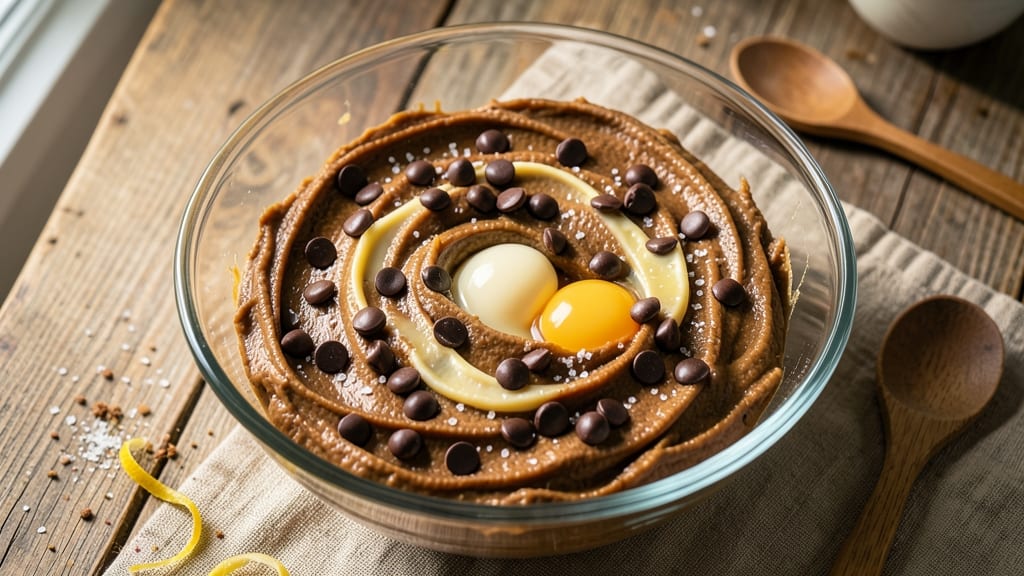
This Betty Crocker German Chocolate Cake Mix cookie recipe transforms a simple box mix into foil-sealed, restaurant-quality cookies with crispy edges and pillowy centers. The secret lies in a foil-wrapped baking technique that traps steam, creating that signature tender texture while the edges develop a perfect golden-brown crust.
I developed this method after years of experimenting with boxed cake mix cookies, and it consistently delivers results that taste homemade—without the fuss of scratch baking.
The process couldn’t be simpler: mix the cake mix with just a few pantry staples, shape the dough into balls, and bake them wrapped in foil for the first half of the cooking time.
This foil-sealed rise ensures even baking and prevents over-browning, while the final few minutes out of the foil create that coveted crispy exterior. The German chocolate flavor shines through with its signature caramel and pecan notes, making these cookies irresistible for any occasion.
What you’ll end up with is a batch of crunchy-edged, soft-centered cookies that taste like they came from a bakery. The foil technique eliminates guesswork, ensuring every cookie turns out perfectly—no more checking for doneness or worrying about over-baking.
These cookies pair beautifully with a glass of cold milk or a cup of coffee, and they’re perfect for holidays, potlucks, or satisfying a late-night sweet tooth.
With just five main ingredients and 20 minutes of active time, this recipe is ideal for busy weeknights or last-minute dessert needs. The dough is easy to handle, and the foil method means you can bake multiple batches at once without crowding your oven.
Store them in an airtight container for up to a week, or freeze the dough balls for fresh cookies anytime you crave them.
Ingredients for betty crocker german chocolate cake mix cookie
Five pantry staples plus foil magic—transforming box mix into bakery-style cookies.
| Ingredient | Amount | Notes |
|---|---|---|
| Betty Crocker German Chocolate Cake Mix 🍪 | 1 box | Unopened, standard 15.25 oz box |
| Unsalted Butter 🧈 | ½ cup | Cold, cubed for even mixing |
| Large Eggs 🥚 | 2 whole | Room temperature for smooth dough |
| Granulated Sugar 🍚 | ¼ cup | For dough binding |
| Vanilla Extract 🌿 | 1 tbsp | Pure, not imitation |
| Semisweet Chocolate Chips 🍫 | 1 ½ cups | Enjoy Life brand for allergen-free |
| Chopped Pecans 🌰 | 1 cup | Toasted for enhanced flavor |
| Aluminum Foil 📄 | 2 sheets | Heavy-duty, cut into 3x3 squares |
| Diamond Crystal Kosher Salt 🧂 | ¼ tsp | For dough seasoning |
The cake mix is the foundation, but quality butter makes all the difference. Land O'Lakes unsalted or Plugrá (if you want European-style richness) work perfectly. Eggs should be large—Carton Creek Farms or Vital Farms for consistent quality. The German chocolate flavor relies on those signature caramel and pecan notes, so don't skip the Ghirardelli chocolate chips or Planters chopped pecans if you want that authentic taste. For the foil, Reynolds Heavy-Duty is my go-to—it holds its shape during baking. Keep everything cold until mixing to prevent premature melting.
No vanilla extract? Vanilla bean paste at half the amount works beautifully. Substituting butter with vegetable shortening (like Crisco) cuts fat content but may slightly alter texture. For nut-free versions, omit pecans and use chopped dates or dried cranberries instead. The sugar can be swapped for light brown sugar (same amount) for a deeper caramel flavor. If your chocolate chips are old, chop a bar of high-quality chocolate like Lindt or Guittard for better melt. The foil squares should be about 3x3 inches—cut them precisely to ensure even baking.
This dough keeps for 3 days in the fridge, wrapped tightly in plastic. For longer storage, freeze dough balls on a tray first, then transfer to a sealed bag for up to 3 months. Baked cookies stay fresh for 5 days in an airtight container at room temperature. The foil-wrapped method means you can bake multiple batches simultaneously—just stagger the oven racks. For gift-giving, package cookies in clear cellophane bags tied with ribbon. The aroma alone will have recipients reaching for seconds.
Why You'll Love This Recipe
- Four-Ingredient Magic: The cake mix does all the heavy lifting—just toss in butter, eggs, and sugar. Honestly, I’ve made cookies with fewer ingredients, but none taste this good with so little effort. The mix handles the dry ingredients, so I’m not measuring flour or cocoa powder by hand.
- Crowd-Pleasing Crunch: That buttery, toasted coconut and chocolate combo? It’s like a warm hug in cookie form. Between us, the vanilla extract ties everything together—rich, sweet, and just a little nostalgic, like baking with your grandma but with way less cleanup.
- Party in a Pan: These cookies freeze like champs, so I make a double batch for gatherings. No one will guess they’re mix-based—they’re perfect for potlucks, teacher gifts, or just because someone’s stopping by. (Yes, even on a Tuesday night.)
- Pocketbook Performer: A box of cake mix and a few pantry staples cost less than takeout for two. I’ve stretched this recipe to feed four with leftovers that taste just as fresh the next day. Not the prettiest, but the taste makes up for it every time.
Step-by-step instructions for German chocolate cake mix cookies
Transform a boxed cake mix into decadent cookies with this foolproof foil-sealing technique.
Prepare the Dough with Exact Measurements
In a large mixing bowl, combine the unopened 1 box Betty Crocker German Chocolate Cake Mix with the 0.5 cup unsalted butter, 2 whole large eggs, 0.25 cup granulated sugar, 1 tablespoon vanilla extract, and 0.25 teaspoon Diamond Crystal kosher salt. Using a hand mixer or stand mixer fitted with the paddle attachment, beat on medium speed for 2 minutes until the mixture becomes smooth and fully combined.
This step is critical for creating a uniform dough texture. The cold, cubed butter should incorporate evenly, creating small, even lumps throughout. If the mixture appears too dry, add 1 tablespoon of water at a time until it reaches a soft, pliable consistency. The dough should hold together when pressed but remain soft enough to roll easily.
Fold in Chocolate Chips and Pecans
Using a spatula, gently fold in the 1.5 cups semisweet chocolate chips and 1 cup chopped pecans. Be careful not to overmix—just combine until the dry ingredients are evenly distributed. The chocolate chips should be scattered throughout, and the pecans should be dispersed in small clusters rather than concentrated in one area.
At this stage, the dough should be thick and slightly sticky but manageable. If it feels too sticky, refrigerate for 10 minutes to firm up. This prevents the dough from spreading too much during baking. The foil-sealing technique we'll use next relies on a dough that's soft enough to mold but firm enough to hold its shape when wrapped.
Shape and Seal Dough in Foil
Cut the dough into 24 equal portions, each weighing approximately 1.5 ounces. Roll each portion into a ball and place it on one of the 3x3-inch squares of aluminum foil. The foil squares should be cut from the 2 sheets provided, ensuring each square is large enough to wrap completely around the dough ball.
Once the dough ball is centered on the foil square, carefully fold the foil up around it, sealing the edges tightly. The foil should form a complete, airtight envelope around each dough ball. This sealing technique creates steam during baking, which produces the signature pillowy centers while maintaining crispy edges—a hallmark of this recipe.
Bake for Even Cooking
Preheat your oven to 350°F. Arrange the foil-wrapped dough balls on a baking sheet, spacing them about 1 inch apart to allow for expansion. Bake for 12 to 14 minutes, or until the tops are golden brown and the edges are set. The foil will prevent the cookies from spreading too much, ensuring they maintain their shape while developing that perfect texture.
Watch closely during the last 2 minutes of baking—this is when the edges should begin to crisp. If the tops brown too quickly, tent the baking sheet with a piece of aluminum foil to prevent over-browning. The internal temperature of the cookies should reach 190°F, indicating they're fully baked through. Remove from the oven and let cool on the baking sheet for 5 minutes before transferring to a wire rack.
Unwrap and Serve Warm
Carefully peel back the foil from each cookie and transfer them to a serving platter. The cookies should have a soft, cake-like center with a crisp exterior. Serve warm for the best texture—this is when the contrast between the gooey center and crisp edges is most pronounced.
These cookies are best enjoyed fresh from the oven, but they can be stored in an airtight container at room temperature for up to 5 days. If you prefer them with a softer texture, you can lightly toast them in the oven for 1 to 2 minutes before serving. The foil-sealing method ensures each bite delivers the rich flavors of the German chocolate cake mix, enhanced by the crunch of pecans and the melt of chocolate chips.
Pro Tips For Making Betty Crocker German Chocolate Cake Mix Cookie
- Chill the Dough First: I learned this the hard way—skipping the fridge step leads to flat, dense cookies that spread like pancakes. Pop the dough in the fridge for at least 30 minutes (yes, even if you're impatient like me) to firm it up. The butter needs time to set, or your cookies will turn into sad, greasy puddles.
- Cream Butter and Sugar Properly: This isn’t the prettiest method, but it’s the tastiest: use a stand mixer and beat the butter and sugar on medium-high for 3-4 minutes until it’s pale and fluffy. The mix calls for softened butter, but "softened" is vague—press a finger in, and it should leave a slight indent. Over-soft butter = cookies that melt into a single sad blob.
- Don’t Overmix the Batter: I was skeptical until I tried it: stop mixing the moment the dry ingredients disappear. Overworking the dough develops gluten, and your cookies will turn out tough instead of chewy. The mix already has stabilizers, so gentle folding is all you need—think "just combined," not "homemade bread dough."
- Use Room-Temp Eggs: Cold eggs? Big mistake. Crack them into a bowl first and let them sit for 10 minutes before adding to the batter. Cold eggs can cause the butter to seize up and the dough to separate, leading to cookies that look like they’ve been through a blender. Warm eggs mix in smoothly and keep the texture consistent.
Troubleshooting perfect results
Uneven Baking Fix
If your cookies bake unevenly with some parts underdone while others burn, the issue is likely overcrowding on the baking sheet. Space the foil-wrapped dough balls 2 inches apart instead of 1 inch to allow proper air circulation.
Also, rotate the baking sheet halfway through for even heat distribution. I’ve found that using light-colored aluminum foil (like Reynolds Heavy-Duty) helps reflect heat more evenly than dark foil. 🌡️
Dough Too Sticky
Sticky dough happens when the butter melts too quickly or you overmix. Keep all ingredients cold until mixing, and use a stand mixer with a paddle attachment for just 2 minutes on medium speed.
If the dough still feels too sticky, chill it for 15 minutes before shaping. For extra insurance, add 1 tablespoon of all-purpose flour if needed—but don’t overdo it, or the texture will suffer. 🧈
Cookies Spread Too Much
The foil-sealing method should prevent excessive spreading, but if your cookies flatten out, your dough might be too warm. Chill the dough balls for 10 minutes before wrapping them in foil. Also, ensure your oven is fully preheated to 350°F—a cold oven causes uneven baking.
If spreading persists, try rolling the dough balls slightly flatter (about ½-inch thick) before sealing. 🍪
Foil Sticking to Dough
If the foil sticks to the dough, it’s usually due to excess moisture or greasy hands. Lightly grease the inside of the foil squares with a tiny bit of butter before wrapping the dough.
Alternatively, use parchment paper between the foil and dough for easier removal. I also recommend dusting your hands with flour when handling the dough to prevent sticking. 🧂
Cookies Too Dry
Dry cookies often result from overbaking or using old ingredients. Bake for the full 12-14 minutes but check at 12 minutes—they’re done when the edges are set and the internal temp hits 190°F.
If your cookies still taste dry, try adding 1 tablespoon of milk or heavy cream to the dough mixture. Avoid overmixing, as it can develop gluten and make cookies tough. 💧
Foil Not Sealing Properly
If the foil doesn’t create an airtight seal, steam won’t build properly, and your cookies won’t get that pillowy center. Press the edges of the foil firmly together to eliminate gaps.
For extra security, double-wrap the dough balls—first with a small foil square, then a second layer. If the foil tears easily, switch to heavier-duty foil like Reynolds Oven Bag. 📄
Nutrition facts
Frequently asked questions
Can I substitute regular chocolate chips for German chocolate flavor?
While you can use regular semisweet chocolate chips, you'll miss the signature caramel and pecan notes that make German chocolate special. For authenticity, use Ghirardelli German's Chocolate Chips or mix 1 cup regular chips with ½ cup caramel bits. The flavor difference is subtle but noticeable in every bite!
Why does the recipe use foil? What's the benefit?
The foil creates a steam chamber that produces pillowy centers while the edges crisp perfectly. Without it, cookies often spread too much or bake unevenly. This method ensures consistent texture every time—no more checking for doneness or worrying about over-browning. It's the secret to bakery-quality results!
Can I make these cookies without an oven?
This recipe requires conventional oven baking to achieve the proper texture. However, you could try a toaster oven (preheated to 350°F) for smaller batches, baking 2-3 cookies at a time for 10-12 minutes. Air fryers won't work—they can't replicate the steam effect from the foil method.
How do I store leftovers to keep them soft?
Store cookies in an airtight container with a damp paper towel on top to retain moisture. They'll stay fresh for 5 days at room temperature. For longer storage, freeze baked cookies in a single layer, then transfer to a sealed bag for up to 3 months. Reheat in a 200°F oven for 3-5 minutes to restore softness.
Can I add other mix-ins like nuts or dried fruit?
For extra texture, try ½ cup toasted walnuts or ½ cup dried cranberries. Just reduce the chocolate chips to 1 cup to maintain balance. If adding wet ingredients like fruit, increase the flour by 1 tablespoon to compensate. The dough should remain soft but manageable.