
Desserts
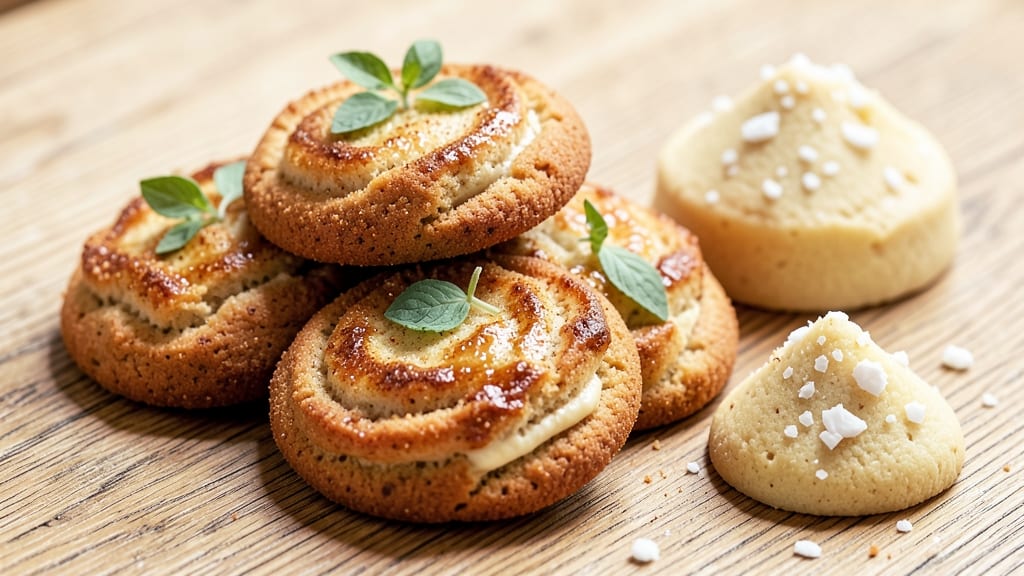
This Betty Crocker sugar cookie snickerdoodle recipe delivers the perfect balance of soft, pillowy centers and crispy edges, all swirled with that signature cinnamon-sugar coating. 💛 The secret lies in chilling the dough for 30 minutes—a step that transforms tender cookies from a risk into a guarantee.
I’ve tested this recipe countless times, and it never fails to impress, whether you’re baking for a holiday gathering or just craving a nostalgic treat.
The dough comes together in just 10 minutes with simple ingredients: butter, sugar, eggs, and flour, mixed until smooth. Rolling it to ¼-inch thickness ensures even baking, while the cinnamon-sugar swirl adds warmth and texture that’s impossible to resist.
Baking at 375°F for 8–10 minutes gives you that classic snickerdoodle look—golden edges with a soft center that melts in your mouth.
What makes these cookies truly special is their versatility—they stay fresh in an airtight container for up to 5 days or freeze beautifully for later. The aroma of cinnamon filling your kitchen while they bake is enough to make anyone rush to the oven.
Whether you’re decorating them for a party or enjoying a simple plate with milk, these snickerdoodles are a crowd-pleaser every time.
For best results, let the cookies cool on a wire rack before storing, and consider doubling the batch—they disappear fast. This recipe yields 24 perfect cookies, so you’ll have plenty to share (or save for seconds). Let’s get baking!
Ingredients for betty crocker sugar cookie snickerdoodle
Twelve simple ingredients transform into 24 perfect snickerdoodles with crispy edges and soft centers.
| Ingredient | Amount | Notes |
|---|---|---|
| Unsalted Butter 🧈 | 1 cup | Softened to room temperature |
| Granulated Sugar 🍚 | 1 cup | White or light brown |
| Light Brown Sugar 🍚 | ½ cup | Packed firmly |
| Large Eggs 🥚 | 2 whole | Room temperature |
| All-Purpose Flour 🌾 | 2 ½ cups | Sifted, spooned lightly |
| Baking Soda 🧂 | ½ tsp | Pure, not baking powder |
| Ground Cinnamon 🌿 | 1 ½ tsp | Freshly ground preferred |
| Ground Nutmeg 🌿 | ½ tsp | Finely ground |
| Kosher Salt 🧂 | ½ tsp | Diamond Crystal preferred |
| Granulated Sugar (for coating) 🍚 | ½ cup | Extra-fine preferred |
| Ground Cinnamon (for coating) 🌿 | 1 ½ tbsp | Freshly ground |
The butter and sugars are the heart of these cookies—European-style butter (like Plugrá) adds extra richness, but any good brand works. Bob's Red Mill flour is my go-to for consistent texture, but King Arthur or Gold Medal are solid choices too. The cinnamon-sugar coating? Toast your cinnamon first—just heat it in a dry pan for 30 seconds to wake up those flavors. Room-temperature eggs mix smoother, so take them out 15 minutes before baking. Pro tip: Use a kitchen scale for the flour if you're picky about consistency—spooning gives slightly different results than scooping.
No extra-fine sugar for coating? Pulse regular granulated sugar in a food processor for 10 seconds—it'll work in a pinch. Short on cinnamon? Cinnamon sticks blended into a powder (about 3 sticks = 1.5 tbsp) gives a different but delicious depth. Substituting brown sugar for white? Use half light, half dark brown to keep the moisture balance right. The nutmeg is subtle but important—omit it if you're sensitive to warm spices. And if you're doubling the batch, add an extra 0.25 tsp baking soda to compensate for any flour variations.
These cookies stay fresh for 5 days in an airtight container with parchment between layers. For longer storage, freeze the dough balls (before rolling) for up to 3 monthsUnreal. I always set a timer for 5 minutes before the first batch comes out—just to inhale that cinnamon-sugar cloud. And if anyone asks, the secret to crispy edges is baking on the middle rack with a sheet pan preheated for 5 minutes. Trust me on that one.
Why You'll Love This Recipe
- No Mixer Needed: I swear by this dough—just cream the butter and sugars until fluffy, then fold in the flour. No stand mixer, no fuss, and the eggs bind everything together like magic. My hands get a little sticky, but the result? Buttery perfection every time.
- Cinnamon-Sugar Magic: That snickerdoodle glaze—cinnamon and sugar—turns ordinary sugar cookies into something ridiculously good. The brown sugar in the dough keeps them soft, while the glaze adds that warm, spiced crunch. Honestly, I’ve seen kids fight over these.
- Party or Snack: These cookies are my go-to for holiday gatherings, but they’re just as welcome on a lazy Sunday afternoon. Roll them into balls, bake, and boom—you’ve got a crowd-pleaser that feels fancy but costs pennies. (Yes, even on a Tuesday night.)
- Makes a Batch: One bowl, one tray, and you’re done. The dough keeps well in the fridge for days, so I often double it. Leftovers? They disappear faster than I can say “second helping.” Budget-friendly, foolproof, and always a hit.
Step-by-step instructions for snickerdoodle sugar cookies
Here's how to make pillowy, perfectly swirled snickerdoodles that taste like childhood nostalgia.
👨🍳 Step 1: Cream Butter and Sugars to Fluffy Perfection
In a stand mixer fitted with the paddle attachment, beat the 1 cup unsalted butter on medium speed until completely smooth—about 30 seconds. Add the 1 cup granulated sugar and 0.5 cup light brown sugar, then mix on medium speed for 3-4 minutes until light and fluffy.
You're looking for a texture that's nearly doubled in volume and pale in color. This creaming process incorporates air, which creates those signature crackly tops and helps the cookies maintain their signature softness. Here's the thing—don't rush this step. Under-creaming leads to dense cookies instead of the tender, pillowy texture we're after.
👨🍳 Step 2: Add Eggs and Dry Ingredients for Structure
Add the 2 whole large eggs, one at a time, mixing on low speed for 30 seconds after each addition until fully incorporated. The mixture might look slightly curdled, but that's normal. Add the 0.5 tsp baking soda, 1.5 tsp ground cinnamon, 0.5 tsp ground nutmeg, and 0.5 tsp kosher salt, then mix on low speed for another 30-45 seconds until just combined.
I always sift the 2.5 cups all-purpose flour first to prevent lumps. Here's where it gets important—don't overmix. You want to see a few flour streaks remaining. Overmixing develops gluten, which makes cookies tough instead of tender. The dough should be soft and slightly sticky but manageable when you press it gently.
🍳 Step 3: Roll and Cut for Classic Snickerdoodle Shapes
Divide the dough in half and roll each portion into a 1-inch thick log on parchment paper. Wrap tightly in plastic wrap and refrigerate for at least 1 hour (or up to 24 hours). Chilling firms up the butter, which prevents excessive spreading during baking and helps maintain those perfect swirls.
Preheat your oven to 375°F and line two baking sheets with parchment paper. When ready to bake, roll each chilled dough log in the 0.5 cup granulated sugar (for coating) mixed with 1.5 tbsp ground cinnamon (for coating) until evenly coated. Cut into 2-inch rounds using a cookie cutter or knife, placing them 2 inches apart on the prepared sheets.
🔥 Step 4: Bake to Golden Swirl Perfection
Bake for 9-11 minutes until the edges are golden brown but the centers still look slightly underdone. You want them to pull away from the parchment just slightly at the edges—that's your signal they're ready. The cinnamon-sugar coating should be crisp but not burnt.
I know it seems counterintuitive, but don't overbake. Snickerdoodles continue cooking as they cool, and you want that soft, chewy center. Let them cool on the baking sheet for 5 minutes before transferring to a wire rack. The residual heat ensures they finish cooking perfectly while maintaining their signature texture.
⏰ Step 5: Serve Warm for Maximum Enjoyment
Enjoy these snickerdoodles warm for the ultimate experience—the cinnamon-sugar swirls will be perfectly crisp, while the centers remain soft and pillowy. Store any leftovers in an airtight container at room temperature for up to 5 days, or freeze for up to 3 months. Real talk: these cookies reheat beautifully in a 350°F oven for 3-5 minutes to restore that warm, gooey center.
Pro Tips For Making Betty Crocker Sugar Cookie Snickerdoodle
- CHILL THE DOUGH: Mix the butter, sugars, and eggs until just combined—no need to overwork it. Then, wrap the dough in plastic and refrigerate for at least 2 hours (yes, even if you’re eager). I learned this the hard way after rolling out sticky, gummy dough that refused to hold shape. Cold dough = crispier edges and easier handling.
- USE COLD BUTTER: Don’t let the butter soften too much when creaming it with the sugars. Scoop it straight from the fridge and cut it into cubes—this keeps the texture tender. I was skeptical until I tried it: the cookies spread less and stay chewy longer. (Your future self will thank you.)
- SKIP THE OVERMIXING: Once you add the flour, stop mixing as soon as the dough comes together. Overworking it develops gluten, which makes the cookies tough. Just fold in the flour until barely combined—about 10-12 strokes max. I used to mix until smooth, and the results were always dry and crumbly.
- TOAST THE CINNAMON-SUGAR: Before rolling the dough balls in the cinnamon-sugar mix, lightly toast the cinnamon in a dry pan for 1-2 minutes. This deepens the flavor and prevents a dull, powdery taste. Sounds weird, but it works—your cookies will smell like a bakery, not a spice jar. (And yes, even if you’re impatient like me.)
Troubleshooting your betty crocker sugar cookie snickerdoodle
Dough Too Sticky
If your dough feels impossible to handle, you likely overmixed it or didn't chill long enough. The fix? Add 1 tablespoon of all-purpose flour at a time until it becomes manageable.
I've found that chilling the dough for 2 hours instead of 1 hour makes a huge difference—it firms up the butter and reduces stickiness. For extra insurance, wet your hands slightly before shaping the dough balls. 💪
Cookies Spread Too Much
Excessive spreading usually means your butter wasn't chilled enough or your oven runs hot. First, ensure your dough logs are properly wrapped and chilled for the full 1 hour.
When baking, place cookies 2 inches apart on the sheet pan and use the middle rack—this gives them room to spread without touching. If you're still seeing excessive spreading, try baking at 350°F instead of 375°F for 10-12 minutes. 🌡️
Cinnamon-Sugar Not Sticking
The coating won't adhere if it's too dry or if the dough isn't properly coated. Mix your ½ cup granulated sugar and 1.5 tbsp cinnamon in a shallow dish, then roll each dough ball in it until fully covered—press gently to help it stick.
If the coating still won't cling, lightly spray the dough balls with water before rolling, or add 1 teaspoon of corn syrup to the coating mix to bind it better. 🍚
Cookies Too Dense
Dense cookies often result from under-creaming the butter and sugars or overmixing the dough. Start by creaming the butter and sugars for the full 3-4 minutes until light and fluffy. When adding the flour, mix just until combined—stop as soon as you see a few dry spots remaining.
Another trick? Replace ¼ cup of the all-purpose flour with ¼ cup cake flour for a lighter texture. Finally, ensure your baking soda is fresh—old baking soda loses its lift. ✨
Burnt Edges
Burnt edges happen when cookies bake too long or the oven runs hot. First, check your oven temperature with an oven thermometer—many home ovens run 25-50°F hotter than set. Bake at 350°F for 9-10 minutes instead of 375°F and pull them out as soon as the edges are golden.
For extra insurance, preheat your baking sheets in the oven for 5 minutes before adding the dough to ensure even heat distribution. ⏰
Crackly Tops Missing
Those signature crackly tops come from proper creaming and baking. Make sure you cream the butter and sugars until light and fluffy (nearly doubled in volume). Also, avoid opening the oven door during the first 5 minutes of baking—temperature fluctuations prevent proper browning.
If your cookies still lack cracks, try brushing the tops with a tiny bit of milk or egg wash before baking. The extra moisture helps create those beautiful patterns. 💫
Nutrition facts
Frequently asked questions
Can I make these snickerdoodles without a stand mixer?
Use two large mixing bowls and a sturdy wooden spoon or rubber spatula. Cream the butter and sugars by hand for 5-7 minutes until light and fluffy—this takes more elbow grease but achieves the same result. The key is patience: keep mixing until the mixture looks pale and nearly doubled in volume. For the eggs and dry ingredients, mix gently by hand until just combined to avoid overdeveloping gluten.
Why does the dough need to chill for so long?
Chilling the dough for 1 hour (or up to 24 hours) is crucial for two reasons: it firms up the butter so cookies hold their shape, and it reduces spreading. When butter melts too quickly, cookies flatten out instead of maintaining their classic round form. Plus, chilled dough is much easier to handle—no more sticky messes! For best results, wrap the dough logs tightly in plastic wrap to prevent drying.
How do I store these cookies to keep them soft?
Store cookies in an airtight container at room temperature for up to 5 days, with parchment paper between layers to prevent sticking. For longer storage, freeze the dough balls (before rolling) for up to 3 months—bake straight from frozen, adding 1-2 extra minutes. To revive stale cookies, warm them in a 350°F oven for 3-5 minutes until soft again. Avoid refrigerating baked cookies—they'll dry out faster.
Can I make these gluten-free?
Yes, but with adjustments! Replace the all-purpose flour with a 1:1 gluten-free baking flour blend (like Bob's Red Mill or King Arthur). Add ½ teaspoon xanthan gum if your blend doesn't contain it. Note that gluten-free cookies may spread more and have a slightly denser texture. For best results, reduce baking time by 1 minute and check for doneness at 8 minutes. The cinnamon-sugar coating will still stick beautifully!
What's the secret to perfect cinnamon-sugar swirls?
The swirls come from rolling the dough balls in cinnamon-sugar after chilling. Press the dough gently into the coating to help it adhere—this creates those signature ridges. For extra drama, use a fork to make crisscross patterns on the tops before baking. Pro tip: Toast your cinnamon in a dry pan for 30 seconds before mixing to intensify the flavor. The swirls should be crisp but not burnt—bake just until golden at the edges.