
Desserts
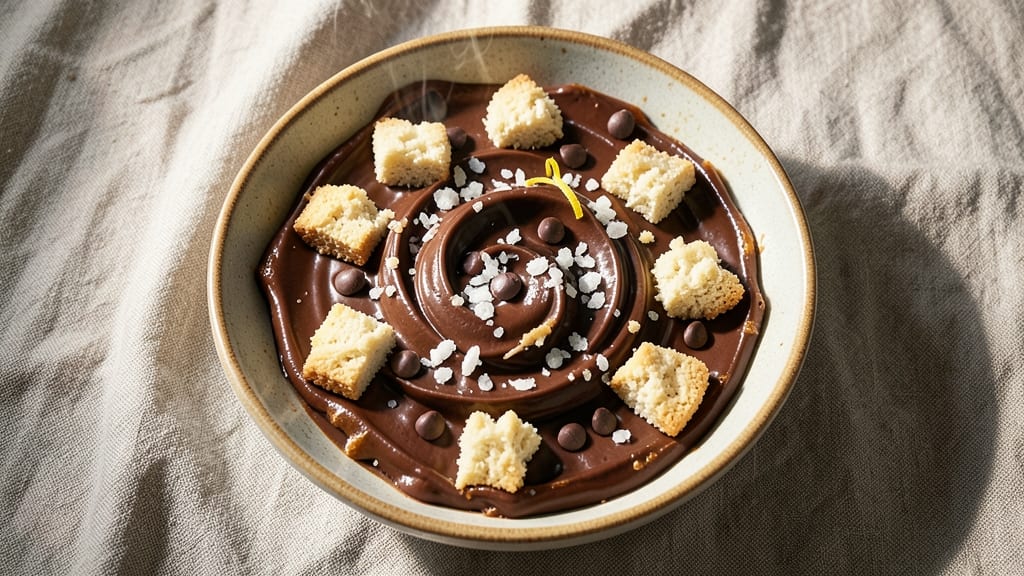
This Biscoff cookie bark recipe transforms simple ingredients into a no-bake masterpiece that’s perfect for holidays or spontaneous cravings. The magic lies in crispy vanilla cookies melted into rich chocolate, creating layers of buttery crunch and creamy sweetness.
I developed this recipe after years of perfecting cookie bark—balancing texture and flavor so every bite delivers that satisfying snap.
The beauty of this method is its simplicity: you’ll bake cookies, melt chocolate, and layer them together without any complicated techniques. No-bake doesn’t mean less flavor—just a smarter approach that keeps things foolproof.
The result? A visually stunning dessert with crispy edges, velvety chocolate, and pockets of vanilla cookie crumbles that disappear in seconds.
What sets this apart is the versatility—customize it with crushed pretzels for saltiness, citrus zest for brightness, or white chocolate drizzles for extra decadence. The cooling process is just as important as the baking, ensuring that crispy texture stays perfect until the very last bite.
Perfect for gifting, parties, or satisfying a sweet tooth, this recipe delivers restaurant-quality results with minimal effort. Let’s create something that looks as impressive as it tastes—without the fuss.
Ingredients for biscoff cookie bark
Buttery crunch meets velvety chocolate magic—just 12 ingredients for restaurant-worthy cookie bark.
| Ingredient | Amount | Notes |
|---|---|---|
| Vanilla Bean Shortbread Cookies 🍪 | 1 ½ cups | Crushed into fine crumbs (homemade or store-bought) |
| Semi-Sweet Chocolate Chips 🍫 | 1 ½ cups | High-quality for smooth melting (Ghirardelli preferred) |
| Unsalted Butter 🧈 | ½ cup | Cold, cubed for even melting (European-style preferred) |
| Heavy Whipping Cream 🥛 | ¼ cup | Full-fat for rich chocolate texture |
| Vanilla Extract 🌿 | 1 tsp | Pure, high-quality extract (Madagascar preferred) |
| Flaky Sea Salt 🧂 | ½ tsp | For finishing (Maldon preferred) |
| White Chocolate Chips 🍫 | ½ cup | Optional for drizzling (Guittard preferred) |
| Crushed Pretzels 🥨 | ¼ cup | For salty contrast (optional) |
| Lemon Zest 🍋 | 1 tsp | Brightens chocolate (optional) |
| Granulated Sugar 🍚 | 1 tbsp | For cookie dough (optional) |
| All-Purpose Flour 🌾 | ½ cup | For cookie dough (optional) |
| Parchment Paper 📄 | 1 sheet | For easy release and cutting |
The shortbread cookies are the backbone here—homemade delivers the best texture, but Trader Joe's vanilla shortbread works in a pinch. For the chocolate, Ghirardelli chips melt like a dream, but Guittard is a close second if you're watching your budget. European-style butter (like Plugrá) gives that extra richness, but don't stress if you only have regular—just make sure it's cold when you melt it. The heavy cream should be full-fat (none of that light stuff), and Madagascar vanilla extract makes all the difference, though pure imitation will do if that's what you've got. Maldon sea salt is ideal for finishing, but any flaky salt will work—just don't use table salt.
No vanilla shortbread on hand? Digestive biscuits crushed into fine crumbs work surprisingly well. Out of semi-sweet chocolate? Dark chocolate chips (60-70% cocoa) add depth, but reduce the amount slightly since they're more intense. Want extra crunch? Crushed Oreos or pecans swap in beautifully. The white chocolate drizzle is optional but adds that showstopper finish—Guittard melts smoother than most. For the cookie dough, if you're making it from scratch, King Arthur flour gives the best texture, but Bob's Red Mill is a solid backup. Lemon zest is a game-changer for brightness, but skip it if you're not feeling citrusy—this isn't a lemon bar.
This bark keeps beautifully—cool completely before cutting into squares for that perfect snap. Store in an airtight container in the fridge for up to 2 weeks, or freeze for up to 3 months (thaw at room temp for 10 minutes before serving). Pro tip: Double the recipe and give half away—it disappears faster than you can say 'no-bake dessert.' For gifting, wrap in cellophane with a ribbon and a sprinkle of flaky salt on top. The cooling process is key—don't rush it, or you'll lose that crispy edge. And if you're feeling fancy, drizzle with white chocolate right before serving—trust me, it's worth the extra minute.
Why You'll Love This Recipe
- No Baking Required: I swear by this when I’m too tired to preheat the oven—just crush those shortbread cookies, mix in melted butter and cream, then spread it out like a lazy charcuterie board. The texture stays crispy without a single sheet pan cleanup.
- Buttery Vanilla Bomb: That first bite? Crunchy shortbread meets gooey chocolate, all wrapped in a blanket of whipped cream’s airiness. Honestly, the vanilla extract ties it all together—like a hug from your favorite pastry chef.
- Party in a Box: Break it into squares for holiday gifts, stash it in lunchboxes for kids (or adults), or serve it at your next potluck. Between us, it’s the one dessert people always finish first—no fancy plating needed.
- Leftovers? More Like Leftovers: This stuff keeps for days in the fridge, and honestly? It’s even better the second day when the chocolate gets a little firmer. Plus, you’re using pantry staples—no weird ingredients or last-minute grocery runs. Win.
Step-by-step instructions for biscoff cookie bark
This no-bake treat comes together in minutes—rich, crunchy, and bursting with vanilla magic.
Melt the Chocolate and Butter
In a large microwave-safe bowl, combine the 1.5 cups semi-sweet chocolate chips and 0.5 cup unsalted butter. Microwave in 30-second intervals, stirring between each, until the mixture is completely smooth and glossy. You're looking for a temperature around 110°F—hot enough to melt completely but not so hot it seizes when you add the cream.
Here's the thing—chocolate can be temperamental. If you notice any graininess, simply return it to the microwave for 10-second bursts until fully silky. The goal is a velvety base that coats every crumb perfectly. Remove from microwave immediately after melting to prevent overheating.
Incorporate Cream and Flavorings
Add the 0.25 cup heavy whipping cream, 1 tsp vanilla extract, 1 tsp lemon zest, and 1 tbsp granulated sugar to the melted chocolate mixture. Whisk vigorously until fully combined and smooth. The lemon zest will brighten the chocolate's richness while the vanilla extract enhances the biscoff notes from the shortbread.
I like to use a silicone spatula for this step—it scrapes every last bit from the bowl's edges. The mixture should be thick but pourable. If it looks too thick, microwave for 10 seconds to loosen it slightly. This ensures the bark sets properly without turning grainy.
Crush the Shortbread Cookies
While the chocolate mixture cools slightly, pulse the 1.5 cups vanilla bean shortbread cookies in a food processor until you achieve fine, sand-like crumbs. You want them small enough to distribute evenly but not so fine they dissolve into the chocolate. If using store-bought cookies, check for any large chunks and pulse again as needed.
This is where the texture magic happens. The shortbread provides that perfect buttery crunch that complements the chocolate's smoothness. For best results, work quickly—you want to spread the bark while the chocolate is still warm enough to adhere to the crumbs but cool enough to set properly.
Assemble the Cookie Bark
Line a baking sheet with the 1 sheet parchment paper, leaving a 2-inch overhang on all sides for easy removal. Spread the chocolate mixture evenly over the parchment, using an offset spatula to create an even layer about ¼-inch thick. Work quickly—the chocolate will begin to set as it cools.
Sprinkle the crushed shortbread crumbs evenly over the chocolate layer, pressing down gently with the spatula to ensure they adhere. Then, scatter the 0.25 cup crushed pretzels and 0.5 cup white chocolate chips on top. The pretzels add a delightful salty contrast while the white chocolate chips create beautiful marbled patterns when melted.
Set and Finish
Let the bark cool and set at room temperature for 1 to 1.5 hours, or until firm to the touch. This cooling time is crucial—rushing it will result in a sticky, messy bark. For a more professional finish, place the baking sheet in the refrigerator for 30 minutes to speed up the setting process.
Once set, sprinkle the 0.5 tsp flaky sea salt evenly over the top. Use a fine-mesh sieve for an even distribution. The salt enhances all the flavors and provides a final textural contrast. Cut into squares or rectangles using the parchment paper overhang for clean edges. Store in an airtight container at room temperature for up to 5 days or refrigerate for up to 2 weeks.
Pro Tips For Making Biscoff Cookie Bark
- CRUSH THE COOKIES: I learned this the hard way—pulse those vanilla bean shortbread cookies in a food processor until they’re almost powder but still hold shape. If you grind them too fine, the bark turns into a dense slab instead of crispy shards. Aim for pea-sized crumbles, not flour.
- MELT THE CHOCOLATE RIGHT: Use a double boiler or microwave in 30-second bursts, stirring between each. If you rush it, the chocolate seizes and looks grainy. And for heaven’s sake, don’t sub dark chocolate—semi-sweet’s lower fat content melts cleaner and sets faster for that perfect snap.
- WHIP THE CREAM STIFF: Stop beating the heavy whipping cream when it just holds soft peaks—overwhipping turns it buttery and ruins the lightness. Fold it into the melted chocolate gently in two additions, or you’ll deflate the whole thing. (Yes, even if you’re impatient like me.)
- CHILL THE BARK FLAT: Spread the mixture onto parchment in an even layer—about ¼-inch thick—and pop it in the fridge for 10 minutes before breaking. Warm bark cracks unpredictably; cold bark snaps cleanly into perfect, edible shards. (Your future self will thank you.)
Pro cooking tips for biscoff cookie bark
Chocolate Melting Mastery
Microwave in 30-second bursts with stirring between each to avoid overheating—this keeps your chocolate silky smooth. I use a glass bowl because it heats more evenly than plastic. If you see any graininess, zap it for 10-second intervals until fully silky.
The ideal temperature is 110°F: hot enough to melt completely but cool enough to prevent seizing when you add cream. 🌡️
Crumb Perfection
Pulse your shortbread cookies in a food processor until they reach sand-like texture—no larger than ¼-inch pieces. This ensures even distribution and maximum crunch. If using store-bought cookies, check for any large chunks and pulse again.
The goal is to create tiny, even crumbs that won't sink to the bottom of your chocolate layer. 🍪
Layering Like a Pro
Spread your chocolate mixture in an even ¼-inch layer using an offset spatula—this creates consistent thickness. Work quickly after melting, as the chocolate begins setting within 10-15 minutes.
Press the cookie crumbs gently with the spatula to help them adhere before adding toppings. The 2-inch parchment overhang makes removal effortless later. ✨
Cooling Strategy
Let your bark set at room temperature for 1-1.5 hours—this prevents stickiness and ensures proper texture. For faster results, refrigerate for 30 minutes instead. The key is patience: rushing the cooling process leads to a gummy, unsatisfying bite.
I always test the firmness by gently pressing a finger—it should feel solid but still slightly pliable. ⏰
Salt Distribution
Use a fine-mesh sieve to sprinkle flaky sea salt evenly over the set bark. This creates visual appeal and balances sweetness with a subtle salty punch. I like to do this right before serving so the salt stays crisp.
For extra flair, add a few white chocolate chips on top and let them melt slightly into the bark. 🧂
Cutting for Clean Edges
Use the parchment overhang to lift the bark and cut into clean squares with a sharp knife. The parchment acts as a guide for straight edges. For a rustic look, use a pizza cutter instead.
Store in an airtight container at room temperature for up to 5 days—the flavors actually improve as the chocolate firms up. 📏
Nutrition facts
Frequently asked questions
Can I make this cookie bark without shortbread cookies?
Use digestive biscuits or graham crackers crushed into fine crumbs for a similar texture. For extra richness, try pecans or crushed Oreos—just adjust the sweetness level by reducing the sugar in the chocolate mixture slightly. The key is achieving that sand-like texture for even distribution.
Why did my cookie bark turn grainy?
Graininess usually happens when chocolate overheats or gets too thick before setting. Always melt chocolate in 30-second intervals and remove it from heat immediately after reaching 110°F. If it thickens too much, whisk in 1 tsp heavy cream to restore smoothness. Work quickly when layering—chocolate begins setting within 10-15 minutes after melting.
How do I store leftover cookie bark?
Store in an airtight container at room temperature for up to 5 days, or refrigerate for 2 weeks for maximum freshness. For longer storage, freeze for up to 3 months—thaw at room temperature for 10 minutes before serving. The flavors actually deepen as the chocolate firms up over time!
Can I make this vegan?
Yes! Swap the butter for vegan butter (like Miyoko's) and use coconut cream instead of heavy cream. For cookies, use a vegan shortbread recipe with flax eggs. The texture will be slightly different but still delicious. Just ensure all chocolate is vegan-certified—many brands contain dairy.
What's the best way to gift this bark?
Wrap individual squares in cellophane with a ribbon, or package the whole sheet in a gift box lined with parchment. For extra flair, sprinkle flaky sea salt or crushed nuts on top before wrapping. Store in a cool place until ready to serve—it keeps beautifully for 2 weeks refrigerated.