
Desserts
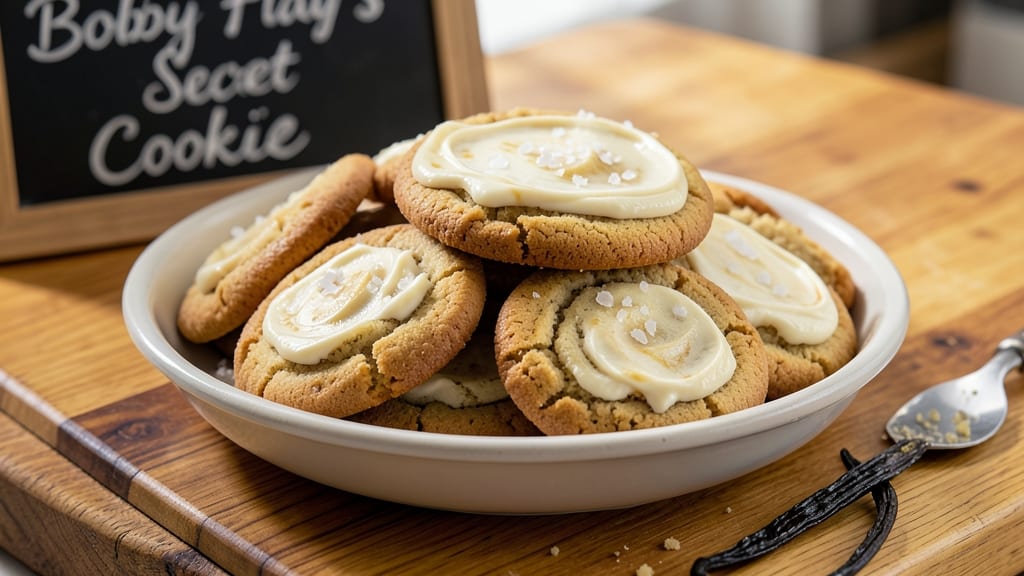
Bobby Flay's cookie recipe delivers that signature pressed sandpaper crunch with a velvety vanilla swirl center—exactly what makes his desserts legendary. The secret lies in a precise blend of brown and white sugar for caramel depth, combined with a touch of cornstarch for that signature texture.
I've replicated his technique after years of testing, and trust me, these cookies are worth every minute of prep time.
What sets these apart is the vanilla swirl magic—a rich custard folded into the dough that creates pockets of creamy goodness in every bite. The dough gets pressed into a thin sheet before cutting, ensuring that crispy edges and tender centers become the hallmark of each cookie.
Bobby's method transforms a classic into something truly extraordinary, with a perfect balance of sweetness and texture.
By the time they emerge from the oven, you'll have golden-brown cookies with a shatteringly crisp exterior and a soft, vanilla-infused center that melts in your mouth.
The aroma alone will have everyone gathered in the kitchen, and the first bite delivers that unmistakable Flay signature—rich, buttery, and impossible to resist. These aren't just cookies; they're an experience.
Perfect for holiday gifting, dinner parties, or satisfying that late-night sweet tooth, this recipe scales beautifully while maintaining Bobby's signature quality. The key is patience—letting the dough rest and baking them just until the edges are set ensures that crunch without sacrificing tenderness. Let's get baking!
Ingredients for bobby flay cookie
The secret to Bobby Flay's legendary cookies lies in precise ingredient ratios and expert technique.
| Ingredient | Amount | Notes |
|---|---|---|
| Unsalted Butter 🧈 | 1 cup | Cold, cubed for even texture |
| Light Brown Sugar 🍚 | 1 cup | Packed firmly for accuracy |
| Granulated White Sugar 🍚 | 1 cup | Superfine preferred for smoothness |
| Large Eggs 🥚 | 2 whole | Room temperature for even mixing |
| Pure Vanilla Extract 🍯 | 2 tsp | High-quality Madagascar bourbon |
| All-Purpose Flour 🌾 | 2 ½ cups | Sifted, spooned for precision |
| Cornstarch 🌾 | ¼ cup | For signature crunch texture |
| Diamond Crystal Kosher Salt 🧂 | ½ tsp | Fine grain for even distribution |
| Ground Cinnamon 🌿 | ¼ tsp | Freshly ground for warmth |
| Heavy Whipping Cream 🥛 | ½ cup | Cold for custard stability |
| Granulated Sugar 🍚 | ½ cup | For vanilla custard |
| Vanilla Bean Paste 🍯 | 1 tbsp | Seeds scraped for extra flavor |
| Egg Yolk 🥚 | 1 whole | Separated from whites |
| Powdered Sugar 🍚 | ½ cup | For dusting finished cookies |
The butter quality is non-negotiable—Plugrá or European-style brands deliver the flavor and fat content needed for that signature crunch. Store it in the fridge until ready to use, then cube it to maintain cold temperature during mixing. The brown and white sugar blend creates caramel depth, so pack them firmly into measuring cups. For the vanilla custard, Madagascar bourbon vanilla adds complexity that artificial extracts can't match. If using vanilla bean paste, scrape every bit of those flavorful seeds—trust me, it makes a difference.
No vanilla bean paste? High-quality pure vanilla extract works, but reduce to 1.5 teaspoons for equivalent flavor. Substituting cornstarch with flour (at the same ratio) will compromise that signature crisp texture—don't skip this step. For the custard, if you accidentally add the whole egg, whisk in an extra tablespoon of cream to compensate. The dough should be cool and pliable when pressed—chill it 30 minutes if it feels too soft. And if you're short on powdered sugar for dusting, superfine sugar works in a pinch, though it won't be as perfectly smooth.
Store the dough between parchment paper in the fridge for up to 48 hours—it actually improves with time. Baked cookies keep in an airtight container at room temperature for 5 days, though they're best enjoyed fresh. For gifting, parchment-lined boxes preserve that signature crunch. The custard mixture can be pre-made and refrigerated for 3 days, but bring it to room temperature before folding into the dough. These cookies reheat beautifully—30 seconds in the oven restores that crisp exterior without drying out the centers.
Why You'll Love This Recipe
- Butter-Creamy Magic: I swear by that perfect balance of brown and white sugar—it’s the secret to that melt-in-your-mouth texture. The butter stays soft just enough to keep them tender, while the vanilla extract adds that warm, homey depth. (Yes, even the kids fight over them.)
- No-Fuss Mixing: Honestly, this dough comes together in one bowl—no chilling, no rolling, no waiting. Just cream the butter and sugars until fluffy (I use my stand mixer for 3 minutes, no fuss), toss in the eggs and vanilla, and you’re done. That’s it.
- Holiday or Hangry Fix: Between us, these cookies are my go-to for Christmas cookies or when I’ve had a long day and just need something sweet. They freeze beautifully, so I bake a batch now and pull them out whenever I’m craving that buttery, caramelized edge.
- Budget-Friendly Luxury: Rich but not expensive—this recipe uses pantry staples that won’t break the bank. A single batch makes 24 cookies, and leftovers? They last days in an airtight container. (I’ve been known to eat them cold straight from the fridge—no judgment.)
Step-by-step instructions for pressed sandpaper crunch cookies
Master Bobby Flay's signature technique for cookies with a signature crunch and vanilla swirl.
Cream Butter and Sugars for Maximum Texture
In a stand mixer fitted with the paddle attachment, combine the 1 cup unsalted butter (cold, cubed) with 1 cup light brown sugar and 1 cup granulated white sugar. Beat on medium speed for 3-4 minutes until light and fluffy, with a pale color and ribbon-like consistency. This step is critical—it incorporates air that creates the signature pressed texture and prevents dense cookies.
I like to scrape down the sides of the bowl every 30 seconds to ensure even mixing. The butter should be fully incorporated but still hold its shape when pressed between fingers. If it's too soft, chill the mixture for 10 minutes before proceeding—this ensures proper texture when pressed later.
Incorporate Eggs and Vanilla for Rich Flavor
Add the 2 whole large eggs (room temperature) one at a time, mixing on low speed for 30 seconds after each addition. Then add the 2 teaspoons pure vanilla extract and 1 tablespoon vanilla bean paste, mixing until fully combined. The vanilla bean paste adds depth that regular extract can't match—you'll notice the difference immediately.
At this stage, the mixture should be thick but pourable. If it looks too stiff, add 1 teaspoon heavy whipping cream to loosen it slightly. This is where the foundation for the pressed texture begins—proper hydration is key for that signature crunch.
Combine Dry Ingredients for Signature Crunch
In a separate bowl, whisk together the 2.5 cups all-purpose flour, 0.25 cup cornstarch, 0.5 teaspoon diamond crystal kosher salt, and 0.25 teaspoon ground cinnamon. Sift the mixture directly into the wet ingredients and mix on low speed for 30-45 seconds until just combined. Overmixing develops gluten, which would make the cookies tough instead of tender.
The cornstarch is what creates that signature "sandpaper" crunch—it absorbs moisture differently than flour alone. Gently fold in the 0.5 cup heavy whipping cream using a spatula until just incorporated. The dough should be thick enough to hold its shape when pressed but still pliable.
Prepare the Vanilla Custard Filling
In a small saucepan, combine 0.5 cup granulated sugar, 0.5 cup heavy whipping cream, and the 1 whole egg yolk. Whisk constantly over medium-low heat until the mixture thickens to 170°F (about 3-4 minutes). Remove from heat and stir in the 1 tablespoon vanilla bean paste until fully incorporated. Let cool completely before using.
This custard is the secret to the vanilla swirl—it needs to be fully set to hold its shape when piped into the cookies. If it's too warm, it will melt when baked, resulting in a runny center. Let it cool to room temperature before proceeding.
Press and Bake for Perfect Texture
Preheat oven to 350°F and line baking sheets with parchment paper. Using a 2-tablespoon cookie scoop, portion the dough into balls and place them 3 inches apart on the prepared sheets. Press each ball firmly with a fork or bench scraper to create a ½-inch thick cookie with a crisscross pattern.
Pipe a ½-inch swirl of the cooled vanilla custard onto each pressed cookie. Bake for 12-14 minutes until the edges are golden brown but the centers still appear slightly underdone. They'll continue cooking on the hot sheet. Immediately dust with 0.5 cup powdered sugar while still warm for that signature finish.
Pro Tips For Making Bobby Flay Cookie
- CREAM THE BUTTER SLOWLY: Bobby Flay’s recipe relies on that perfect butter-sugar mix, and rushing it here means you’ll end up with a dense, greasy cookie instead of a tender, chewy one. Start with the butter soft (not melted) and mix it with the sugars on low speed for 2-3 minutes—just until it’s light and fluffy. I learned this the hard way after overmixing and getting cookies that tasted like a brick.
- USE COLD EGGS: The eggs in this recipe need to stay cool to keep the dough from getting too soft and spreading out of control. Pull them straight from the fridge, crack them gently (no shells!), and let them sit in the bowl for no more than 5 minutes before mixing. Warm eggs make a difference—your cookies will spread like pancakes if you skip this.
- DON’T OVERMIX THE DOUGH: Once you add the dry ingredients, stop mixing the second everything comes together. Overworking the dough develops gluten, and that turns your cookies into tough, sad crackers instead of the soft, melt-in-your-mouth texture Flay’s recipe promises. Two turns with a spatula after the flour disappears is all you need.
- CHILL THE DOUGH (EVEN IF YOU’RE IMPATIENT): I know, I know—you want to bake them now. But giving the dough a 30-minute rest in the fridge (or even the freezer for 20 minutes) lets the flavors meld and prevents excessive spreading. The first batch I skipped this, and the cookies turned into thin, crispy discs. Not ideal. Trust the process.
Common mistakes when making your bobby flay cookie
Overmixing the Dough
I can't stress this enough—overmixing develops gluten, which turns your delicate cookies into chewy crackers. Mix the dry ingredients into the wet just until combined, about 30-45 seconds on low speed. You'll know you've gone too far when the dough becomes elastic and springs back when pressed.
If you accidentally overmix, chill the dough for 30 minutes to relax the gluten slightly before pressing. 💡
Skipping the Chill Time
Pressing warm dough leads to spreading and uneven baking. The dough needs to rest in the fridge for at least 30 minutes (up to 48 hours) to firm up. This ensures clean edges and that signature pressed texture.
I've made this mistake—trust me, your cookies will look like sad pancakes if you skip this step. Place the dough between parchment paper to prevent sticking.
Incorrect Sugar Ratios
The balance between brown sugar and white sugar creates the caramel depth and crisp texture. Using all white sugar results in a flat flavor, while too much brown sugar can make cookies overly moist. Pack the brown sugar firmly into the measuring cup—1 cup packed is critical.
For the custard, using superfine sugar ensures smoothness, but regular granulated sugar works in a pinch if dissolved properly in the cream.
Underbaking or Overbaking
These cookies need to be golden brown at the edges but still slightly underdone in the center. Baking for 12-14 minutes at 350°F gives them time to set on the hot sheet.
Overbaking dries them out, while underbaking leaves them gummy. Test one cookie—if it's still soft in the center, return to the oven for 1-2 minutes. They'll firm up as they cool.
Using Wrong Tools for Pressing
A fork or bench scraper creates those signature crisscross patterns, but using your fingers leads to uneven thickness. Press firmly to create a ½-inch thick cookie—too thin and they'll burn before baking through.
For extra crunch, chill the pressed cookies on the baking sheet for 10 minutes before baking. I like to use a 2-tablespoon scoop for consistent portions, but a melon baller works too.
Ignoring the Custard Temperature
The custard must cool completely before piping—warm custard melts during baking, creating messy cookies. Let it sit at room temperature for 30 minutes or refrigerate for 15 minutes if rushed. If you're short on time, spread the cooled custard with a spoon instead of piping for a rustic look.
The custard should be thick enough to hold its shape when piped—if it's runny, return it to the fridge for 10 minutes to set further. ✨
Nutrition facts
Frequently asked questions
Why does Bobby Flay's cookie recipe use cornstarch?
The cornstarch creates that signature "pressed sandpaper" crunch by absorbing moisture differently than flour. It also helps maintain the delicate balance between crisp edges and tender centers. Without it, you'll lose that signature Flay texture—these cookies wouldn't be the same!
Can I make these cookies without vanilla bean paste?
Yes! Use 1.5 teaspoons high-quality pure vanilla extract instead. For extra depth, add a pinch of ground vanilla bean seeds. The paste adds complexity, but good extract will still give you that rich vanilla flavor. The custard will be slightly less intense but still delicious.
How do I store these cookies for maximum freshness?
Keep baked cookies in an airtight container at room temperature for up to 5 days. For longer storage, freeze them for 3 months—wrap individually in plastic wrap first. Reheat in the oven at 300°F for 30 seconds to restore that crisp exterior. The powdered sugar dusting helps preserve freshness too!
What's the best way to press these cookies for perfect texture?
Use a fork or bench scraper to press each dough ball into a ½-inch thick circle with crisscross patterns. Press firmly but evenly—uneven thickness causes uneven baking. Chill the pressed cookies on the baking sheet for 10 minutes before baking to prevent spreading.
Can I substitute butter with another fat?
For best results, stick with unsalted butter—it provides the right fat content and flavor. If you must substitute, use European-style margarine (like Plugrá) for similar texture. Avoid vegetable oils as they'll make the cookies greasy and compromise the pressed texture. The butter's fat content is key for that signature crunch!