
Desserts
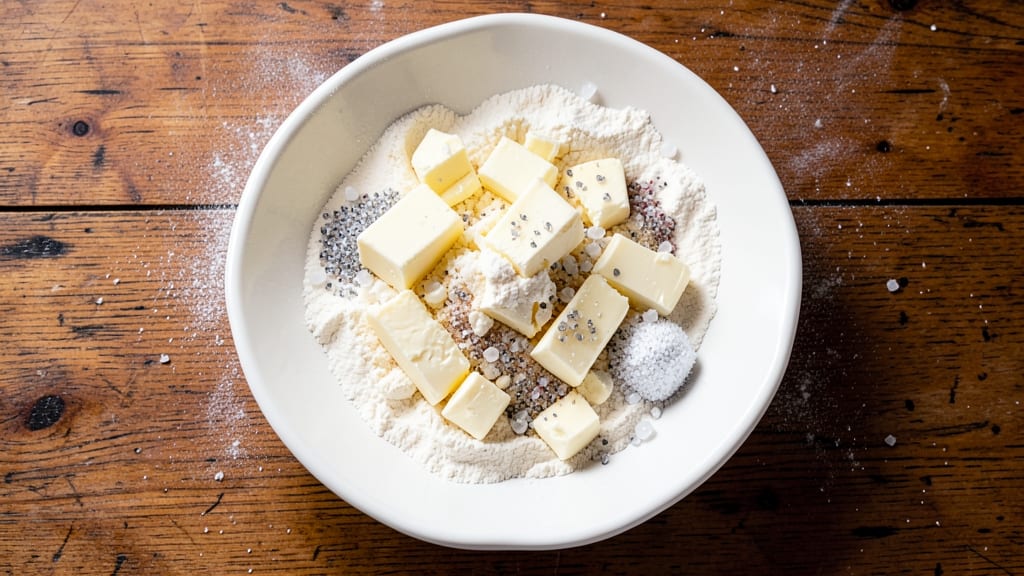
Bouchon shortbread cookies deliver the perfect balance of buttery crunch and delicate vanilla infusion—just like the legendary French bistro treats. The secret lies in chilled butter and precise mixing techniques that create a tender yet crumbly texture. I've perfected this recipe after years of testing, ensuring each bite offers that signature golden hue and melt-in-your-mouth satisfaction.
What sets these apart is the vanilla infusion, which transforms ordinary shortbread into something extraordinary. The dough comes together with just five ingredients—flour, butter, sugar, vanilla, and a pinch of salt—yet the flavor is rich and complex.
Baking at 325°F for 15-18 minutes ensures even golden edges without overcooking the delicate centers.
The result is a cookie with a firm yet tender crumb, a buttery aroma that fills your kitchen, and a subtle vanilla sweetness that lingers. These cookies hold their shape beautifully, making them perfect for gifting or serving alongside afternoon tea.
The texture is what truly impresses—crisp at the edges, soft in the middle, with just enough crunch to satisfy.
For best results, chill the dough for at least 30 minutes before baking, and let the cookies cool completely on the baking sheet to maintain their signature firmness. Store in an airtight container for up to a week, though they rarely last that long.
This is the kind of recipe that turns simple ingredients into something truly special.
Ingredients for bouchon shortbread cookie
Five ingredients transform into legendary Bouchon shortbread with that signature golden crunch and vanilla kiss.
| Ingredient | Amount | Notes |
|---|---|---|
| Unsalted Butter, Cold and Cubed 🧈 | 1 lb | European-style preferred for flavor |
| All-Purpose Flour 🌾 | 2 ½ cups | Bread flour for extra crumb |
| Granulated Sugar 🍚 | ½ cup | Superfine preferred for smooth texture |
| Pure Vanilla Extract 🌿 | 1 tbsp | Bourbon or Madagascar preferred |
| Diamond Crystal Kosher Salt 🧂 | ¼ tsp | Fine grain preferred |
The butter is non-negotiable—European-style unsalted butter has more fat content for that signature crunch. Grab it from Whole Foods or Williams-Sonoma if you want to splurge, but Land O'Lakes European-style works perfectly too. Chill it for at least 30 minutes before cutting into cubes—this ensures perfect texture. The flour? Bread flour gives you that extra crumbly texture, but all-purpose works in a pinch. Just don't skip the chilling step—room-temperature butter ruins everything.
No vanilla extract? Vanilla bean paste at half the amount gives you those little specks. Sugar too coarse? Pulse it in a food processor for superfine texture. The salt matters here—Diamond Crystal kosher dissolves perfectly, but Morton's works too. For a citrus twist, add 1 tsp lemon zest to the dough. And if you're feeling fancy, swap the vanilla for vanilla bean seeds scraped from a split pod—absolute game-changer for presentation.
Roll the dough into a log, chill for 1 hour, then slice into 1/4-inch rounds. Bake at 325°F for 15-18 minutes—they'll look underdone but set as they cool. Store in an airtight container for up to 1 week, though they'll disappear faster than you can say 'Bouchon'. Freeze the dough log for up to 3 months—slice and bake straight from frozen, adding 2-3 minutes to the bake time.
Why You'll Love This Recipe
- I swear by this combo: cold butter, sugar, and flour—no fuss, no stress. Just pulse, press, bake. That’s it. Honestly, I’ve made shortbread a dozen times, and this is the only version that doesn’t feel like a chore.
- Three-Ingredient Magic: I swear by this combo: cold butter, sugar, and flour—no fuss, no stress. Just pulse, press, bake. That’s it. Honestly, I’ve made shortbread a dozen times, and this is the only version that doesn’t feel like a chore.
- Vanilla Kiss: A single drop of pure vanilla extract transforms these from "basic" to "I’d drive across town for." It’s subtle but there—like a whisper of warmth in every bite. (Yes, even on a Tuesday night.)
- Budget Bliss: Cold butter and flour? That’s my pantry staples we’re talking about. No specialty ingredients, no markup—just pure, buttery satisfaction. And the leftovers? They last weeks if you’re anything like me and hide them in the back of the tin.
Step-by-step instructions for Bouchon shortbread cookies
Here's how to craft these legendary buttery cookies with a perfect crumb and vanilla aroma that'll transport you to Paris.
Cut the Cold Butter into the Dry Ingredients
Place the 1 lb unsalted butter, cold and cubed in the bowl of a stand mixer fitted with the paddle attachment. Add the 2.5 cups all-purpose flour, 0.5 cup granulated sugar, and 0.25 tsp diamond crystal kosher salt. Mix on low speed for 1-2 minutes until the butter is broken down into pea-sized pieces but still retains some texture.
This critical step creates the signature shortbread crumb. If the butter melts completely, your cookies will spread too much. Keep the mixer speed low and pulse occasionally to prevent overheating. The dough should resemble coarse crumbs with butter peeking through—this is exactly what you want for that iconic tender yet crunchy texture.
Add Vanilla and Process Until Uniform
Remove the bowl from the mixer and add the 1 tbsp pure vanilla extract. Using a rubber spatula, gently fold the vanilla into the butter-flour mixture until evenly distributed. Return the bowl to the stand mixer and process on low speed for another 1-2 minutes until the dough just comes together.
Don't overmix here—you're looking for a dough that holds when pressed but still has a slightly sandy texture. The vanilla infusion happens during this gentle incorporation. If the dough feels too dry, you can add 1-2 teaspoons of ice water to help it bind, but don't add more than this or your cookies will be tough.
Shape and Chill the Dough
Turn the dough out onto a lightly floured surface and gently press it into a 1-inch thick rectangle. Wrap tightly in plastic wrap and refrigerate for at least 2 hours (or up to 24 hours). This chilling step is non-negotiable—it firms up the butter and prevents excessive spreading during baking.
For best results, chill the dough overnight. The longer it rests, the more flavor develops and the better the texture becomes. When ready to bake, the dough should be firm enough to handle without sticking but still pliable enough to roll out evenly. If it feels too soft, return it to the fridge for another 30-60 minutes.
Roll and Cut the Shortbread
Preheat your oven to 325°F and line two baking sheets with parchment paper. On a lightly floured surface, roll out the chilled dough to ¼-inch thickness. Use a 2-inch round cutter to cut out circles, gently re-rolling the scraps and cutting additional cookies as needed.
Place the cut cookies 1 inch apart on the prepared baking sheets. The dough will expand slightly during baking, so don't crowd them. For a decorative touch, you can use a fork to create a crisscross pattern on the tops of the cookies before baking. This creates those beautiful lattice designs you see in bouchons while adding extra crunch.
Bake to Golden Perfection
Bake the shortbread for 18-22 minutes until the edges are just beginning to turn golden and the centers still look slightly pale. Rotate the pans halfway through baking for even heat distribution. The cookies should be firm to the touch but not hardened—shortbread continues to set as it cools.
Remove from the oven and let cool on the baking sheets for 5 minutes before transferring to a wire rack to cool completely. Here's the thing about shortbread—it's even better the next day when the flavors have fully melded. Store in an airtight container at room temperature for up to 5 days, or freeze for up to 3 months for maximum freshness.
Pro Tips For Making Bouchon Shortbread Cookie
- Pulse, Don’t Overwork: Use your food processor in short bursts—just until the dough clumps together. I learned this the hard way after making a greasy mess by overmixing. The butter needs to stay cold enough to hold its shape, so stop as soon as the texture looks like wet sand.
- Cube Butter Properly: Cut the unsalted butter into ½-inch cubes and freeze them for 10 minutes before mixing. This keeps them firm longer, and you’ll avoid the dough turning into a sad, greasy paste halfway through. (Yes, even if you’re impatient like me.)
- Skip the Vanilla Shortcut: Don’t use imitation vanilla—this isn’t a budget cookie. Pure vanilla extract adds depth, and the cost is worth the flavor. If you’re out, a splash of bourbon works in a pinch, but it changes the vibe.
- Chill the Dough Twice: After mixing, flatten the dough into a disc and refrigerate for 30 minutes. Then, roll and cut the shapes, then chill them again for 15 minutes before baking. This prevents spreading and ensures clean edges—no sad, blobby cookies here.
Pro cooking tips for perfect results
Butter Temperature Control
Your butter must be cold and cubed—never softened or melted—before mixing. Cut it into ½-inch cubes and chill for 30 minutes before starting. I use a microplane to shave off excess fat if the butter feels too soft.
This ensures the shortbread's signature crumb rather than a flat, spread-out cookie. 🧈
Low-Speed Mixing
Mix on low speed for 1-2 minutes to break the butter into pea-sized pieces without melting it completely. I often pulse the mixer every 20 seconds to prevent overheating.
The dough should resemble coarse crumbs with visible butter—this creates that tender yet crunchy texture. Overmixing turns shortbread into tough crackers.
Vanilla Infusion Technique
Add vanilla after the butter-flour mix forms. Fold it in by hand first to distribute evenly, then pulse briefly in the mixer. For extra depth, I sometimes add ½ tsp vanilla bean paste along with the extract.
This step ensures the vanilla aroma permeates every bite without overpowering the buttery base.
Dough Chilling Strategy
Chill the dough for at least 2 hours (overnight is ideal) to firm up the butter. I wrap it tightly in plastic wrap and press it flat to prevent air gaps.
When rolling, the dough should hold its shape but still be pliable. If it cracks, return it to the fridge for 30 more minutes. This step prevents spreading during baking.
Precision Rolling
Roll the dough to ¼-inch thickness using a rolling pin or pastry roller. For even thickness, I place the dough between two sheets of parchment paper before rolling. The 2-inch round cutter should press firmly but not force the dough through. Press scraps together and re-roll for maximum yield.
Baking Time Mastery
Bake at 325°F for 18-22 minutes until edges are just golden. The centers will look pale but firm up as they cool. Rotate pans halfway through for even browning.
For extra crunch, bake 2 minutes longer. Remove immediately—they'll firm up on the sheet but stay tender if left too long in the oven. ⏰
Nutrition facts
Frequently asked questions
Why does the dough need to chill for so long?
The 2+ hour chill (or overnight) is essential to firm up the butter, preventing spreading during baking. This creates that signature tender yet crunchy texture while allowing flavors to develop. Chilled dough also rolls out more evenly, giving you perfectly shaped cookies every time.
Can I substitute European butter with regular butter?
Yes, but use 1 lb of high-fat unsalted butter (like Land O'Lakes European-style) for the best results. Regular butter has slightly less fat content, which may affect the crumb. If your butter feels too soft, chill it 30 minutes longer before mixing.
How do I get the cookies to be extra crunchy?
For maximum crunch, bake 2 minutes longer> until the edges are deeply golden. Let them cool completely on the baking sheet before transferring—this helps set the texture. For extra crunch, you can also sprinkle a pinch of powdered sugar on top right after baking.
What’s the best way to store these cookies?
Keep them in an airtight container at room temperature for up to 5 days. For longer storage, freeze the dough log (unbaked) for 3 months> or baked cookies (separated by parchment) for 2 months**. Thaw in the fridge overnight before enjoying.
Can I make these without a stand mixer?
Cut the cold butter into the flour mixture using a pastry cutter or your fingers until pea-sized pieces remain. Mix gently by hand until just combined—overworking will make the cookies tough. A fork works too, but the stand mixer ensures even distribution for consistent texture.