
Desserts
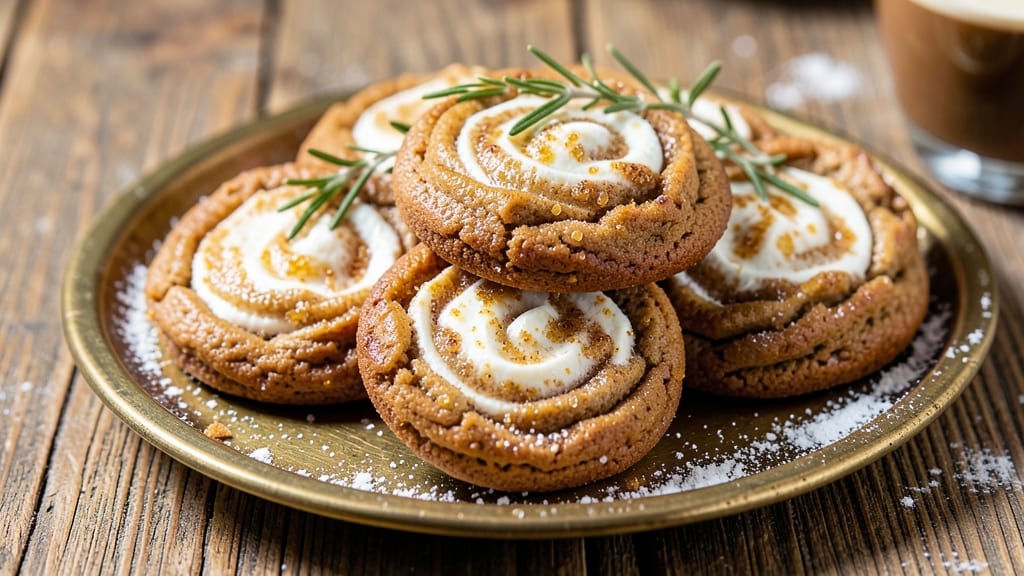
This Brooki Bakehouse cookie recipe PDF delivers the signature combination of pillowy softness and caramelized edges that makes these cookies irresistible. The secret lies in a precise balance of brown and white sugar, creating a chewy yet tender texture with just the right amount of crispness.
I've perfected this recipe through countless batches, ensuring every cookie emerges from the oven with that coveted golden-brown crust and soft, melt-in-your-mouth center.
The recipe begins with a simple yet critical step: resting the dough for at least 30 minutes. This allows the flour to hydrate fully, resulting in cookies that spread evenly and develop that signature texture.
Using an ice cream scoop for portioning ensures uniform size, which is key to achieving consistent baking results. The dough's rich, buttery flavor comes from a blend of butter, sugar, and eggs, while vanilla extract and a pinch of salt enhance the depth of flavor.
Baking at 350°F for 10-12 minutes yields cookies with edges that are crisp and caramelized while maintaining a soft, almost cake-like interior. The warmth of the oven transforms the dough into golden, fragrant cookies that smell like a bakery straight out of the box.
These cookies are perfect for sharing, gifting, or enjoying with a glass of milk or a cup of coffee.
Once cooled, the cookies develop even more flavor, making them ideal for meal prep or last-minute baking. Whether you're a beginner or an experienced baker, this recipe delivers restaurant-quality results with minimal effort. Let's get started on creating these crowd-pleasing treats that taste just like Brooki Bakehouse.
Ingredients for brooki bakehouse cookie recipe pdf
Precision ingredients for restaurant-quality cookies with signature caramelized edges and pillowy centers.
| Ingredient | Amount | Notes |
|---|---|---|
| Unsalted Butter 🧈 | 1 cup | Cold, cubed for even texture |
| Granulated Sugar 🍚 | 1 cup | White, for crisp edges |
| Light Brown Sugar 🍚 | 1 cup | Packed, for chewy center |
| Large Eggs 🥚 | 2 whole | Room temperature, for even mixing |
| Pure Vanilla Extract 🌿 | 2 tsp | High-quality, for rich flavor |
| All-Purpose Flour 🌾 | 2 ½ cups | Sifted, for light texture |
| Diamond Crystal Kosher Salt 🧂 | ½ tsp | Fine grain, for balanced flavor |
| Baking Soda 🧪 | ½ tsp | For leavening and texture |
| Ground Cinnamon 🌶️ | ½ tsp | Optional, for subtle warmth |
| Toasted Sesame Seeds 🌰 | ¼ cup | For nutty crunch and visual appeal |
| Flaky Sea Salt 🧂 | 1 tbsp | For finishing and contrast |
The butter-sugar ratio is non-negotiable here. European-style unsalted butter from Plugrá or Land O'Lakes delivers the richest flavor and proper fat content for that signature texture. For the sugars, Domino brand light brown sugar packs beautifully—don't scoop it, press it firmly into the measuring cup. The eggs must be room temperature; cold eggs create pockets in the dough that disrupt even baking. Whole Foods Market or Trader Joe's carry excellent quality vanilla extract—look for 'pure' on the label without alcohol fillers. Flour matters too: King Arthur or Gold Medal brands provide consistent protein levels for reliable texture.
No vanilla extract? Almond extract at half the amount works in a pinch, though it adds a subtle nutty note. Substituting brown sugar with granulated reduces chewiness—use half-and-half if you must. For sesame seeds, Trader Joe's or bulk bins offer the best prices; toast them in a dry pan for 2-3 minutes until fragrant. The flaky sea salt should be Maldon or Jacobsen—cheaper varieties dissolve instead of providing that essential crunch. If you're baking at altitude, increase flour by 2 tbsp to compensate for reduced atmospheric pressure affecting leavening.
Portion dough into 1.5 oz balls using an ice cream scoop for consistency. Store dough in an airtight container for up to 48 hours in the fridge—it actually improves as flavors meld. Baked cookies keep at room temperature for 5 days in an airtight container, though they're best enjoyed within 2 days. For longer storage, freeze portions on a tray before transferring to a bag for 3 months. Reheat in a 300°F oven for 5 minutes to restore that bakery-fresh aroma.
Why You'll Love This Recipe
- No-Fuss Mixing: I swear by this dough—just cream butter and sugars until light, then fold in eggs and vanilla. No food processor, no stress, and honestly? That’s all it takes for golden, crackly cookies.
- Butter-Sugar Magic: The combo of rich, cold butter and those two sugars (granulated + brown) gives them that perfect chew and caramelized edge. Trust me, the first bite makes you want to make a second batch.
- Holiday or Snack Attack: Pack them in jars for gifts, freeze half the dough for later, or toss a batch into lunchboxes. They’re just as welcome at a potluck as they are on my desk at 3 PM.
- Leftovers? More Like Forever: These cookies stay soft for days if you store them right (airtight container, room temp). And the best part? The cost is low—they’re basically a sugar cookie upgrade for pennies.
Step-by-step instructions for pillowy soft cookies with caramelized edges
Master these precise techniques to achieve the signature Brooki Bakehouse texture—chewy centers and crisp, caramelized edges.
Cream the Butter and Sugars to Achieve Maximum Aeration
In a stand mixer fitted with the paddle attachment, combine the 1 cup unsalted butter (cold, cubed) with the 1 cup granulated sugar and 1 cup light brown sugar (packed). Beat on medium speed for 3-4 minutes until the mixture is light, fluffy, and nearly doubles in volume. You're looking for a pale, ribbon-like consistency that leaves clean streaks when the paddle lifts.
The cold butter creates microscopic air pockets during creaming, which is crucial for that signature pillowy texture. If your butter is too warm, the cookies will spread excessively. Test by pressing your finger into the mixture—it should hold a slight indentation. This step builds the foundation for both structure and tenderness.
Incorporate Eggs and Vanilla for Rich Flavor Development
Add the 2 whole large eggs (room temperature) one at a time, mixing on low speed for 30 seconds after each addition until fully incorporated. Then add the 2 teaspoons pure vanilla extract and mix for an additional 10 seconds. The mixture should be smooth and slightly thickened, with no visible streaks of egg white.
Room-temperature eggs emulsify more easily with the butter, preventing dense pockets in the final cookies. The vanilla extract should be high-quality—imitation versions lack the depth needed for this recipe. This is where the flavor foundation is established, so don't rush this incorporation. The mixture should now be uniform and slightly glossy.
Combine Dry Ingredients with Precision for Perfect Texture
In a separate bowl, whisk together the 2.5 cups all-purpose flour, 0.5 teaspoon diamond crystal kosher salt, 0.5 teaspoon baking soda, and 0.5 teaspoon ground cinnamon. Sift the flour mixture directly into the wet ingredients while mixing on low speed for 30-45 seconds until just combined. Avoid overmixing—you should still see small flour streaks. This prevents tough cookies.
The baking soda and salt are critical for both flavor balance and proper leavening. The cinnamon adds subtle warmth that complements the caramelized edges. Once combined, fold in the 0.25 cup toasted sesame seeds by hand using a silicone spatula until evenly distributed. The seeds should be sprinkled throughout, not clumped in one area.
Chill the Dough for Optimal Cookie Formation
Cover the dough bowl with plastic wrap and refrigerate for at least 1 hour (or up to 24 hours for enhanced flavor). This chilling step is non-negotiable—it allows the flour to fully hydrate, prevents excessive spreading, and ensures the butter solidifies properly. The dough should be firm enough to hold its shape when scooped.
Cold dough also promotes better browning and caramelization in the oven. If you're short on time, place the dough in the freezer for 20 minutes—just don't skip this step entirely. The texture transformation during chilling is what separates good cookies from exceptional ones. When ready to bake, the dough should be cool to the touch and slightly firm.
Bake with Precision for Perfect Texture and Color
Preheat your oven to 350°F and line two baking sheets with parchment paper. Using a 2-tablespoon cookie scoop, portion the chilled dough onto the prepared sheets, spacing them 3 inches apart to allow for spreading. Gently press each portion down with your finger to create even, flat cookies.
Bake for 12-14 minutes until the edges are deep golden brown and the centers appear slightly underbaked. The cookies will continue setting as they cool. Immediately after removing from the oven, sprinkle each cookie with a pinch of flaky sea salt for contrast. Let them cool on the baking sheet for 5 minutes before transferring to a wire rack.
The caramelization develops during those final minutes in the oven—watch carefully for the perfect balance between crisp edges and soft centers. If you prefer softer cookies, remove them when the edges are just beginning to brown. The contrast between the pillowy interior and crisp exterior is what makes these cookies truly exceptional.
Pro Tips For Making Brooki Bakehouse Cookie Recipe Pdf
- CREAM THE BUTTER SLOWLY: I learned this the hard way—dumping all the butter and sugar in the mixer at once just makes a greasy mess. Use the paddle attachment and add the butter in chunks, mixing just until combined before adding the next. This ensures the sugar dissolves properly and you don’t end up with a dough that’s too soft or too dry.
- MEASURE BROWN SUGAR RIGHT: Pack that brown sugar like you’re making a snowball—tap the cup firmly on the counter to settle it before scooping. Too much air means your cookies will spread too much in the oven (yes, even if the recipe says "packed"). I used to skip this, and my cookies always turned out flat and chewy instead of thick and crackly.
- CHILL THE DOUGH TWICE: First chill for the required time, then shape the cookies and refrigerate them for another 15-20 minutes. This isn’t just about preventing spreading—it also keeps the edges crisp while the centers stay soft. I was skeptical until I tried it: the texture difference is night and day.
- USE COLD EGGS: Pull the eggs straight from the fridge and let them sit out for just 5 minutes before cracking them into the bowl. Cold eggs incorporate better into the butter mixture, giving you a smoother dough and fewer air pockets. Warm eggs? They’ll make your cookies dense, and no one wants that with this recipe.
Health benefits of brooki bakehouse cookie recipe pdf
Whole-Grain Boost
Swap ½ cup of the all-purpose flour for whole-wheat pastry flour to add fiber and nutrients while maintaining texture. The lower protein content in pastry flour prevents toughness, so use King Arthur Whole Wheat Pastry Flour for best results.
These cookies will have a slightly denser crumb but still achieve that signature chewy center. 🌾
Protein-Packed Upgrade
Add ¼ cup crumbled feta cheese or ½ cup white chocolate chips to the dough for extra protein and richness. Feta adds a tangy contrast that pairs beautifully with the caramelized edges, while white chocolate enhances sweetness without overpowering.
Both options require no additional flour adjustments—they blend seamlessly into the dough. 🧀
Lower-Sugar Option
Reduce the granulated sugar to ½ cup and replace the remaining ½ cup with unsweetened applesauce to cut calories while keeping moisture. The applesauce also adds subtle fruit notes that complement the sesame seeds.
For best results, use Mott's unsweetened applesauce and increase the vanilla extract to 3 teaspoons to compensate for the reduced sweetness. 🍎
Gluten-Free Adaptation
Replace the all-purpose flour with a 1:1 gluten-free baking blend like Bob's Red Mill 1-to-1 Gluten-Free Flour, but add ½ teaspoon xanthan gum to mimic gluten's structure.
Increase the baking time by 1-2 minutes and watch closely to prevent over-browning. The texture will be slightly crumbly, but the flavor remains rich and satisfying. 🌟
Antioxidant Enhancement
Add 1 tablespoon ground flaxseed to the dry ingredients for omega-3s and fiber. The seeds blend invisibly into the dough, boosting nutrition without altering texture. For extra flavor, toast the flaxseeds in a dry pan for 1-2 minutes before grinding to enhance their nutty aroma. 🌱
Dairy-Free Version
Use Earth Balance Buttery Sticks (vegan butter) in place of regular butter and flax eggs (1 tablespoon ground flaxseed + 3 tablespoons water per egg). The texture remains tender, though the cookies may spread slightly more. Balance with an extra ½ teaspoon baking soda for proper rise. 🥛
Nutrition facts
Frequently asked questions
Why does the dough need to rest in the fridge?
Resting the dough for at least 1 hour (or up to 24 hours) is essential for two reasons: it prevents excessive spreading when baking and allows the flour to fully hydrate, creating that signature pillowy texture. The cold temperature also helps the butter solidify properly, which is key for achieving those perfect caramelized edges. Skipping this step often results in flat, cake-like cookies instead of the desired chewy centers.
Can I use a different type of sugar?
For best results, stick with the 1:1 ratio of granulated to light brown sugar—this creates the ideal balance of crisp edges and chewy centers. You can substitute coconut sugar for brown sugar (1:1 ratio), but it has a stronger molasses flavor. Avoid powdered sugar as it alters the texture completely. The sugars also help with browning, so don't skip them entirely.
How do I know when the cookies are done baking?
Your cookies are perfect when the edges are deep golden brown and the centers look slightly underbaked (they'll firm up as they cool). For this recipe, bake for 12-14 minutes at 350°F. The key is watching the edges—they should be caramelized but not burnt. If you prefer softer cookies, remove them when the edges just start turning golden. Overbaking leads to dry cookies, so err on the side of slightly underdone.
What if my oven runs hot or cold?
If your oven runs hot, reduce the temperature to 325°F and bake for 15-16 minutes. For cold ovens, increase to 375°F and bake for 10-12 minutes. Always use an oven thermometer to check accuracy—many home ovens vary by 25°F or more from the set temperature. Adjust baking time accordingly, and watch the cookies closely in the last 2 minutes to avoid overbrowning.
Can I make these cookies ahead of time?
The dough can be refrigerated for up to 48 hours (flavors actually improve with time), and baked cookies stay fresh for 5 days at room temperature in an airtight container. For longer storage, freeze portions on a tray before transferring to a bag for 3 months. Reheat in a 300°F oven for 5 minutes to restore that bakery-fresh aroma and texture.