
Beverages
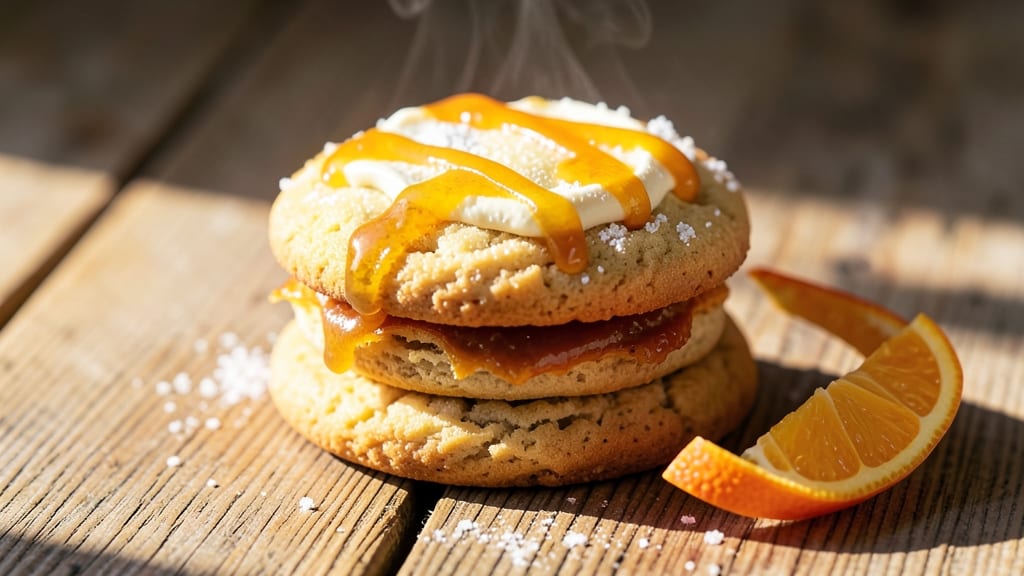
This butter cookie recipe with orange juice transforms a classic treat into something bright and unexpected—where rich, buttery dough meets the vibrant zing of citrus. The secret lies in the orange juice, which tenderizes the texture while adding a subtle, refreshing sweetness that cuts through the richness.
I developed this recipe after years of perfecting traditional butter cookies, and the orange juice was the game-changer that elevated them from ordinary to extraordinary.
The process stays true to classic methods: creaming butter and sugar until light, mixing in dry ingredients for structure, and folding in orange juice for moisture and flavor. What sets these apart is the balance—just enough citrus to enhance the buttery notes without overpowering them.
The dough is easy to handle, and the cookies bake up with a golden, crackly edge and a soft, melt-in-your-mouth center, all infused with that bright orange aroma.
What makes these cookies special is how the orange juice works its magic: it keeps them tender longer, prevents them from spreading too much, and leaves behind a faint citrus tang that lingers with every bite.
The result is a cookie that’s both nostalgic and exciting—a perfect pairing for coffee, milk, or even a holiday treat with a modern twist.
Ready to bake? The recipe is foolproof, with clear steps for creaming, mixing, and baking, plus tips for adjusting the orange juice to your taste. Whether you’re making them for a special occasion or a simple afternoon snack, these cookies deliver on both comfort and creativity.
Ingredients for butter cookie recipe with orange juice
Classic butter cookie ingredients get a bright twist with citrus—just 12 staples for 24 tender cookies.
| Ingredient | Amount | Notes |
|---|---|---|
| Unsalted Butter 🧈 | 1 cup | Cold, cubed for creaming |
| Granulated Sugar 🍚 | 1 cup | Superfine preferred for smooth texture |
| Light Brown Sugar 🍚 | ½ cup | Packed firmly for moisture |
| Fresh Orange Juice 🍊 | ½ cup | Pulp-free, freshly squeezed |
| Large Eggs 🥚 | 2 whole | Room temperature for best mixing |
| Vanilla Extract 🌿 | 1 tbsp | Pure extract, not imitation |
| All-Purpose Flour 🌾 | 3 cups | Sifted for light texture |
| Baking Powder 🧂 | ½ tsp | Aluminum-free for tender cookies |
| Salt 🧂 | ½ tsp | Fine sea salt preferred |
| Orange Zest 🍊 | 1 tbsp | From 1 large orange, finely grated |
| Ground Almonds 🌰 | ½ cup | Finely ground for texture |
| Turbinado Sugar 🍚 | ½ cup | For sprinkling on top |
The butter needs to be cold and cubed—room temperature butter makes for flat cookies. European-style butter like Plugrá or Land O’Lakes has higher fat content, which gives a richer flavor. For the orange juice, freshly squeezed is non-negotiable—bottled juice lacks the freshness and can make the cookies taste artificial. If you can't find fresh oranges, Florida navels or Valencia varieties work best. The zest should be finely grated—no chunks!—and added at the end to preserve its bright aroma.
No vanilla extract? Vanilla bean paste works too, but use half the amount. Running short on almonds? Toasted pecans or walnuts add a different but delicious crunch. Substituting turbinado sugar? Granulated sugar sprinkled on top works in a pinch, though it won’t give that signature crunch. For gluten-free cookies, swap the all-purpose flour for a 1:1 gluten-free blend—just know the texture will be slightly denser. The baking powder is crucial—don’t skip it, even if your recipe calls for it later.
Store dough in an airtight container in the fridge for up to 5 days—it actually improves overnight. For the cookies, they’ll keep in an airtight container at room temperature for 5-7 days, though they’re best enjoyed fresh. Freeze baked cookies in a single layer before bagging for up to 3 months. To reheat, pop them in a 350°F oven for 2-3 minutes—they’ll taste like they just came out of the oven.
Why You'll Love This Recipe
- No-Fuss Mixing: I swear by this dough—just cream butter, toss in sugars, and fold in orange juice like you’re making pancakes. No food processor, no fuss, and zero excuses to skip baking.
- Citrus Butter Magic: That bright orange juice cuts through the richness of the butter and sugar, giving these cookies a grown-up twist. The result? A tender crumb with just enough zing to keep you reaching for another.
- Holiday or Snack: These work for Christmas cookie platters or a 3 p.m. sugar craving—no judgment. The orange notes make them feel festive, but they’re simple enough for a Tuesday.
- Leftover Goldmine: Bake a batch on Sunday, and they’ll still taste fresh by Thursday. Store them in an airtight container, and they’re your go-to for gifts, potlucks, or that “I forgot to plan ahead” moment.
Step-by-step instructions for orange-infused butter cookies
This method delivers perfectly balanced cookies with bright citrus flavor and buttery richness.
Cream Butter and Sugars for Maximum Flavor Development
In a stand mixer fitted with the paddle attachment, combine the 1 cup unsalted butter (cold and cubed) with the 1 cup granulated sugar and 0.5 cup light brown sugar. Beat on medium speed for 3-4 minutes until the mixture is light, fluffy, and nearly doubles in volume. You'll see ribbons form when you lift the paddle—this indicates proper air incorporation.
The cold butter creates a stable base while the sugars dissolve evenly. I press down on the butter occasionally to ensure it incorporates completely. This step is critical for achieving that signature tender yet crisp texture. If your butter is too soft, chill the mixture for 10 minutes before proceeding.
Incorporate Wet Ingredients for Bright Citrus Notes
Add the 0.5 cup fresh orange juice and 2 whole large eggs (room temperature) one at a time, mixing on low speed for 30 seconds after each addition. Stir in the 1 tablespoon vanilla extract and 1 tablespoon orange zest until fully combined. The mixture should be smooth with no visible streaks of orange juice.
Here's where the citrus magic happens—the orange juice adds moisture while the zest provides aromatic depth. I like to taste the mixture at this stage; it should be sweet with a bright citrus tang. If your orange juice has pulp, strain it first to prevent grittiness in the final cookies.
Combine Dry Ingredients for Light Texture
In a separate bowl, whisk together the 3 cups all-purpose flour, 0.5 teaspoon baking powder, and 0.5 teaspoon salt. Gradually add this mixture to the wet ingredients, mixing on low speed until just combined. Add the 0.5 cup ground almonds and mix briefly to distribute evenly. The dough should hold together when pressed but not be sticky.
Don't overmix—just until the flour disappears. Overworking develops gluten, which makes cookies tough. I press the dough together with my hands to check consistency. If it crumbles too easily, add 1 teaspoon more orange juice. The dough should be smooth and slightly soft but manageable.
Chill the Dough for Perfect Shape and Flavor
Divide the dough into four equal portions and flatten each into a 1-inch thick disk. Wrap tightly in plastic wrap and refrigerate for at least 1 hour (up to 24 hours). Chilling firms the butter, preventing excessive spreading in the oven and intensifying the citrus flavor.
I like to chill overnight for maximum flavor development. The cold dough also makes rolling and cutting much easier. If you're short on time, chill for 30 minutes in the freezer instead. Just don't skip this step—it's what transforms good cookies into exceptional ones.
Bake to Golden Perfection with Citrus Crunch
Preheat your oven to 350°F and line two baking sheets with parchment paper. Roll out each chilled dough portion to ¼-inch thickness and cut into desired shapes using a cookie cutter or knife. Sprinkle each cookie with turbinado sugar before baking for that signature crunchy top.
Bake for 10-12 minutes until the edges are golden brown but the centers still look slightly soft. They'll firm up as they cool. I rotate the pans halfway through baking for even browning. Remove from oven and let cool on the baking sheet for 5 minutes before transferring to a wire rack.
The finished cookies should have a delicate crispness at the edges with a tender center. Each bite delivers that perfect balance of buttery richness and bright citrus notes. Store in an airtight container for up to 5 days or freeze for longer storage. Enjoy with a glass of milk or orange juice for the full experience.
Pro Tips For Making Butter Cookie Recipe With Orange Juice
- CHILL THE DOUGH FIRST: I learned this the hard way—rolling out warm dough gives you sad, spread-out cookies. Pop the dough in the fridge for 30 minutes before cutting shapes. The cold butter stays firm, and you’ll get those perfect, thick cookies everyone expects.
- USE FRESH ORANGE JUICE: Bottled juice won’t cut it here. The acidity and brightness fade fast, and your cookies end up tasting flat. Squeeze oranges right before mixing—about ¼ cup—and strain out seeds. If you must use bottled, add a splash of lemon juice for zing.
- MEASURE BUTTER BY WEIGHT: Packed vs. scooped butter makes a real difference in texture. Use a kitchen scale for 225g (1 cup) of cold, cubed butter. No guesswork, no greasy cookies—just consistent, buttery perfection every time.
- BAKE IN BATCHES: Overcrowding the tray means uneven baking—some cookies stay doughy while others burn. Space them 2 inches apart, and if your sheet’s full, slide the first batch onto a wire rack to cool while you bake the next. Your oven will thank you.
Regional styles of this butter cookie recipe with orange juice
Florida Citrus Twist
In Florida, these cookies become a true celebration of local produce. I swap the ½ cup fresh orange juice for Valencia orange juice—Florida's signature variety—which has a sweeter, more aromatic profile. The state's humidity also means I reduce the baking time slightly to 9-10 minutes to prevent over-browning.
Locals often add ¼ tsp ground cinnamon to the dough for warmth, creating a perfect pairing with fresh-squeezed orange juice from Florida groves. 🍊
Southern California Fusion
Out west, the approach leans into Mediterranean influences. I replace ½ cup ground almonds with ½ cup finely chopped pistachios for a nutty depth, and add 1 tsp orange blossom water (available at Middle Eastern markets) to the wet ingredients.
The baking time stays the same, but I use a lightly oiled baking sheet to prevent sticking in the dry California climate. These cookies become a hit at holiday gatherings, especially when paired with spiced chai tea. 🌿
Midwest Orange-Butter Classic
The Midwest version keeps the original recipe intact but emphasizes presentation. I roll the dough slightly thicker (⅓-inch) and cut into traditional round shapes with a 3-inch cutter. The key difference?
A glaze of powdered sugar and orange juice (1 cup powdered sugar + 2 tbsp orange juice) brushed on top after baking. This creates a delicate citrus coating that's especially popular in states like Ohio and Michigan, where butter cookies are a staple.
The glaze adds about 5 extra minutes of prep time but makes them irresistible. ✨
New England Spiced Variation
Up north, these cookies get a cozy twist with warming spices. I add ½ tsp ground cardamom and ½ tsp ground ginger to the dry ingredients, and use blood orange juice (½ cup) for a deeper, slightly tart flavor.
The dough is chilled for 2 hours to let the spices meld, and baked at 325°F for 12-14 minutes to develop those aromatic notes. Perfect with hot apple cider, these become a holiday favorite in states like Vermont and Maine. 🍂
Pacific Northwest Adaptation
In the Pacific Northwest, where humidity is high, I make two key adjustments: first, I use European-style butter (like Plugrá) for a richer flavor that stands up to the moisture. Second, I add 1 tbsp lemon zest alongside the orange zest to balance the citrus intensity.
The baking time increases to 11-13 minutes to ensure proper doneness in the damp climate. These cookies pair beautifully with local hazelnut coffee, creating a sophisticated treat that feels both nostalgic and modern. ☕
Nutrition facts
Frequently asked questions
Can I substitute bottled orange juice for fresh?
Freshly squeezed orange juice makes all the difference in flavor and texture. Bottled juice often contains preservatives that can make the cookies taste artificial. If you must use bottled, choose 100% pure orange juice with no added sugars and reduce the amount by 1 tablespoon to account for the extra moisture in some brands.
Why does my dough keep sticking to the rolling pin?
This usually happens when the dough isn't chilled long enough or the butter is too soft. Let the dough rest in the fridge for the full 1 hour (or overnight for best results). Also, lightly flour your rolling pin and work surface, and avoid pressing too hard when rolling. If the dough is still sticky, it may need 1 extra teaspoon of flour.
How do I prevent my cookies from spreading too much?
The key is proper chilling and oven temperature. Chill the dough for at least 1 hour before rolling, and make sure your oven is fully preheated to 350°F. Also, roll the dough to a consistent ¼-inch thickness and use parchment paper on your baking sheets. If your kitchen runs hot, reduce the oven temperature by 25°F.
Can I make these cookies gluten-free?
Yes, but expect a slightly denser texture. Replace the 3 cups all-purpose flour with a 1:1 gluten-free flour blend and add ½ teaspoon xanthan gum if your blend doesn't contain it. You may also need to reduce the orange juice by 1 tablespoon since gluten-free flours absorb moisture differently. Test with half the batch first.
What's the best way to store these cookies?
For maximum freshness, store in an airtight container at room temperature for up to 5 days. To freeze, bake the cookies first, then place them in a single layer on a tray before transferring to a freezer bag. They'll keep for up to 3 months. For a fresh-out-of-the-oven taste, reheat frozen cookies at 350°F for 2-3 minutes.