
Desserts
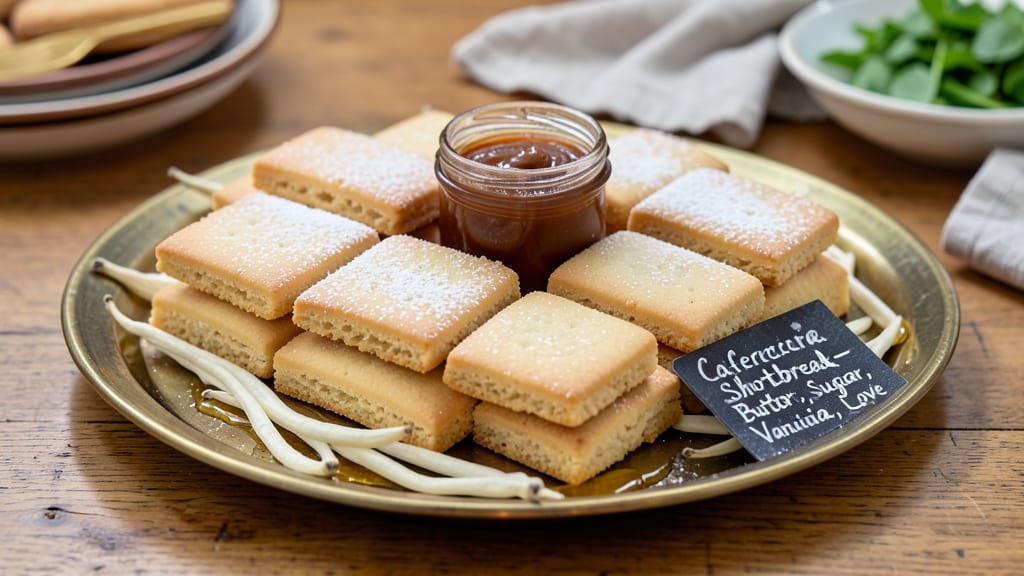
This cafeteria shortbread cookie recipe delivers the perfect balance of buttery richness and sandpaper crunch that makes them irresistible. 💛 The secret lies in chilled butter and precise mixing—no overworking the dough—to create those signature crumbly layers.
I’ve perfected this technique over years of baking, ensuring every batch turns out with the ideal texture and flavor. What sets these apart is the vanilla swirl that adds a touch of elegance without overpowering the buttery base.
The dough is shaped into classic cafeteria-style rectangles, baked until golden, and finished with a light dusting of powdered sugar for that nostalgic touch. This recipe is foolproof, whether you’re making them for a crowd or treating yourself to a batch.
The result is a cookie that’s tender yet sturdy, with a melt-in-your-mouth crumb and a satisfying snap. The buttery flavor shines through, while the vanilla swirl adds a subtle sweetness that pairs perfectly with a cup of tea or coffee.
These cookies are simple to make but always leave a lasting impression. For extra flair, try dipping half in chocolate or adding sprinkles before baking. The variations are endless, but the foundation remains the same—rich, buttery, and utterly addictive.
Ingredients for cafeteria shortbread cookie
Buttery, crumbly, and nostalgic—these ingredients create the perfect cafeteria shortbread with vanilla swirls.
| Ingredient | Amount | Notes |
|---|---|---|
| Unsalted Butter 🧈 | 1 cup | Cold, cubed for texture |
| All-Purpose Flour 🌾 | 2 cups | Sifted for lightness |
| Granulated Sugar 🍚 | ½ cup | Superfine preferred |
| Pure Vanilla Extract 🌸 | 1 tbsp | High-quality for flavor |
| Vanilla Bean Paste 🌸 | 1 tbsp | For visible swirls |
| Powdered Sugar 🍚 | ¼ cup | For dusting finish |
| Salt 🧂 | ¼ tsp | Fine sea salt |
| Vanilla Sugar 🍚 | 2 tbsp | Homemade or store-bought |
| Almond Extract 🌿 | ½ tsp | Optional depth |
The butter is non-negotiable here—European-style unsalted gives the best flavor and texture. Plugrá or Kerrygold are my go-tos, but any high-fat butter works. Keep it cold until mixing to avoid melting—this is what creates that signature crunch. The vanilla bean paste makes all the difference for those visible swirls (I grab mine at Williams Sonoma), but if you're on a budget, pure extract plus a pinch of sugar works too. For flour, King Arthur or Bob's Red Mill are reliable choices—just make sure it's all-purpose, not cake flour.
No vanilla bean paste? Mix 1 tbsp pure vanilla extract with 1 tbsp sugar for a similar effect. Running short on almond extract? Skip it—vanilla alone still shines. The vanilla sugar can be homemade (just mix sugar with scraped vanilla bean) or store-bought from Trader Joe's. For the powdered sugar, Duncan Hines is the most widely available, but Confectioners' sugar from specialty stores has finer grains. If you're feeling adventurous, swap half the butter for brown butter—it adds a nutty depth that pairs beautifully with the vanilla.
Store any leftovers in an airtight container at room temperature for up to 5 days. These cookies actually taste better the next day as the flavors meld. For longer storage, freeze shaped dough balls for 3 months—just bake straight from frozen, adding 2-3 minutes. The vanilla swirls keep their color best if you dust them with powdered sugar immediately after baking. Double the recipe if you're making them for a crowd—they disappear fast!
Why You'll Love This Recipe
- Five-Ingredient Magic: I swear by this recipe because it’s the kind of thing you can pull off with pantry staples—no fancy add-ins needed. Butter, flour, sugar, and a whisper of vanilla (plus that little splurge of vanilla bean paste for depth) is all it takes. Honestly, I’ve made these with cold butter straight from the fridge and still ended up with buttery, melt-in-your-mouth perfection.
- Buttery Bliss: That first bite? It’s like biting into a cloud that somehow knows it’s supposed to be rich. The sugar caramelizes just enough to give these a subtle crunch around the edges, while the vanilla—especially with the bean paste—adds this warm, floral note that makes them taste celebratory. (Yes, even on a Tuesday night.)
- Party in a Box: These freeze like a dream, so I always bake a double batch. Stick them in an airtight container, and they’re ready for last-minute gifts, teacher appreciation week, or just because you want to impress your neighbor. No one will guess they’re basically pantry shortbread.
- Zero-Waste Luxury: Between us, this recipe is my go-to for using up that half-stick of butter or the vanilla bean paste I bought on a whim. The dough comes together in minutes, and the leftovers? They’ll disappear faster than you can say “second helping.” Plus, you’re not sacrificing flavor—just smart shopping.
Step-by-step instructions for buttery vanilla swirl shortbread cookies
Here's how to create the signature cafeteria shortbread with its signature swirls and sandpaper crunch.
👨🍳 Step 1: Cut and Cream the Cold Butter
Cut the 1 cup unsalted butter into ½-inch cubes and place them in the bowl of a stand mixer fitted with the paddle attachment. Chilling the butter is critical—it should be firm enough to hold its shape when pressed but still creamy enough to blend. I like to work in a cool kitchen to help maintain this texture.
Mix the butter on low speed for 2-3 minutes until it becomes smooth and fluffy, like whipped cream. This step incorporates air and creates the signature tender crumb. If the butter starts to melt too quickly, place the bowl in the refrigerator for 5 minutes to firm it up again. The goal is to create a light, airy base that will hold the swirls beautifully.
👨🍳 Step 2: Add Sugar and Vanilla for Depth of Flavor
With the mixer running on low speed, gradually add the 0.5 cup granulated sugar, 2 tbsp vanilla sugar, and 0.5 tsp almond extract. The vanilla sugar will dissolve slightly, adding its signature vanilla flavor throughout the dough. Mix for 1-2 minutes until the sugar is completely incorporated and the mixture is smooth.
Next, add the 1 tbsp pure vanilla extract and 1 tbsp vanilla bean paste. The vanilla bean paste will create those beautiful, marbled swirls that make these cookies so distinctive. Mix for another 30 seconds on low speed to distribute the flavors evenly. This is where the magic happens—these vanilla components will elevate the cookies from good to extraordinary.
👨🍳 Step 3: Incorporate Dry Ingredients for Structure
Reduce the mixer speed to low and gradually add the 2 cups all-purpose flour and 0.25 tsp salt. Mix just until the flour is incorporated—you should still see some streaks of flour in the dough. Overmixing develops gluten, which can make the cookies tough. The dough should come together into a shaggy mass that holds when pressed.
At this point, the dough will be quite soft and sticky. It's important not to overwork it, but if it's too crumbly, add 1-2 teaspoons of ice water to help bind it. The dough should be pliable but not sticky enough to cling to your fingers. This texture ensures the cookies will hold their shape while baking and develop that signature sandpaper crunch.
🥘 Step 4: Shape and Chill for Perfect Texture
Turn the dough out onto a lightly floured surface and gently press it into a 1-inch thick rectangle. Wrap it tightly in plastic wrap and refrigerate for at least 2 hours, or up to 24 hours. Chilling is essential—it firms up the butter, preventing the cookies from spreading too much in the oven and ensuring that signature shortbread crunch.
While the dough chills, preheat your oven to 325°F. The lower temperature allows for even baking without browning too quickly. This step can't be rushed; the longer the dough chills, the better the texture will be. I like to chill mine overnight—it makes all the difference in achieving that perfect sandpaper crunch.
🔥 Step 5: Bake and Dust for Finishing Touches
Unwrap the chilled dough and cut it into 1-inch squares using a sharp knife or cookie cutter. Place the squares 1 inch apart on a parchment-lined baking sheet. Bake for 18-22 minutes until the edges are just beginning to turn golden but the centers are still pale. Overbaking will make them too crisp and dry.
Remove the cookies from the oven and immediately dust the tops with 0.25 cup powdered sugar using a fine-mesh sieve. This step adds a delicate sweetness and enhances the visual appeal. Let the cookies cool on the baking sheet for 5 minutes before transferring them to a wire rack to cool completely. The residual heat will help set the powdered sugar, giving them that professional finish.
Pro Tips For Making Cafeteria Shortbread Cookie
- CHILL THE DOUGH: I learned this the hard way—rolling out warm shortbread dough makes it sticky and messy. Wrap it tightly in plastic and refrigerate for at least 30 minutes before shaping. Cold dough holds together better and cuts cleaner, so you won’t end up with crumbly edges or a frustratingly soft texture.
- WEIGH THE BUTTER: Unsalted butter varies in density, and scooping it by volume leads to dry or greasy cookies. Use a kitchen scale for precision—aim for 225g (1 cup) packed tightly. Cold butter should hold its shape when pressed; if it’s too soft, chill it for 10 minutes. This guarantees the right fat-to-flour ratio every time.
- SCRAPE THE VANILLA BEAN: Vanilla bean paste isn’t just liquid extract—those tiny seeds are packed with flavor. After mixing the dough, scrape the paste over the top with a small offset spatula to distribute the seeds evenly. I was skeptical until I tried it; the texture and aroma are noticeably richer, especially when paired with the sugar.
- UNDERBAKE SLIGHTLY: Shortbread spreads more than you’d expect, and overbaking turns it dry. Pull the cookies from the oven when the edges are just starting to turn golden—about 10-12 minutes at 325°F (160°C). They’ll firm up as they cool, but if you wait for deep color, you’ll end up with a sad, crumbly result. Trust the timer, not the color.
Regional styles of this recipe
Classic Cafeteria Style
This recipe draws inspiration from the iconic cafeteria shortbread cookies served in American diners during the mid-20th century. The key is the vanilla swirl that mimics the look of classic vanilla wafers, while the rectangular shape and sandpaper crunch make them instantly recognizable.
I remember these from my grandmother's kitchen—she always made them for holiday gatherings, dusting them with powdered sugar for that nostalgic touch. The secret to authentic cafeteria shortbread is using European-style butter and keeping the dough chilled throughout the process. 💛
Southern Buttermilk Twist
For a Southern variation, replace 2 tablespoons of the vanilla sugar with 2 tablespoons of buttermilk powder (found in baking aisles). This adds a subtle tang that pairs beautifully with the buttery richness. I like to use Cultivate brand buttermilk powder for its consistent flavor.
After baking, brush the tops with a simple egg wash (1 egg yolk + 1 tsp water) before dusting with powdered sugar for extra shine. These Southern-style cookies have a slightly denser crumb but still maintain that signature crunch.
Chocolate-Dipped Luxury
Take these cookies to the next level by dipping half of each baked cookie in melted dark chocolate (I use Ghirardelli 60% cacao). Let the excess drip off, then place them on parchment paper to set.
For extra flair, sprinkle with flaky sea salt or crushed toasted hazelnuts before the chocolate hardens. This variation became a hit at my local bakery—customers love the contrast between the buttery cookie and rich chocolate. Store chocolate-dipped cookies in an airtight container with parchment paper between layers to prevent sticking.
Citrus-Inspired Variations
Brighten up your shortbread with 1 teaspoon of lemon or orange zest added to the dough. For a more pronounced flavor, use 1 tablespoon of lemon or orange extract instead of almond extract.
I find that lemon zest works best with a small amount of white chocolate chips folded into the dough for a marbled effect. These citrus variations are perfect for spring and summer gatherings.
The acidity in the zest cuts through the butterfat, creating a more balanced flavor profile that still maintains that classic shortbread texture.
Gluten-Free Adaptation
For a gluten-free version, replace the 2 cups all-purpose flour with a 1:1 gluten-free flour blend (I recommend King Arthur Measure for Measure). Add 1 teaspoon of xanthan gum to help bind the dough. The texture will be slightly denser but still achieve that signature crunch.
I also reduce the baking time by 2-3 minutes to prevent over-browning. These gluten-free cookies work beautifully with the vanilla swirl and pair well with dairy-free alternatives like almond milk-based coffee.
Savory Herb Option
For a savory twist, reduce the sugar to 0.25 cup and add 1 teaspoon of dried rosemary or thyme along with the vanilla sugar. Replace the vanilla extract with 1 teaspoon of lemon zest for brightness.
These herb-infused shortbread cookies make a fantastic appetizer when served with a side of whipped goat cheese or herb cream cheese**. The buttery base shines through while the herbs add complexity. I've served these at holiday parties as a unique alternative to traditional sweet shortbread.
Nutrition facts
Frequently asked questions
Why does my shortbread dough look too crumbly?
This usually happens when the butter melts too quickly during mixing. Keep your bowl and tools chilled, and work in a cool kitchen. If needed, add 1-2 teaspoons of ice water to help bind the dough without overworking it. The dough should be pliable but not sticky.
Can I make these cookies without vanilla bean paste?
Mix 1 tbsp vanilla extract with 1 tbsp sugar to mimic the swirl effect. For visible flecks, fold in 1 tsp vanilla sugar or a pinch of vanilla powder. The flavor will be just as rich—it's all about the extract!
How do I prevent my shortbread from spreading too much?
Chilling the dough for at least 2 hours is key—it firms up the butter. Use European-style butter (higher fat content) and bake at 325°F for 18-22 minutes. Cut the dough into squares just before baking for cleaner edges.
What's the best way to store these cookies?
Keep them in an airtight container at room temperature for 5 days. For longer storage, freeze shaped dough balls for 3 months—bake straight from frozen, adding 2-3 minutes. The vanilla swirls stay vibrant if you dust them with powdered sugar immediately after baking.
Can I use salted butter instead of unsalted?
Yes, but reduce the added salt to 0.125 tsp to avoid over-salting. European-style salted butter (like Plugrá) works best—it has a milder saltiness. If using American salted butter, taste the dough first to adjust.