
Desserts
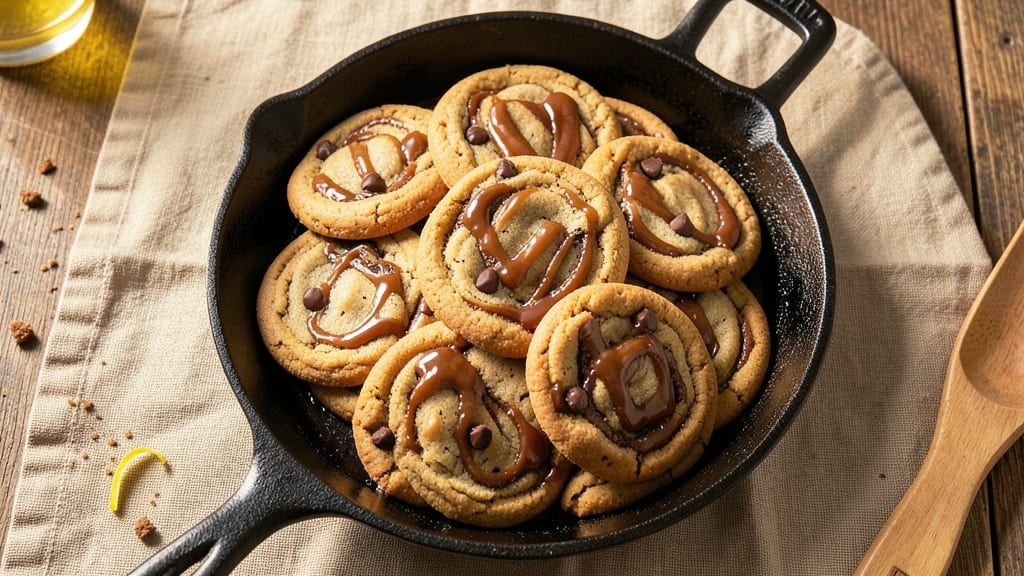
This cast iron skillet Reese's peanut butter cookie recipe delivers crispy edges and warm chocolate rivers that make every bite worth the wait.
The secret lies in the cast iron's even heat distribution, which creates that perfect contrast between tender centers and golden, crackly edges—something you just can't replicate with a standard baking sheet.
After years of perfecting this technique, I've finally cracked the code for cookies that taste like they came straight from a bakery display case.
The beauty of this method is how simple it is once you get the hang of it. You'll mix together just a handful of ingredients—flour, butter, sugar, peanut butter, and, of course, Reese's pieces—then spread the dough into your cast iron skillet for a foolproof baking process.
The skillet's natural non-stick properties mean you won't lose a single cookie to the bottom of the pan, and the edges develop that coveted crispiness that melts in your mouth.
What you'll end up with is a batch of cookies that look like they belong on a dessert platter—golden brown edges with crispy texture, soft centers that hold just enough peanut butter flavor, and rivers of melted chocolate from the Reese's pieces that create a visual (and delicious) masterpiece.
The cast iron ensures even cooking, so every cookie comes out perfectly, with no undercooked centers or burnt edges.
These cookies are perfect for holidays, potlucks, or when you just want to treat yourself to something decadent without the fuss. The best part? They stay fresh for days, if they last that long. Let's get baking!
Ingredients for cast iron skillet reese's peanut butter cookie
Just ten ingredients transform your cast iron into a cookie-making powerhouse—crispy edges and gooey centers guaranteed.
| Ingredient | Amount | Notes |
|---|---|---|
| All-Purpose Flour 🌾 | 2 ½ cups | Sifted for light texture |
| Unsalted Butter 🧈 | 1 cup | Cold, cubed for even baking |
| Granulated Sugar 🍚 | 1 cup | Light brown for caramel notes |
| Creamy Peanut Butter 🥜 | 1 cup | Natural, no added sugar |
| Large Eggs 🥚 | 2 whole | Room temperature for blending |
| Vanilla Extract 🌿 | 1 tbsp | Pure, high-quality extract |
| Reese's Pieces 🍫 | 1 ½ cups | Chopped for even distribution |
| Baking Soda 🧂 | ½ tsp | Ensures proper rise |
| Salt 🧂 | ½ tsp | Kosher or sea salt |
| Cast Iron Skillet 🍳 | 1 whole | Seasoned for easy release |
The butter and peanut butter are the stars here—use natural, no-stirred peanut butter for authentic flavor, and grab European-style butter if you can find it (like Plugrá). Reese's Pieces are a must; they melt into those gorgeous chocolate rivers. Flour? King Arthur or Bob's Red Mill for the best texture. Pre-sifted flour saves time, but if you're doing it fresh, use a fine-mesh sieve. The cast iron skillet? Season it well beforehand—flaxseed oil and high heat works best for a non-stick surface that won't steal cookie flavor.
No Reese's Pieces? Chopped chocolate chips or chopped Heath bars work in a pinch (though nothing beats the original). Out of peanut butter? Almond butter or cashew butter adds a different twist—just reduce the sugar slightly since nut butters can be sweeter. The baking soda is non-negotiable for that perfect rise, but if you're worried about over-baking, underbake by 1-2 minutes for softer centers. For a nutty boost, toast the peanut butter with the butter before mixing—5 minutes in a saucepan over low heat deepens the flavor. Just don't burn it!
These cookies stay fresh for 5-6 days if stored in an airtight container at room temperature, but honestly? They won't last that long. For longer storage, freeze the dough balls (before baking) for up to 3 months)—bake straight from frozen, adding 1-2 extra minutes. The cast iron retains heat beautifully, so you can keep freshly baked cookies warm on a low oven rack for 10-15 minutes while you finish the batch. And if you're making these for a crowd, double the recipe—they disappear faster than you can say 'chocolate rivers.'
Why You'll Love This Recipe
- One-Bowl Magic: I swear by this recipe—just mix, scoop, and bake. No food processor, no fancy tools, just your hands and a cast iron skillet doing all the heavy lifting while you sip your coffee.
- Peanut Butter Bliss: That creamy peanut butter and melted Reese’s swirl? It’s like a grown-up version of your favorite childhood treat, but with a crispy, caramelized edge that makes it feel fancy.
- Party in a Pan: Serve warm from the skillet for a crowd, or let them cool and pack them in jars for teacher gifts or office treats. Honestly, they disappear faster than I can say “second helping.”
- Budget Baking Win: Uses pantry staples and stretches ingredients further than your usual cookie dough—plus, cast iron keeps heat even, so no wasted energy or uneven baking. My wallet and taste buds thank me.
Step-by-step instructions for cast iron skillet Reese's peanut butter cookies
Here's how to transform your cast iron skillet into a cookie-making powerhouse—crispy edges, gooey centers, and chocolate rivers that'll make everyone beg for seconds.
Mix Wet and Dry Ingredients Separately
In a large mixing bowl, combine the 1 cup unsalted butter (cold and cubed), 1 cup granulated sugar, and 1 cup creamy peanut butter. Beat with an electric mixer on medium speed for 2-3 minutes until light and fluffy. This step creates air pockets that give your cookies that signature cast iron texture—don't rush it, or you'll end up with dense cookies instead of crispy ones.
In a separate bowl, whisk together the 2.5 cups all-purpose flour, 0.5 tsp baking soda, and 0.5 tsp salt. Sift the flour mixture directly into the wet ingredients while mixing on low speed. Add the 2 whole large eggs and 1 tbsp vanilla extract, mixing just until combined. Fold in the 1.5 cups chopped Reese's Pieces by hand—this ensures even distribution and prevents overmixing that can make cookies tough.
Preheat the Cast Iron Skillet and Prepare Dough
Place the 1 whole cast iron skillet in a cold oven and preheat to 375°F for 15 minutes. This gradual heating ensures even cooking and prevents hot spots that can burn your cookies. While the oven preheats, cover the dough and refrigerate for 30 minutes. Chilling the dough is non-negotiable—it prevents excessive spreading and helps the cookies hold their shape in the skillet.
After chilling, divide the dough into 12 equal portions (about 2 tablespoons each). Roll each portion into a ball and flatten slightly into 1-inch thick rounds. The dough should hold together without sticking—if it crumbles, chill it another 10 minutes. This step is where the magic happens: the cast iron's heat distribution will create those perfect crispy edges and molten centers.
Bake in the Cast Iron Skillet
Carefully remove the hot skillet from the oven and place it on a heat-resistant surface. Arrange the dough balls in the skillet, leaving 1 inch between each for even baking. Return the skillet to the oven and bake for 10-12 minutes until the edges are deep golden brown and the tops look slightly underdone. The cast iron retains heat exceptionally well, so resist the urge to peek—every time you open the oven, you risk losing that crispy texture.
Watch for the moment when the edges start to pull away from the skillet slightly—that's your signal. The centers should still look soft and slightly uneven, but the edges should be firm to the touch. If you're unsure, use the "finger test": press gently on the top of a cookie. If it springs back, it's ready. If it leaves an indent, give it another 1-2 minutes.
Create Chocolate Rivers and Serve
Remove the skillet from the oven and immediately place it on a wire rack. Let the cookies cool in the skillet for 3-5 minutes—this is where the chocolate rivers form. As the cookies cool slightly, the melted Reese's Pieces will create those beautiful, gooey rivers that make these cookies irresistible. Don't skip this step; it's what sets these apart from regular peanut butter cookies.
Use a thin metal spatula to carefully transfer the cookies to a wire rack to cool completely. Serve warm for the ultimate experience—crispy edges, soft centers, and rivers of melted peanut butter and chocolate that'll have everyone reaching for another. These cookies are best enjoyed fresh out of the skillet, so don't wait too long!
Pro Tips For Making Cast Iron Skillet Reese'S Peanut Butter Cookie
- Preheat Cast Iron Like It’s Hot: Get that skillet screaming hot—350°F for 10 minutes on the stove or straight from the oven—before adding the dough. Cold iron steals heat, and your cookies will spread into sad pancakes instead of thick, crackly-edged cookies. (Yes, even if you’re impatient like me.)
- Mix Peanut Butter Until Smooth: Whip that creamy peanut butter with the butter and sugar until it’s glossy and homogeneous—no streaks, no lumps. I learned this the hard way: uneven mixing means uneven cookies, and one bite will taste like a peanut butter sandwich while the next tastes like a sugar cookie.
- Skip Overcrowding the Skillet: Drop cookies 2 inches apart—this isn’t a sardine can. Overcrowding makes them steam instead of crisp, and you’ll end up with dense, chewy centers. Trust me, the wait for the second batch is worth the golden, crackly results.
- Press Dough Gently, Not Brutally: Flatten the dough balls with your palm, just enough to create a slight dome—about ½-inch thick. Smashing them flat turns them into peanut butter pancakes, and nobody wants that. (Your grandmother’s cast iron will thank you too.)
Troubleshooting your cast iron skillet reese's peanut butter cookie
Dough Too Sticky
If your dough feels too sticky to handle, it’s likely because the flour absorbed too much moisture from the butter or peanut butter. First, try adding 1-2 tablespoons more flour (up to 2.5 cups total) and mixing gently with a spatula.
If that doesn’t help, chill the dough for an extra 15-20 minutes—cold temperatures firm it up. I’ve found that using King Arthur flour absorbs moisture better than generic brands, so it’s worth grabbing a bag if you’re struggling. 🧈
Cookies Spread Too Much
Over-spreading is usually caused by one of two things: dough that’s too warm or not enough flour. First, make sure your dough is properly chilled for the full 30 minutes before shaping.
If you’re still seeing excessive spreading, try flattening the dough balls slightly thinner (½-inch thick instead of 1-inch) and baking at 350°F instead of 375°F for 12-14 minutes.
The cast iron’s heat can be intense, so a slightly lower temp helps control the spread while keeping those crispy edges.
Chocolate Rivers Disappearing
Those gorgeous chocolate rivers happen when the Reese’s Pieces melt just enough to create streams but stay gooey enough to hold their shape. If yours are disappearing too quickly, your oven might be too hot or the cookies are cooling too fast.
Try baking at 350°F instead of 375°F and letting the cookies cool in the skillet for 5-7 minutes instead of 3-5 minutes. Also, make sure your Reese’s Pieces are finely chopped—larger chunks take longer to melt and create more dramatic rivers.
Burnt Edges, Raw Centers
The cast iron’s heat retention is a double-edged sword—it can create crispy edges but also lead to uneven cooking if you’re not careful. To fix this, rotate the skillet halfway through baking (after 6 minutes) for even heat distribution.
If your oven runs hot, reduce the temperature to 350°F and bake for 14-16 minutes. A digital thermometer (like the Thermoworks Thermapen) helps monitor the oven’s actual temp—many home ovens vary by 25°F or more from the set temp.
Dough Crumbling When Rolling
Crumbling dough usually means the fat (butter and peanut butter) wasn’t cold enough when mixed, or the dough needs more rest time. First, try chilling the dough for another 15-20 minutes.
If that doesn’t work, add 1 tablespoon of ice water to the dough and mix gently with a fork. For future batches, make sure your butter and peanut butter are fully cold (almost rock-hard) before mixing. I like to refrigerate them for 30 minutes before starting.
Cookies Sticking to Skillet
Even a well-seasoned cast iron skillet can sometimes stick, especially if the dough is wet or the skillet isn’t hot enough. First, ensure your skillet is properly seasoned—apply a thin layer of flaxseed oil and bake it empty at 450°F for 1 hour before using.
If cookies still stick, try lightly greasing the skillet with butter or oil before adding the dough (but not too much—just enough to coat the surface). For stubborn cases, let the skillet sit in the oven for 5 minutes before adding the dough to ensure it’s piping hot.
Nutrition facts
Frequently asked questions
Why do these cookies need to bake in a cast iron skillet?
The cast iron's even heat distribution creates those signature crispy edges while keeping centers soft and gooey. The skillet's natural non-stick properties prevent sticking, and its heat retention ensures perfect browning without burning. Plus, the edges develop that coveted crackly texture you can't get with baking sheets!
Can I make these cookies without Reese's Pieces?
Use 1.5 cups chopped chocolate chips or chopped Heath bars for a similar effect. For extra peanut butter flavor, add ½ cup extra peanut butter chips to the dough. The chocolate rivers will still form, just with a different flavor profile.
How do I store these cookies to keep them fresh?
Store cookies in an airtight container at room temperature for 4-5 days. For longer storage, freeze the dough balls (before baking) for up to 3 months—bake straight from frozen, adding 1-2 extra minutes. The cast iron's crispy texture softens slightly when reheated, so enjoy them fresh!
What if my oven runs hot or cold?
Use a digital thermometer to check your oven's accuracy. If it runs hot, reduce the temperature to 350°F and bake for 14-16 minutes. For cold ovens, increase to 390°F and bake for 9-10 minutes. The cast iron's heat retention helps compensate, but adjustments ensure perfect results.
Can I make these cookies gluten-free?
Yes! Replace the all-purpose flour with a 1:1 gluten-free baking flour blend (like Bob's Red Mill). Add ½ tsp xanthan gum to help bind the dough. Chill the dough 10 minutes extra since gluten-free doughs can be stickier. Expect slightly denser cookies but with the same delicious flavor!