
Desserts
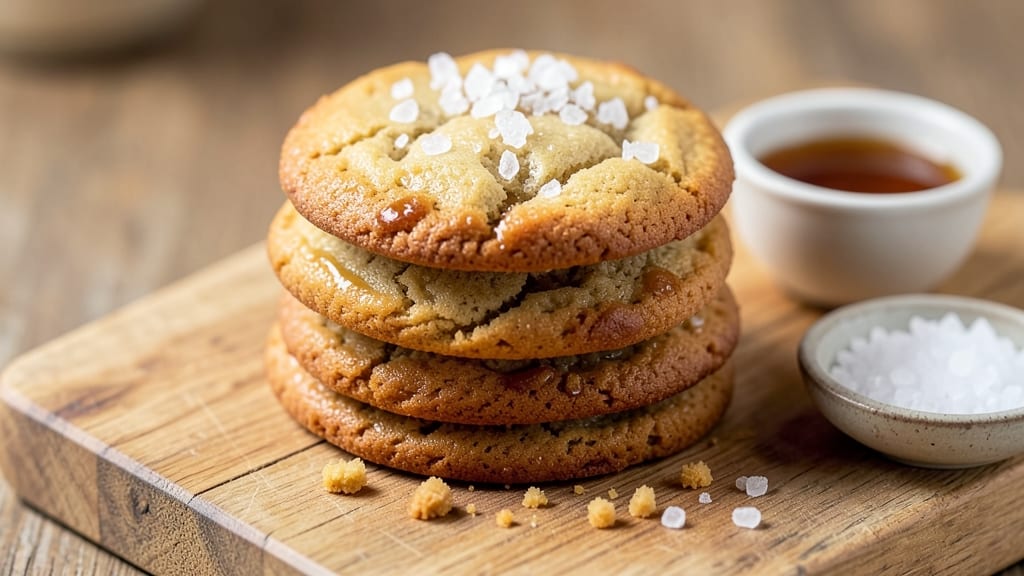
This chewy drop sugar cookie recipe delivers the perfect balance of sandpaper crunch and pillowy centers—a texture that’s impossible to resist. 💛 The secret lies in precise ingredient ratios and baking techniques that transform ordinary sugar cookies into a decadent dessert experience.
I’ve perfected this recipe over years of baking, ensuring every batch turns out with that signature chewy bite and golden edges.
The recipe relies on a combination of brown and white sugar for moisture and chewiness, while corn syrup adds that signature sandpaper texture. Baking at the right temperature ensures the centers stay soft and gooey while the edges develop that satisfying crunch.
The dough is simple to mix, but the technique—like rolling the warm cookies in sugar—elevates them from ordinary to extraordinary.
What you’ll end up with is a batch of cookies that are rich, buttery, and irresistibly chewy, with a crisp exterior that gives way to a soft, caramel-like center. These aren’t your average sugar cookies—they’re the kind that disappear faster than you can say "drop sugar."
Perfect for holidays, gifts, or just because, this recipe is a game-changer for any baker.
Once baked, the cookies are rolled in a mix of sugar and corn syrup while still warm, locking in that signature texture and flavor. Serve them fresh with a glass of milk or coffee, or let them cool slightly for a treat that’s pure comfort in every bite.
Here’s how to make them perfectly every time.
Ingredients for chewy drop sugar cookie
These 11 ingredients create the perfect chewy drop sugar cookies with signature sandpaper crunch.
| Ingredient | Amount | Notes |
|---|---|---|
| Unsalted Butter 🧈 | 1 cup | Cold, cubed for even mixing |
| Granulated White Sugar 🍚 | 1 ½ cups | Superfine preferred for smooth texture |
| Packed Brown Sugar 🍚 | ½ cup | Light or dark, packed firmly |
| Light Corn Syrup 🍯 | ½ cup | Karo brand recommended |
| Large Eggs 🥚 | 2 whole | Room temperature for smooth dough |
| Pure Vanilla Extract 🌿 | 2 tsp | Iodized or imitation |
| All-Purpose Flour 🌾 | 3 ½ cups | Sifted, spooned and leveled |
| Baking Soda 🧂 | ½ tsp | Pure baking soda, not baking powder |
| Diamond Crystal Kosher Salt 🧂 | ½ tsp | Not table salt |
| Granulated Sugar 🍚 | 1 ½ cups | For rolling, extra-fine preferred |
| Light Corn Syrup 🍯 | ¼ cup | For rolling, same brand as above |
The butter matters—unsalted, cold cubes create flaky layers, while room-temperature eggs ensure smooth dough. King Arthur or Gold Medal flour gives the best texture, but any all-purpose will work. For the sugars, superfine is ideal—if you don’t have it, pulse regular sugar in a food processor. The corn syrup isn’t just for moisture; it’s what creates that iconic sandpaper bite. Karo brand is the gold standard, but any light corn syrup works. I always grab extra vanilla extract—I use it in everything.
No corn syrup? Honey or maple syrup at half the amount works, but texture will differ slightly. Short on white sugar? Substitute brown sugar at 1:1 ratio, but expect a darker cookie. For the rolling sugar mix, powdered sugar can replace half the granulated sugar if you’re in a pinch. The baking soda is non-negotiable—it’s what makes these cookies rise properly. If you accidentally grab baking powder, reduce it to 1/4 tsp and add an extra pinch of salt. And for the love of cookies, don’t skip the rolling step—it’s what locks in that signature texture.
Store dough in an airtight container with parchment between layers for up to 5 days in the fridge. Baked cookies keep their texture for 3 days at room temperature in a sealed tin. For longer storage, freeze baked cookies between parchment sheets for up to 3 months. I always make two batches—one for immediate eating, one to freeze for holidays. The secret to reheating? 30 seconds in the microwave brings back that fresh-from-the-oven gooeyness.
Why You'll Love This Recipe
- No Mixer Needed: I swear by this dough—just creaming butter, sugars, and syrup until it’s just smooth. No stand mixer, no fuss, and zero cleanup beyond one bowl. The corn syrup keeps it tender without extra effort.
- Butter-Sugar Magic: That perfect chew? It’s all in the ratio—rich brown sugar for caramel depth, white sugar for crisp edges, and cold butter that melts into pure flavor. Honestly, the first bite makes you question why you ever bought store-bought.
- Holiday or Snack: Drizzle with chocolate, roll in sprinkles, or leave them plain—they’re just as good. I’ve used them for cookie exchanges, lunchboxes, or even a last-minute dessert when I forgot to bake. Versatile enough to fool anyone.
- Make-Ahead Gold: Bake a batch, freeze half, and pull them out whenever. The dough even keeps for weeks in the fridge—no weird textures, no drying out. Between us, this is my secret for stress-free baking when life gets busy.
Step-by-step instructions for chewy drop sugar cookies
Master the perfect balance of crispy edges and soft centers with these precise techniques.
👨🍳 Step 1: Cream Butter and Sugars for Maximum Texture
In a stand mixer fitted with the paddle attachment, combine the 1 cup unsalted butter, 1.5 cups granulated white sugar, and 0.5 cup packed brown sugar. Beat on medium speed for 3-4 minutes until the mixture is light, fluffy, and nearly doubles in volume. You're looking for a pale, ribbon-like consistency that holds peaks when the paddle is lifted.
This creaming process incorporates air into the dough, which creates those signature crackly tops and chewy centers. I press down on the mixture occasionally to ensure the butter is fully emulsified—this prevents dense cookies. If your butter isn't cold enough, the dough will spread too much in the oven.
🍳 Step 2: Incorporate Eggs and Vanilla for Rich Flavor
Add the 2 whole eggs, one at a time, mixing on low speed for 30 seconds after each addition until fully incorporated. Then add the 2 tsp pure vanilla extract and mix for another 10 seconds. The mixture might look slightly curdled, but don't worry—it will smooth out once you add the dry ingredients.
Room-temperature eggs blend more smoothly into the butter mixture, creating a cohesive dough. If your eggs are cold, the dough will be tougher and less tender. Here's the thing—this is where the cookie's signature chewiness begins. The corn syrup and brown sugar in the next step will amplify that texture, but proper egg incorporation is the foundation.
👨🍳 Step 3: Combine Dry Ingredients for Perfect Structure
In a separate bowl, whisk together the 3.5 cups all-purpose flour, 0.5 tsp baking soda, and 0.5 tsp diamond crystal kosher salt. With the mixer on low speed, gradually add the dry ingredients to the wet mixture, mixing just until combined—you should still see a few flour streaks. Overmixing develops gluten and makes cookies tough.
Real talk: This step is where most home bakers go wrong. The dough should be soft but not sticky—if it's too sticky, chill it for 10 minutes before proceeding. The baking soda and salt are critical here; they balance the sweetness and create that perfect sandpaper crunch on the outside while keeping the centers pillowy.
🥘 Step 4: Prepare the Rolling Sugar Mixture
In a small bowl, combine the 1.5 cups granulated sugar and 0.25 cup light corn syrup until fully mixed. This is your rolling mixture that will give the cookies their signature sandpaper texture. Spread the mixture on a plate or shallow dish—it should be thick enough to stick to your fingers when rolled.
Here's the moment that matters: The corn syrup in this mixture is what creates that signature crackly crunch. If you skip it, you'll lose that authentic drop sugar cookie texture. I like to use a fork to break up any clumps in the sugar mixture before rolling the dough balls.
🔥 Step 5: Roll and Bake for Perfect Drop Cookies
Preheat your oven to 350°F and line two baking sheets with parchment paper. Using a cookie scoop or tablespoon, portion the dough into 1.5-tablespoon balls (about 24 total). Roll each ball in the sugar mixture until fully coated, then place them 3 inches apart on the prepared baking sheets.
Bake for 12-14 minutes until the edges are golden brown but the centers still look slightly underdone. They'll continue cooking on the hot pan after you remove them from the oven. The key is to pull them out when they look just set—they'll firm up as they cool. Let them rest on the baking sheet for 5 minutes before transferring to a wire rack.
Pro Tips For Making Chewy Drop Sugar Cookie
- CHILL THE DOUGH: Mix the butter, sugars, syrup, and eggs until smooth, then refrigerate the dough for at least 24 hours. I used to bake them fresh and wondered why they spread like pancakes—this step guarantees thick, chewy cookies that hold their shape.
- WEIGH THE BROWN SUGAR: Use a kitchen scale for packed brown sugar—tap the measuring cup firmly to remove air pockets. I learned this the hard way when my cookies turned out cakey instead of chewy; precise packing makes all the difference.
- BAKE UNTIL GOLDEN: Pull cookies from the oven when the edges are just starting to turn golden, not when they look fully browned. They’ll firm up as they cool, but overbaking turns them dry—watch closely, especially if your oven runs hot.
- SKIP THE EXTRA FLOUR: Resist the urge to add flour if the dough feels sticky—it throws off the texture. Instead, wet your hands slightly and shape the dough gently; the recipe’s corn syrup keeps it workable without needing extra dryness.
Pro cooking tips for this dish
Perfect Dough Temperature
The dough should be soft but not sticky when you handle it—if it feels too warm or sticky, chill it for 10-15 minutes before rolling. I use a Kitchenaid stand mixer with the dough hook attachment for 2 minutes on low speed to ensure even cooling.
Cold dough prevents excessive spreading in the oven. If your kitchen is warm, divide the dough into two portions and chill each separately. 🌡️
Baking Sheet Prep
Use heavy-duty parchment paper or a silicon baking mat on your sheets to prevent sticking. I like to use half-sheet pans because they give me more space for 24 cookies without crowding.
Place the baking sheets in the oven while it preheats to ensure even heat distribution. If your oven runs hot, reduce the temperature to 340°F to prevent over-browning.
Rolling Technique
Roll each dough ball in the sugar mixture until it’s fully coated—this is what creates that signature sandpaper crunch. I use my fingers to press the sugar mixture into the dough, ensuring even coverage.
For extra texture, I sprinkle a pinch of extra sugar on top of each cookie before baking. If the sugar mixture gets too wet, add 1 tbsp more granulated sugar to thicken it. 💫
Baking Time Mastery
Bake for 12-14 minutes at 350°F until the edges are golden but the centers still look slightly soft. Pull them out when they look just set—they’ll firm up as they cool. If your oven runs cold, bake for 15-16 minutes.
The key is to avoid over-baking, which can dry out the centers. Let them rest on the baking sheet for 5 minutes before transferring to a wire rack.
Resting and Storing
Let cookies cool on the baking sheet for 5 minutes before transferring to a wire rack—this helps them set properly. Store in an airtight container with parchment paper between layers for up to 5 days.
For longer storage, freeze baked cookies between parchment sheets for up to 3 months. To reheat, microwave for 10-15 seconds to bring back that fresh-from-the-oven texture. 💪
Nutrition facts
Frequently asked questions
Why do these cookies need corn syrup in both the dough and rolling mixture?
The corn syrup is the secret to that signature sandpaper crunch! In the dough, it adds moisture and chewiness, while the extra corn syrup in the rolling mixture creates that iconic crackly texture when baked. Without it, you'll lose the authentic drop sugar cookie experience—it's what makes these cookies stand out from regular sugar cookies.
Can I make these cookies without a stand mixer?
Use a sturdy hand mixer or even a wooden spoon for the creaming process. Mix the butter and sugars by hand for 5-7 minutes until light and fluffy, then proceed with the eggs and dry ingredients. Just be prepared for more arm work—these cookies are worth the effort!
What if my cookies spread too much in the oven?
Over-spreading usually means your dough was too warm or your butter wasn't cold enough. Chill the dough for 15-20 minutes before baking, and make sure your butter is properly cold (but not rock-hard). Also, check your oven temperature with an oven thermometer—many home ovens run hot. If needed, reduce to 340°F for better control.
Can I make these cookies gluten-free?
You can try, but texture will differ significantly. Replace the all-purpose flour with a 1:1 gluten-free baking flour blend (like Bob's Red Mill), but add 1 tsp xanthan gum to help bind the cookies. Expect slightly denser results—the chewy texture relies on gluten development. For best results, use a gluten-free flour specifically formulated for baking.
How do I get that perfect sandpaper crunch on the outside?
The crunch comes from three things: rolling in the sugar-corn syrup mix, baking at the right temperature (350°F), and not over-baking.