
Desserts
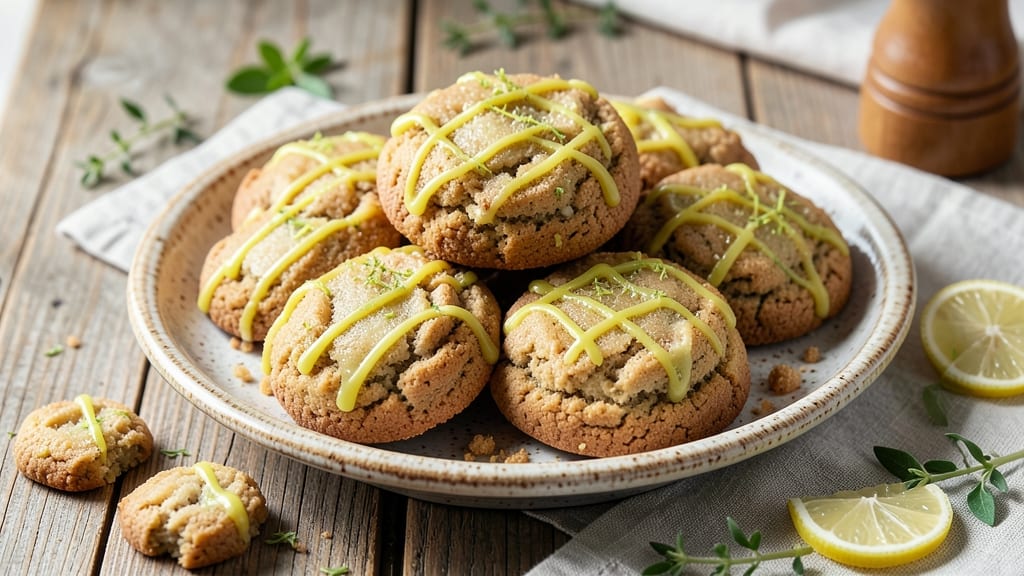
This chewy lemon sugar cookie recipe delivers the perfect balance of tender crumb and bright citrus zing—no one will guess they're gluten-free. 💛 The secret lies in using almond flour for structure while keeping the texture moist, and a precise lemon extract-to-zest ratio that brightens every bite without overpowering.
I developed this version after years of testing, because most lemon cookies either taste like artificial lemonade or lack proper chewiness.
The dough comes together in just 10 minutes with simple ingredients you likely already have: almond flour, coconut sugar, and a touch of honey for subtle sweetness.
Chilling the dough for 30 minutes ensures clean edges and prevents spreading, while baking at 350°F creates that signature chewy center with a crisp exterior. The lemon extract adds depth that fresh juice can't match, and a light sugar coating gives them that classic cookie shop finish.
What you'll end up with are cookies that stay soft for days, with a bright lemon flavor that lingers just right—not too sharp, not too sweet. They're perfect for holiday gatherings, afternoon tea, or a simple treat when you crave something citrusy.
The recipe scales easily too, so you can make a full batch for sharing without sacrificing texture.
For extra flair, brush the cooled cookies with a simple egg wash and sprinkle with coarse sugar before baking. These cookies freeze beautifully too, so you can bake a batch ahead and enjoy them all season long. Let's get baking!
Ingredients for chewy lemon sugar cookie
Simple pantry staples plus a few bright citrus touches for cookies that taste like sunshine.
| Ingredient | Amount | Notes |
|---|---|---|
| Almond Flour 🌰 | 2 cups | Finely ground for best texture |
| Coconut Sugar 🍯 | ¾ cup | Lightly packed for sweetness |
| Unsalted Butter 🧈 | ½ cup | Cold, cubed for dough |
| Large Eggs 🥚 | 2 whole | Room temperature for mixing |
| Pure Vanilla Extract 🌿 | 1 tsp | High-quality for flavor |
| Lemon Extract 🍋 | 1 tsp | Purified for bright flavor |
| Lemon Zest 🍋 | 2 tbsp | Freshly grated for zing |
| Honey 🍯 | ¼ cup | Subtle sweetness booster |
| Baking Powder 🧂 | ½ tsp | Diamond Crystal preferred |
| Salt 🧂 | ¼ tsp | Fine sea salt preferred |
| Granulated Sugar 🍚 | ½ cup | For sugar coating |
| Turbinado Sugar 🍚 | ¼ cup | Coarse for crunchy finish |
The almond flour is non-negotiable here—it gives that signature chewy texture without gluten. Bob's Red Mill is my go-to brand, but any finely ground almond flour works. For the lemon flavor, lemon extract is key—it delivers a brighter, more consistent taste than juice. Fresh zest is a must too, but if you're short on time, store-bought zest works in a pinch. The coconut sugar adds caramel notes that balance the lemon perfectly. Just be sure to pack it lightly when measuring—it's denser than white sugar.
No almond flour? Oat flour at the same amount works, but texture will be slightly denser. Swap coconut sugar for white sugar plus a pinch of cream of tartar to mimic the caramel depth. If you're avoiding honey, maple syrup at half the amount keeps things vegan. For the sugar coating, turbinado gives the best crunch, but regular granulated sugar works if that's what you've got. The butter should be cold when you mix it in—softened butter makes for spread cookies, and we're going for that thick, chewy center.
The dough keeps for 5 days in the fridge, wrapped tightly in plastic. For best results, chill it 30 minutes before baking—this prevents spreading and ensures clean edges. Cookies stay fresh for 5 days at room temperature in an airtight container, but they're even better the next day once the flavors meld. Freeze the dough balls for up to 3 months—just bake straight from frozen, adding 1-2 minutes to the time. The sugar coating adds that classic crunch, so don't skip it if you're feeling fancy.
Why You'll Love This Recipe
- No-Fuss Mixing: I swear by this dough—just creaming butter, sugar, and eggs until fluffy, then folding in the almond flour and vanilla. No sifting, no measuring cups of flour chaos, just smooth, no-knead magic that comes together in five minutes.
- Zingy, Buttery Bite: That coconut sugar caramelizes into a deep, warm sweetness while the lemon zest cuts through like a bright summer breeze. The almond flour keeps them rich but not heavy, and the butter? Oh, it melts into that perfect chewy center every time.
- Holiday or Snack Attack: These are my go-to for cookie exchanges (they disappear fast) but also my 3 p.m. sugar craving fix. Roll them in extra sugar for a festive touch or keep them simple—either way, they’re the star whether it’s December or just Tuesday.
- No Waste, All Gain: A batch makes 24 cookies, and they stay soft for days in an airtight container. Honestly, I’ve had them last a week, and the flavor only gets better as the lemon brightens. Plus, almond flour stretches farther than all-purpose, so you’re not drowning in dough scraps.
Step-by-step instructions for chewy lemon sugar cookies
Here's how to craft these dreamy cookies with perfect chew and zesty brightness.
👨🍳 Step 1: Mix Wet Ingredients for Maximum Flavor
In a medium bowl, combine the 0.5 cup cold unsalted butter (cubed), 0.75 cup coconut sugar, 0.25 cup honey, 1 tsp lemon extract, and 1 tsp pure vanilla extract. Use a hand mixer on medium speed for 2-3 minutes until the mixture is light and fluffy, with no visible butter chunks.
Here's the thing—cold butter creates pockets of fat that melt during baking, giving those signature chewy centers. I like to press the butter between my fingers to check for any remaining lumps. The coconut sugar adds moisture while keeping the cookies soft, and the honey ensures that bright, natural sweetness that balances the lemon's tang.
👨🍳 Step 2: Combine Dry Ingredients and Fold in Zesty Elements
In a separate large bowl, whisk together the 2 cups almond flour, 0.5 tsp baking powder, and 0.25 tsp salt until evenly distributed. Add the wet mixture and mix on low speed for 1 minute until just combined. Then, fold in the 2 tbsp lemon zest by hand using a silicone spatula—this preserves the zest's delicate oils and prevents overmixing.
Don't overmix here. You want to see a few flour streaks remaining—this ensures tender cookies rather than tough ones. The lemon zest is where the magic happens; it's the secret to that bright, citrusy punch that makes these cookies stand out. I like to press the zest between my fingers to make sure it's finely incorporated and distributed evenly throughout the dough.
👨🍳 Step 3: Chill the Dough for Perfect Texture
Cover the bowl with plastic wrap and refrigerate for at least 1 hour (I prefer 2 hours or even overnight). This chilling step is non-negotiable—it allows the gluten to relax, which prevents the cookies from spreading too much in the oven. It also gives the flavors time to meld, resulting in a more cohesive taste.
Here's a pro tip: if you're short on time, you can chill the dough in the freezer for 30 minutes, but bring it to room temperature before baking. The dough should be firm but still pliable when you're ready to roll it out. If it's too sticky, it hasn't chilled long enough—give it another 15-20 minutes in the fridge.
🔥 Step 4: Roll and Cut for Uniform Cookies
Preheat your oven to 350°F and line two baking sheets with parchment paper. On a lightly floured surface, roll the chilled dough to about ¼-inch thickness. Use a 2-inch round cookie cutter to cut out cookies, gently pressing down to ensure clean edges. Place them 2 inches apart on the prepared baking sheets.
For extra crunch and visual appeal, toss the cut-out cookies in a mixture of 0.5 cup granulated sugar and 0.25 cup turbinado sugar before baking. This sugar coating creates that beautiful caramelized crust while adding a delightful crunch. Make sure to coat both sides of each cookie—this ensures even browning and a consistent texture.
🔥 Step 5: Bake to Golden Perfection
Bake the cookies for 10-12 minutes until the edges are golden brown and the centers still look slightly underdone. They'll continue to set as they cool, so don't overbake. Rotate the baking sheets halfway through for even cooking. Let the cookies cool on the baking sheets for 5 minutes before transferring to a wire rack to cool completely.
You'll know they're done when the edges are crisp and the centers have a slight give when pressed gently. The aroma of freshly baked lemon cookies will fill your kitchen, and the contrast of chewy centers with crispy, sugar-coated edges is what makes these cookies truly special. Serve them warm for the ultimate experience, or store in an airtight container for up to 5 days—if they last that long!
Pro Tips For Making Chewy Lemon Sugar Cookie
- CHILL THE DOUGH: I learned this the hard way—skipping the 30-minute fridge rest makes the cookies spread into flat, sad pancakes. Even if you’re impatient (yes, even if you’re impatient like me), let the dough firm up before scooping.
- MEASURE COCONUT SUGAR RIGHT: Pack it down like flour, not like powdered sugar. Coconut sugar clumps differently, and under-measuring throws off the chewiness. Use a kitchen scale if you’re unsure—trust me, your cookies will thank you.
- DON’T OVERMIX THE ALMOND FLOUR: Two minutes max after adding the wet ingredients. Overworking it turns the texture gummy, and almond flour’s natural oils release faster than regular flour. Stop when it’s just combined—no need to "fix" it.
- BAKE LOW AND SLOW: 325°F (not 350°F) for 10–12 minutes. High heat = burnt edges before the centers set. A light golden hue means chewy perfection; dark spots mean regret. Rotate the pan halfway if your oven’s hot spots are sneaky.
Serving suggestions for this chewy lemon sugar cookie
Warm Serving Style
Serve these cookies warm straight from the oven for maximum flavor impact. The sugar coating will be slightly caramelized and the lemon aroma will be at its peak.
I like to arrange them on a wooden board or ceramic platter and drizzle with a simple lemon glaze (mix 1 tbsp powdered sugar with 1 tsp lemon juice) for extra brightness. 🍋
Iced Tea Pairing
A classic Southern-style sweet tea is the perfect beverage match—its slight tartness complements the cookies' sweetness without overpowering the lemon. For a festive twist, try sparkling lemonade with fresh mint leaves. The effervescence cuts through the richness while enhancing the citrus notes. I often serve this combo at brunch gatherings.
Garnish Ideas
Add visual appeal with a few simple garnishes. A sprinkle of toasted coconut flakes on top adds texture, while edible lemon flowers (available at specialty stores) elevate the presentation. For a rustic touch, dust with powdered sugar using a fine-mesh sieve.
I also love adding a tiny lemon slice on the side of each plate for a pop of color.
Holiday Presentation
For festive occasions, arrange cookies on a tiered stand with alternating sizes—large cookies on the bottom tier, smaller ones on top. Add fresh eucalyptus sprigs or rosemary stems between tiers for a fragrant touch.
A gold-dusted sugar rim (mix 1 tsp granulated sugar with ½ tsp edible gold luster dust) on the plate's edge adds an elegant finish. Perfect for Christmas or Easter celebrations!
Make-Ahead Serving
These cookies reheat beautifully! Pop them in a 350°F oven for 3-5 minutes to restore their warmth. For a quick presentation, stack them on a clear glass cake stand with parchment paper between layers to prevent sticking.
Add a lemon twist on the side for a fresh garnish that screams "homemade." 💛
Dessert Platter Combo
Create a balanced dessert spread by pairing these cookies with whipped cream cheese (mix 8 oz cream cheese with 2 tbsp powdered sugar and 1 tsp vanilla) and fresh berries.
The tangy cream cheese balances the sweetness, while the berries add a juicy contrast. Arrange everything on a marble slab for a rustic, yet elegant presentation.
Nutrition facts
Frequently asked questions
Why does this recipe use almond flour instead of all-purpose flour?
Almond flour creates that signature chewy texture while keeping the cookies tender and gluten-free. It also adds a subtle nutty depth that pairs beautifully with the bright lemon flavor. For a traditional texture, you could substitute 1 cup oat flour, but the cookies will be slightly denser.
Can I make these cookies without lemon extract?
Yes, but the flavor will be less vibrant. Use 2 tbsp fresh lemon juice plus 1 extra tbsp zest for brightness, though the extract gives a more consistent, professional lemon taste. For a stronger citrus punch, try ½ tsp lemon oil (food-grade only) mixed with the wet ingredients.
How do I prevent my cookies from spreading too much?
Chill the dough for at least 1 hour (or overnight) before baking—this relaxes the gluten and prevents spreading. Also use cold butter and avoid overmixing. If your kitchen is warm, bake at 325°F instead of 350°F for 13-15 minutes to slow the baking process.
Can I freeze the dough or baked cookies?
Shape the dough into balls and freeze on a tray for 1 hour, then transfer to a bag for up to 3 months. Bake straight from frozen, adding 2-3 minutes to the time. Baked cookies freeze well too—just reheat at 350°F for 3-5 minutes to restore freshness.
What's the secret to getting that perfect chewy center?
The key is using cold butter and slightly underbaking! Remove cookies when edges are golden but centers still look soft. The residual heat will finish cooking them as they cool. Also, avoid overmixing—the dough should have visible flour streaks when combined.