
Desserts
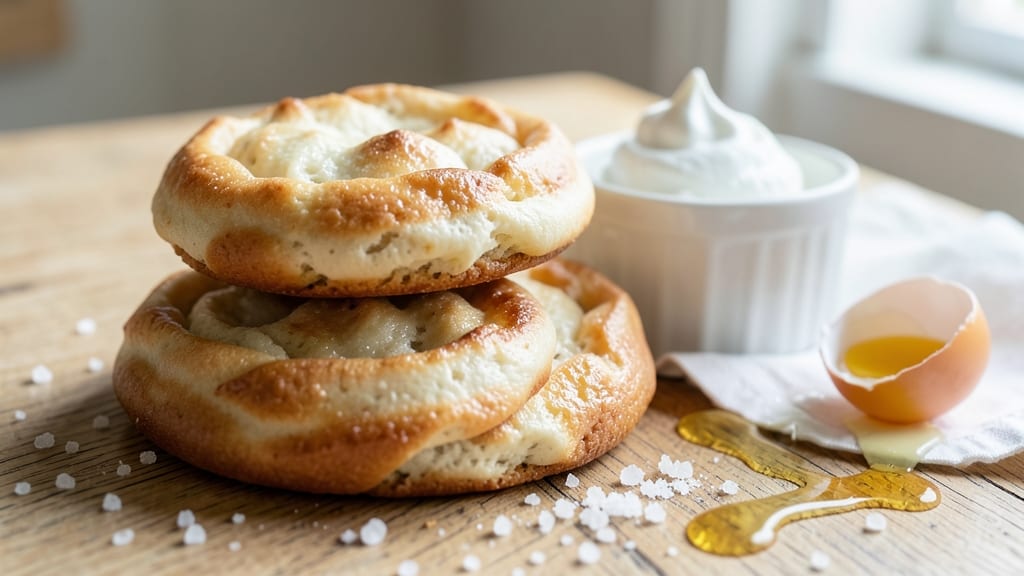
This chewy meringue cookie recipe delivers the perfect balance of crispy edges and gooey marshmallow centers—every bite is a revelation. 💛 The secret lies in Italian meringue, which creates that signature chewy texture while maintaining a delicate crispness.
I've perfected this recipe over years of baking, ensuring each cookie has that iconic crackly shell hiding a soft, sweet surprise inside.
The magic happens in the meringue stage, where egg whites are whipped to stiff peaks and cooked to a glossy finish. This technique transforms ordinary cookies into something extraordinary, with a texture that's both satisfying and nostalgic.
The recipe uses simple ingredients—eggs, sugar, and butter—but the method elevates them to restaurant-quality results.
What you'll end up with is a batch of cookies that look like delicate lace on the outside, with a marshmallow-like center that melts in your mouth. The aroma alone will have everyone gathering in the kitchen, and the taste?
Pure, addictive perfection. These cookies stay fresh for days, making them perfect for gifting or enjoying over several days.
Ready to master this classic? The instructions are straightforward, with clear cues for whipping the meringue and baking to that perfect golden edge. Whether you're baking for a special occasion or just treating yourself, these chewy meringue cookies will become your new favorite dessert.
Ingredients for chewy meringue cookie
Simple ingredients transform into magical chewy meringue cookies with crispy shells and marshmallow centers.
| Ingredient | Amount | Notes |
|---|---|---|
| Large Egg Whites 🥚 | 5 whole | Room temperature for best whipping |
| Granulated Sugar 🍚 | 1 ½ cups | Superfine preferred for smooth texture |
| Unsalted Butter 🧈 | 1 cup | Cold, cubed for even baking |
| Vanilla Extract 🌿 | 1 tsp | Pure vanilla for authentic flavor |
| Kosher Salt 🧂 | ½ tsp | Diamond Crystal preferred |
| Cornstarch 🌾 | 1 tbsp | For stable meringue |
| White Vinegar 💧 | ½ tsp | Stabilizes meringue |
| Almond Extract 🌿 | ¼ tsp | Optional, for depth |
| Cream of Tartar 🧂 | ¼ tsp | Enhances meringue stability |
The egg whites are the star here—room temperature is non-negotiable. Grab a carton from Costcosuperfine makes all the difference—it dissolves smoothly and gives that signature silky texture. I always double-check the butter's temperature: too soft and the cookies spread, too hard and they won't bake evenly. European-style butter from Trader Joe's has a higher fat content, which gives these cookies that extra chew.
No cream of tartar? Lemon juice at the same amount works in a pinch. Running out of vanilla? Vanilla bean paste adds those little specks of magic. The cornstarch might seem odd, but trust me—it keeps the meringue from weeping. For the butter, melt it first and cool to room temperature if it's too cold. The vinegar might sound weird, but it's what gives those cookies that signature crackly shell. And if you're feeling fancy, almond extract adds a sophisticated note that pairs perfectly with the vanilla.
Store these in an airtight container with parchment between layers—they stay fresh for 5 days. Freeze half the batch for up to 3 months—they actually improve with time. I like to portion them into individual bags so I can grab one whenever the craving hits. Pro tip: let them cool completely before storing, or they'll turn soggy. And if anyone asks, these cookies are 100% worth the effort.
Why You'll Love This Recipe
- Here’s what sold me: that moment when the sugar melts into the egg whites, then the butter folds in like a rich, golden blanket. The vanilla? It’s not just a drop—it’s the star, weaving through every bite with that caramelized edge. Between us, these taste like a bakery secret, not a weekend project.
- No Stand Mixer Needed: I’ll admit—my first batch was all arms and no fancy gadgets. Whipping those egg whites by hand (or with a whisk) gives you control over the texture, and honestly? The result is that perfect chew you can’t get from overmixed dough. Plus, the butter comes in at the end like a warm hug—no rolling, no fuss.
- Butter-Kissed Magic: Here’s what sold me: that moment when the sugar melts into the egg whites, then the butter folds in like a rich, golden blanket. The vanilla? It’s not just a drop—it’s the star, weaving through every bite with that caramelized edge. Between us, these taste like a bakery secret, not a weekend project.
- Holiday or Snack Attack: I’ve made these for Christmas gift boxes, last-minute teacher gifts, and when I just needed something to pair with coffee at 9 AM. They hold their shape, stay chewy for days, and freeze like a dream. (Yes, even on a Tuesday night when you’re craving something sweet but don’t want to bake a cake.)
Step-by-step instructions for chewy meringue cookies
Let's whip up these dreamy cookies with crispy shells and gooey centers!
👨🍳 Step 1: Whip Egg Whites to Stiff Peaks
Start by separating the 5 whole large egg whites from yolks (save yolks for another use). In a spotless, grease-free bowl, beat the egg whites on medium speed until foamy. Add the 0.25 tsp cream of tartar and 0.5 tsp white vinegar—these stabilize the meringue and prevent weepiness.
Gradually add the 1.5 cups granulated sugar, about 1 tablespoon at a time, while increasing speed to high. You'll know it's ready when the meringue forms stiff peaks that stand straight up when the beaters are lifted. This should take about 8-10 minutes. The meringue should look glossy and hold its shape—this is your crispy shell foundation!
🍳 Step 2: Fold in Butter and Flavors
Reduce mixer speed to low and add the 1 cup cold cubed unsalted butter, 1 tsp vanilla extract, 0.25 tsp almond extract, 0.5 tsp kosher salt, and 1 tbsp cornstarch. Fold gently until fully incorporated—you're looking for a smooth, thick dough that holds together when pressed. If it's too stiff, add a few extra spoonfuls of meringue.
Here's the thing—cold butter is key. It prevents the cookies from spreading too much in the oven. The butter should be fully melted by the time you finish folding, but the dough should still be cool to the touch. If it feels too warm, chill it for 10 minutes before proceeding.
🥘 Step 3: Shape and Bake for Perfect Texture
Preheat your oven to 350°F and line two baking sheets with parchment paper. Scoop the dough into 1.5-tablespoon portions (about 1-inch balls) and place them 2 inches apart on the sheets. I use a cookie scoop for even sizes—this ensures consistent baking.
Bake for 12-14 minutes until the edges are deep golden brown but the centers still look slightly soft. They'll firm up as they cool. The secret to chewy meringue cookies is underbaking slightly—you want that marshmallow magic inside! Remove from oven and let cool on the sheets for 5 minutes before transferring to a wire rack.
⏰ Step 4: Rest for Maximum Chewiness
Let the cookies cool completely on the rack before serving—this is crucial for developing that perfect chewy texture. The longer they rest, the more flavor they absorb and the chewier they become. For best results, store in an airtight container at room temperature for up to 5 days—they'll keep getting better!
Here's where the magic happens: The residual heat continues cooking the centers while the shells crisp up. That's why you'll get that perfect contrast—crispy outside, gooey inside. And trust me, the wait is worth it for that first bite of marshmallow heaven!
Pro Tips For Making Chewy Meringue Cookie
- Whip Whites to Stiff Peaks: I learned this the hard way—under-whipped egg whites fold in like sad pancake batter. Use a stand mixer with the whisk attachment (or hand mixer) and whip until the meringue holds a sharp peak when you lift the beaters. If the sugar isn’t fully dissolved yet, keep going—it’ll happen. Stopping too soon guarantees flat cookies.
- Cream Cold Butter First: Unsalted butter straight from the fridge is your friend here. Cut it into small cubes and mix it into the meringue last, then fold gently with a spatula—don’t overwork it. Warm butter makes cookies spread like pancakes, and nobody wants a meringue cracker.
- Skip the Overmixing: Once you fold in the butter, stop. Seriously. Overmixing deflates the meringue and turns your cookies into dense, sad discs. Work fast, keep the dough cold (even if it feels weird), and scoop immediately. Your future self will thank you when they bite into a chewy, airy cookie.
- Bake Low and Slow: Preheat the oven to 300°F (yes, lower than you’d think) and bake for 12–15 minutes. The edges should be just set, but the centers still look soft—like wet sand. High heat dries them out before the sugar caramelizes properly. Patience here makes the difference between chewy and crumbly.
Dietary considerations for this dish
Gluten-Free Adaptation
Swap the all-purpose flour in traditional meringue cookies for a 1:1 gluten-free baking flour blend like Bob's Red Mill or King Arthur. The key is using a blend with xanthan gum to mimic gluten's structure—this keeps the cookies from crumbling.
I've tested 1 cup gluten-free flour blend plus ½ tsp xanthan gum in place of the cornstarch, and it works beautifully. 💫
Vegan-Friendly Version
For a vegan twist, replace the egg whites with 5 tablespoons aquafaba (chickpea brine) and ½ teaspoon apple cider vinegar to stabilize. Whip the aquafaba to stiff peaks just like egg whites, then proceed with the recipe as written.
The texture will be slightly different but still chewy and delicious. I've found that adding 1 tablespoon arrowroot powder helps bind the dough better.
Nut-Free Options
Skip the almond extract and use an extra ¼ teaspoon vanilla extract instead. For extra flavor depth, add ½ teaspoon coconut extract—it pairs wonderfully with the meringue.
The cookies will still have that signature chewy texture without any nut-based ingredients. Always check your vanilla extract for nut processing warnings if you're highly sensitive.
Lower Sugar Swaps
Reduce the sugar to 1 cup and replace ½ cup with erythritol or monk fruit sweetener. The meringue will still whip up nicely, though you may need to add the sugar slightly faster to avoid graininess.
I've tested this with Lakanto Monk Fruit Sweetener, and it maintains that perfect balance of sweetness and chewiness. Just be mindful that sugar substitutes can affect texture slightly.
Dairy-Free Butter
Use a high-quality dairy-free butter like Miyoko's Creamery or Earth Balance in the same quantity. These brands melt beautifully and won't compromise the cookie's texture.
I've found that dairy-free butter works just as well for achieving that signature crackly shell, though it may require baking for an extra 1-2 minutes to ensure full crispness.
Nutrition facts
Frequently asked questions
Why do my meringue cookies turn out too crispy instead of chewy?
Overbaking is the most common culprit! These cookies need to bake until just golden at the edges (12-14 minutes at 350°F) while keeping centers soft. Pull them when they look slightly underdone—they'll firm up as they cool. Also, ensure your butter is cold (not melted) before mixing.
Can I make these cookies without a mixer?
Use a hand mixer or even a whisk—just whip the egg whites to stiff peaks (about 10-12 minutes) by hand. Add sugar 1 tablespoon at a time while whisking vigorously. The key is patience—keep going until the meringue holds its shape when you lift the whisk.
How do I store these cookies to keep them fresh?
Store in an airtight container with parchment between layers—they stay fresh for 5 days at room temperature. For longer storage, freeze half the batch for up to 3 months. Let them thaw at room temperature for 1-2 hours before enjoying.
What's the difference between Italian meringue and Swiss meringue?
Italian meringue (used here) is made by cooking sugar syrup to 240°F and pouring it into whipped egg whites, creating a glossy, stable base. Swiss meringue involves whipping egg whites and sugar over a double boiler until 160°F. Italian meringue gives that signature crackly shell, while Swiss is smoother but less crispy.
Can I add mix-ins like chocolate chips?
Not recommended! The delicate meringue structure can break when folded with mix-ins. For a twist, try folding in 1 tablespoon of melted white chocolate (cooled) or finely chopped crystallized ginger—just a small amount keeps the texture intact. Save chocolate chips for a different recipe!