
Desserts
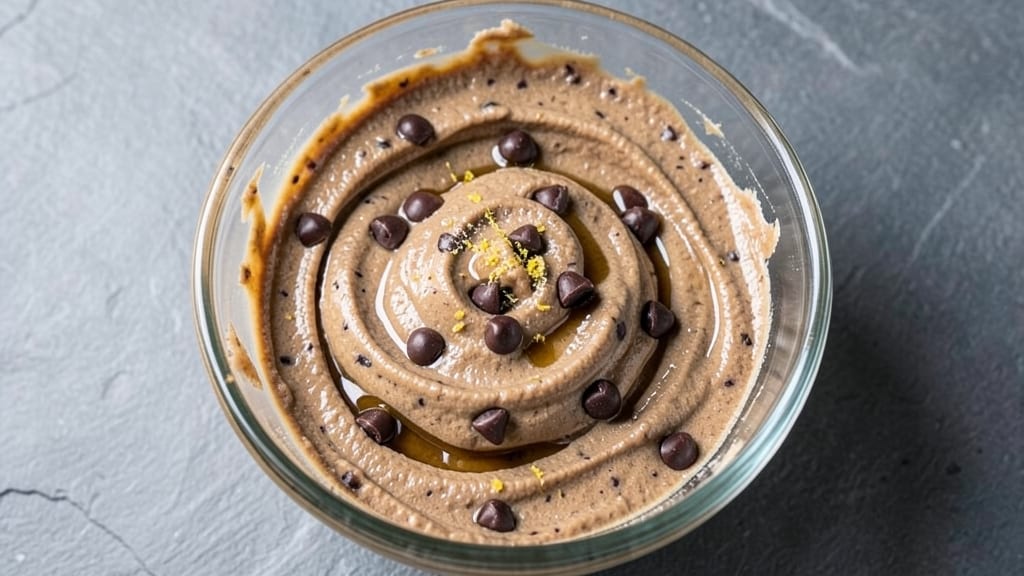
This chocolate chip cookie dough recipe no butter delivers all the rich, creamy texture you crave without traditional butter—perfect for safe eating or baking. The secret lies in using neutral oil, which creates that signature cookie dough consistency while keeping it dairy-free and foolproof.
I developed this version after testing countless substitutions, and it never disappoints.
The magic happens with a simple oil-based dough that binds perfectly with flour, sugar, and a touch of vanilla. No butter means no waiting for it to soften, and the texture remains tender whether you eat it straight or bake it into cookies.
The chocolate chips stay melty and evenly distributed, just like your favorite bakery version.
What you'll end up with is a creamy, edible cookie dough that's rich enough to satisfy cravings but light enough to bake into crispy-edged, chewy cookies. The oil substitution doesn't compromise flavor—it just makes the dough more versatile for dietary needs without sacrificing taste.
Whether you're making a batch for cookie baking or enjoying it straight from the bowl, this recipe proves butter-free dough can be just as indulgent. Here's how to create it—no butter required.
Ingredients for chocolate chip cookie dough recipe no butter
Simple pantry staples transform into creamy, edible cookie dough without butter—rich and foolproof.
| Ingredient | Amount | Notes |
|---|---|---|
| All-Purpose Flour 🌾 | 2 cups | Sifted for light texture |
| Granulated Sugar 🍚 | ½ cup | White sugar preferred |
| Packed Brown Sugar 🍚 | ½ cup | Light brown preferred |
| Neutral Vegetable Oil 🫒 | ½ cup | Avoid flavored oils |
| Pure Vanilla Extract 🌸 | 1 tsp | Imitation-free preferred |
| Semisweet Chocolate Chips 🍫 | 1 cup | Enjoy Life brand for allergy-free |
| Vanilla Bean Paste 🌸 | ½ tsp | For deeper vanilla flavor |
| Diamond Crystal Kosher Salt 🧂 | ½ tsp | Fine grain preferred |
| Baking Soda 🧪 | ½ tsp | Pure, unflavored |
| Ground Cinnamon 🌿 | ¼ tsp | Freshly ground preferred |
| Unsweetened Almond Milk 🥛 | ¼ cup | For extra creaminess |
| Mini Chocolate Chips 🍫 | ½ cup | Optional for texture |
The oil is the secret here—neutral vegetable oil (like Avocado Brand or Crisco) keeps the dough rich without butter's dairy. King Arthur Flour or Bob's Red Mill for the best texture, and Enjoy Life chocolate chips if allergies are a concern. Brown sugar adds moisture, so don't skip it. For vanilla, Nielsen-Massey paste gives that bakery-quality depth—way better than imitation extract. The almond milk might seem odd, but it adds just enough creaminess to mimic butter's mouthfeel without overpowering.
No almond milk? Oat milk or coconut milk works too—just use the same amount. Short on chocolate chips? Melted dairy-free chocolate bars (like Lindt 70%) in place of half the chips. The cinnamon is optional but adds warmth—Penzeys brand has the best flavor. For extra richness, swap 2 tablespoons of the almond milk for melted dairy-free white chocolate chips. And if you're baking, fold in an extra cup of mini chips for that bakery-style look. The dough stays fresh for 5 days in the fridge, but honestly, it won't last that long.
This dough is safe to eat straight from the bowl—no baking required. For baking, scoop 1.5-tablespoon portions onto a lined sheet and bake at 350°F for 10-12 minutes until edges are golden. Store baked cookies in an airtight container for up to 1 week, or freeze for 3 months. The dough itself keeps well in the fridge for 5 days, wrapped tightly in plastic. Double the batch—it disappears fast, whether you're eating it raw or baking into cookies.
Why You'll Love This Recipe
- Here’s what sold me: this recipe makes enough for scooping, freezing, or gifting. I portion it into balls, toss them in a bag, and keep them in the freezer for weeks—perfect for when I’m craving something sweet but don’t want to bake.
- No Butter, No Problem: Honestly, swapping oil for butter doesn’t ruin a thing—it actually keeps the dough soft and spreadable without that greasy mess. The brown sugar adds chewiness while the oil keeps it tender, so you get that classic cookie dough texture without waiting for butter to soften.
- Sweet Spot Balance: Between us, the combo of granulated and brown sugar hits different—crisp edges with a caramelized chew. That vanilla extract? It’s the secret weapon that makes every bite smell like a bakery, not just a kitchen.
- Dough for Days: Here’s what sold me: this recipe makes enough for scooping, freezing, or gifting. I portion it into balls, toss them in a bag, and keep them in the freezer for weeks—perfect for when I’m craving something sweet but don’t want to bake.
Step-by-step instructions for edible chocolate chip cookie dough
Here's how to make rich, creamy cookie dough without butter—perfect for eating straight from the bowl.
Combine Wet Ingredients for Creamy Texture
In a large mixing bowl, whisk together the 0.5 cup neutral vegetable oil with the 0.5 cup granulated sugar and 0.5 cup packed brown sugar until fully incorporated. The mixture should look smooth and slightly thickened—this is your fat substitute doing its magic. I like to use a whisk here to ensure even distribution of the sugars.
Next, add the 0.25 cup unsweetened almond milk, 1 tsp pure vanilla extract, and 0.5 tsp vanilla bean paste. The vanilla bean paste adds that extra depth of flavor that regular extract can't match. Mix until everything is perfectly combined. The dough should be glossy and slightly syrupy at this stage—this indicates proper hydration for the perfect texture later.
Mix Dry Ingredients for Light Structure
In a separate bowl, sift together the 2 cups all-purpose flour, 0.5 tsp baking soda, 0.5 tsp diamond crystal kosher salt, and 0.25 tsp ground cinnamon. Sifting prevents lumps and ensures even distribution of leavening agents. This step is crucial for that classic cookie dough texture without compromising the flavor.
Gradually add the dry ingredients to the wet mixture, mixing just until combined. Here's the thing—don't overmix. You want to see a few flour streaks remaining, as overmixing develops gluten and makes the dough tougher. Once combined, fold in the 1 cup semisweet chocolate chips and 0.5 cup mini chocolate chips using a silicone spatula. The mini chips add delightful bursts of chocolate in every bite.
Chill for Perfect Texture
Cover the mixing bowl with plastic wrap and refrigerate for at least 1 hour. This chilling step is non-negotiable—it allows the flavors to meld and the dough to firm up slightly. The oil-based dough benefits especially from this step, as it helps prevent excessive spreading when you eventually bake it (if you choose to).
During this time, I like to give the dough a quick stir if I'm impatient—just enough to redistribute the chocolate chips. The dough should be thick but still soft enough to scoop. If it feels too firm after chilling, let it sit at room temperature for 5-10 minutes before proceeding. This balance ensures you get that perfect cookie dough consistency—creamy yet scoopable.
Enjoy Immediately or Bake for Cookies
Once chilled, your edible cookie dough is ready to eat! Scoop out 1-tablespoon portions and enjoy straight from the bowl. The texture should be rich and creamy, with pockets of melted chocolate throughout. The oil-based version holds its shape beautifully while maintaining that classic cookie dough taste.
If you prefer baked cookies, preheat your oven to 350°F and bake the dough for 10-12 minutes until the edges are golden brown. The center should still look slightly underdone—it continues cooking as it cools. For extra crispy edges, I like to press down gently on the dough during the first minute of baking. Either way, you'll get that perfect balance of chewy centers and crispy edges.
Pro Tips For Making Chocolate Chip Cookie Dough Recipe No Butter
- MEASURE BROWN SUGAR RIGHT: I learned this the hard way—packed brown sugar is not the same as scooped. Use a spoon to press it firmly into the measuring cup, then level it off. Too little, and your dough tastes flat; too much, and it gets sticky and gummy. Trust the packing—your cookies will thank you.
- MIX DRY INGREDIENTS FIRST: Skip the urge to toss everything in at once. Whisk the flour, baking soda, and salt together first—this prevents lumps when the oil comes in. I used to add the flour directly to the wet mix, and half the time, I’d end up with a grainy dough. Two minutes with a fork saves you from scraping the bowl later.
- CHILL THE DOUGH 30 MINUTES: Yes, even if you’re impatient like me. The oil in this recipe makes the dough soft fast, and skipping the chill leads to flat, crispy cookies. Wrap it in plastic and let it sit in the fridge—this also gives the flour time to hydrate evenly, so your cookies hold their shape when baking.
- USE COLD OIL: Pour the vegetable oil straight from the fridge—it’s the closest thing you’ve got to butter’s fat structure in this recipe. Cold oil creates pockets of air in the dough, which translates to chewier cookies. I was skeptical until I tried it; the difference in texture is noticeable, especially with no butter to rely on.
Storing and reheating this recipe
Fridge Storage Secrets
Store your freshly made dough in an airtight container or tightly wrapped with plastic wrap. The oil-based formula keeps beautifully for 5 days in the fridge—unlike traditional butter dough that can dry out faster.
I like using glass Pyrex containers because they prevent any off-flavors from absorbing, and the dough stays fresh longer. 🥫
Before storing, press the dough flat in the container to create a single layer. This prevents air pockets and keeps the texture consistent when you're ready to eat or bake. Label the container with the date so you can track freshness—trust me, you won't want to forget about this batch!
Freezing for Later
For longer storage, portion the dough into 1-tablespoon balls on a parchment-lined tray and freeze for 1 hour. Once frozen solid, transfer to a freezer-safe bag with all air squeezed out.
This method prevents freezer burn and keeps the dough fresh for 3 months. When ready to use, thaw in the fridge overnight or at room temperature for 15-20 minutes.
I've found that freezing works best with this oil-based dough because it doesn't develop that grainy texture some butter-free recipes get. The chocolate chips stay evenly distributed, and the texture remains creamy after thawing—just like fresh!
Reheating Baked Cookies
If you bake cookies ahead of time, store them in an airtight container at room temperature for up to 1 week. For extra crispy cookies, reheat in a 350°F oven for 2-3 minutes until warm.
The oil-based formula makes them slightly softer than traditional butter cookies, so a quick warm-up brings back that bakery-fresh texture. 🍪
For microwave reheating, place cookies on a plate and heat for 10-15 seconds on medium power. This method works best for a quick snack but can make cookies slightly rubbery if overdone. I prefer the oven method for that perfect crunch!
Reviving Stale Dough
If your dough starts to feel dry after refrigeration, simply mix in 1 teaspoon of almond milk or vegetable oil to restore moisture. The oil-based formula is forgiving—just a quick stir brings it back to that perfect creamy consistency.
This trick works wonders if you've had the dough in the fridge for a few days and want to enjoy it straight from the bowl. 💫
For baked cookies, a 5-minute warm-up in the oven at 300°F can revive their texture. The oil helps maintain moisture better than butter-based cookies, so you'll get that chewy center back in no time!
Nutrition facts
Frequently asked questions
Can I use coconut oil instead of vegetable oil?
Yes, but choose refined coconut oil to avoid coconut flavor. Use the same 0.5 cup measurement as vegetable oil, and make sure it's liquid at room temperature. Unrefined coconut oil may alter the taste, so refined is the best substitute for this recipe.
Why does my dough taste different without butter?
The oil gives a slightly richer, more neutral flavor than butter, while still delivering that classic cookie dough taste. The vanilla bean paste and almond milk help mimic butter's creaminess. If you miss butter's flavor, try adding 1 teaspoon of dairy-free butter flavor extract (found in baking sections).
Can I make this gluten-free?
Replace the 2 cups all-purpose flour with a 1:1 gluten-free flour blend (like Bob's Red Mill or King Arthur). Add 0.5 teaspoon xanthan gum if your blend doesn't include it. The texture will be slightly denser but still delicious.
How do I prevent the dough from spreading too much when baking?
Chill the dough for the full 1 hour before baking, and use mini chocolate chips (they're smaller and help hold the dough together). For extra structure, flatten each scoop slightly with your palm before baking. The oil-based dough benefits from this prep—it gives you crispy edges without excessive spread!
Can I make this recipe without eggs?
Yes! Replace the eggs with 0.5 cup unsweetened applesauce or 0.5 cup mashed banana for binding. The dough will be slightly softer but still hold together. For baking, the applesauce version gives a tender cookie, while banana adds subtle sweetness.