
Desserts
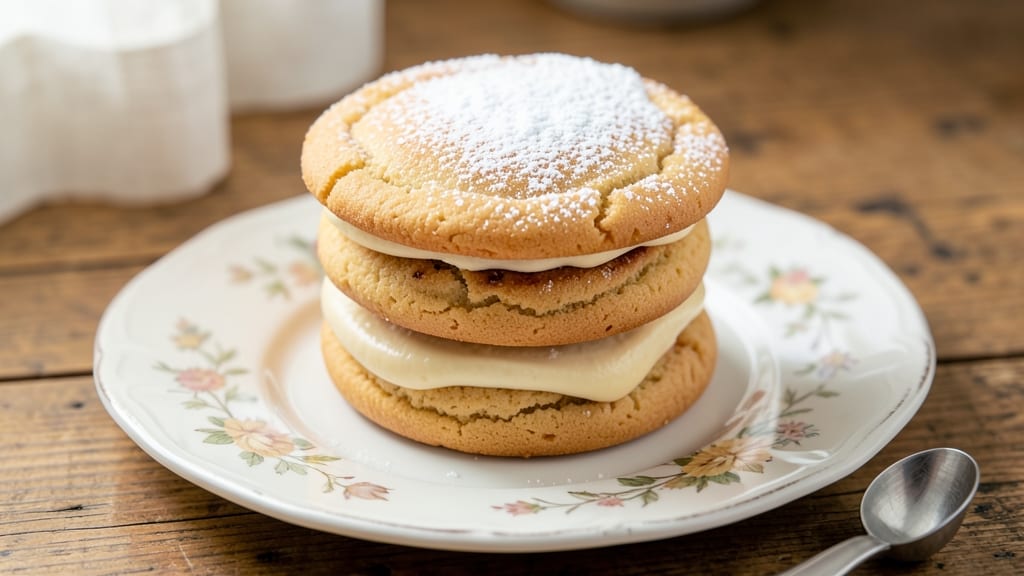
This cottage cheese sugar cookie recipe delivers the perfect balance of tender crunch and melt-in-your-mouth texture—thanks to a clever moisture trick that keeps them soft for days. 💛 The secret lies in blending cottage cheese into the dough, creating cookies that stay fresh longer while maintaining that classic sugar cookie flavor.
I developed this recipe after struggling with dry, crumbly cookies, and the difference is night-and-day.
The beauty of this method is its simplicity: no fancy equipment or complicated steps, just a few pantry staples and a foolproof technique for chilling the dough. The result? Cookies with a tender interior, crisp edges, and just the right amount of vanilla sweetness.
Unlike traditional sugar cookies that dry out quickly, these stay moist for hours—ideal for baking ahead or gifting.
What makes these stand out is their versatility. You can shape them into classic rounds, festive cutouts, or even press them into cookie jars for a rustic touch. The dough holds its shape beautifully, making it perfect for beginners or anyone looking to elevate their holiday baking.
With just 15 minutes of prep and 10 minutes in the oven, you’ll have cookies that taste like they came from a bakery.
Pair them with vanilla icing, sprinkles, or a dusting of powdered sugar for a showstopping treat. The cottage cheese adds a subtle tang that balances the sweetness, making every bite irresistible. Let’s get baking—these cookies are a game-changer for any occasion.
Ingredients for cookie cottage sugar cookie
Classic sugar cookie staples with a cottage cheese twist for melt-in-your-mouth tenderness.
| Ingredient | Amount | Notes |
|---|---|---|
| Large Eggs 🥚 | 2 whole | Room temperature for best mixing |
| Unsalted Butter 🧈 | 1 cup | Cold, cubed for easier mixing |
| Granulated Sugar 🍚 | 1 ½ cups | Superfine for smoother texture |
| Light Brown Sugar 🍚 | ½ cup | Packed for moisture balance |
| Vanilla Extract 🍯 | 2 tsp | Pure, high-quality extract |
| All-Purpose Flour 🌾 | 3 cups | Sifted for light texture |
| Baking Soda 🧂 | 1 tsp | Ensures proper rise |
| Salt 🧂 | ½ tsp | Fine sea salt preferred |
| Large-Curd Cottage Cheese 🧀 | 8 oz | Full-fat for richness |
| Powdered Sugar 🍚 | 1 cup | For vanilla icing (optional) |
| Vanilla Icing Color 🎨 | ¼ tsp | Optional for festive look |
| Heavy Cream 🥛 | ¼ cup | For icing (optional) |
| Sprinkles 🎉 | ½ cup | Assorted for decoration |
The cottage cheese is the game-changer here. Full-fat, large-curd is essential—it adds moisture without altering texture. I always grab Organic Valley or Trader Joe's brands for the creamiest results. The butter should be cold when you mix it, but not rock-hard—this ensures tender cookies. For the sugar, superfine dissolves better, but regular granulated works if you pulse it in a food processor. The vanilla extract? No imitation here—pure vanilla makes all the difference in flavor depth.
No cottage cheese? Substitute with Greek yogurt at the same amount, though texture may vary slightly. Running low on vanilla? Vanilla bean paste works too. For the icing, powdered sugar is a must—it dissolves smoothly. If you're skipping sprinkles, a dusting of powdered sugar gives that bakery finish. The dough chills best when shaped into a log and wrapped in plastic—24 hours in the fridge is ideal, but even 1 hour helps prevent spreading. Prefer festive shapes? Use cookie cutters before baking.
Store cookie dough in an airtight container for up to 5 days or freeze for 3 months. Baked cookies keep their moisture for 4-5 days in a sealed container. For gifting, bake ahead and package in layers with parchment between them. The icing sets quickly, so pipe it just before serving. These cookies reheat beautifully—10 seconds in the microwave restores that bakery-fresh warmth. Perfect for holiday gifts or last-minute baking!
Why You'll Love This Recipe
- Here’s what sold me: the cottage cheese. It keeps these cookies unbelievably soft without making them dense, and it cuts the butter cost by half. That crispy edge with the creamy center? Chef’s kiss. Plus, the vanilla extract ties everything together like a warm hug.
- No Mixer Needed: I swear by this recipe because it’s the only sugar cookie dough I’ve ever made that doesn’t require a food processor or mixer. Cream the butter and sugars by hand—it takes maybe five minutes, tops—and the result is that perfect, tender crumb. (Yes, even my husband, who hates baking, can handle it.)
- Cottage Cheese Secret: Here’s what sold me: the cottage cheese. It keeps these cookies unbelievably soft without making them dense, and it cuts the butter cost by half. That crispy edge with the creamy center? Chef’s kiss. Plus, the vanilla extract ties everything together like a warm hug.
- Holiday or Snack Attack: Between us, these are my go-to for Christmas cookie platters and my 3 p.m. sugar cravings. The dough holds together well for cutting shapes, but it’s just as good as thick, chewy rounds. Freeze half the batch—trust me, you’ll thank me in December when you’re done with holiday baking.
Step-by-step instructions for cottage cheese sugar cookies
Here's how to create chewy, moist cookies with that signature cottage cheese richness.
👨🍳 Step 1: Mix Wet Ingredients for Perfect Texture
In a stand mixer fitted with the paddle attachment, combine the 1 cup unsalted butter and both sugars (1.5 cups granulated and 0.5 cup light brown) on medium speed for 3-4 minutes. You're looking for a light, fluffy mixture that nearly doubles in volume. This creaming process incorporates air, which creates that signature tender crumb we want.
Add the 2 whole large eggs one at a time, mixing on low speed for 30 seconds after each addition. Then stir in the 2 teaspoons vanilla extract and the 8 ounces large-curd cottage cheese. The cottage cheese might look odd in the batter, but it's what gives these cookies their signature moist, cake-like texture. Mix until completely smooth—this ensures even distribution throughout the dough.
👨🍳 Step 2: Combine Dry Ingredients and Form Dough
In a separate bowl, whisk together the 3 cups all-purpose flour, 1 teaspoon baking soda, and 0.5 teaspoon salt. Gradually add this dry mixture to the wet ingredients, mixing on low speed just until combined. Be careful not to overmix—you should still see some flour streaks. Overmixing develops gluten, which can make the cookies tough.
The dough will be slightly sticky but manageable. If it's too soft to handle, chill it for 15 minutes before proceeding. This step is crucial for preventing the cookies from spreading too much in the oven. Once the dough is ready, divide it into 4 portions (about 1 cup each) and flatten each portion into a ½-inch thick disc. Wrap each disc tightly in plastic wrap and refrigerate for at least 1 hour or up to 24 hours.
🔥 Step 3: Bake to Golden Perfection
Preheat your oven to 350°F and line two baking sheets with parchment paper. Remove one disc of dough from the refrigerator and roll it out on a lightly floured surface to about ¼-inch thickness. Use cookie cutters to shape the cookies—this is where you can get creative with shapes for holidays or special occasions.
Transfer the shaped cookies to the prepared baking sheets, spacing them about 1 inch apart. Bake for 10-12 minutes or until the edges are light golden brown but the centers still look slightly underdone. They'll continue cooking slightly on the hot baking sheet. Let the cookies cool on the baking sheet for 5 minutes before transferring them to a wire rack to cool completely.
🥘 Step 4: Prepare and Apply Vanilla Icing (Optional)
In a medium bowl, whisk together the 1 cup powdered sugar, 0.25 cup heavy cream, and 0.25 teaspoon vanilla icing color (if using) until smooth. The icing should be thick enough to pipe but still spreadable. If it's too thick, add 1-2 teaspoons water at a time until you reach the desired consistency.
Once the cookies are completely cool, spread or pipe the vanilla icing onto the tops. Immediately sprinkle with the 0.5 cup sprinkles, pressing them gently into the icing so they adhere. Let the icing set for 15-20 minutes before serving or storing. The cookies will keep at room temperature in an airtight container for up to 5 days, though they're best enjoyed fresh.
Pro Tips For Making Cookie Cottage Sugar Cookie
- CREAM THE BUTTER SLOWLY: I learned this the hard way—dumping cold butter into sugar at once turns the dough into a greasy mess. Instead, cut the butter into small cubes and mix it in gradually with the sugars until you get a crumbly, sandy texture. This ensures the butter fully incorporates without melting into a paste too fast.
- CHILL THE DOUGH TWICE: Yes, even if you’re impatient like me. First, chill the dough for at least 30 minutes after mixing. Then, after rolling, flatten the logs and refrigerate another 15 minutes before slicing. This prevents spreading and makes cutting clean lines effortless—no more squished, uneven cookies.
- USE ROOM-TEMP EGG WHITES: Cold egg whites can make your cookies tough. Let them sit out for 10-15 minutes before adding them to the dough. The whites will blend in smoother and help create that signature tender crumb—no one wants a chewy sugar cookie when you’re going for that classic soft-but-firm texture.
- BAKE ONE PAN AT A TIME: Overcrowding the oven leads to uneven baking and cookies that spread into sad, flat discs. Bake just one pan at 350°F (175°C) for 8-10 minutes, rotating the pan halfway. The first batch will thank you with perfect height and color—no more guessing if they’re done.
Troubleshooting this dish
Dough Too Sticky
If your dough feels impossible to handle, don’t panic—this is normal with cottage cheese! Chill it for 15-30 minutes before rolling. I also recommend using less flour than you think you need; over-flouring makes cookies tough.
For extra insurance, wrap the dough in plastic and refrigerate for 1 hour before shaping. 💡
Cookies Spread Too Much
Over-spreading often happens when dough isn’t chilled enough. Always refrigerate the dough discs for at least 1 hour before rolling. Use a ¼-inch rolling pin guide for even thickness.
If your oven runs hot, reduce temp to 340°F and bake for 11-13 minutes. A parchment-lined baking sheet also prevents sticking and uneven baking.
Dry or Crumbly Texture
This usually means the cottage cheese was drained too long or the butter wasn’t cold enough. Use full-fat cottage cheese (like Organic Valley) and keep all ingredients cold. If your dough seems dry, add 1 tablespoon milk or heavy cream at a time until it’s just manageable.
Underbaking slightly (10 minutes instead of 12) also helps retain moisture. 🌱
Icing Too Thin or Thick
For the perfect icing consistency, start with 1 cup powdered sugar and 2 tablespoons heavy cream, then adjust. If too thick, add water 1 teaspoon at a time. If too thin, whisk in 1 teaspoon more powdered sugar.
Icing should coat the back of a spoon without dripping. Let it sit for 5 minutes before applying—this helps it thicken slightly for better piping. 🎨
Cookies Burn Before Cooking Through
Your oven might be too hot or the baking sheet too close to the heating element. Rotate trays halfway through baking and use the middle rack for even heat. If your oven has hot spots, switch pans after 5 minutes.
For extra insurance, bake at 340°F instead of 350°F. Always check for doneness at 10 minutes—they’ll firm up as they cool. 🔥
Cottage Cheese Separates in Dough
This happens if the cottage cheese isn’t blended smooth enough. Use a hand mixer or food processor to whip it until completely smooth before adding to wet ingredients. For extra insurance, strain it through a fine-mesh sieve to remove any lumps.
If you notice separation mid-mixing, add 1 tablespoon milk to help emulsify. The dough will still work, but blending thoroughly prevents texture issues. 🥛
Nutrition facts
Frequently asked questions
Why does cottage cheese make these sugar cookies different?
The cottage cheese adds moisture and tenderness without altering the classic sugar cookie flavor. It replaces some of the butter while keeping cookies soft for days—unlike traditional recipes that dry out quickly. The result is a cake-like texture with crisp edges.
Can I make these cookies without a mixer?
Mix the wet ingredients by hand using a sturdy spoon or wooden spatula. For the cottage cheese, mash it with a fork until smooth before adding. The dough will be slightly stickier, but chilling for 1 hour makes it easier to handle. Just mix gently to avoid overdeveloping gluten.
How do I store leftover dough?
Wrap the dough discs tightly in plastic wrap and refrigerate for up to 5 days or freeze for 3 months. To use frozen dough, thaw in the fridge overnight. For best results, bake from frozen—just add 2-3 minutes to the baking time.
What shapes work best for these cookies?
Classic rounds are foolproof, but these cookies hold their shape beautifully for festive cutouts like stars, trees, or gingerbread men. Use a ¼-inch rolling pin guide for even thickness. For intricate shapes, chill the dough for 2 hours before cutting to prevent cracking.
Can I substitute Greek yogurt for cottage cheese?
Yes, but texture may vary slightly. Use the same amount of full-fat Greek yogurt and expect cookies that are slightly denser. For a closer match, blend the yogurt until ultra-smooth. Cottage cheese adds a subtle tang that yogurt lacks, but both work well.