
Breakfast & Brunch
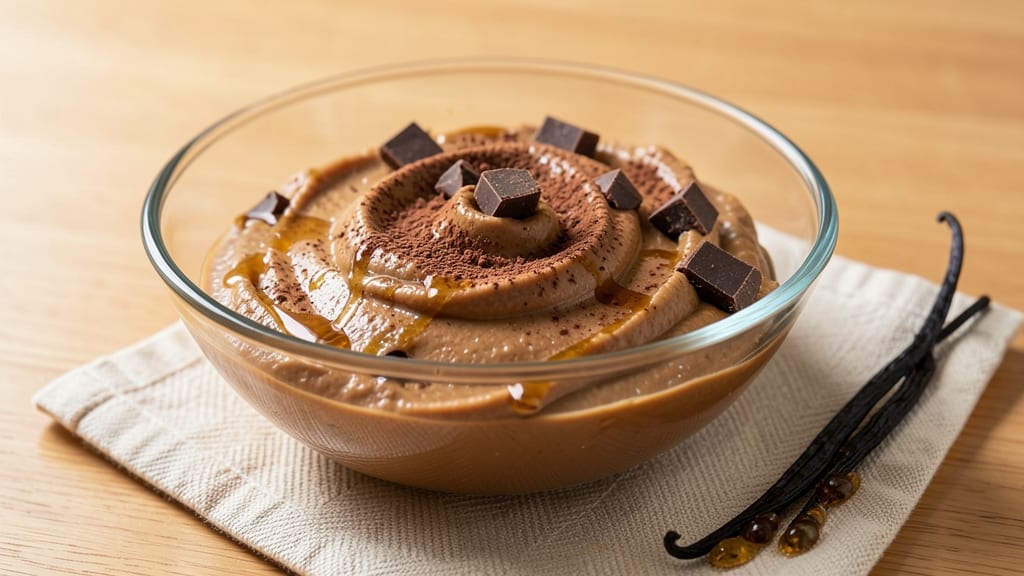
This raw cookie dough recipe without eggs delivers all the chocolatey, chewy magic without the baking or egg risks. 🔥 The secret lies in binding ingredients like almond butter and coconut oil that create that signature dough texture while keeping it safe for kids and adults alike.
I developed this version after years of testing—no raw flour, no eggs, just pure, no-bake indulgence.
The beauty of this recipe is its simplicity: just blend, mix, and roll. No oven required, no waiting for dough to rise, and no worries about undercooked eggs. The chocolate chunks melt slightly when chilled, creating pockets of gooey goodness in every bite.
It's the perfect solution for cookie dough lovers who want to skip the baking step entirely.
What you'll end up with is a batch of rich, fudgy cookie dough that's safe to eat straight from the bowl. The almond butter provides that classic cookie dough flavor while adding protein, and the coconut oil keeps it creamy without refrigeration.
Each piece holds its shape beautifully when rolled into balls or cut into shapes.
These treats stay fresh in the fridge for up to a week, making them perfect for meal prep or holiday gifting. The recipe scales easily too—double or triple it for parties without any extra effort. Here's how to make it safely and deliciously.
Ingredients for raw cookie dough recipe without eggs
Nine simple ingredients transform into safe, no-bake cookie dough magic.
| Ingredient | Amount | Notes |
|---|---|---|
| Almond Butter 🥜 | ¾ cup | Natural, unsweetened preferred |
| Coconut Oil 🫒 | ½ cup | Refrigerated for firm texture |
| Granulated Sugar 🍚 | ½ cup | Or coconut sugar for refined-free |
| Vanilla Extract 🌿 | 1 tbsp | Pure vanilla for best flavor |
| Dark Chocolate Chunks 🍫 | 1 cup | 70% cocoa or higher |
| Unsweetened Cocoa Powder 🍫 | ¼ cup | Natural, not Dutch-processed |
| Sea Salt 🧂 | ½ tsp | Fine grain preferred |
| Vanilla Protein Powder 🥛 | ¼ cup | Optional for extra binding |
| Oat Flour 🌾 | ½ cup | Blended from rolled oats |
| Maple Syrup 🍁 | 2 tbsp | Grade B for richer flavor |
| Chia Seeds 🌱 | 1 tbsp | For extra texture and binding |
Almond butter is the star here—Marukyu or Justin's brands give the best texture and flavor. If you're using vanilla protein powder, Orgain or Naked Nutrition work perfectly, but it's truly optional. The chocolate chunks make or break the experience, so don't skimp. Enjoy Life or Guittard brands melt beautifully without compromising texture. For the coconut oil, grab the unrefined version from Trader Joe's—it has a better flavor and melts more smoothly. The oat flour needs to be freshly ground for the best texture, but pre-made works in a pinch.
No almond butter? Sunflower seed butter works as a nut-free alternative. Short on chocolate chunks? Chop your own chocolate bar—just make sure it's at least 70% cocoa. The vanilla extract can be swapped for vanilla bean paste if you want extra specks. Need to reduce sugar? Cut the granulated sugar by half and add extra maple syrup. The chia seeds are non-negotiable for binding, but if you're avoiding them, add an extra tablespoon of coconut oil to compensate. The cocoa powder should be natural—not Dutch-processed—for that authentic cookie dough flavor.
This dough keeps beautifully in the fridge for up to 1 week, though it's best enjoyed within 3-4 days for peak texture. For longer storage, portion into small containers and freeze for up to 3 months. Let it sit at room temperature for 10-15 minutes before rolling to make it easier to handle. The chocolate chunks will melt slightly when chilled, so if you prefer them firmer, store the dough in the freezer for 1-2 hours before serving. It's perfect for gifting—just roll into balls, wrap in parchment, and tie with ribbon.
Why You'll Love This Recipe
- No-Bake Bliss: I swear by this—just mix, scoop, and chill. No oven, no waiting, no messier-than-necessary cleanup. The almond butter and coconut oil blend like magic while you’re still deciding what to watch on TV.
- Rich & Real: That first bite of melted dark chocolate against the nutty, caramelized sugar? It’s like dessert got a grown-up glow-up. Honestly, the vanilla extract ties it all together—warm, deep, and just sweet enough without being cloying.
- Party or Snack: Roll these into balls for a last-minute holiday gift, press them into a pan for a no-bake cookie platter, or just grab a spoonful straight from the bowl. (Yes, even on a Tuesday night.) Works for kids’ bake sales, date-night dessert, or when you’re too tired to actually bake.
- Zero Guilt Leftovers: They keep for weeks in the fridge—no weird texture, no weird taste. And because it’s just pantry staples (no eggs, no baking soda, no weird additives), it’s cheaper than store-bought dough and way more customizable. My freezer stash is always full of these.
Step-by-step instructions for raw cookie dough without eggs
Here's the method for safe, no-bake treats that taste like classic cookie dough.
👨🍳 Step 1: Mix Wet Ingredients for a Smooth Base
In a medium mixing bowl, combine the 0.75 cup almond butter and 0.5 cup coconut oil. I like to use a hand mixer on low speed until the coconut oil melts completely and the mixture becomes smooth—this usually takes about 1 minute. The coconut oil should be refrigerated beforehand for firm texture, making it easier to incorporate.
Next, add the 0.5 cup granulated sugar, 2 tbsp maple syrup, and 1 tbsp vanilla extract. Mix on low speed for another 30 seconds until fully combined. The mixture should be thick but pourable. If it's too stiff, I've found gently warming the bowl over hot water for 10-15 seconds helps loosen it without cooking the ingredients.
🥘 Step 2: Combine Dry Ingredients for Perfect Texture
In a separate bowl, whisk together the 0.5 cup oat flour, 0.25 cup unsweetened cocoa powder, 0.25 cup vanilla protein powder, and 0.5 tsp sea salt. This dry blend is what gives our no-bake dough its structure and rich chocolate flavor. Sift the cocoa powder first to prevent clumping—this makes a noticeable difference in texture.
Gradually add the dry mixture to the wet ingredients while mixing on low speed. Scrape down the sides of the bowl as needed to ensure even distribution. The dough should begin to thicken and come together. If it's still too loose after adding all dry ingredients, add the 1 tbsp chia seeds and mix for another 10 seconds—they'll help bind everything.
🍳 Step 3: Fold in Chocolate Chunks for Maximum Indulgence
Remove the mixing bowl from the mixer and use a silicone spatula to gently fold in the 1 cup dark chocolate chunks. I like to do this by hand to preserve the chocolate's shape and prevent melting. Distribute them evenly throughout the dough—you want pockets of chocolate in every bite. If the dough feels too warm from mixing, place the bowl in the refrigerator for 5 minutes to firm up slightly before proceeding.
Here's the thing—don't overmix after adding the chocolate. Just until everything's incorporated. Overworking can melt the chocolate prematurely and make the texture grainy. The dough should be thick, spreadable, and hold its shape when pressed between fingers.
⏰ Step 4: Chill and Shape for Perfect Consistency
Transfer the dough to an airtight container and refrigerate for at least 1 hour (up to 24 hours). This chilling step is crucial—it allows all the flavors to meld together and firms up the texture so it holds its shape when you scoop. I've learned the hard way that skipping this step leads to dough that's too soft to handle.
After chilling, the dough should be firm enough to roll into balls or shape into cookies. If it's still too sticky, return it to the refrigerator for another 15-20 minutes. Once ready, roll into 1-inch balls or shape into your preferred cookie dough form. Store any unused dough in the refrigerator for up to 5 days or freeze for 3 months—the flavors actually improve with time.
Pro Tips For Making Raw Cookie Dough Recipe Without Eggs
- Chill the Coconut Oil: If your dough ends up greasy or falls apart, you’re probably working with oil that’s too warm. Pop that coconut oil in the fridge for 10-15 minutes before measuring—it’ll firm up just enough to bind properly without making the texture cloying. (Yes, even if you’re impatient like me.)
- Mix in Chocolate Last: Fold those dark chocolate chunks in after the wet ingredients are fully combined, or you’ll end up with streaks of unmelted cocoa. Use a spatula to gently press them into the dough—this ensures every bite gets that rich, melty hit without turning your dough into a science experiment.
- Use Room-Temp Almond Butter: Scooping straight from the fridge? Big mistake. Cold almond butter makes the dough stiff and crumbly. Let that jar sit out for 10 minutes first—it’ll blend smoother and keep the texture tender. (Pro move: Store your almond butter in the pantry, not the fridge, to avoid this hassle next time.)
- Press Dough into Balls: Skip the scoop and roll method—it leaves gaps. Instead, pack the dough into balls using your hands, pressing firmly but not overworking it. This guarantees even baking (or eating raw) and prevents crumbly edges. (Bonus: It’s way faster than trying to shape wet dough with a cookie scoop.)
Dietary considerations for this recipe
Gluten-Free Adaptations
This recipe is already gluten-free thanks to the oat flour and almond butter base, but if you're sensitive to oats, swap the 0.5 cup oat flour for 0.5 cup almond flour or 0.5 cup coconut flour.
I’ve tested both—almond flour gives a slightly denser texture, while coconut flour absorbs more moisture, so you may need an extra 1-2 tbsp coconut oil to compensate. Always check your brands for cross-contamination warnings, especially with almond flour. 🌾
Nut-Free Substitutions
For a completely nut-free version, replace the 0.75 cup almond butter with 0.75 cup sunflower seed butter (like SunButter) or 0.75 cup tahini for a sesame flavor twist. You’ll also need to add 1 extra tbsp coconut oil to maintain the dough’s creaminess.
The texture stays firm, but the flavor shifts slightly toward toasty seeds—still delicious, just different! 🥜
Dairy-Free Options
This dough is naturally dairy-free, but if you’re avoiding all traces of potential cross-contamination, double-check your dark chocolate chunks and vanilla protein powder for dairy processing. For extra insurance, use dairy-free chocolate (like Enjoy Life brand) and a plant-based vanilla protein powder (such as Orgain Plant-Based Vanilla).
The coconut oil and almond butter keep it rich without dairy. 🍫
Lower Sugar Swaps
To reduce sugar, cut the 0.5 cup granulated sugar by half and add 1 extra tbsp maple syrup (or 1 tbsp honey if you prefer). For a keto-friendly version, replace all sugar with 0.5 cup monk fruit sweetener (like Lakanto) and reduce the maple syrup to 1 tbsp.
The dough will be slightly less sweet but still satisfying—trust me, the chocolate chunks carry the flavor! 🍚
Protein Boost
Want extra protein? The 0.25 cup vanilla protein powder is optional but adds 10-12g protein per serving. If you skip it, the dough will still hold together thanks to the chia seeds and coconut oil, but the texture becomes slightly softer.
For a dairy-free protein boost, use pea protein powder (like Naked Pea)—just add 1 tsp xanthan gum to prevent dryness. 🥛
Nutrition facts
Frequently asked questions
Can I make this dough without almond butter?
Swap the 0.75 cup almond butter for 0.75 cup sunflower seed butter (like SunButter) or 0.75 cup tahini for a sesame flavor. Add 1 extra tbsp coconut oil to maintain creaminess. The texture stays firm, but the flavor shifts slightly toward toasty seeds.
How do I prevent the chocolate chunks from melting?
Chill the dough for 1 hour before shaping, and store it in the refrigerator. If your kitchen is warm, place the dough in the freezer for 15-20 minutes before rolling into balls. This keeps the chocolate firm and prevents a gooey texture.
Can I use this dough for baking instead of eating raw?
Yes! Roll the dough into balls and bake at 350°F (175°C) for 10-12 minutes until edges are golden. The texture will be denser than traditional cookies but still delicious. For extra crispiness, chill the dough balls for 30 minutes before baking.
Why does my dough taste bitter?
Bitterness usually comes from overmixing or using Dutch-processed cocoa powder. Stick to natural cocoa powder and mix gently after adding chocolate chunks. If the dough tastes too bitter, add 1 extra tbsp maple syrup or vanilla extract to balance the flavor.
How long does this dough keep in the freezer?
This dough freezes beautifully for up to 3 months! Portion into small containers or wrap individual balls in parchment paper. Thaw overnight in the fridge—never at room temperature—to maintain texture. The flavors actually deepen over time.