
Breakfast & Brunch
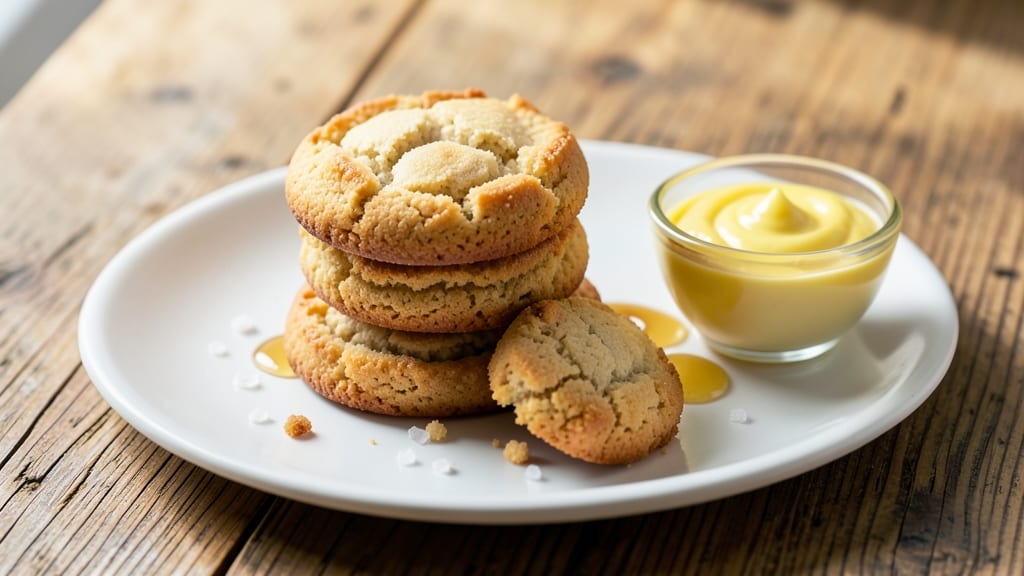
This shortbread cookie recipe with eggs delivers the perfect balance of pillowy crunch and golden edges—a texture that separates the truly exceptional from the ordinary. The secret lies in the eggs, which bind the buttery dough while creating that signature tender-yet-firm bite.
After years of perfecting this classic, I’ve developed a method that ensures every batch comes out with the delicate crumb and melt-in-your-mouth quality you’d expect from a Scottish tearoom.
The process is deceptively simple: chilling the dough for at least 30 minutes is non-negotiable—it prevents spreading and guarantees clean edges. Baking at a precise 325°F ensures even cooking without browning, while the eggs add richness that butter alone can’t match.
This isn’t your grandmother’s shortbread; it’s a foolproof recipe that delivers restaurant-quality results with just 10 ingredients and 15 minutes of active time.
What sets these apart is the dual texture: crispy edges that shatter with the first bite, giving way to a soft, buttery center that practically melts. The eggs create a subtle chewiness that elevates the classic shortbread experience, making them ideal for holiday gifting or impressing guests.
Whether you stick to the traditional version or add lemon zest or chocolate chips, the foundation remains the same—perfectly balanced flavor and texture every time.
Ready in under an hour, these cookies stay fresh for days, making them the ultimate make-ahead treat. The key is patience—letting the dough rest and baking at the right temperature transforms simple ingredients into something extraordinary. Let’s get started on a batch that’ll have everyone asking for the recipe.
Ingredients for shortbread cookie recipe with eggs
Ten essential ingredients transform into delicate shortbread with signature pillowy crunch and golden edges.
| Ingredient | Amount | Notes |
|---|---|---|
| Unsalted Butter 🧈 | 2 cups | Cold, cubed for even mixing |
| Granulated Sugar 🍚 | ½ cup | Superfine preferred for smooth texture |
| Large Eggs 🥚 | 2 whole | Room temperature for even blending |
| All-Purpose Flour 🌾 | 2 cups | Sifted for light, airy crumb |
| Diamond Crystal Kosher Salt 🧂 | ½ tsp | Adjusts to taste after baking |
| Vanilla Extract 🌿 | 1 tsp | Pure, high-quality extract |
| Baking Powder 🍞 | ¼ tsp | Ensures proper rise |
| Lemon Zest 🍋 | 1 tbsp | Optional, for bright flavor |
| Almond Extract 🌰 | ¼ tsp | Subtle nutty depth |
| Cornstarch 🌾 | 1 tbsp | For tender crumb texture |
The butter is non-negotiable—European-style or cultured butter from Plugrá or Land O’Lakes delivers the best flavor and texture. Look for 82% fat content or higher, and store it in the freezer to maintain freshness. The eggs must be large, fresh, and room temperature—cold eggs create air pockets in the dough. For the flour, King Arthur or Gold Medal brands are ideal, but sift it thoroughly to avoid dense cookies. The kosher salt is crucial for balancing sweetness; Diamond Crystal dissolves more easily than table salt, so adjust accordingly.
No vanilla extract? Pure vanilla bean paste works beautifully—use half the amount. Substitute almond extract with 1/4 tsp ground almonds if needed, though the flavor won’t be identical. For a nut-free version, omit the almond extract entirely. The lemon zest can be replaced with 1/2 tsp lemon juice, though zest provides the ideal bright pop. If you prefer a sweeter cookie, increase the sugar to 3/4 cup, but the original ratio yields the perfect balance of buttery richness and delicate crunch. The baking powder is essential—Aluminum-free varieties like Rumford ensure even rise without metallic aftertaste.
Chill the dough for at least 30 minutes—this is the secret to clean edges and even baking. Store wrapped dough in the fridge for up to 3 days or freeze for 3 months in an airtight container. Baked cookies stay fresh for 5 days at room temperature or 2 weeks in an airtight tin. For gift-giving, package in layers with parchment between each to maintain crispness. Reheat in a 300°F oven for 2-3 minutes to restore freshness.
Why You'll Love This Recipe
- No Mixer Needed: I swear by this recipe because it’s actually a no-fuss dough—just cream butter and sugar, crack eggs, fold in flour. No stand mixer, no food processor, just my hands and a bowl. That eggy richness makes it worth the minimal effort.
- Buttery, Crispy, Addictive: The eggs here aren’t just an add-in; they deepen the flavor into something almost custardy, while the cold butter keeps those edges chef’s-kiss crisp. Honestly, I’ve seen people skip eggs in shortbread, but don’t—this is the upgrade you didn’t know you needed.
- Holiday or Snack Attack: These hold their shape perfectly for gift boxes (I’ve wrapped them in ribbon for coworkers), but they’re also the perfect 3 p.m. pick-me-up. Between us, I’ve eaten half a batch straight from the pan—no judgment.
- Lasts a Week: Unlike most cookies, these don’t turn stale in two days. The eggs and butter keep them tender, and I’ve stashed them in an airtight container with zero issues. Plus, the cost? A fraction of store-bought fancies. Win-win.
Step-by-step instructions for shortbread cookies with eggs
Mastering this recipe delivers melt-in-your-mouth texture with perfectly golden edges every time.
Prepare the Butter-Sugar Mixture
In a stand mixer fitted with the paddle attachment, combine the 2 cups cold, cubed unsalted butter and 0.5 cup granulated sugar. Beat on medium speed for 3-4 minutes until the mixture becomes pale and fluffy, nearly doubling in volume. This creaming process incorporates air, which creates those signature crisp edges and tender crumb.
I press down on the butter occasionally with a spatula to ensure even distribution of the sugar. You're looking for a texture that's light and airy—not greasy. If the mixture feels too soft, chill it in the refrigerator for 10 minutes before proceeding. This step is critical for achieving the perfect balance between crispy edges and pillowy centers.
Incorporate Eggs and Extracts
Add the 2 whole room-temperature large eggs, one at a time, mixing on low speed for 30 seconds after each addition. This gradual incorporation prevents the eggs from scrambling. Next, add the 1 teaspoon vanilla extract, 0.25 teaspoon almond extract, and 1 tablespoon lemon zest, mixing on low speed for 1 minute until fully combined.
The extracts and zest infuse subtle depth, but don't overmix—just until everything is evenly distributed. The lemon zest adds a bright citrus note that balances the richness of the butter, while the almond extract contributes a delicate nutty undertone. At this stage, the mixture should be smooth and homogeneous, with no visible streaks of egg or zest.
Combine Dry Ingredients
In a separate bowl, whisk together the 2 cups all-purpose flour, 0.5 teaspoon Diamond Crystal kosher salt, 0.25 teaspoon baking powder, and 1 tablespoon cornstarch. Sift the dry ingredients directly into the wet mixture, then mix on low speed for 30-45 seconds until just combined. Avoid overmixing—you should still see small flour streaks.
The baking powder and cornstarch work together to create a tender yet sturdy crumb. The salt enhances flavor, and the cornstarch adds a slight crispness to the texture. If the dough appears too dry, add 1 teaspoon cold water to bring it together. The dough should hold its shape when pressed but still be slightly crumbly—this is ideal for shortbread.
Chill and Shape the Dough
Divide the dough into 2 equal discs, flatten slightly, and wrap each tightly in plastic wrap. Chill in the refrigerator for at least 2 hours, or up to 24 hours. This resting period is essential—it allows the gluten to relax, preventing the cookies from spreading too much in the oven and ensuring clean edges.
After chilling, preheat your oven to 325°F and line two baking sheets with parchment paper. Roll out one disc of dough to ¼-inch thickness, then use a 2-inch round cutter to cut out cookies. Gather and re-roll the scraps, re-chilling as needed to maintain shape. For a rustic look, you can also cut freehand shapes or use a fluted cutter for decorative edges.
Bake to Golden Perfection
Place the cut-out cookies 2 inches apart on the prepared baking sheets. Bake for 15-18 minutes until the edges are deep golden brown and the centers are just beginning to set. Rotate the baking sheets halfway through for even baking. The cookies should be firm to the touch but still slightly soft in the center—they'll firm up as they cool.
Remove the cookies from the oven and let them cool on the baking sheets for 5 minutes before transferring to a wire rack. While still warm, they'll have a delicate crunch, but they'll soften slightly as they cool. For the ultimate texture, serve them at room temperature. Store in an airtight container for up to 5 days, or freeze for up to 3 months for freshly baked cookies anytime.
Pro Tips For Making Shortbread Cookie Recipe With Eggs
- Use Cold Butter: I learned this the hard way—cutting butter straight from the fridge into sugar and eggs makes a real difference. The dough stays firm enough to handle without sticking, and the cookies hold their shape better. Skip the "soften at room temp" step unless you want a greasy mess.
- Mix Just Until Combined: Overworking the dough turns shortbread into a sad, dense brick. Once the butter and sugar are creamy and the flour is incorporated, stop mixing—even if it looks uneven. The texture should be crumbly, not smooth, and that’s exactly what you want.
- Eggs at Room Temp: Cold eggs in warm dough can cause the butter to sweat and separate. Let them sit out for 15-20 minutes before mixing, and the dough will come together cleaner. I know, I know—you’ll forget—but trust me, it’s worth it.
- Press Dough Evenly: Uneven pressing leads to thick edges and thin centers, which means some cookies burn while others stay pale. Use a glass or metal dough cutter to press the dough into the pan, and rotate the pan halfway through baking for even golden-brown edges. No guesswork, just consistent results.
Troubleshooting your shortbread cookie recipe with eggs
Dough Too Soft
If your dough feels too soft or sticky after mixing, it’s likely due to overcreaming the butter or using warm eggs. Cold butter is critical—cube it and refrigerate for 10 minutes before starting. Also, ensure your eggs are room temperature but not warm.
If the dough still feels too soft, add 1-2 tablespoons extra flour, 1 tablespoon at a time, until it holds its shape when pressed. Chill the dough for an extra 30 minutes to firm it up before rolling. 🧈
Cookies Spread Too Much
Overbaking or insufficient chilling are the usual culprits. Chill the dough for at least 2 hours—this relaxes the gluten and prevents spreading. If your oven runs hot, reduce the temperature to 300°F and bake for 18-20 minutes.
Also, ensure your baking sheets are light-colored (dark pans can cause uneven baking). For extra insurance, roll the dough to ⅛-inch thickness instead of ¼-inch. 🔥
Pale or Underbaked Centers
Shortbread cookies should have golden edges and a slightly soft center. If yours come out pale, increase the baking time by 2-3 minutes or check your oven temperature with an oven thermometer—many home ovens run 25°F hotter or colder than set.
For even baking, rotate the pans halfway through. If the centers stay too soft, let the cookies cool completely on the baking sheet for 10 minutes before transferring to a rack. 🌡️
Dough Cracks or Breaks
This usually happens when the dough is too dry or overworked. If your dough cracks while rolling, gently press it back together with your fingers and chill for 15 minutes to relax the gluten. Avoid overmixing the dry ingredients—just combine them until no flour streaks remain.
If the dough is too crumbly, add 1 teaspoon cold water or milk to bind it. For extra tenderness, sift the flour before mixing. 💫
Cookies Too Dry or Crumbly
Overbaking or using too much flour can make shortbread cookies dry. Bake for the full 15-18 minutes at 325°F—underbaking can leave them cakey but overbaking dries them out. If your dough feels too dry during mixing, add 1 tablespoon cold water or melted butter to restore moisture.
Store baked cookies in an airtight container with a slice of bread to prevent them from drying out. 💡
Eggs Curdle or Separate
This happens when eggs are added too quickly or the mixer speed is too high. Add eggs one at a time, mixing on low speed for 30 seconds after each addition. Ensure your eggs are room temperature**—cold eggs are more likely to curdle.
If the mixture looks grainy, press it through a fine-mesh sieve to smooth it out. For extra insurance, whisk the eggs lightly before adding them to the butter mixture. 🥚
Nutrition facts
Frequently asked questions
Why do these shortbread cookies need eggs?
The eggs create a richer texture and help bind the dough more effectively than traditional butter-only shortbread. They add subtle moisture and chewiness while maintaining that signature crispy edge. Without eggs, the cookies would be more delicate and prone to crumbling.
Can I substitute the eggs with something else?
For a vegan version, replace the eggs with 2 tablespoons aquafaba (chickpea brine) or 1/4 cup unsweetened applesauce. However, the texture will be slightly less tender. For a gluten-free option, use a 1:1 gluten-free flour blend and add 1 extra tablespoon of cornstarch to improve texture.
How do I prevent my shortbread from getting greasy?
Use cold butter (not softened) and avoid overmixing the dough. Chill the dough for at least 2 hours before baking, and bake at 325°F for 15-18 minutes—no longer, or the butter will melt too much. Let cookies cool completely before storing in an airtight container.
Can I make these cookies ahead of time?
The dough can be refrigerated for up to 3 days or frozen for 3 months. Baked cookies stay fresh for 5 days at room temperature or 2 weeks in the freezer. For extra crispness, reheat in a 300°F oven for 2-3 minutes before serving.
What's the best way to cut perfect shapes?
Use a 2-inch round cutter for classic shortbread, but you can also try fluted cutters or freehand shapes. Chill the dough between rolls if it gets too soft. For decorative edges, dip the cutter in flour before pressing down to prevent sticking.