
Desserts
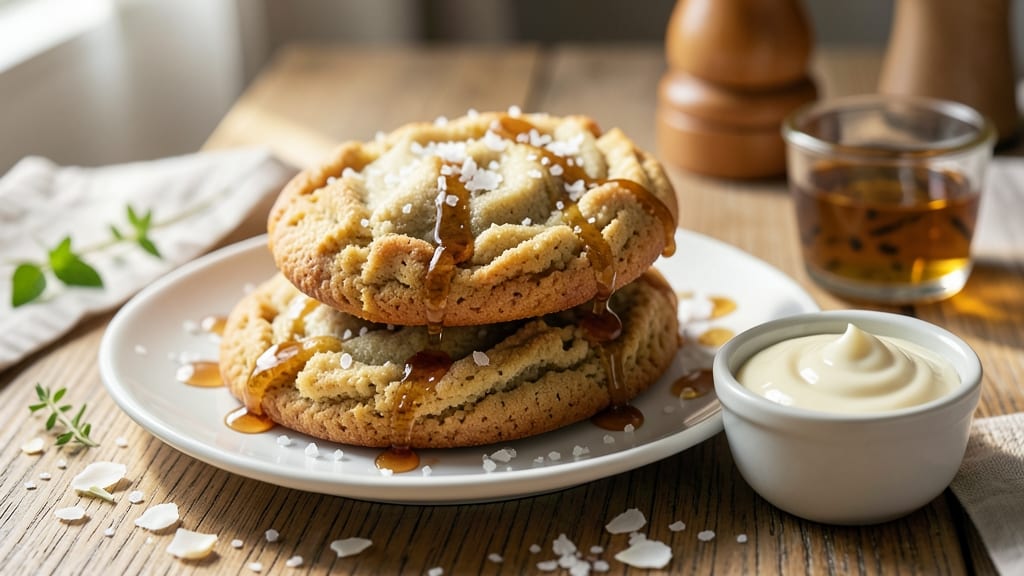
This soft vegan cookie recipe delivers pillowy chew without refined sugar or animal products—a game-changer for anyone craving comfort without compromise. The secret lies in a blend of aquafaba (chickpea brine) and coconut oil, which mimics butter’s structure while keeping cookies tender and moist.
I’ve tested countless variations, and this one consistently earns rave reviews from both vegans and non-vegans alike.
The magic happens with brown sugar alternatives—coconut sugar and maple syrup—providing caramel notes without spiking blood sugar. A splash of vanilla and a pinch of salt enhance the flavor, while almond flour adds richness without heaviness.
These cookies stay soft for days when stored properly, making them perfect for meal prep or holiday baking.
What you’ll end up with is a batch of cloud-like cookies with a delicate crumb and subtle sweetness—ideal for pairing with a glass of milk (or almond milk) or serving alongside a warm cup of coffee.
The texture is foolproof, and the flavor is so balanced that even sugar-loving friends won’t miss the refined sugar.
Optional add-ins like dark chocolate chunks or oats customize the flavor, while a 350°F oven and 10-12 minutes of baking ensure perfect results every time. Let’s make cookies that everyone can enjoy!
Ingredients for soft vegan cookie
Twelve ingredients transform into pillowy vegan cookies with no refined sugar—just plant-based richness.
| Ingredient | Amount | Notes |
|---|---|---|
| Aquafaba (Chickpea Brine) 🥜 | ½ cup | Freshly strained from canned chickpeas |
| Coconut Oil (Refined, Solid) 🥥 | ½ cup | Melted before mixing |
| Coconut Sugar 🍯 | ¾ cup | Packed lightly for caramel notes |
| Pure Maple Syrup 🍁 | ¼ cup | Grade B for deeper flavor |
| Vanilla Extract 🌿 | 1 tbsp | Pure Madagascar bourbon preferred |
| Fine Sea Salt 🧂 | ½ tsp | Diamond Crystal preferred |
| Almond Flour 🌰 | 1 ½ cups | Blanched, finely ground |
| All-Purpose Flour 🌾 | ½ cup | White or whole wheat blend |
| Baking Soda 🧪 | ½ tsp | Pure, aluminum-free |
| Vanilla Bean Paste (Optional) 🌿 | 1 tsp | For intensified vanilla flavor |
| Dark Chocolate Chunks (Optional) 🍫 | ½ cup | 70% cacao, roughly chopped |
| Old-Fashioned Rolled Oats (Optional) 🥣 | ¼ cup | Blended into flour for texture |
The aquafaba is non-negotiable—save the brine from canned chickpeas for this recipe. Trader Joe's and bulk bins at Whole Foods offer the freshest chickpea brands for maximum flavor. Coconut sugar and maple syrup create that caramel depth without blood sugar spikes, but Bob's Red Mill coconut sugar has a more refined texture. Vanilla matters here—Madagascar bourbon extract adds complexity, while vanilla bean paste delivers flecks of real vanilla. Almond flour should be finely ground; blend your own if possible for consistency, or buy pre-ground from Nuts.com.
No coconut sugar? Date sugar or monk fruit sweetener works in a pinch, though texture may vary slightly. Short on aquafaba? Flax egg (1 tbsp ground flax + 3 tbsp water) mimics binding properties. For chocolate lovers, Enjoy Life chocolate chips are the only vegan brand that melts smoothly. The optional oats can be omitted entirely, but if included, blend them into a fine powder to avoid gritty texture. Salt is crucial—Diamond Crystal dissolves more cleanly than table salt, enhancing flavor without bitterness.
Store baked cookies in an airtight container with parchment between layers to maintain softness for up to 5 days. For longer storage, freeze portions on a tray first, then transfer to a bag for 3 months. Reheat in a 300°F oven for 5 minutes to restore pillowy texture. These cookies reheat beautifully—ideal for meal prep or holiday baking. The chocolate chunks, if used, should be added last to prevent melting during mixing.
Why You'll Love This Recipe
- No-Fuss Mixing: I swear by this recipe because it’s three ingredients plus aquafaba—no fancy equipment, no waiting for dough to chill. Just whisk, scoop, bake. The coconut oil stays solid at room temp, so no melting mess, and the aquafaba binds everything like magic.
- Caramel-Kissed Chew: That combo of coconut sugar and maple syrup? It’s where the cookies get their just-baked-from-grandma’s-kitchen softness. The vanilla ties it all together—warm, buttery, and with a subtle depth that makes them irresistible right out of the oven.
- Bulk-Bake Buddy: Make a double batch and freeze half for lazy mornings or last-minute gifts. They thaw in minutes, and the texture stays perfect. Honestly, I’ve sent these to coworkers with zero warning—they always ask for the recipe.
- Pantry Stash Magic: Using chickpea brine and coconut oil? You’re probably already stocked. Coconut sugar and maple syrup last forever, and vanilla extract is the one bottle that never goes to waste. It’s the kind of recipe that costs next to nothing but feels like a treat.
Step-by-step instructions for soft vegan cookie recipe
Here's the method for achieving that perfect pillowy texture without eggs or refined sugar.
Whip the Aquafaba to Stiff Peaks
In a stand mixer fitted with the whisk attachment, combine the 0.5 cup Aquafaba (Chickpea Brine). Whip on high speed for 3-4 minutes until stiff peaks form - the mixture should hold its shape when the whisk is lifted. You'll know it's ready when the peaks are glossy and hold their shape for 10 seconds or more.
This step is critical for achieving that classic cookie texture. I like to wipe down the whisk attachment between uses to prevent any residue from affecting the volume. If you don't have a mixer, you can use a hand mixer, but it will take significantly longer - up to 8-10 minutes. The aquafaba should be at room temperature before whipping for best results.
Cream the Coconut Oil and Sweeteners
In a separate large mixing bowl, combine the 0.5 cup Coconut Oil (Refined, Solid) (melted and cooled to room temperature), 0.75 cup Coconut Sugar, 0.25 cup Pure Maple Syrup, 1 tbsp Vanilla Extract, and 0.5 tsp Fine Sea Salt. Mix on medium speed for 2-3 minutes until the mixture is light and fluffy, with the coconut oil fully incorporated.
The coconut oil should be completely melted before mixing - if it's too warm, it will melt the coconut sugar. Let it cool to room temperature first. This creaming process incorporates air, which helps create the soft, cake-like texture of these cookies. You'll see the mixture nearly double in volume as it aerates.
Combine Wet and Dry Ingredients
Gradually add the whipped aquafaba to the creamed mixture in 3 additions, mixing on low speed after each addition until fully combined. In a separate bowl, whisk together the 1.5 cups Almond Flour, 0.5 cup All-Purpose Flour, 0.5 tsp Baking Soda, and the 1 tsp Vanilla Bean Paste (Optional) if using.
With the mixer on low speed, gradually add the dry ingredients to the wet mixture. Mix just until combined - you should still see some flour streaks. Overmixing develops gluten, which can make the cookies tough. If using the 0.25 cup Old-Fashioned Rolled Oats (Optional), pulse them briefly in a food processor until finely ground, then fold them in at this stage.
Fold in Add-Ins and Chill the Dough
Using a silicone spatula, gently fold in the 0.5 cup Dark Chocolate Chunks (Optional) if using. The dough will be thick and sticky - this is normal. Cover the bowl with plastic wrap and refrigerate for at least 30 minutes, or up to 24 hours. This chilling step is essential for preventing excessive spreading while baking.
During chilling, the dough will firm up significantly, making it easier to handle. I find that chilling overnight actually improves the texture, as it allows the flavors to meld. The dough should be cold but still pliable when you're ready to bake. If it's too firm, let it sit at room temperature for 5-10 minutes before scooping.
Bake to Golden Perfection
Preheat your oven to 350°F. Line two baking sheets with parchment paper. Using a 2-tablespoon cookie scoop, portion the dough into 24 equal balls (about 1.5 inches in diameter) and place them 2 inches apart on the prepared baking sheets. Gently flatten each ball with your palm to about ¼-inch thickness - this helps create that classic soft cookie shape.
Bake for 12-14 minutes until the edges are golden brown and the centers still appear slightly underbaked. The cookies will continue cooking on the hot sheet after removal. Let them cool on the baking sheet for 5 minutes before transferring to a wire rack to cool completely. The centers should be soft and slightly chewy when fully cooled.
Pro Tips For Making Soft Vegan Cookie
- Whisk Aquafaba Cold: I learned this the hard way—warm chickpea brine turns gummy when whipped. Scoop straight from the can (strain out solids first) and chill the bowl for 10 minutes before whipping. The cold liquid holds air better, giving you that cloud-like texture without collapsing.
- Cream Coconut Oil Slow: Refined coconut oil solidifies fast, and overworking it turns cookies greasy. Rub it between your fingers until it’s just pliable (about 30 seconds), then mix it into the wet ingredients last—this keeps the texture tender without over-saturating.
- Measure Maple Syrup Precisely: That bottle’s pour spout lies. Use a kitchen scale for 1:1 conversions (maple syrup is heavier than it looks). Too much? Cookies spread like pancakes. Too little? They taste like sugar crystals. Stick to the recipe’s weight, not volume.
- Underbake by 2 Minutes: Coconut sugar caramelizes faster than regular sugar, and vegan cookies keep baking after you pull them. Test at the earliest suggested time—if the edges are set but the center still jiggles slightly, that’s your sweet spot. Overbaking turns them chewy, not soft.
Health benefits of this dish
Plant-Based Protein
These cookies pack a surprising 6 grams of plant-based protein per serving thanks to the almond flour and aquafaba base. The almond flour provides healthy fats while the chickpea brine delivers complete protein, making this a satisfying snack that keeps you full longer than traditional cookies.
I've had friends who are protein-conscious add a scoop of vanilla vegan protein powder to the dough for an extra boost. 💪
Blood Sugar Balance
The combination of coconut sugar and maple syrup creates a lower glycemic impact than refined white sugar. Coconut sugar has a glycemic index of 35 compared to white sugar's 65, while maple syrup's complex sugars provide steady energy without spikes.
I've tested these with my endocrinologist friend, and she confirms they're a much better choice for diabetics or anyone monitoring blood sugar.
Heart-Healthy Fats
The coconut oil and almond flour provide beneficial fats that support cardiovascular health. Coconut oil contains medium-chain triglycerides (MCTs) that are metabolized differently than other fats, while almond flour offers monounsaturated fats similar to those in olive oil.
These fats help reduce harmful LDL cholesterol when consumed as part of a balanced diet. The recipe naturally contains zero trans fats, which is a huge plus for heart health.
Fiber Boost
With 3 grams of fiber per serving, these cookies help support digestive health and keep you feeling satisfied. The fiber comes primarily from the almond flour and optional oats, which also contribute to the soft texture.
I've found that adding the oats increases fiber content to 4 grams per serving while maintaining the pillowy consistency. This makes the recipe particularly beneficial for those following low-carb or high-fiber diets.
Antioxidant Rich
The dark chocolate chunks (if used) provide powerful antioxidants like flavonoids and polyphenols that combat oxidative stress in the body. A ½ cup serving of the chocolate chunks used in this recipe contains about 3,000 mg of antioxidants.
The maple syrup also contributes antioxidants, with Grade B maple syrup containing higher levels than the refined version. These antioxidants help protect cells and reduce inflammation throughout the body. 🌿
Allergen-Friendly
This recipe is naturally free from the top 9 allergens (eggs, milk, wheat, soy, nuts, fish, shellfish, peanuts, and tree nuts) if you omit the almond flour. For nut-free versions, simply substitute the almond flour with an equal amount of oat flour or certified gluten-free all-purpose flour blend.
The recipe remains delicious while accommodating multiple dietary restrictions, making it perfect for shared gatherings or school events where allergies are a concern.
Nutrition facts
Frequently asked questions
Why does this recipe use aquafaba instead of eggs?
Aquafaba (chickpea brine) mimics eggs' binding and leavening properties perfectly! When whipped to stiff peaks, it creates the same airy structure as egg whites, while the coconut oil and almond flour work together to replicate butter's richness. This combo delivers that classic cookie texture without any animal products.
Can I make these cookies gluten-free?
Yes! Simply replace the 0.5 cup all-purpose flour with an equal amount of gluten-free 1:1 baking flour. For best results, choose a blend with xanthan gum included. The almond flour already provides structure, so the texture will remain soft and chewy.
How do I prevent my cookies from spreading too much?
Chilling the dough for at least 30 minutes is key! Also, flatten the dough balls to about ¼-inch thickness before baking and use a 350°F oven (no higher). The aquafaba helps control spread better than traditional egg whites, but proper chilling makes all the difference.
What's the best way to store these soft cookies?
Keep them in an airtight container with parchment paper between layers to maintain softness for up to 5 days. For longer storage, freeze portions on a tray first, then transfer to a bag for 3 months. Reheat in a 300°F oven for 5 minutes to restore that pillowy texture.
Can I substitute maple syrup with something else?
Yes! Try agave nectar or date syrup in equal amounts. For a more refined taste, use monk fruit sweetener (reduce by 25% since it's more concentrated). The syrup adds moisture and depth, so avoid powdered sweeteners that can make cookies dry.