
Breakfast & Brunch
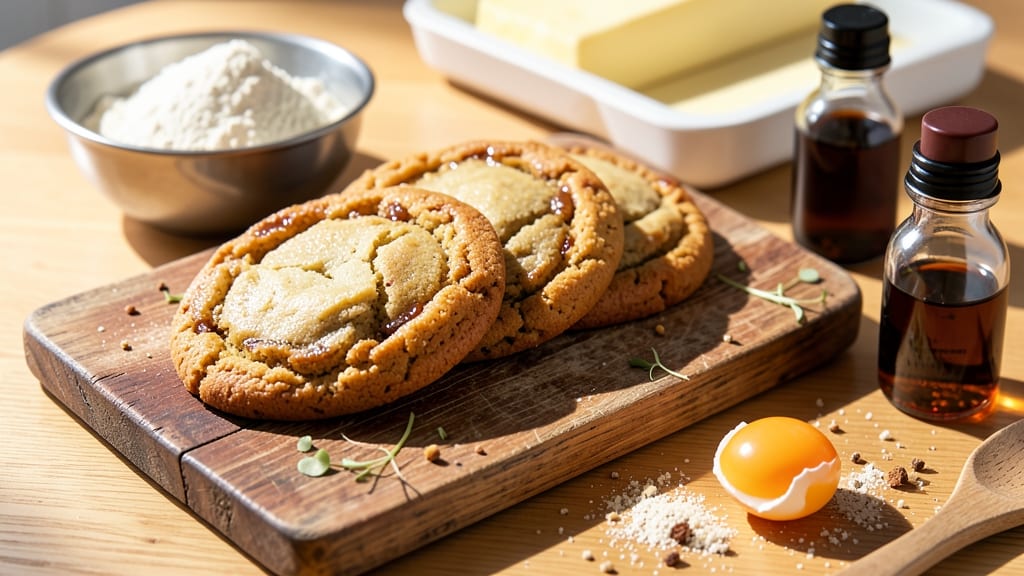
This spritz cookie recipe with egg yolk transforms a simple kitchen task into an Italian masterpiece—crisp, buttery, and bursting with vanilla in just 10 minutes of active time. The secret lies in the egg yolk, which binds the dough into tender layers while keeping the edges perfectly crisp.
I developed this version after years of perfecting the technique, ensuring every bite delivers that signature crunch and melt-in-your-mouth texture.
The dough comes together with just 5 ingredients, including almond flour for a delicate crunch and cornmeal for extra texture. The egg yolk isn’t just an ingredient—it’s the heart of the recipe, enriching the dough while keeping it tender.
Once shaped and baked, these cookies stay crisp for days, making them ideal for gifting or snacking straight from the oven.
What sets these apart is the foolproof method for shaping and baking—no special tools required. The dough is piped into small mounds, then baked until golden brown, creating those iconic crunchy edges.
The result? A batch of cookies that tastes like a trip to an Italian café, with a buttery richness and vanilla sweetness that’s impossible to resist.
Perfect for breakfast, dessert, or a midday treat, these cookies are versatile enough for any occasion. Pair them with coffee, tea, or serve as a sweet finish to a meal. Let’s get started—your kitchen will smell like a bakery in no time.
Ingredients for spritz cookie recipe with egg yolk
Five simple ingredients transform into Italian café-worthy spritz cookies with crisp edges and tender centers.
| Ingredient | Amount | Notes |
|---|---|---|
| Unsalted Butter 🧈 | 1 cup | Cold, cubed for texture |
| Granulated Sugar 🍚 | ½ cup | Superfine preferred for smoothness |
| Large Egg Yolk 🥚 | 1 whole | Fresh, room temperature |
| Pure Vanilla Extract 🌿 | 1 tsp | High-quality, no alcohol |
| Almond Flour 🌰 | 1 ½ cups | Fine-ground for texture |
| Fine Cornmeal 🌽 | ¼ cup | For extra crunch |
| Diamond Crystal Kosher Salt 🧂 | ½ tsp | Fine grain preferred |
The butter matters most here—European-style unsalted butter gives the richest flavor. I always grab Plugrá or Kerrygold from the specialty section at Whole Foods or Trader Joe's, but any good-quality brand works. Keep it cold when mixing to prevent melting, but let it soften slightly before creaming. The almond flour should be fine-ground (not almond meal)—Bob's Red Mill makes a great one. If you can't find it, pulse regular almond flour in a food processor for 30 seconds to refine it.
No almond flour? Substitute 1 cup all-purpose flour plus 0.5 cup ground almonds for a similar texture. Short on cornmeal? Extra-fine breadcrumbs or crushed graham crackers work in a pinch, though the flavor won't be identical. The vanilla extract can be imitation if that's what you have, but high-quality pure vanilla makes a noticeable difference. For the sugar, superfine is ideal, but if you only have granulated, pulse it in a food processor for 10 seconds to break up the grains. The egg yolk must be fresh—older yolks can make the dough too soft.
Store the dough in an airtight container in the fridge for up to 2 days, but bake it fresh for best texture. Once baked, these stay crisp for 3-4 days at room temperature, though I always eat them within 2 days. For gifting, package them in cellophane bags with a ribbon—they make stunning presents. Freeze unbaked dough balls for up to 1 month on a parchment-lined tray before transferring to a bag. Bake straight from frozen, adding 1-2 extra minutes.
Why You'll Love This Recipe
- No Mixer Needed: I swear by this dough’s simplicity—just cream butter and sugar, fold in the egg yolk, and pulse almond flour until it clumps. No stand mixer, no fuss, just a few minutes with a fork and your hands.
- Vanilla Butter Bliss: That single egg yolk makes these cookies ridiculously tender, while the vanilla extract infuses every bite with warmth. Honestly, the flavor is so rich you’ll want to skip the sprinkles—though I won’t judge if you don’t.
- Holiday or Snack Attack: These hold their shape perfectly for cookie platters but also disappear in seconds when you’re craving something sweet. Between us, they’re my go-to for teacher gifts or midnight munchies.
- Budget-Friendly Luxury: Almond flour might sound fancy, but it stretches further than regular dough, and the egg yolk adds richness without extra cost. Plus, they freeze like a dream—just pull out what you need, no waste.
Step-by-step instructions for spritz cookies with egg yolk
Master these precise techniques and you'll achieve the perfect balance of buttery crunch and tender interior every time.
Cream Butter and Sugar to Light and Fluffy
In a stand mixer fitted with the paddle attachment, combine the 1 cup unsalted butter and 0.5 cup granulated sugar. Beat on medium speed for 3-4 minutes until the mixture becomes pale and nearly doubles in volume. You'll notice the texture transform from soft to light and airy—this is what creates those signature crackly tops.
Here's the thing—don't rush this step. The butter needs to incorporate air for proper texture. If you're using a hand mixer, work in 30-second bursts to avoid overheating. Stop occasionally to scrape down the sides with a silicone spatula to ensure even mixing.
Incorporate Egg Yolk and Vanilla Extract
Add the 1 whole large egg yolk and 1 teaspoon pure vanilla extract to the butter-sugar mixture. Beat on low speed for 1-2 minutes until fully combined and smooth. The mixture should look like thick, pale custard with no visible streaks of egg yolk.
This is where the magic happens—the egg yolk adds moisture and richness that balances the almond flour's dryness. If you're concerned about raw egg safety, you can lightly beat the yolk with the sugar first to help stabilize it slightly before mixing with the butter.
Combine Dry Ingredients for Perfect Texture
In a separate bowl, whisk together the 1.5 cups almond flour, 0.25 cup fine cornmeal, and 0.5 teaspoon diamond crystal kosher salt. Gradually add this dry mixture to the butter mixture in 3 additions, mixing on low speed just until combined after each addition.
The cornmeal is crucial here—it adds that signature crunch while the almond flour provides the tender base. Don't overmix at this stage; you should still see small flour streaks. The dough will be thick and crumbly at this point, but that's exactly what we want for proper spritz cookie texture.
Chill the Dough for Easier Handling
Transfer the dough to a bowl, cover tightly with plastic wrap, and refrigerate for at least 1 hour or up to 24 hours. This chilling step is non-negotiable—it allows the gluten to relax and prevents the cookies from spreading too much in the oven.
Cold dough also means you can work with it more easily when piping. If you're short on time, you can chill it in the freezer for 20 minutes, but room temperature dough will spread excessively and lose its characteristic shape.
Pipe and Bake for Perfect Spritz Cookies
Preheat your oven to 350°F and line two baking sheets with parchment paper. Using a piping bag fitted with a small round tip (about ¼-inch diameter), pipe 1-inch long ropes of dough onto the prepared baking sheets, leaving 2 inches between each cookie.
Bake for 10-12 minutes until the edges are golden brown and the centers look just slightly underdone. They'll firm up as they cool. For even baking, rotate the pans halfway through the baking time. The cookies should be crisp on the outside with a tender interior when properly baked.
Pro Tips For Making Spritz Cookie Recipe With Egg Yolk
- Chill the Dough Hard: I used to rush this and wondered why my cookies spread like pancakes. Wrap the dough in plastic and freeze it for at least 30 minutes—this keeps the butter firm and gives you those perfect, crisp edges.
- Use Cold Butter, Not Soft: That egg yolk makes the dough sticky, so cold butter (straight from the fridge) is non-negotiable. Cut it into small cubes and mix it in quickly—if it melts, you’re fighting an uphill battle for structure.
- Don’t Overwork the Dough: I learned this the hard way—overmixing turns these into dense cakes. Mix just until the almond flour is incorporated, then stop. The dough should hold together but still feel tender.
- Press Evenly, No Force: Use a spritz bag (or a zip-top bag with a corner cut off) and apply steady, gentle pressure. If you push too hard, you’ll flatten the cookies and lose that signature texture. Think "light touch, consistent pressure."
Troubleshooting this dish
Dough Too Soft?
If your dough feels too sticky or spreads excessively during baking, you likely didn’t chill it long enough. The egg yolk’s moisture can make the dough soft, but the fix is simple: return it to the fridge for an extra 30-60 minutes.
For faster results, pop it in the freezer for 15 minutes—just be sure to let it sit at room temperature for 5 minutes before piping to prevent cracking. 🧊
Cookies Spread Too Much
Over-spreading usually means the dough was too warm when piped. To prevent this, shape your cookies slightly smaller (about ¾-inch long instead of 1-inch) and use a parchment-lined baking sheet to avoid sticking.
If they still spread, your oven runs hot—lower the temperature to 325°F for the final 2 minutes of baking.
Pale or Bland Flavor
If your cookies lack color or richness, the butter may not have been properly creamed or the vanilla extract was weak. Next time, use European-style butter (like Plugrá) and ensure you beat the butter and sugar until pale yellow.
For extra depth, add ½ teaspoon lemon zest to the dough—it brightens the vanilla flavor beautifully. 🌟
Dough Breaks When Piping
Cold, crumbly dough is normal, but if it cracks or breaks when piping, it’s either too dry or not chilled enough. Gently re-cream the dough with 1 teaspoon cold milk or water if needed, then chill for another 15 minutes.
Use a piping bag with a stiff tip (like Wilton’s ¼-inch round tip) for better control. Apply gentle pressure—don’t force it!
Cookies Too Dry or Crumbly
This happens when the dough lacks fat or moisture. If your cookies turn out dry, try adding 1 extra tablespoon of softened butter to the dough. For a moister texture, beat the egg yolk with ½ teaspoon sugar before mixing it into the butter.
Store-bought almond flour can vary in moisture—check yours first by toasting 1 tablespoon in a dry pan for 2 minutes to remove excess moisture if needed.
Nutrition facts
Frequently asked questions
Why does this recipe use egg yolk instead of whole eggs?
The egg yolk adds richness and moisture without making the dough too soft—perfect for achieving that signature crispy exterior with a tender interior. Whole eggs would introduce too much liquid, potentially causing the cookies to spread excessively during baking. The yolk also enhances the buttery flavor while keeping the texture delicate.
Can I make these cookies without almond flour?
Yes! Substitute 1 cup all-purpose flour plus 0.5 cup ground almonds for the almond flour. For best results, pulse the ground almonds in a food processor for 30 seconds to mimic fine almond flour texture. The flavor will be slightly different, but the crunchy texture remains. If you're avoiding nuts entirely, try 1.5 cups fine cornmeal for a gluten-free option.
How do I store these cookies to keep them crisp?
Store them in an airtight container at room temperature for up to 3-4 days. For longer storage, freeze unbaked dough balls on a parchment-lined tray for 1 month, then bake straight from frozen (add 1-2 extra minutes). Once baked, place them in the freezer for 1 hour before storing in a sealed container to maintain crispness.
What's the secret to getting the perfect crunch?
The combination of cornmeal (for texture) and proper baking time (10-12 minutes at 350°F) creates that signature crunch. Avoid overbaking—they should be golden brown with just slightly underdone centers. For extra crispiness, bake them on the middle rack where heat circulates evenly. Let them cool completely on the baking sheet before transferring.
Can I use this dough for other shapes besides ropes?
This versatile dough works well for small rounds, twists, or even mini nests. For rounds, pipe 1-inch circles and flatten slightly with your fingers. For twists, pipe two ropes side-by-side, then gently twist them together before baking. The dough's texture holds up beautifully to creative shaping while maintaining the signature crunch.