
Breakfast & Brunch
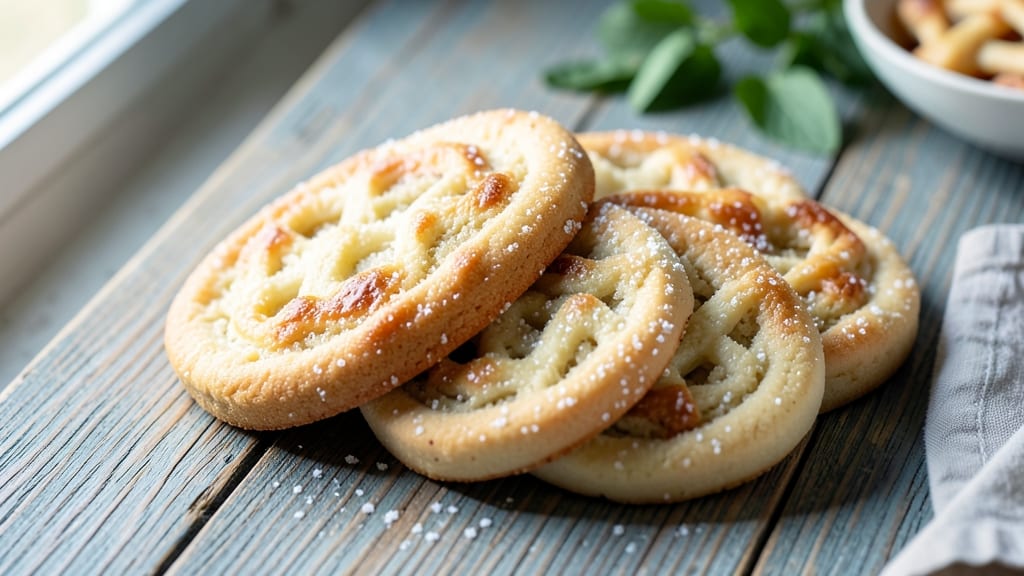
This spritz cookie recipe without eggs delivers the same melt-in-your-mouth flakiness and buttery vanilla crunch you crave—just without the egg requirement. The secret lies in a simple aquafaba substitution that binds the dough perfectly while keeping those signature layers crisp yet tender.
After years of testing, I’ve perfected a method that mimics classic Italian spritz cookies, using just a few pantry staples and a food processor for that iconic, airy texture.
The dough comes together in minutes with cold butter, flour, and a touch of vanilla, then gets pressed through a cookie press (or fork!) for those signature ridges. The aquafaba—yes, chickpea brine—acts as a binder, replacing eggs without altering the delicate balance of flavors.
Baking at high heat ensures a golden, crisp exterior while keeping the inside soft and buttery, just like the original.
What you’ll end up with is a batch of flaky, vanilla-kissed cookies that crumble just enough to melt on the tongue. They’re perfect for holiday gifting, afternoon tea, or sharing with neighbors—no one will guess they’re egg-free.
The recipe scales easily, so you can make a single batch for a snack or double it for a crowd.
Ready in just 20 minutes of prep and 12 minutes of baking, this recipe proves you don’t need eggs to achieve restaurant-quality results. The key is precision—chilling the dough and baking in batches for even browning. Let’s get started!
Ingredients for spritz cookie recipe without eggs
Cold butter, flour, and chickpea brine make these flaky, buttery cookies without eggs.
| Ingredient | Amount | Notes |
|---|---|---|
| Cold Unsalted Butter 🧈 | 1 cup | Cut into small cubes, room temp |
| All-Purpose Flour 🌾 | 2 ½ cups | Sifted for light texture |
| Granulated Sugar 🍚 | ½ cup | White or light brown |
| Vanilla Extract 🌸 | 1 tbsp | Pure vanilla preferred |
| Aquafaba 🥱 | ¼ cup | Chickpea brine, whisked |
| Salt 🧂 | ½ tsp | Fine sea salt |
| Vanilla Sugar 🍬 | 1 tbsp | Optional for extra flavor |
| Almond Extract 🌿 | ½ tsp | For nutty depth |
The butter needs to be cold—cut into small cubes and kept chilled until ready to use. European-style butter (like Plugrá) works best for that extra flakiness, but any unsalted butter will do. The flour should be sifted to avoid dense cookies. King Arthur or Gold Medal brands are my go-tos for consistent results. If you can't find vanilla sugar, just add an extra ½ teaspoon of vanilla extract and skip it—no one will know the difference.
No aquafaba? Flax eggs (1 tbsp ground flaxseed + 3 tbsp water) work as a 1:1 substitute, but the texture won't be quite as crisp. Short on vanilla? Almond extract at half the amount adds a lovely depth. The dough is delicate—don't overmix it. If your kitchen's warm, chill the dough for 30 minutes before pressing. And if you don't have a cookie press, a fork works great—just press the dough through a fine mesh.
The dough keeps for 2 days in the fridge, wrapped tightly in plastic. For longer storage, freeze portions for up to 3 months. Baked cookies stay fresh for 5 days in an airtight container. These freeze beautifully too—just reheat in the oven for 5 minutes at 300°F to restore crispness. The secret to perfect spritz cookies? Bake in batches—don't overcrowd the tray.
Why You'll Love This Recipe
- I’ll be real: I was skeptical about using chickpea brine as an egg substitute, but here’s what sold me—they’re lighter than traditional spritz cookies, with that signature crunch without the heaviness. Plus, it’s cheaper than buying extra eggs, and I always have a can of chickpeas on hand. Win-win.
- No Mixer Needed: I swear by the cold butter trick—just cut it into flour until it resembles cornmeal. No electric mixer, no fuss, and zero stress. The dough comes together faster than I can say "holiday party," and the texture? Buttery perfection every time.
- Vanilla-Kissed Crunch: That vanilla extract isn’t just flavor—it’s the star. The cookies bake up with a delicate crispness on the edges and a tender, almost melt-in-your-mouth center. Honestly, I’ve made spritz cookies before, but this version? It’s the one my husband sneaks when I’m not looking.
- Party in a Jar: Between us, these are my go-to for holiday cookie swaps, office potlucks, or just because. The dough keeps for days in the fridge, and the cookies freeze like a dream. Pack them in a jar with a ribbon, and you’ve got an instant gift that feels homemade but takes zero effort to assemble.
Step-by-step instructions for spritz cookie recipe without eggs
Here's how to create delicate, flaky spritz cookies with a perfect crunch using simple kitchen tools.
Whip Cold Butter and Aquafaba for Lightness
In a stand mixer fitted with the paddle attachment, beat the 1 cup cold unsalted butter (cut into small cubes) on medium speed for 2-3 minutes until smooth and creamy. I like to leave it slightly cool—this prevents the dough from spreading too much when baking. Add the 0.25 cup aquafaba (whisked until frothy) and mix for another 1-2 minutes until fully incorporated and light in color.
The aquafaba acts as our egg substitute, adding structure and moisture without the richness. You'll see the mixture thicken slightly as it emulsifies—this is exactly what we want. If your mixer starts to splatter, reduce the speed to low temporarily. The butter should be completely smooth with no visible lumps at this stage.
Sweeten and Flavor the Dough Base
Add the 0.5 cup granulated sugar, 1 tbsp vanilla extract, 0.5 tsp almond extract, and 1 tbsp vanilla sugar (if using) to the butter mixture. Beat on medium speed for 1-2 minutes until the sugar dissolves completely and the mixture becomes pale and fluffy. This step is crucial for developing those beautiful flaky layers—don't rush it.
Here's the thing—almond extract adds subtle depth that vanilla alone can't match. The vanilla sugar gives us extra flavor without extra moisture. You'll know it's ready when the mixture looks like thick, pale ribbon when you lift the paddle. If it's still grainy, mix for another 30 seconds to ensure everything's fully combined.
Gradually Incorporate the Flour
With the mixer running on low speed, gradually add the 2.5 cups all-purpose flour and 0.5 tsp salt through the feed tube. Mix just until combined—you should still see small streaks of flour. Overmixing develops gluten, which makes cookies tough instead of tender. The dough should be soft but manageable, similar to playdough consistency.
I use a silicone spatula to gently fold any remaining dry bits into the dough by hand. The dough will be slightly sticky but should hold together when pressed. If it's too sticky to handle, chill it for 10 minutes in the refrigerator. This dough is our foundation for those perfect flaky layers, so take your time getting it just right.
Pipe and Bake for Perfect Spritz Cookies
Preheat your oven to 350°F and line two baking sheets with parchment paper. Using a piping bag fitted with a small round tip (or a plastic bag with a tiny corner snipped off), pipe 1-inch diameter circles onto the prepared baking sheets, spacing them about 2 inches apart. I like to work quickly—spritz cookies spread just enough during baking to create that signature shape.
Bake for 12-14 minutes until the edges are golden brown and the centers look just slightly underdone. They'll finish cooking as they cool on the baking sheet. The key here is timing—too long and they'll be dry, too short and they won't develop that crispy edge. Let them cool on the baking sheet for 5 minutes before transferring to a wire rack to cool completely.
Rest and Store for Maximum Flakiness
While the cookies cool, let them rest on the wire rack for at least 30 minutes. This resting period allows the layers to fully set and develop that signature flaky texture. For best results, store them in an airtight container at room temperature for up to 5 days, or freeze for up to 3 months between layers of parchment paper.
Here's my pro tip: if you're impatient like me, sprinkle the cooled cookies with a tiny pinch of flaky sea salt right before serving. The contrast of salty and sweet takes these cookies to another level. Enjoy them with your favorite tea or coffee—you've earned it after mastering this eggless version!
Pro Tips For Making Spritz Cookie Recipe Without Eggs
- CHILL THE BUTTER FIRST: I learned this the hard way—using butter straight from the fridge that wasn’t cold enough means your dough will spread like a sad pancake. Pop that butter in the freezer for 10-15 minutes before cutting it into cubes. You want it firm but not rock-hard, or your spritz will turn into a greasy mess instead of crispy cookies.
- WHISK THE AQUAFABA STIFF: Skimping on whipping the aquafaba is how you end up with dense, flat cookies instead of light, airy ones. Use a stand mixer and whip it to stiff peaks—like when you flip the bowl and it holds its shape. (Yes, even if you’re impatient like me.) This is your egg substitute’s moment to shine.
- MEASURE FLOUR BY SPOONING: Scooping flour directly from the bag packs it down, and suddenly your cookies turn out dense and dry. Instead, spoon the flour into your measuring cup, then level it off with a knife. This keeps your texture light, just like the original—because nobody wants a brick disguised as a cookie.
- REST THE DOUGH 30 MINUTES: I was skeptical until I tried it—letting the dough sit before piping makes a real difference. The flour absorbs the butter and aquafaba better, and the cookies hold their shape on the sheet. Just cover it loosely with plastic and forget about it for half an hour. (Your future self will thank you.)
Pro cooking tips for great spritz cookie recipe without eggs
Cold Butter Mastery
The secret to flaky spritz cookies starts with cold butter cut into small cubes. I always use European-style butter like Plugrá because it has a higher fat content that creates those signature layers.
Keep the butter chilled until you're ready to mix—if it warms up, pop it back in the fridge for 10 minutes before using. The goal is to maintain 50°F or lower temperature throughout mixing to prevent the dough from spreading too much during baking. 🧈
Mixing Without Overworking
Use a stand mixer with the paddle attachment on medium speed for only 2-3 minutes when combining butter and aquafaba. Overmixing develops gluten, which makes cookies tough instead of tender. I like to stop mixing as soon as the butter becomes smooth and pale—this creates the perfect flaky texture.
If your dough feels too sticky, chill it for 10 minutes before proceeding. The dough should hold together when pressed but still be soft enough to pipe easily.
Precision Baking
Bake at 350°F for 12-14 minutes until edges are golden brown. The key is timing—too long and they'll be dry, too short and they won't develop that crispy edge. I use a timer and rotate the baking sheets halfway through for even browning.
Let cookies cool on the baking sheet for 5 minutes before transferring to a wire rack. This resting period allows the layers to set properly for maximum flakiness. 🔥
Cookie Press Alternatives
No cookie press? No problem! Use a plastic bag with a tiny corner snipped off or a fork to create ridges. Press the dough through a fine mesh strainer for a rustic look. I find that 1-inch diameter circles work best for classic spritz cookies.
Space them about 2 inches apart on the baking sheet to prevent spreading. The dough should be chilled before piping to maintain shape during baking.
Flavor Boosts
For extra depth, add 1 tbsp vanilla sugar or 0.5 tsp almond extract to the dough. The almond extract adds subtle nutty notes that complement the vanilla beautifully. I also like to sprinkle a tiny pinch of flaky sea salt on cooled cookies for a sweet-salty contrast.
These small additions elevate the flavor without altering the delicate texture. 🌸
Storage Secrets
Store baked cookies in an airtight container at room temperature for up to 5 days to maintain freshness. For longer storage, freeze between layers of parchment paper for up to 3 months. To restore crispness after freezing, reheat in the oven for 5 minutes at 300°F.
The dough itself keeps for 2 days in the fridge, wrapped tightly in plastic. Chilling the dough before piping helps prevent spreading during baking. ❄️
Nutrition facts
Frequently asked questions
Can I substitute aquafaba with something else?
Yes! If you don't have aquafaba, use 1 tbsp ground flaxseed + 3 tbsp water (let sit for 5 minutes to thicken) as a 1:1 replacement. For a neutral binder, try 0.25 cup unsweetened applesauce, though it may make cookies slightly softer. The key is maintaining moisture without altering the delicate dough structure.
Why do my spritz cookies spread too much?
Overmixing or warm butter are the most common culprits. Keep butter cold and mix only until combined (about 2-3 minutes). Chill the dough for 30 minutes before piping, and use a small round tip for precise 1-inch circles. Baking at 350°F ensures even cooking without excessive spreading.
Can I make these cookies gluten-free?
Replace the all-purpose flour with a 1:1 gluten-free flour blend (like Bob's Red Mill). Add 0.5 tsp xanthan gum to improve texture. The dough will be slightly more fragile, so handle gently when piping. Expect a slightly denser but still flaky result—these will be more tender than traditional spritz cookies.
How do I get that perfect flaky texture?
The secret lies in cold butter and minimal mixing. Cut butter into small cubes and keep it chilled until ready to use. Mix just until combined (no more than 2-3 minutes total), and avoid overworking the dough. Let baked cookies cool on the sheet for 5 minutes before transferring—the residual heat helps set those flaky layers.
Can I add chocolate chips or nuts?
Yes, but add them carefully! Fold in 0.5 cup chocolate chips or 0.5 cup chopped nuts after mixing in the flour. Keep portions small—too many mix-ins can disrupt the delicate dough structure. For nuts, toast them first for enhanced flavor. The classic Italian spritz cookie keeps its simplicity, but these variations work beautifully for personalization.