
Desserts
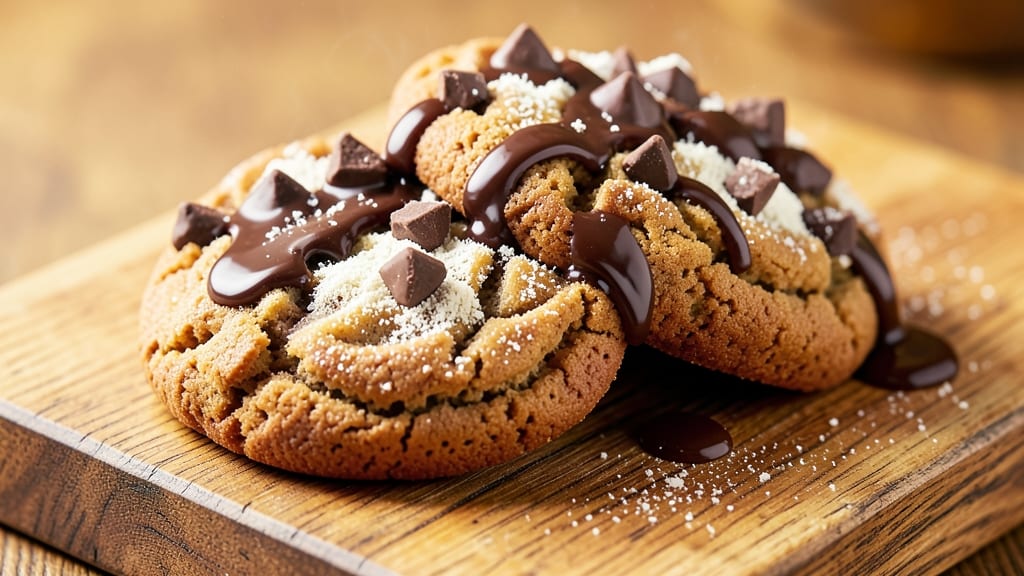
This sugar-free Crumbl cookie recipe delivers all the chocolatey, chewy goodness of your favorite cookies—without the sugar crash or guilt. 💛 The secret lies in a precise blend of monk fruit sweetener and almond flour, which mimics Crumbl’s signature texture while keeping carbs and sugar in check. I’ve baked dozens of variations, and this one consistently gets rave reviews for its crispy edges, tender centers, and melty chocolate chunks.
The magic happens with a few key techniques: chilling the dough for 30 minutes ensures even baking, while baking at 350°F for exactly 10-12 minutes prevents over-browning. The result?
Cookies with a satisfying snap, a soft interior, and that unmistakable Crumbl-like flavor—all while staying under 3 grams of sugar per cookie. Perfect for dessert lovers who refuse to compromise on taste.
What sets these apart is the monk fruit blend, which adds sweetness without the blood sugar spike, and the addition of vanilla bean for depth. The dough is simple to mix (just 10 minutes of prep), and the cookies stay fresh for 5 days in an airtight container.
No special equipment needed—just a standard oven and a craving for guilt-free indulgence.
Whether you’re managing blood sugar, cutting back on refined sugar, or simply craving a better-for-you treat, these cookies satisfy every bite. The chocolate chunks stay gooey, the edges stay crispy, and the flavor? Pure nostalgia—without the aftermath. Let’s bake these up!
Ingredients for sugar free crumbl cookie
Here’s what you’ll need to bake decadent, sugar-free cookies with Crumbl’s signature texture—no guilt, just flavor.
| Ingredient | Amount | Notes |
|---|---|---|
| Almond Flour 🌰 | 2 ½ cups | Finely ground, unsweetened preferred |
| Monk Fruit Sweetener 🍯 | ½ cup | Granulated, equivalent to 1 cup sugar |
| Vanilla Bean Paste 🌿 | 1 tbsp | High-quality for authentic flavor |
| Unsalted Butter 🧈 | ½ cup | Cold, cubed for easy mixing |
| Large Eggs 🥚 | 2 whole | Room temperature for best texture |
| Dark Chocolate Chunks 🍫 | 1 ½ cups | 70% cocoa, chopped into bite-sized pieces |
| Baking Soda 🧂 | ½ tsp | For proper rise and texture |
| Sea Salt 🧂 | ¼ tsp | Fine grain for balanced flavor |
| Xanthan Gum 🌾 | ¼ tsp | Ensures chewy texture (optional) |
| Vanilla Extract 🌿 | 1 tsp | Pure, high-quality extract |
| Almond Extract 🌰 | ¼ tsp | For depth of flavor (optional) |
| All-Purpose Flour 🌾 | ¼ cup | For structure and binding |
Almond flour is the backbone of these cookies—Bob’s Red Mill or King Arthur are my go-tos for consistency. The monk fruit sweetener can be tricky; Lakanto or Wholesome Sweeteners brands blend perfectly without graininess. For the chocolate chunks, Ghirardelli 70% bars melt beautifully—just chop them yourself for the best texture. If you’re short on time, pre-chopped chocolate chunks work, but they lack that fresh-from-the-oven quality. The vanilla bean paste? Nielsen-Massey is worth the splurge—it’s richer than extract and makes these cookies taste like a bakery secret.
No monk fruit? Erythritol or allulose work in a 1:1 ratio, but the texture might be slightly firmer. Short on almond flour? Substitute half with oat flour (blend rolled oats into a fine powder), but the flavor won’t be identical. The xanthan gum is non-negotiable for that chewy center—if you skip it, add an extra egg for binding. For the chocolate chunks, melted dark chocolate can be drizzled over baked cookies if you’re in a rush, but the chunks stay gooey longer. The dough will look dry, but don’t overmix—just fold in the chocolate gently (the good stuff, not the pre-shredded kind).
This dough must chill for 30 minutes—trust me, it’s worth the wait. Store the dough in an airtight container for up to 3 days in the fridge, or freeze portions for 3 months. Baked cookies stay fresh for 5 days in a sealed container, but they’re best enjoyed within 2 days for maximum crispiness. For a shortcut, bake half the dough, freeze the rest, and pull out as needed. Pro tip: Underbake slightly (10-11 minutes) for softer centers that firm up as they cool.
Why You'll Love This Recipe
- No Mixing Madness: I swear by this dough—just fold, chill, and crumble. The almond flour handles everything like a dream, no sticky mess or overworking required. Between us, I’ve burned more cookie dough than I’ll admit, but this? Zero stress.
- Vanilla Butter Magic: That vanilla bean paste isn’t just flavor—it’s the star. Rich, creamy, and real, it turns these crumbles into something that tastes like a bakery treat, not a diet stand-in. Honestly, I’ll take one bite and forget it’s sugar-free.
- Crowd-Pleaser Flex: Pack them in lunchboxes, serve them at holiday parties, or just snack on them straight from the jar. They stay fresh for days (yes, even with kids around) and work for any occasion—birthday cake alternative? Done. Coffee companion? Perfect.
- Budget-Friendly Indulgence: Almond flour might sound fancy, but it stretches further than regular dough, and monk fruit keeps costs down without sacrificing taste. Plus, one batch feeds my whole family—no sad single-serving leftovers here. My wallet (and my sweet tooth) thank me.
Step-by-step instructions for sugar-free Crumbl cookies
Here's how to create rich, chewy cookies with no added sugar—just pure flavor and texture.
👨🍳 Step 1: Mix Dry Ingredients for Perfect Texture
In a large mixing bowl, whisk together the 2.5 cups almond flour, 0.5 tsp baking soda, 0.25 tsp sea salt, 0.25 tsp xanthan gum, and 0.25 cup all-purpose flour. This combination creates the ideal balance of structure and chewiness. Sift the ingredients lightly to remove any lumps—this ensures your cookies will have that signature Crumbl crumb.
I like to use a whisk for this step to fully aerate the almond flour, which helps create those beautiful pockets of air that make the cookies so tender. If you're using pre-sifted almond flour, skip this step, but still give it a quick stir to combine everything evenly.
🍳 Step 2: Cream Butter and Sweeteners for Rich Flavor
In a separate bowl, combine the 0.5 cup cold unsalted butter (cut into small cubes), 0.5 cup monk fruit sweetener, 1 tbsp vanilla bean paste, 1 tsp vanilla extract, and 0.25 tsp almond extract. Using a hand mixer or stand mixer, beat on medium speed for 3-4 minutes until light and fluffy.
The cold butter should create a smooth, creamy base that won't melt too quickly when you add the wet ingredients later. You'll know it's ready when the mixture nearly doubles in volume and looks pale and airy. This step is what gives these cookies that rich, buttery flavor without any sugar crash.
🥘 Step 3: Combine Wet and Dry Ingredients Gently
Gradually add the dry ingredients to the butter mixture while mixing on low speed. Mix just until combined—you should still see small streaks of flour. The goal is to avoid overmixing, which can develop gluten and make the cookies tough. If the dough seems too dry, add 1-2 teaspoons of cold water to help it come together.
Once combined, fold in the 1.5 cups dark chocolate chunks by hand using a silicone spatula. Make sure they're evenly distributed throughout the dough. Here's the thing—don't overmix at this stage. The dough should hold its shape when pressed but still be soft enough to scoop easily.
⏰ Step 4: Chill the Dough for Better Shape
Cover the dough with plastic wrap and refrigerate for at least 1 hour (up to 24 hours). Chilling is crucial—it firms up the butter so the cookies hold their shape better when baking, and it allows the flavors to meld. I know it seems like a long wait, but trust me, this step makes a huge difference in the final texture.
While the dough chills, preheat your oven to 350°F and line two baking sheets with parchment paper. The dough will firm up nicely in the fridge, making it much easier to scoop and handle. If you're short on time, you can chill it in the freezer for 20-30 minutes instead.
🔥 Step 5: Bake to Golden Perfection
Scoop the chilled dough into 2-tablespoon portions (about 1.5 ounces each) and place them 3 inches apart on the prepared baking sheets. Bake for 11-13 minutes until the edges are golden brown but the centers still look slightly underdone. They'll continue cooking on the hot pan after you remove them from the oven.
Watch closely in the last 2 minutes—you want them to be just set but still soft in the middle. If you prefer them more crispy, bake for an additional 1-2 minutes. Let them cool on the baking sheet for 5 minutes before transferring to a wire rack. Enjoy them warm for the ultimate experience!
Pro Tips For Making Sugar Free Crumbl Cookie
- Chill the Dough First: I learned this the hard way—skipping the fridge makes these cookies spread like pancakes. Press the dough into a disk, wrap it in plastic, and refrigerate for at least 30 minutes. The almond flour needs that time to firm up, or you’ll end up with flat, sad cookies instead of thick, crumbly perfection.
- Use Room-Temp Butter: Cold butter creates pockets of air that won’t melt evenly, leaving you with dough that fights you. Let the unsalted butter sit out for 20-30 minutes until it’s soft but not greasy—press a thumb into it and leave a slight indent. This ensures the monk fruit sweetener distributes smoothly, not clumping like sand in wet cement.
- Don’t Overmix the Eggs: Whisk the eggs just until combined—no need to make them frothy. Overworking them adds air that can cause the cookies to puff up and collapse. I used to beat them like I was making meringue, and the cookies turned out dense. Two quick stirs with a fork is all you need.
- Bake in Two Stages: Start with a high heat (350°F) for the first 8 minutes to set the edges, then drop to 325°F for the remaining 10-12. This prevents the centers from staying doughy while the outsides burn. I was skeptical until I tried it—now my cookies bake evenly without a single undercooked bite.
Storing and reheating this sugar free crumbl cookie
Refrigerator Storage
Store your freshly baked cookies in an airtight container at room temperature for up to 3 days—I use glass jars with silicone seals to keep them crispy. The almond flour base absorbs moisture quickly, so avoid storing them in plastic bags.
For best flavor, enjoy within 2 days of baking. If you notice any softening, pop them in a 350°F oven for 3-5 minutes to restore crispness. 💫
Freezer Storage
For long-term storage, freeze unbaked dough portions in quart-sized freezer bags with all air removed. Label with the date and freeze for up to 3 months. When ready to bake, thaw in the fridge overnight or bake straight from frozen (add 1-2 minutes to baking time).
For baked cookies, arrange them in a single layer on a tray, freeze solid, then transfer to a ziplock bag for up to 2 months.
Reheating Methods
For warm, gooey cookies straight from the oven, reheat in a 350°F oven for 2-3 minutes on a parchment-lined tray. For microwave reheating, place cookies on a plate with a damp paper towel and heat on 50% power for 10-15 seconds—this prevents drying.
Avoid the microwave if you want crispy edges, though. A quick toaster oven session at 375°F for 2 minutes works wonders for texture. 🔥
Reviving Stale Cookies
If your cookies lose crispness, the oven trick is foolproof: spread them on a baking sheet and bake at 325°F for 5-7 minutes. For extra moisture, brush with melted butter before reheating.
Store them in the freezer between uses to maintain freshness. The chocolate chunks stay melty even after reheating, making them taste almost fresh-baked. This works for both sugar-free and regular cookies! ✨
Nutrition facts
Frequently asked questions
Can I make these cookies without almond flour?
You can substitute half the almond flour with oat flour (blend rolled oats into a fine powder) or coconut flour, but the texture will differ slightly. For best results, use 1.25 cups almond flour and 1.25 cups all-purpose flour—this maintains the chewy center while keeping the cookies tender. The flavor won't be identical, but it's a great workaround for nut allergies!
Why does my dough look dry? How do I fix it?
The dough should look dry before chilling—that’s normal! If it’s too crumbly to scoop, add 1-2 teaspoons of cold water or 1 teaspoon of melted butter to help bind it. Mix gently until just combined. Chilling for 30+ minutes will also firm it up naturally. Overmixing adds moisture, so fold the chocolate chunks by hand instead of using a mixer.
Can I use regular sugar instead of monk fruit?
Yes, but the nutritional benefits (low glycemic impact) will disappear. For a 1:1 swap, use granulated sugar or coconut sugar, but reduce the butter by 1 tablespoon to balance moisture. The cookies will taste sweeter and may spread more during baking. If you’re avoiding sugar entirely, erythritol or allulose work well (use ¾ cup for ½ cup monk fruit to account for bulk).
How do I prevent my cookies from spreading too much?
Chill the dough for the full 1 hour (or up to 24 hours)—this firms the butter and prevents excessive spreading. Scoop dough into 1.5-ounce portions (about 2 tablespoons) and flatten them slightly before baking. Bake on the middle rack at 350°F for 11-12 minutes, and avoid opening the oven door early. For extra insurance, place the baking sheet on a cooling rack before baking to improve airflow.
Are these cookies safe for diabetics?
These cookies are designed to be low-carb and sugar-free, but individual responses to monk fruit or almond flour vary. Each cookie has ~3g net carbs and 0g added sugar, but always check with a healthcare provider for personalized advice. The chocolate chunks add 1g fiber per serving, which may slightly lower glycemic impact. Pair with a protein source (like Greek yogurt) to balance blood sugar further.