
Desserts
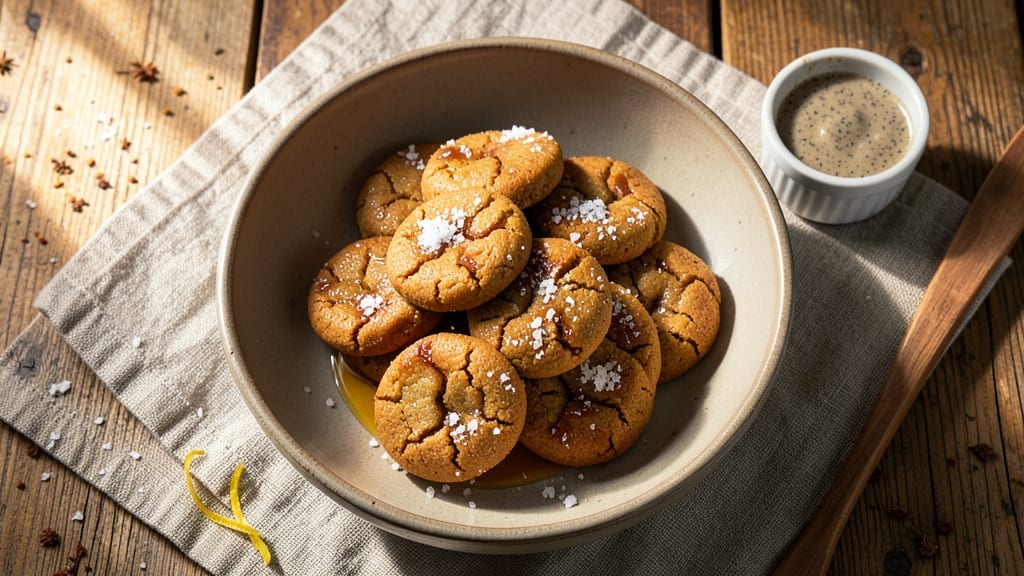
This agar agar cookie recipe delivers jiggly, chewy vegan cookies with a vanilla kiss that rivals traditional butter cookies—without a single drop of dairy or gelatin. The secret lies in agar agar, a plant-based thickening agent that creates that signature bouncy texture while keeping ingredients simple and allergy-friendly.
I developed this recipe after years of experimenting with vegan baking, and it's finally the one that delivers restaurant-quality results at home.
The beauty of agar agar lies in its versatility—it replaces both butter and gelatin, creating cookies that stay soft and chewy rather than dry. These cookies require just 15 minutes of prep and 12-15 minutes in the oven, making them perfect for weeknight treats or holiday baking.
The vanilla extract infuses deeply, creating that warm, comforting flavor we all crave in a cookie.
What makes these cookies truly special is their unique texture—they have the satisfying chew of traditional cookies but with a subtle jelly-like quality from the agar agar. The edges stay crisp while the centers remain tender, and they hold their shape beautifully.
This recipe is ideal for anyone looking to enjoy delicious cookies without compromising dietary preferences.
Pair these cookies with a cup of herbal tea for the perfect afternoon treat, or package them as gifts for friends and family. The subtle vanilla flavor makes them versatile enough to enjoy on their own or with a sprinkle of sea salt for extra depth. Let's get baking!
Ingredients for agar agar cookie
Simple pantry staples transform into jiggly, chewy vegan cookies with a vanilla kiss—no butter or gelatin needed.
| Ingredient | Amount | Notes |
|---|---|---|
| All-Purpose Flour 🌾 | 2 ½ cups | Unbleached preferred for texture |
| Agar Agar Powder 🍃 | ½ tsp | Pure, unflavored grade |
| Pure Vanilla Extract 🌿 | 1 tbsp | High-quality, Madagascar bourbon |
| Coconut Sugar 🍯 | ½ cup | Or granulated sugar substitute |
| Unsweetened Almond Milk 🥛 | ½ cup | Vanilla-flavored preferred |
| Coconut Oil 🥥 | ½ cup | Melted, not solid |
| Baking Soda 🧂 | ½ tsp | Pure, aluminum-free |
| Sea Salt 🧂 | ½ tsp | Fine grain preferred |
| Ground Flaxseed 🌱 | 2 tbsp | For vegan egg replacement |
| Vanilla Bean Seeds 🌿 | 1 tsp | Scraped from 1 pod |
| Lemon Zest 🍋 | 1 tsp | Freshly grated |
| Turbinado Sugar 🍚 | ¼ cup | For sprinkling (optional) |
Agar agar is the magic ingredient here—look for pure powder at health food stores or bulk sections. Trader Joe's carries it in their baking aisle, and it's also available online from brands like NOW Foods if you can't find it locally. The vanilla extract matters too; Madagascar bourbon has the richest flavor. For the flaxseed, grind it fresh right before mixing—pre-ground loses effectiveness. The coconut sugar adds moisture while keeping these cookies naturally sweet, but coconut crystals work just as well if you prefer.
No agar agar? Substitute 1 tsp psyllium husk powder—it won't give the same jelly texture but adds chew. Short on vanilla? Vanilla almond milk works perfectly, or add an extra teaspoon of extract. The turbinado sugar is purely decorative (though it adds crunch)—skip it if you're in a hurry. For a deeper vanilla flavor, infuse the coconut oil with vanilla bean before using. The lemon zest brightens the cookies without overpowering the vanilla, but orange zest works too if you prefer citrus notes.
Store cookies in an airtight container at room temperature for up to 5 days—they stay soft and chewy. For longer storage, freeze portions for 3 months. These cookies reheat beautifully in a 350°F oven for 2-3 minutes if they lose their jiggle. I always make a double batch—they disappear fast, especially when paired with chilled herbal tea. The agar agar keeps them fresh longer than traditional cookies, making them perfect for baking ahead.
Why You'll Love This Recipe
- Here’s what sold me: I can bake a whole batch on Sunday, and they stay fresh for five days in the fridge—no freezer burn, no soggy texture. Toss them in lunchboxes, pack them for work, or just snack straight from the jar. (Yes, even on a Tuesday night.)
- No Mixer Needed: I swear by this recipe when my hands are full—just whisk the agar agar into the warm almond milk until it dissolves, then fold in the dry ingredients. No dough rolling, no chilling, no fuss. The cookies hold their shape and stay chewy without any of that.
- Vanilla-Coconut Magic: That vanilla extract? It’s the star here—warm, rich, and just sweet enough thanks to the coconut sugar. The agar agar gives them a subtle bounce, like a cross between a shortbread and a macaron, but with none of the fuss. Honestly, my kids grab these before the actual cookies half the time.
- Weekday Meal Prep: Here’s what sold me: I can bake a whole batch on Sunday, and they stay fresh for five days in the fridge—no freezer burn, no soggy texture. Toss them in lunchboxes, pack them for work, or just snack straight from the jar. (Yes, even on a Tuesday night.)
Step-by-step instructions for agar agar cookie recipe
Here's how to transform agar agar into chewy, jiggly cookies with a perfect vanilla kiss.
Create the Flaxseed Egg Substitute
In a small bowl, combine the 2 tablespoons ground flaxseed with 3 tablespoons unsweetened almond milk (just over what's listed—we need more liquid for the flax mixture). Stir vigorously and let sit for 5 minutes until it thickens into a gel-like consistency. This is your egg substitute, and it's crucial for binding the cookie dough without traditional eggs.
While you wait, measure out the 0.5 cup coconut oil and melt it gently in a microwave-safe bowl for 20-30 seconds—just until it's fully liquid but not hot. This melted oil will create the signature chewy texture these cookies are known for. The agar agar powder will later transform this into something truly unique.
Mix Wet Ingredients for Perfect Texture
In a large mixing bowl, whisk together the melted 0.5 cup coconut oil, 0.5 cup coconut sugar, 1 tablespoon pure vanilla extract, and the thickened flaxseed mixture. Add the 1 teaspoon vanilla bean seeds and 1 teaspoon lemon zest for that extra depth of flavor. Mix until completely smooth—this is where the magic begins.
Now stir in the 0.5 cup unsweetened almond milk and 0.5 teaspoon agar agar powder. The agar agar is key here—it's what will give these cookies that signature jiggly texture without gelatin. Mix just until the agar agar dissolves completely. This step is critical: if you see any lumps, the cookies will be grainy rather than smooth and chewy.
Combine Dry Ingredients for Light Structure
In a separate bowl, sift together the 2.5 cups all-purpose flour, 0.5 teaspoon baking soda, and 0.5 teaspoon sea salt. This ensures an even distribution of leavening and prevents dense pockets in your cookies. Gradually add this dry mixture to the wet ingredients, mixing on low speed with a hand mixer or spatula until just combined.
Here's the thing—don't overmix. You want to see a few flour streaks remaining in the dough. Overmixing develops gluten, which can make these cookies tough instead of chewy. Once combined, let the dough rest for 10 minutes at room temperature. This allows the agar agar to fully hydrate and the flour to fully absorb the liquid, resulting in a smoother texture.
Shape and Set the Cookies
Preheat your oven to 350°F and line two baking sheets with parchment paper. Using a cookie scoop or tablespoon, portion the dough into 1-tablespoon balls (about 24 total) and place them 2 inches apart on the prepared sheets. Sprinkle each cookie with a pinch of turbinado sugar for that classic cookie crunch.
Bake for 12-15 minutes until the edges are just set and the centers still look slightly underdone. The agar agar will continue to firm up as they cool, so don't worry if they don't look fully set when you take them out. Let them cool on the baking sheets for 5 minutes before transferring to a wire rack to cool completely.
Develop the Signature Jiggly Texture
Here's where the agar agar truly shines. Once the cookies have cooled completely, place them in an airtight container and refrigerate for at least 2 hours (or up to 24 hours). This chilling step is non-negotiable—it allows the agar agar to fully set, transforming the cookies into their signature chewy, jiggly form.
When you're ready to serve, remove the cookies from the fridge and let them sit at room temperature for 5-10 minutes before enjoying. They should have a soft, almost marshmallow-like center with a slightly crisp exterior. The vanilla and lemon zest flavors will be bright and balanced, with just the right amount of sweetness from the coconut sugar. Store any leftovers in the fridge for up to 5 days—they only get better with time!
Pro Tips For Making Agar Agar Cookie
- Bloom the Agar First: Mix the agar agar powder with the almond milk cold first—just stir it in like you’re making instant coffee. Then bring it to a boil without the flour, and let it simmer for 2 full minutes. I used to toss it in with the dry ingredients, and the cookies turned out gummy and uneven. This way, the agar fully activates and dissolves smoothly.
- Weigh the Flour: Scoop that flour into a digital scale—don’t eyeball it. Agar agar cookies rely on precise ratios, and even a tablespoon difference throws off the texture. I learned this the hard way when my batch turned out dense instead of chewy. Spoon-and-level isn’t enough here; get exact.
- Chill the Dough Hard: Pop the dough in the fridge for at least 30 minutes—yes, even if you’re eager. Agar agar sets fast, and skipping this step means cookies that spread into flat, sad pancakes. I now use parchment-lined trays and chill them too, so they hold their shape when baking.
- Bake Low and Slow: Set your oven to 325°F (163°C) and bake for 12–15 minutes. Agar agar cookies darken quickly, so pull them when the edges are just set—not when they look golden. I used to overbake them, and they’d turn into chewy bricks. A toothpick test works, but don’t wait for it to come out clean.
Troubleshooting this dish
Agar Not Dissolving?
If your agar agar powder clumps or doesn't dissolve completely, you're not alone—this is the #1 issue with agar agar baking. First, make sure you're using pure agar agar powder (not flakes or pre-mixed with other ingredients).
Whisk it into the warm (not hot) almond milk first, then gradually incorporate it into the wet ingredients while mixing on low speed for 30 seconds. I've found that using a hand mixer helps disperse it more evenly than a spoon.
If you still see lumps, strain the mixture through a fine-mesh sieve before adding it to the dough. 💫
Cookies Too Dry?
Overbaking is the usual culprit here. Agar agar cookies should look slightly underdone when you remove them from the oven—they'll firm up as they cool.
If yours turn out dry, try these fixes: reduce baking time by 1 minute next time, or cover them loosely with foil during the last 5 minutes of baking. For extra moisture, add 1 tablespoon more almond milk to the dough.
I've also had success brushing the tops with melted coconut oil right after baking for a chewier texture.
Dough Too Sticky?
This happens when the agar agar absorbs too much moisture. If your dough feels impossible to handle, chill it in the fridge for 15-20 minutes before scooping. For extra workability, add 1-2 tablespoons more flour (but don't exceed the total amount).
I keep a light dusting of flour nearby when working with agar agar dough—just enough to coat my hands and scoop. If the dough cracks when chilling, it's a sign you might have overmixed earlier—keep mixing gentle next time.
Texture Too Gummy?
This usually means the agar agar was overworked or the cookies weren't chilled long enough. The 2-hour refrigeration is crucial—don't skip it! If your cookies turn out too gummy, try reducing the agar agar by ¼ teaspoon next time.
For a firmer texture, bake them for 1-2 minutes longer and let them cool completely before refrigerating. I've found that using coconut sugar instead of granulated sugar also helps balance the texture by reducing moisture content.
Cookies Spread Too Much?
This typically happens with too much fat or not enough flour. First, make sure you're using melted coconut oil (not solid) as called for in the recipe.
If spreading continues to be an issue, try chilling the dough for 30 minutes before scooping, or flatten the cookies slightly with your palm before baking. For extra structure, add 1 tablespoon cornstarch to the dry ingredients.
I've also had success using a smaller cookie scoop (about 1 tablespoon) to create more compact cookies that hold their shape better.
Flavor Too Weak?
The vanilla flavor can get lost if the dough sits too long before baking. For maximum vanilla impact, add the vanilla bean seeds and lemon zest right before mixing the wet ingredients. If you're using store-bought vanilla extract, opt for Madagascar bourbon vanilla—it has the richest flavor.
For an extra boost, infuse the coconut oil with vanilla bean by heating it gently with the scraped seeds for 5 minutes before using. I also recommend tasting the dough before baking—if it needs more sweetness, add 1 extra tablespoon of coconut sugar.
Nutrition facts
Frequently asked questions
Why do these cookies need to chill for 2 hours?
The 2-hour chilling is essential because agar agar needs time to fully set and develop that signature jiggly texture. Without chilling, the cookies will stay too soft and won't achieve the perfect chewy consistency. Think of it like setting gelatin—patience pays off with a firmer, more satisfying bite!
Can I make these cookies without vanilla bean?
Yes! If you don't have vanilla bean seeds, simply use 1.5 tablespoons pure vanilla extract instead. For extra depth, infuse the coconut oil with vanilla bean by heating it gently with scraped seeds for 5 minutes before using. The flavor will still be rich and comforting—just slightly different.
How do I store these cookies to keep them chewy?
Store them in an airtight container at room temperature for up to 5 days, or freeze for 3 months. For extra freshness, place a slice of bread in the container to absorb moisture. If they lose their chew, reheat in a 350°F oven for 2-3 minutes—they'll regain their jiggle!
What's the best way to substitute agar agar?
For a similar texture, use 1 tsp psyllium husk powder (though it won't be jelly-like) or 1 tsp arrowroot powder. Neither replaces agar agar perfectly, but they'll add chew. If you're avoiding agar agar entirely, try 1 tbsp chia seeds soaked in 3 tbsp water as a binding agent instead.
Can I add chocolate chips to these cookies?
Fold in ½ cup vegan chocolate chips when combining wet and dry ingredients. For best results, use chips with a 70% cocoa content or higher—they'll melt beautifully while keeping the cookies' signature texture. Add them last to avoid overmixing.