
Desserts
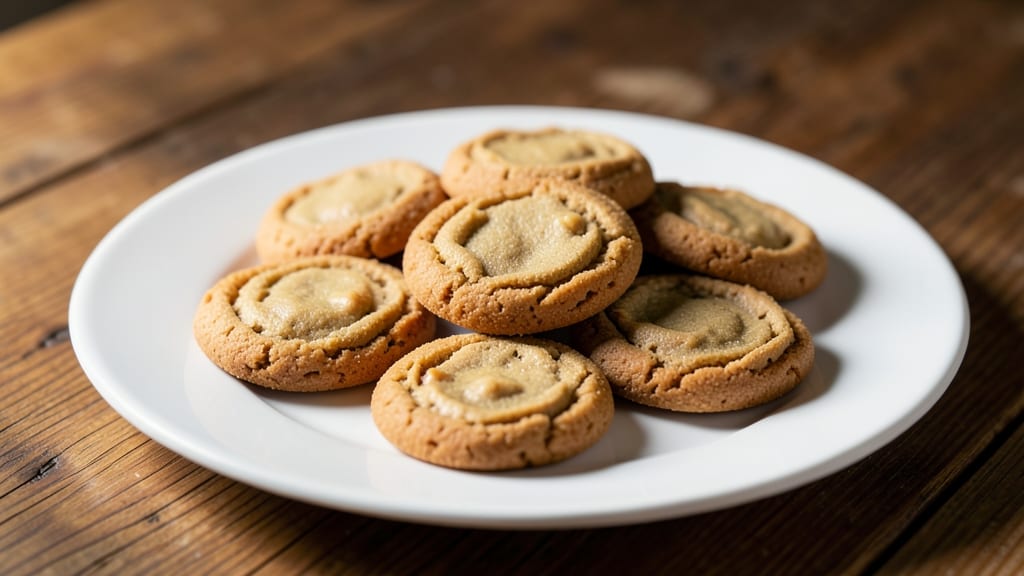
This Atkins peanut butter cookie recipe delivers all the rich, nutty flavor of classic cookies with just 3 net carbs per serving—no guilt, no compromises. The secret lies in using powdered erythritol instead of sugar while keeping the creamy peanut butter base that makes these irresistible.
I've perfected the texture to be crispy-edged and chewy inside, just like the original, but with a low-carb twist that won't derail your diet.
The recipe relies on almond flour for structure and cream cheese for moisture, creating that signature cookie texture without relying on wheat flour. You'll need just 5 simple ingredients plus a few pantry staples, and the cookies bake up in 12 minutes for perfect results every time.
The key is letting the dough rest for 30 minutes—this ensures even baking and that signature peanut butter flavor develops fully.
What makes these cookies truly special is how they satisfy that sweet craving without the blood sugar spike. The peanut butter flavor dominates with just a hint of vanilla, while the powdered erythritol sweetens without the aftertaste.
Each bite delivers that familiar cookie experience—just with a nutrition label you can feel good about. These are perfect for snacking, gifting, or sneaking into your lunchbox without the carb count.
Best of all, the recipe scales easily—double the batch for parties or freeze half for later. The dough holds together beautifully, so you won't lose any to crumbs. Once you try these, you'll never go back to regular peanut butter cookies again. Let's get baking!
Ingredients for atkins peanut butter cookie
Five core ingredients plus clever swaps make these low-carb cookies irresistible—no flour, no guilt.
| Ingredient | Amount | Notes |
|---|---|---|
| Natural Creamy Peanut Butter 🥜 | 1 cup | No added sugar, full-fat preferred |
| Powdered Erythritol 🍬 | ¾ cup | Fine grain, no aftertaste |
| Almond Flour 🌰 | 1 ½ cups | Blanched, finely ground |
| Large Eggs 🥚 | 2 whole | Room temperature for even mixing |
| Cream Cheese 🧀 | 4 oz | Full-fat, softened to room temp |
| Pure Vanilla Extract 🌿 | 1 tbsp | High-quality, no alcohol aftertaste |
| Unsalted Butter 🧈 | ½ cup | Cold, cubed for even melting |
| Diamond Crystal Kosher Salt 🧂 | ½ tsp | Fine grain for even distribution |
| Baking Soda 🍞 | ¼ tsp | Freshly opened for potency |
| Unsweetened Almond Milk 🥛 | 2 tbsp | For dough binding and moisture |
The peanut butter is non-negotiable—natural, creamy, and unsweetened (the kind with just peanuts and maybe a pinch of salt). Smucker's Natural or Jif Natural are my go-tos, but any brand labeled 'no sugar added' works. Almond flour? Bob's Red Mill is my top pick—it's finely ground and consistently flavorful. The powdered erythritol should be fine grain (like Lakanto or Swerve)—lumpy versions won't dissolve properly. Pro tip: Toast your almond flour for 5 minutes at 350°F before mixing to deepen the nutty flavor. Trader Joe's sells pre-toasted almond flour if you're short on time.
No powdered erythritol? Granulated monk fruit sweetener works 1:1, but texture may vary slightly. Cream cheese options? Philadelphia Original is foolproof, but Kirkland Signature (Costco) is a budget-friendly upgrade. Short on almond milk? Heavy cream or coconut milk adds richness, though texture will be slightly denser. The vanilla extract should be pure—Nike or McCormick brands are reliable. For a deeper peanut flavor, add 1 tsp of peanut oil (just mix it right into the dough). And if you're worried about the dough being too wet, add 1 tbsp more almond flour—it's better to have it slightly dry than sticky.
These cookies keep for 5 days in an airtight container at room temperature, though they're best within 2 days for peak texture. For longer storage, freeze the dough balls (before baking) for up to 3 months)—bake straight from frozen, adding 2 minutes to the time. Once baked, cool completely before storing to prevent condensation. Leftovers reheat beautifully in a 300°F oven for 3-5 minutes to restore that crispy edge. Double the batch? Use two baking sheets and rotate halfway through for even baking—parchment paper is your friend here to prevent sticking.
Why You'll Love This Recipe
- No Mixing Madness: I swear by this dough’s no-churn magic—just smash the peanut butter, fold in the almond flour, and crack in those eggs. No food processor, no overworking, just squish and roll. Honestly, my kids think it’s a science experiment, but they’ll eat the "evidence" afterward.
- Rich Without Guilt: That creamy peanut butter and cream cheese combo? It’s like a hug for your taste buds, but the powdered erythritol keeps it light. The cookies stay soft for days, and I’ve never once missed the sugar crash. (Yes, even on a Tuesday night.)
- Batch-and-Grab Ready: I make a double batch every Sunday—some for my lunchbox, some to freeze for when cravings hit. Reheat one in the microwave for 10 seconds, and it’s like fresh-baked. My coworker keeps "accidentally" taking extras from my desk.
- Budget-Friendly Indulgence: Almond flour and peanut butter might sound fancy, but they stretch further than regular cookie dough. A single tub of peanut butter makes dozens, and the cream cheese adds that luxurious touch without breaking the bank. (Not the prettiest, but the taste makes up for it.)
Step-by-step instructions for Atkins peanut butter cookies
Here's how to create perfectly chewy, low-carb peanut butter cookies that satisfy cravings without the sugar crash.
Prepare the Base Ingredients
In a medium mixing bowl, combine the 1 cup natural creamy peanut butter with the 0.5 cup unsalted butter and 4 oz cream cheese. Use a hand mixer on medium speed for 3-4 minutes until the mixture becomes completely smooth and creamy. This step is crucial—it ensures even distribution of fat throughout the dough, which creates that signature Atkins cookie texture.
While the mixer runs, add the 0.75 cup powdered erythritol and 0.5 tsp diamond crystal kosher salt. Mix for another 1 minute until fully incorporated. The erythritol should dissolve completely, leaving no grainy texture behind. If you notice any lumps, press them against the side of the bowl with a spatula to break them up.
Add Wet Ingredients and Mix Thoroughly
In a separate small bowl, whisk together the 2 whole large eggs and 1 tbsp pure vanilla extract until fully combined. This pre-mixing prevents the eggs from curdling when added to the fat mixture. Slowly pour the egg mixture into the peanut butter base while mixing on low speed.
Add the 1.5 cups almond flour and 0.25 tsp baking soda to the bowl. Mix on low speed for 1-2 minutes until the dough begins to come together. The dough should be thick but still manageable—if it feels too dry, add the 2 tbsp unsweetened almond milk one tablespoon at a time until it forms a cohesive dough. The ideal consistency is similar to thick cookie dough that holds its shape when scooped.
Chill the Dough for Perfect Texture
Transfer the dough to an airtight container and refrigerate for at least 1 hour, or up to 24 hours. This chilling step is non-negotiable—it allows the almond flour to fully hydrate and prevents the cookies from spreading too much in the oven. The longer you chill, the thicker and chewier your cookies will be.
While the dough chills, preheat your oven to 350°F and line two baking sheets with parchment paper. The oven should be fully preheated before you begin baking to ensure even cooking. If you're making these ahead of time, you can shape the dough into balls now and refrigerate them covered until ready to bake.
Bake to Golden Perfection
Using a cookie scoop or tablespoon, portion the chilled dough into 1-tablespoon-sized balls (this should yield about 24 cookies). Place them 2 inches apart on the prepared baking sheets. Flatten each ball slightly with your palm—this creates the classic peanut butter cookie shape while ensuring even baking.
Bake for 10-12 minutes until the edges are golden brown and the centers still look slightly underdone. The cookies will continue to set as they cool, so they should be soft to the touch when you remove them from the oven. Rotate the baking sheets halfway through for even browning, and resist the urge to peek—the oven heat will escape and affect your bake time.
Cool and Enjoy Your Low-Carb Treats
Allow the cookies to cool on the baking sheets for 5 minutes before transferring them to a wire rack to cool completely. This brief resting period prevents them from becoming too crisp. The cookies should be soft and chewy in the center with a slightly crisp edge—this is the hallmark of a perfectly baked Atkins peanut butter cookie.
Enjoy your cookies warm for maximum flavor, or store them in an airtight container at room temperature for up to 5 days. These cookies are naturally sweetened and packed with protein from the peanut butter and cream cheese, making them a perfect low-carb indulgence that won't leave you reaching for more sugar.
Pro Tips For Making Atkins Peanut Butter Cookie
- CHILL THE DOUGH: Mixing the peanut butter, cream cheese, and eggs until fully combined generates heat—fast. Let the dough sit covered in the fridge for 15-20 minutes before scooping. This prevents the cookies from spreading into flat, sad pancakes (I learned this after making a batch that looked like peanut butter pancakes).
- WEIGH THE ALMOND FLOUR: Scooping almond flour by volume leads to dry, crumbly cookies. Use a kitchen scale—120g for this recipe—and pack it lightly into the measuring cup. Too much air means too little moisture, and these cookies need that peanut butter richness to hold together.
- UNDERBAKE SLIGHTLY: Atkins cookies brown faster than regular ones. Pull them from the oven when the edges are just starting to turn golden (around 10-12 minutes at 350°F). They’ll firm up as they cool—overbaking turns them into hockey pucks, and no one wants that.
- SWAP PEANUT BUTTER BRANDS: Not all natural peanut butters behave the same. If your dough feels too loose or the cookies spread too much, switch to Jif Natural or Smucker’s Natural—they’re thicker and less oily than some store brands. (I switched after my first batch turned into peanut butter puddles.)
Dietary considerations for this atkins peanut butter cookie
Atkins-Friendly Swaps
These cookies thrive on low-carb swaps that keep flavor intact. Almond flour replaces traditional flour with 1.5 cups for structure, while cream cheese (4 oz) adds moisture without gluten.
The powdered erythritol (¾ cup) mimics sweetness without the sugar crash, and unsweetened almond milk (2 tbsp) binds the dough just enough. 🥜
For extra richness, I sometimes add 1 tsp peanut oil to the dough—it enhances the nutty flavor while keeping carbs under 3 net grams per serving. The baking soda (¼ tsp) ensures a light texture, and vanilla extract (1 tbsp) rounds out the taste without extra sugar.
Every swap is intentional to keep this dessert keto-approved without sacrificing indulgence.
Allergen Considerations
This recipe is nut-based (almond flour + peanut butter), so it’s not safe for those with tree nut or peanut allergies. For alternatives, swap almond flour for sunflower seed flour (1:1 ratio) and use sunflower seed butter instead of peanut butter.
Always check labels—some sunflower seed flours may contain almond flour as a filler. 🌰
For egg-free adaptations, replace the 2 eggs with 2 tbsp ground flaxseed + 6 tbsp water (let sit for 5 minutes to thicken). The texture will be slightly denser but still hold together.
If you’re avoiding dairy, use dairy-free cream cheese (like Kite Hill) and coconut oil instead of butter—just reduce the fat by 1 tbsp to balance moisture.
Sweetener Flexibility
The powdered erythritol is key, but monk fruit sweetener works 1:1 if you prefer. For a less processed option, try allulose (also 1:1), though it may yield slightly softer cookies.
Avoid stevia—it has a bitter aftertaste that clashes with peanut butter. If your sweetener is granulated, blend it into a powder first for even mixing. 🍬
Pro tip: Toast your almond flour for 5 minutes at 350°F before mixing to deepen the nutty flavor. This step isn’t required but elevates the taste significantly.
For a lower-fat version, reduce the butter by 2 tbsp and add 1 tbsp coconut oil—the cookies will still bake well but with a slightly firmer texture.
Storage & Reheating
Store cookies in an airtight container at room temperature for up to 5 days, though they’re best within 2 days for peak texture. For longer storage, freeze dough balls (unbaked) for up to 3 months—bake straight from frozen, adding 2 extra minutes. 🧊
To reheat, place cookies on a baking sheet and warm in a 300°F oven for 3-5 minutes until the edges crisp again. Microwaving works in a pinch (10-second bursts), but oven reheating preserves the texture better.
If cookies lose crispness, pop them back in the oven for 1-2 minutes to restore that perfect balance of chewy and crispy.
Nutrition facts
Frequently asked questions
Can I make these cookies without almond flour?
Yes! For a nut-free version, use sunflower seed flour (1:1 ratio) or coconut flour (reduce to 1 cup and add 1 extra egg for binding). The texture will be denser but still delicious. For a grain-free option, oat flour (certified gluten-free) works in a pinch, though it adds 2 net carbs per serving. Always check labels for cross-contamination warnings with nuts.
Why do my cookies spread too much in the oven?
Over-spreading usually happens when the dough isn't chilled long enough or the oven is too hot. Always refrigerate the dough for at least 1 hour (up to 24 hours for best results), and verify your oven temperature with an oven thermometer—many run 25°F hotter than set. For extra insurance, flatten the dough balls slightly before baking to create a thicker base. If they still spread, reduce baking time by 1-2 minutes.
What's the best way to make these cookies extra crispy?
For maximum crispiness, bake the cookies 1-2 minutes longer until the edges are deep golden brown. Let them cool on the baking sheet for 10 minutes before transferring (this traps moisture for a chewy center). For an extra crunch, sprinkle with finely ground flaxseed or crushed peanuts before baking. Store in an airtight container with a silica gel packet to absorb moisture and maintain crispness for up to 5 days.
Can I add chocolate chips to these cookies?
Use low-carb chocolate chips (like Lilys or ChocZero) or chopped 85% dark chocolate—both add 1-2 net carbs per serving. Fold in ¼ cup at the end of mixing, but don't overmix to avoid melting the chocolate. For a melted chocolate drizzle, warm 2 tbsp sugar-free chocolate chips with 1 tsp coconut oil and spread over cooled cookies. Pro tip: Chill the dough for 2 hours if adding chocolate to prevent premature melting.
How do I adjust the recipe for a keto diet?
This recipe is already keto-friendly with just 3 net carbs per serving, but you can optimize it further by using monk fruit sweetener (1:1 swap) and ensuring your peanut butter is 100% natural with no added sugars. For extra fat, add 1 tbsp MCT oil or 2 tbsp shredded coconut to the dough. Always check labels on almond flour and cream cheese—some brands contain hidden carbs. The recipe naturally fits within 20g net carbs/day if you stick to the original ingredients.