
Desserts
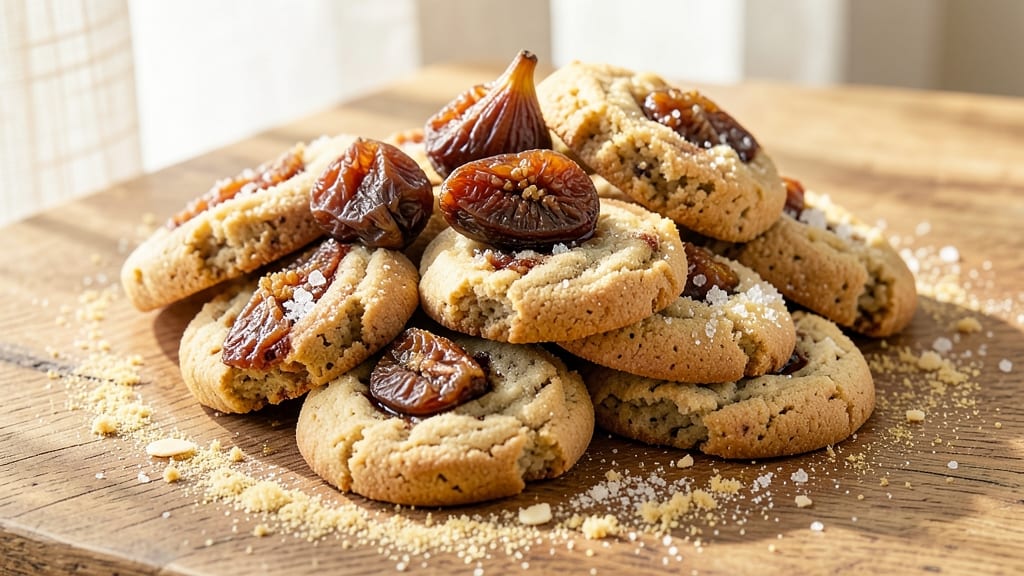
This authentic Italian fig cookie recipe brings the flavors of Tuscany to your kitchen with its perfect balance of sweet dried figs, nutty almond flour, and warm citrus notes. 🌟 The secret lies in traditional techniques—like using almond flour for texture and soaking figs in rum for depth—that transform simple ingredients into something extraordinary.
These bite-sized treats are crisp at the edges and tender inside, with a subtle spice that lingers like a memory of Italian sun-drenched markets.
What makes these cookies truly special is their authentic Italian soul, achieved through careful ingredient selection and technique. Dried figs are chopped finely and softened with rum or orange liqueur, while almond flour gives them a delicate crunch.
A touch of cinnamon and orange zest elevates the flavor profile, making each bite feel like a taste of Italy. The dough is rolled thin and baked until golden, then finished with a dusting of powdered sugar or a drizzle of honey for that final touch of elegance.
These cookies are perfect for gifting, holiday tables, or simply enjoying with a cup of espresso. They pair beautifully with a glass of sweet wine or a creamy affogato, making them ideal for both casual and special occasions.
The aroma alone—warm, spiced, and faintly citrusy—will have everyone asking for the recipe. Ready to create something truly special?
With just a few simple ingredients and a little patience, you’ll achieve restaurant-quality results that taste like they came straight from a Tuscan bakery. Let’s get started on this authentic Italian fig cookie recipe that’s sure to impress!
Ingredients for authentic italian fig cookie
Simple ingredients transform into Tuscan-inspired cookies with deep fig flavor and delicate crunch.
| Ingredient | Amount | Notes |
|---|---|---|
| Dried Figs 🍇 | 1 cup | Chopped finely, stems removed |
| Dark Rum or Orange Liqueur 🍹 | ¼ cup | For soaking figs (rum preferred) |
| Almond Flour 🌰 | 2 cups | Fine texture preferred |
| Granulated Sugar 🍚 | ½ cup | Superfine for even baking |
| Unsalted Butter 🧈 | ½ cup | Cold, cubed for texture |
| Large Eggs 🥚 | 1 whole | Room temperature |
| Orange Zest 🍊 | 1 tbsp | Freshly grated |
| Ground Cinnamon 🌿 | 1 tsp | Freshly ground preferred |
| Vanilla Extract 🌸 | ½ tsp | Pure vanilla preferred |
| Powdered Sugar 🍚 | ¼ cup | For dusting (optional) |
| Honey 🍯 | 1 tbsp | For finishing (optional) |
| Salt 🧂 | ¼ tsp | Fine sea salt |
| All-Purpose Flour 🌾 | ¼ cup | For binding |
The figs are the heart of these cookies—look for dried figs with vibrant color and no added preservatives. Whole Foods or specialty Italian markets carry the best quality, but any dried figs in a sealed package work. Soaking them in rum or orange liqueur for at least 30 minutes (or overnight) draws out their natural sweetness and adds depth. If you can't find dark rum, Cointreau or triple sec are great substitutes. The almond flour gives these cookies their signature texture—Bob's Red Mill or Anthony's Goods brands are reliable for fine texture, but any good-quality almond flour will do.
No rum? Orange liqueur or even extra orange juice works in a pinch, though rum adds that authentic Italian touch. The almond flour can be swapped for all-purpose flour if needed, but the texture will be denser. For extra richness, add 1 tbsp of almond paste to the dough. The orange zest should be freshly grated—pre-grated zest loses its potency quickly. If you're short on time, store-bought orange zest in small jars works, but it's not as vibrant. The powdered sugar and honey are optional but add that final elegant touch—skip them for a simpler presentation.
Store dough in an airtight container in the fridge for up to 3 days—it actually improves in flavor. Once baked, cookies keep at room temperature in a sealed tin for about 5 days. For longer storage, freeze baked cookies for up to 3 months. Reheat in a 200°F oven for 5 minutes to restore freshness. These cookies are perfect for gifting—wrap them in cellophane with a ribbon for an Italian-inspired touch.
Why You'll Love This Recipe
- No Chopping Needed: I swear by this—just tear the dried figs into chunks, no knife skills required. The almond flour mix is smoother than you’d think, and the butter comes together in minutes, not hours.
- Rich Without the Effort: That dark rum or orange liqueur? It’s the secret—deep, caramelized sweetness with zero extra work. The figs soften just enough to melt in your mouth, but the edges stay tender. Honestly, it tastes like a dessert from a Tuscan bakery, not a weeknight.
- Holiday or Snack Attack: These cookies are my go-to for Christmas gifts (they freeze perfectly) but also my 3 PM emergency when I’m craving something sweet. Wrap a few in parchment, tie with twine, and boom—you’ve got a present that’s actually delicious.
- Budget-Friendly Luxury: Almond flour might seem pricey, but it stretches further than regular flour, and dried figs last for months. A little butter and sugar go a long way, and the liqueur adds that restaurant-worthy touch without breaking the bank. (Yes, even on a Tuesday night.)
Step-by-step instructions for authentic Italian fig cookies
Here's the traditional method for creating these fragrant, spiced fig cookies with a tender crumb and rich fig flavor.
👨🍳 Step 1: Soak and Chop the Figs
Place the 1 cup dried figs in a small bowl and pour over the 0.25 cup dark rum or orange liqueur. Let them soak for at least 30 minutes—this rehydrates them and infuses their flavor with warmth. While they soak, finely chop the figs (remove stems first) using a sharp knife or food processor. You want pieces that are small but still identifiable—about the size of a pea.
I find the best texture comes from chopping rather than pureeing the figs. This ensures each bite has that delightful fig surprise while maintaining the cookie's structure. If using orange liqueur, the flavor will be brighter but slightly less boozy than rum. Drain the figs before using, reserving the liquid for the dough if it's particularly flavorful.
🍳 Step 2: Cream Butter and Sugar
In a stand mixer fitted with the paddle attachment, beat the 0.5 cup cold unsalted butter and 0.5 cup granulated sugar on medium speed for 3-4 minutes until light and fluffy. You're looking for a pale, airy mixture that nearly doubles in volume. This step is crucial—it creates the tender crumb that makes these cookies so satisfying.
Don't rush this process. The butter should be completely smooth with no graininess, and the mixture should leave a trail when the beaters lift. If your kitchen gets warm, chill the bowl for 10 minutes before continuing—warm butter can cause the dough to spread too much. I always use cold butter for this recipe to maintain that perfect texture.
👨🍳 Step 3: Combine Wet Ingredients
Add the 1 whole large egg (room temperature) to the butter mixture and beat for 1 minute until fully incorporated. Then add the 1 tbsp orange zest, 0.5 tsp vanilla extract, and the drained chopped figs. Mix on low speed just until combined—you don't want to break down the figs further. The dough will look shaggy at this point, and that's exactly what we want.
Next, whisk together the 2 cups almond flour, 0.25 cup all-purpose flour, 1 tsp ground cinnamon, 0.25 tsp salt, and any reserved fig soaking liquid in a separate bowl. Gradually add this dry mixture to the wet ingredients, mixing on low speed just until the dough comes together. Overmixing develops gluten and makes the cookies tough, so stop as soon as the dough forms a loose mass.
🥘 Step 4: Shape and Chill the Dough
Using a small cookie scoop or tablespoon, portion the dough into 1-inch balls and place them on a parchment-lined baking sheet. Flatten each ball slightly with your palm—about ¼-inch thick. This shape gives the cookies their characteristic flat, round form. I like to work quickly but carefully here, as the dough can be sticky from the figs.
Cover the baking sheet with plastic wrap and refrigerate for 30 minutes (or up to 24 hours). Chilling firms up the dough, prevents excessive spreading, and allows the flavors to meld. This step is especially important for these fig cookies—the moisture from the figs makes the dough more fragile than traditional cookies. If you have time, let the dough chill overnight for even deeper flavor development.
🔥 Step 5: Bake to Golden Perfection
Preheat your oven to 350°F and line a second baking sheet with parchment paper. Bake the chilled cookies for 12-14 minutes until the edges are golden brown and the centers look just set. They'll firm up as they cool, so don't overbake—they should still feel slightly soft to the touch when you remove them from the oven.
Let the cookies cool on the baking sheet for 5 minutes before transferring to a wire rack. While still warm, brush the tops with 1 tbsp honey and dust with 0.25 cup powdered sugar for that classic Italian finish. The honey adds a subtle sweetness that balances the spiced fig flavor, while the powdered sugar gives them that professional bakery look. Serve warm for the best experience—these cookies are best enjoyed fresh from the oven.
Pro Tips For Making Authentic Italian Fig Cookie
- SOAK FIGS OVERNIGHT: Dried figs stay stubbornly chewy if you rush them. Toss them in warm rum or liqueur with a splash of water for at least 8 hours—preferably overnight. The longer they soak, the more they plump up and absorb flavor, which makes the cookies tender and jammy, not dense.
- USE COLD BUTTER: Don’t let the butter soften too much before mixing. Scoop it straight from the fridge and cut it into chunks—this keeps the dough from turning into a greasy mess. Cold butter creates pockets of steam, which helps those cookies puff up just right.
- SIFT ALMOND FLOUR: Almond flour packs like crazy, and packed flour means dense cookies. Sift it with the sugar before mixing—yes, even if it’s fine. A quick shake through a sieve removes clumps and lightens the texture, so your cookies stay crisp at the edges and soft inside.
- BAKE TWO AT A TIME: Crowding the tray leads to flat, sad cookies. Use two baking sheets and space them 2 inches apart. Rotate the pans halfway through at 325°F (160°C)—the oven’s hot spots will bake them evenly, giving you that perfect caramelized bottom without burning the tops.
Troubleshooting this dish
Dough Too Sticky
If your fig cookie dough feels too sticky to handle, don't panic—this is common with figs! First, chill the dough for an extra 15-20 minutes to firm it up.
For stubborn stickiness, add 1-2 tbsp more almond flour (up to ¼ cup total) until it becomes pliable but not dry. I've also found that wetting your hands slightly with cold water helps prevent sticking while shaping.
Avoid over-chilling, though—more than 24 hours can make the dough too dry and crumbly. 💫
Cookies Spread Too Much
Excessive spreading usually means the dough wasn't chilled long enough or the butter was too warm. For future batches, ensure the dough rests for the full 30 minutes (or overnight) before baking. Also, verify your butter is cold but pliable—it should dent slightly when pressed but not melt.
If you've already baked spread-out cookies, try reheating them in a 325°F oven for 5 minutes—this often helps them reshape slightly. For next time, flatten the dough balls to ¼-inch thickness instead of ⅛-inch to prevent excessive spreading.
Figs Taste Bland
Bland fig flavor typically means they weren't properly soaked or infused. Always use high-quality dried figs—avoid those with added preservatives or sulfites. For maximum flavor, soak them in rum or orange liqueur for at least 1 hour (overnight is best).
If using orange liqueur, add ½ tsp extra cinnamon to enhance warmth. Pro tip: Warm the soaking liquid slightly (110°F) before adding figs to help extract more flavor. For an extra boost, add ¼ tsp cardamom to the dough—it pairs beautifully with figs and adds depth.
Cookies Too Dense
Dense cookies often result from overmixing or insufficient leavening. First, check your almond flour—it should be finely ground. If it's coarse, pulse it briefly in a food processor. Also, ensure you're using superfine sugar (or pulse regular sugar in a food processor) for even baking.
For next time, gently fold in the figs by hand after mixing wet ingredients to avoid developing gluten. If your cookies still turn out dense, try adding ½ tsp baking powder to the dry ingredients for better rise. The key is gentle handling—these cookies should be tender, not chewy.
Burnt Edges
Burnt edges usually indicate an oven that's too hot or cookies baked too long. Double-check your oven temperature with an oven thermometer—many home ovens run 25°F hotter than set. For these cookies, 350°F is perfect—any hotter and the edges will brown too quickly while centers remain underdone.
If your oven runs hot, reduce temperature to 340°F. Also, rotate baking sheets halfway through baking for even heat distribution. For a more professional look, brush edges with egg wash (1 egg yolk + 1 tsp water) before baking to create a golden crust without burning.
Dough Doesn't Hold Shape
If your dough collapses when shaping or baking, it's likely too wet or lacks structure. First, verify you've measured all ingredients correctly—almond flour absorbs moisture differently than regular flour. If the dough feels too wet, add 1 tbsp more almond flour at a time until it holds together when pressed.
For extra stability, chill the dough for 24 hours before baking. I've also found that using 1 tbsp cornstarch in place of 1 tbsp all-purpose flour** helps bind the dough without adding bulk. When rolling, work quickly but gently to prevent air pockets that can cause collapse.
Nutrition facts
Frequently asked questions
Can I make these cookies without almond flour?
Yes, but the texture will change significantly. For a closer substitute, blend 1 cup whole almonds into a fine powder using a food processor. If you must use all-purpose flour, replace the almond flour with 1 ½ cups (plus ½ tsp xanthan gum to prevent dryness). The cookies will be slightly denser and less delicate, but still delicious when paired with extra orange zest for brightness.
What's the best way to store these fig cookies?
For freshness, store baked cookies in an airtight container at room temperature for up to 5 days. To extend shelf life, freeze them for up to 3 months—wrap individually in plastic wrap before placing in a freezer bag. Thaw at room temperature for 30 minutes or warm in a 200°F oven for 5 minutes to restore crispness. The honey glaze may soften slightly after freezing, so re-dust with powdered sugar if needed.
How do I adjust this recipe for gluten-free baking?
Replace the 0.25 cup all-purpose flour with 0.25 cup gluten-free 1:1 baking flour (like Bob's Red Mill). For better texture, add 1 tsp psyllium husk powder to the dry ingredients. The almond flour is naturally gluten-free, but check your brand—some blends contain wheat. These cookies will hold their shape better with the psyllium, though they may spread slightly more than the original.
Can I use fresh figs instead of dried?
Fresh figs work beautifully but require adjustment! Use 1 ½ cups fresh figs (about 4-5 medium), finely chopped, and reduce the rum/orange liqueur to 0.125 cup (they release less moisture). Pat the chopped figs dry with a paper towel first to prevent a soggy dough. Fresh figs add a juicier texture, but the baking time may need to increase by 1-2 minutes to set properly.
What's the secret to making these cookies extra crispy?
For maximum crispness, bake at 375°F instead of 350°F and reduce the time to 10-12 minutes. Let the baked cookies cool completely on the sheet before transferring to a rack. For an extra crunch, sprinkle with crushed pistachios before baking. The key is high heat and immediate cooling—this drives out moisture and creates that satisfying snap. Store in an airtight container with a silica gel packet to maintain crispness.