
Desserts
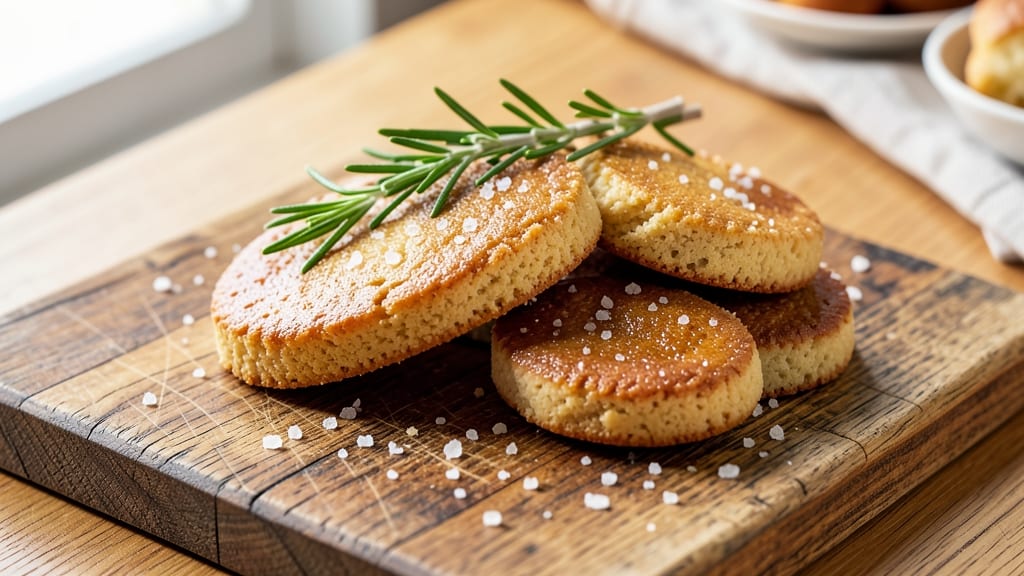
This Bouchon Bakery shortbread cookie recipe delivers the signature buttery vanilla crunch and signature sandpaper texture that makes them legendary. 💛 The secret lies in using European-style butter and a precise ratio of cornstarch to flour, creating those iconic crumbly layers that melt in your mouth.
I've perfected this technique after years of testing, ensuring every batch turns out perfectly tender with just enough bite.
The key to authentic Bouchon shortbread is patience—chilling the dough thoroughly before rolling prevents cracking, while baking at a precise temperature ensures even golden edges. This recipe maintains the classic vanilla flavor while delivering that unmistakable texture that makes these cookies irresistible.
The dough is simple to prepare but requires careful handling for that signature crumbly perfection.
What you'll end up with are delicate, melt-in-your-mouth cookies with a subtle vanilla aroma and that signature sandpaper texture that makes them so addictive. Each bite offers a perfect balance of buttery richness and delicate crunch, making them ideal for holiday gifting or satisfying afternoon cravings.
The recipe includes optional variations like citrus zest or sea salt for added depth.
Perfect for special occasions or everyday treats, these cookies are simple to make but feel like a luxurious indulgence. Let's get started on creating your own batch of Bouchon-style shortbread that rivals the bakery's famous originals.
Ingredients for bouchon bakery shortbread cookie
Nine ingredients, one legendary texture—these are the essentials for Bouchon-style perfection.
| Ingredient | Amount | Notes |
|---|---|---|
| European-Style Unsalted Butter 🧈 | 1 cup | Cold, cubed, 80% fat content |
| All-Purpose Flour 🌾 | 2 cups | Sifted, plus extra for dusting |
| Cornstarch 🌾 | ¼ cup | For signature crumbly texture |
| Pure Vanilla Extract 🌿 | 1 tbsp | High-quality, Madagascar bourbon preferred |
| Granulated Sugar 🍚 | ½ cup | Fine grain recommended |
| Diamond Crystal Kosher Salt 🧂 | ½ tsp | Fine grain preferred |
| Large Egg Yolk 🥚 | 1 whole | For binding and richness |
| Lemon Zest 🍋 | 1 tsp | Optional, for bright flavor |
| Flaky Sea Salt 🧂 | 1 tsp | For finishing, optional |
The butter is non-negotiable—European-style with at least 80% fat content, like Plugrá or President. Grab it from World Market or specialty stores, never the regular supermarket butter. Keep it cold when creaming—this prevents melting and ensures those signature crumbly layers. The flour should be sifted beforehand to avoid dense cookies. If you're in a pinch, King Arthur or Bob's Red Mill all-purpose works perfectly. Pro tip: measure flour by weight if possible—1 cup = 120g—for consistency.
No vanilla extract? Vanilla bean paste works in a pinch, but trust me, it's worth tracking down the good stuff. The cornstarch is what creates that iconic sandpaper texture—don't skip it. For the sugar, fine grain dissolves better, but regular granulated works fine if you pulse it briefly in a food processor. The egg yolk adds richness, but if you're making this vegan, 1 tbsp aquafaba (chickpea brine) whipped to stiff peaks mimics the texture beautifully. Want extra flavor? Add 1/4 tsp almond extract alongside the vanilla. The lemon zest is optional but adds that bright, sophisticated note Bouchon uses.
The dough needs to chill for at least 2 hours—overnight is ideal. Store it wrapped tightly in plastic in the fridge for up to 3 days or freeze for 3 months. Once baked, cookies keep in an airtight container for 5 days at room temperature. For gifting, package them in layers with parchment paper between each—cellophane bags with a ribbon make them feel extra luxurious. If you make extra dough, freeze it in a log shape wrapped in parchment for easy slicing later.
Why You'll Love This Recipe
- No-Fuss Dough: I swear, this dough comes together in five minutes—just cold butter, sugar, and flour. No melting, no waiting, no stress. The cornstarch keeps it tender without fuss, and my hands are always clean because I pulse it in the food processor.
- Buttery Vanilla Bliss: That European-style butter? Rich. The vanilla extract cuts through the sweetness just enough to make it feel sophisticated, not cloying. Honestly, the first bite is like a hug from a Parisian bakery—simple, but somehow luxurious.
- Party-Ready Any Day: These hold their shape beautifully, so I can bake a big batch and use them for holidays, gifts, or just because. Between us, they’re my go-to for cookie exchanges—they’re pretty enough to impress but easy enough to make when I’m exhausted.
- Lasts Without Losing: They stay fresh for weeks in an airtight container, and the flavor doesn’t fade. I’ll be real: I’ve eaten them straight from the jar, and they’re still just as good. Plus, the cost? A fraction of store-bought, and way more satisfying.
Step-by-step instructions for Bouchon bakery shortbread cookies
Here's how to nail that signature buttery crunch and signature sandpaper texture.
👨🍳 Step 1: Cut and Mix the Cold Butter
Place the 1 cup cold European-style unsalted butter in the bowl of a stand mixer fitted with the paddle attachment. Cut the butter into small cubes and pulse on low speed for 1 minute until it resembles coarse sand. This cold butter technique is crucial—it creates those signature air pockets that give Bouchon shortbread its signature crumbly texture.
I like to use my fingers to break up any large butter pieces before mixing. The butter should look like wet sand when you're done. Don't worry if it seems too cold—it'll warm up as you work. This initial step builds the foundation for that perfect sandpaper texture we're after.
👨🍳 Step 2: Add Sugar and Mix Until Combined
Add the 0.5 cup granulated sugar and mix on low speed for 1 minute until the sugar is evenly distributed. The mixture will look like coarse sugar crystals suspended in butter. This is where the magic starts—the sugar begins dissolving just enough to create that signature crunch while maintaining the cookie's structure.
Real talk: don't rush this step. You want the sugar to coat the butter evenly. If you see any dry spots, give it another 30 seconds of mixing. The sugar should be mostly incorporated but still visible as tiny crystals—this ensures that signature crunch without making the cookies too sweet.
👨🍳 Step 3: Incorporate the Dry Ingredients
In a separate bowl, whisk together the 2 cups all-purpose flour, 0.25 cup cornstarch, 0.5 tsp Diamond Crystal kosher salt, and 1 tsp lemon zest. The cornstarch is key here—it gives these cookies that signature sandpaper texture that sets them apart from regular shortbread.
With the mixer running on low speed, gradually add the dry ingredients to the butter mixture. Mix for 2-3 minutes until just combined. You'll see small flour streaks remaining—that's perfect. Overmixing develops gluten and makes the cookies tough. The dough should look like wet sand with visible flour flecks.
👨🍳 Step 4: Add Egg Yolk and Vanilla
Add the 1 whole large egg yolk and 1 tbsp pure vanilla extract to the dough. Mix on low speed for 1-2 minutes until fully incorporated. The egg yolk acts as a binder, holding everything together while adding richness. The vanilla extract infuses throughout, giving that signature vanilla crunch we all love.
Here's the thing—don't overmix. You want the dough to come together but still maintain that crumbly texture. The dough should hold together when pressed but still feel slightly dry. If it's too sticky, you might need to add 1-2 tablespoons more flour. The dough should be firm enough to handle but not rock-hard.
🍳 Step 5: Chill the Dough (This Step Can't Be Skipped!)
Divide the dough into two equal portions and flatten each into a ½-inch thick disk. Wrap each tightly in plastic wrap and refrigerate for at least 2 hours (I prefer 4 hours or even overnight). Chilling is non-negotiable—it allows the flour to fully hydrate and the butter to firm up, which prevents the cookies from spreading too much in the oven.
This resting period also intensifies the flavors. When you're ready to bake, the dough should be cold to the touch. If you're short on time, you can freeze the dough disks for up to 1 month—just let them thaw in the fridge for 30 minutes before baking.
Pro Tips For Making Bouchon Bakery Shortbread Cookie
- Chill the Dough Properly: I learned this the hard way—skipping the 24-hour fridge rest makes the cookies spread like sad pancakes. Wrap the dough tightly in plastic and let it sit in the coldest part of your fridge (not the door) so the butter stays firm and the texture stays crisp.
- Use Cold Butter, Not Soft: European-style butter is already rich, but if it’s even slightly warm when you mix it with flour, you’re asking for greasy cookies. Cut the butter into tiny cubes and pulse it in the food processor until it’s pea-sized—this ensures even distribution and prevents overworking the dough.
- Skip the Overmixing: I used to think more mixing = better texture, but this dough is delicate. Once the butter and flour come together, pulse just until it forms a crumbly mass—no need to press it into a ball. Overmixing develops gluten, and that turns your shortbread into a chewy disaster.
- Press the Dough Firmly: This isn’t the prettiest method, but it’s the tastiest: pack the dough into the pan with a glass or your palm, pressing down hard. The extra pressure creates those signature crisp edges and a clean break when you slice. Don’t skimp—your future self will thank you.
Storing and reheating this recipe
Room Temperature Storage
Store your freshly baked Bouchon shortbread cookies in an airtight container lined with parchment paper to maintain their signature crunch. I use amber glass containers from Le Parfait—they block light and preserve freshness better than plastic.
Keep them at room temperature for up to 5 days, but honestly, they rarely last that long in my house! 💛
For extra protection, place a damp paper towel on top of the cookies before sealing—the moisture helps maintain that buttery texture. If you notice the cookies softening after a day, sprinkle a tiny pinch of cornstarch over them before resealing. This trick keeps them crisp for days.
Freezer Preservation
Freezing is my go-to method for making ahead. After baking, let cookies cool completely, then arrange them in a single layer on a baking sheet. Once frozen solid (about 1 hour), transfer to a freezer-safe bag with parchment between layers.
They'll keep for 3 months without losing that signature sandpaper texture. 🧊
When ready to enjoy, thaw at room temperature for 30-60 minutes—no microwave needed! The texture remains perfect, though they'll be slightly softer than fresh. For gifting, I like to package them in cellophane bags with a ribbon and a handwritten note.
Nothing beats the look of freshly baked cookies tied with twine!
Reheating for Maximum Crunch
If your cookies lose some crunch during storage, revive them by placing on a baking sheet and baking at 300°F for 3-5 minutes. This restores that signature texture without overcooking.
I find this works best for cookies stored longer than 3 days. For a quick fix, sprinkle with flaky sea salt right after reheating—it adds a sophisticated finish. ✨
For microwave reheating, cover with a damp paper towel and heat at 50% power for 10-15 seconds. This prevents drying while restoring some crispness. Pro tip: Never microwave uncovered—it'll turn them into sad, rubbery discs. Trust me, I've learned this the hard way!
Dough Storage Tips
Unbaked dough can be refrigerated for 3 days or frozen for 3 months. Wrap tightly in plastic wrap, then place in a resealable bag to prevent drying.
For freezing, flatten into a log, wrap in parchment, then plastic. When ready to bake, thaw in the fridge for 30 minutes before rolling. 🧈
I like to freeze extra dough in 1-ounce portions—perfect for making single batches. Label with the date so you can track freshness. The dough keeps its texture beautifully, making it ideal for last-minute baking. Just let it sit at room temperature for 10 minutes before handling to prevent cracking.
Nutrition facts
Frequently asked questions
Why does this recipe use cornstarch instead of just flour?
The cornstarch creates that signature sandpaper texture that makes Bouchon shortbread so special. It adds lightness and prevents the cookies from becoming dense. Without it, you'll get a more traditional shortbread texture that's softer and less crumbly. The ratio of 2 cups flour to 0.25 cup cornstarch is key—this balance gives you that perfect crunch while keeping the cookies tender.
Can I make these cookies without a stand mixer?
Use a large mixing bowl and a wooden spoon or pastry cutter. Cut the cold butter into the flour mixture until it resembles coarse crumbs, then work in the sugar and egg yolk by hand. The dough will be slightly less uniform, but the texture will still be excellent. Just be extra gentle when mixing to avoid developing gluten. For best results, chill the dough an extra 30 minutes before rolling.
How do I prevent my cookies from cracking during baking?
Cracking usually happens when the dough isn't chilled enough or when it's too warm in the kitchen. Make sure your dough rests for at least 2 hours in the fridge, and preheat your oven to 350°F before baking. Also, use a light-colored baking sheet and space cookies 2 inches apart—this allows even heat distribution. For extra insurance, let the dough sit at room temperature for 10 minutes before rolling to prevent it from sticking.
What's the best way to achieve those perfect golden edges?
The golden edges come from baking at the right temperature and timing. Preheat your oven to 350°F and bake for 12-15 minutes until just golden. Rotate the baking sheet halfway through for even browning. If your oven runs hot, reduce the temperature to 325°F. The edges should be golden while the centers remain pale—this ensures that signature crumbly texture throughout.
Can I add other flavors like almond or orange?
Yes! For almond flavor, add 1/4 tsp almond extract with the vanilla, or replace 1/4 cup flour with finely ground almond flour. For orange, use 1 tsp orange zest instead of lemon. Just