
Breakfast & Brunch
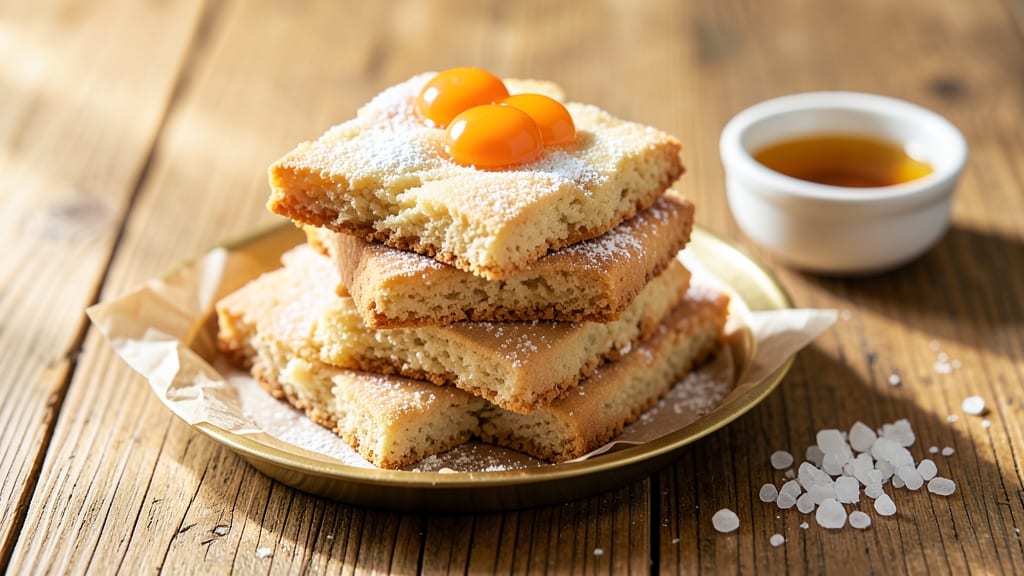
This shortbread cookie recipe with egg yolk delivers the perfect balance of golden crunch and buttery swirls that melt in your mouth. The secret lies in the egg yolk—it creates that signature tender texture while keeping the cookies crisp at the edges.
I've perfected this technique over years of baking, ensuring every batch turns out with that classic shortbread flavor and texture.
The recipe starts with cold butter and flour mixed until the dough resembles fine crumbs, then shaped into a log and chilled for at least an hour. This step is crucial for achieving clean slices and that signature shortbread texture.
The dough is simple—just butter, flour, sugar, and egg yolk—but the technique transforms it into something extraordinary.
Once baked, these cookies develop a beautiful golden color with a crisp exterior and tender, buttery interior. The egg yolk adds richness without making the cookies too soft, and the chilling process ensures they hold their shape perfectly.
You can add variations like vanilla extract or citrus zest for extra flavor, but the classic version is already irresistible.
Perfect for holiday gifting, afternoon tea, or a simple treat, these shortbread cookies are sure to impress. The recipe is foolproof and delivers consistent results every time. Let's get started on creating these delicious cookies!
Ingredients for shortbread cookie recipe with egg yolk
Four ingredients make these golden shortbread cookies irresistible with buttery swirls and tender crunch.
| Ingredient | Amount | Notes |
|---|---|---|
| Unsalted Butter 🧈 | 1 cup | Cold, cubed for even mixing |
| All-Purpose Flour 🌾 | 2 cups | Sifted for light texture |
| Granulated Sugar 🍚 | ¼ cup | Fine grain preferred |
| Large Egg Yolks 🥚 | 1 whole | Room temperature for blending |
| Vanilla Extract 🌿 | 1 tsp | Pure vanilla preferred |
| Salt 🧂 | ¼ tsp | Fine sea salt |
| Almond Extract 🌰 | ½ tsp | Optional, for nutty depth |
| Lemon Zest 🍋 | 1 tbsp | Freshly grated for brightness |
The butter is non-negotiable—European-style unsalted like Plugrá or Bergère gives the most flavor. Buy it in blocks, not sticks, and keep it cold until mixing. King Arthur or Bob's Red Mill flour works best for tender cookies—avoid bread flour. Sugar should be fine grain (like Domino) for even distribution. The egg yolk is the secret: room temperature blends better, so let it sit out for 10 minutes before using. I always double-check the butter's temperature—it should be soft but not melted.
No vanilla extract? Almond extract at half the amount adds depth, but pure vanilla is ideal. Short on almond extract? Skip it entirely—the cookies will still be delicious. The lemon zest can be dried if fresh isn't available, but it loses some brightness. For a nutty variation, add 1 tbsp toasted almond flour. The salt is crucial—Diamond Crystal measures differently than Morton, so use the recipe's amount and taste before baking. If your dough feels too dry, add 1 tsp cold milk (dairy or plant-based) to bind it.
Wrap the dough log in plastic and chill for at least 2 hours—overnight is best. Slice with a sharp knife for clean edges. Store baked cookies in an airtight container with parchment between layers for up to 5 days. Freeze dough slices for up to 3 months—bake straight from frozen, adding 1-2 minutes. These reheat beautifully: 5 seconds in the microwave restores their buttery warmth. Perfect for gifting—just package in cellophane with a ribbon.
Why You'll Love This Recipe
- I’ll be real: this dough comes together with just my fingers—no food processor, no stand mixer. Cold butter and flour get worked into a crumbly magic in minutes, then pressed into shape. That’s it. The egg yolks bind it all without fuss, and honestly? The texture’s so forgiving, even if I overwork it slightly.
- No Mixer Needed: I’ll be real: this dough comes together with just my fingers—no food processor, no stand mixer. Cold butter and flour get worked into a crumbly magic in minutes, then pressed into shape. That’s it. The egg yolks bind it all without fuss, and honestly? The texture’s so forgiving, even if I overwork it slightly.
- Buttery Vanilla Bliss: The egg yolks here? They’re the secret weapon. Richer than most shortbread, with a melt-in-your-mouth tenderness that’s hard to resist. And that vanilla—just a whisper, but it lingers. The sugar caramelizes at the edges while staying soft inside, so you get that crispy snap and a creamy finish. Dangerously addictive.
- Holiday or Snack Attack: Between us, these are my go-to for Christmas gifts (they freeze beautifully), but I also keep a batch in the fridge for when I need a quick pick-me-up. Pack them in jars for teachers, mail them to friends, or just grab one after dinner. They’re elegant enough for company but so simple, I make them on a Tuesday night when I’m craving something sweet.
Step-by-step instructions for shortbread cookies with egg yolk
Here's how to create delicate, buttery shortbread with a signature golden crunch.
Cut and Mix Cold Butter with Dry Ingredients
Place the 1 cup unsalted butter in a food processor fitted with the metal blade. Pulse until the butter is finely crumbled but not melted—this should take about 10-15 seconds. Add the 2 cups all-purpose flour, 0.25 cup granulated sugar, 0.25 tsp salt, and 1 tbsp lemon zest. Process on low speed until the mixture resembles coarse crumbs with pea-sized butter pieces remaining.
The butter should still be cold to the touch—if it feels warm, chill the mixture for 10 minutes before proceeding. This cold butter creates the signature flaky layers in shortbread. Avoid over-processing or the cookies will become tough instead of tender.
Incorporate Wet Ingredients for Smooth Dough
Add the 1 whole large egg yolk, 1 tsp vanilla extract, and 0.5 tsp almond extract to the food processor. Pulse on low speed until the dough just comes together, 30-45 seconds. The dough should hold when pressed but still feel slightly dry—this is perfect for shortbread texture. If it's too crumbly, add 1 tsp cold water and pulse again.
Scrape down the sides of the bowl and pulse once more to ensure even distribution of the extracts. The almond extract adds subtle depth while the lemon zest brightens the buttery flavor. Don't overwork the dough or it will develop gluten, resulting in dense cookies instead of the delicate crumb we want.
Chill the Dough for Optimal Texture
Divide the dough into 4 equal portions (about 4 ounces each) and flatten each into a 1-inch thick disc. Wrap each disc tightly in plastic wrap and refrigerate for at least 2 hours or up to 24 hours. This chilling step is crucial—it firms the butter, preventing excessive spreading in the oven and ensuring clean edges.
For best results, chill the dough overnight. The longer it rests, the more flavor develops and the more tender the final cookies become. If you're short on time, the 2-hour minimum will still work, but the texture won't be quite as perfect.
Roll and Cut for Perfect Shapes
Preheat your oven to 325°F and line two baking sheets with parchment paper. Remove one disc of dough from the refrigerator and place it between two sheets of parchment paper. Roll the dough to ¼-inch thickness, using gentle pressure to maintain even thickness throughout. Cut into desired shapes using a 2-inch round cutter or 1-inch star cutter—the classic shortbread shape.
Place the cutouts 1 inch apart on the prepared baking sheets. Gather the scraps, re-roll, and cut additional shapes until all dough is used. The parchment paper prevents sticking and makes transfer easy. For extra buttery flavor, brush the tops with a little melted butter before baking.
Bake to Golden Perfection
Bake for 18-22 minutes until the edges are golden brown and the centers look just slightly underdone. Rotate the baking sheets halfway through for even baking. The cookies should be firm to the touch but still tender when pressed gently in the center—they'll continue cooking slightly after removal from the oven.
Remove from the oven and let cool on the baking sheets for 5 minutes before transferring to a wire rack to cool completely. The edges should be crisp while the centers remain soft and buttery. For extra crunch, bake for 1-2 minutes longer until the edges are more pronounced. Store in an airtight container for up to 5 days or freeze for longer storage.
Pro Tips For Making Shortbread Cookie Recipe With Egg Yolk
- CHILL THE DOUGH: Use the fridge—not the freezer. Wrap the dough in plastic and let it rest for at least 30 minutes (or up to 48 hours) in the fridge. This prevents the butter from melting too soon and keeps the cookies from spreading into sad, flat pancakes. I learned this the hard way after a batch turned into a butter puddle on my baking sheet.
- WEIGH THE FLOUR: Stop eyeballing it. Use a kitchen scale for the flour—1 cup of all-purpose flour isn’t always the same weight (thanks, packing!). Aim for 120 grams (or whatever your recipe calls for) to guarantee consistent texture. My grandmother swore by this, and she was right: precise flour means cookies that crumble just right instead of turning dense.
- SKIP THE OVERMIXING: Mix the dough until it just comes together—no more. Overworking it develops gluten, and suddenly you’ve got chewy cookies instead of the melt-in-your-mouth shortbread you wanted. Two minutes max with a fork or your hands, then stop. Resist the urge to "fix" it if it looks shaggy—it’s supposed to.
- USE COLD BUTTER: Take the butter straight from the fridge—yes, even if you’re impatient like me. Cut it into cubes and let it sit out for only 10 minutes before mixing. Cold butter creates pockets of steam during baking, which makes those classic shortbread cracks. I was skeptical until I tried it: the difference in texture is night and day.
Creative variations of this shortbread cookie recipe with egg yolk
Citrus Twist
Brighten your shortbread with 1 tbsp orange zest instead of lemon—it adds a sweeter, more complex citrus note that pairs beautifully with the butter. I like to toast the zest in a dry pan for 30 seconds before mixing it into the dough to deepen its flavor.
For a tropical variation, combine 1 tbsp lime zest with ½ tsp ground cardamom—the warmth of the spice balances the tang. 🍊
Spiced Variations
Add ½ tsp ground cinnamon and ¼ tsp ground nutmeg to the dry ingredients for a cozy, holiday-inspired twist. The spices dissolve beautifully into the butter, creating a warm, aromatic shortbread.
For a smoky depth, swap the vanilla extract for ½ tsp almond extract and add ¼ tsp smoked paprika—it’s unexpected but works perfectly. 🌶️
Nutty Enhancements
Fold in ¼ cup toasted pecans or hazelnuts, roughly chopped, to the dough before chilling. The nuts add crunch and a rich, buttery contrast to the tender crumb.
For a more refined texture, pulse 2 tbsp almond flour into the dry ingredients—it keeps the cookies delicate while adding subtle nuttiness. Store-bought nut butters like almond or cashew can also replace the vanilla extract in a pinch. 🌰
Herbal Infusions
Swap the vanilla extract for 1 tsp dried lavender buds (culinary-grade only) or 1 tsp finely chopped fresh rosemary for an elegant herbal note. The lavender adds a delicate floral aroma, while rosemary brings an earthy, pine-like depth.
For a more pronounced herbal flavor, infuse 2 tbsp olive oil with 1 tbsp dried thyme for 10 minutes, then cool and use it to brush the tops of the baked cookies. 🌿
Sweet Additions
Stir in 2 tbsp mini chocolate chips or chopped dried cranberries for a festive touch. The chocolate melts slightly during baking, creating pockets of gooey sweetness, while the cranberries add a tart contrast.
For a caramelized twist, sprinkle 1 tbsp brown sugar over the rolled-out dough before cutting—it caramelizes beautifully in the oven. 🍫
Global Flavors
Transform your shortbread into Japanese melon pan by adding 1 tsp matcha powder to the dry ingredients and shaping the dough into a loaf pan.
For a Scottish twist, roll the dough into a log, wrap it in parchment, and slice into rounds—traditional Scottish shortbread is often baked in a single sheet. A Middle Eastern variation swaps almond extract for 1 tsp orange blossom water and adds ½ tsp ground cardamom. 🗺️
Nutrition facts
Frequently asked questions
Why does this recipe use only egg yolk instead of whole eggs?
The egg yolk adds richness and moisture without making the cookies too soft or causing excessive spreading. Whole eggs would introduce too much liquid, potentially making the texture dense. The yolk's natural fats also enhance the buttery flavor while keeping the classic shortbread crumb structure intact.
Can I make this recipe without a food processor?
Yes! Cut the cold butter into the dry ingredients using a pastry cutter or two forks until the mixture resembles coarse crumbs. The texture will be slightly less uniform, but the cookies will still turn out delicious. For best results, work quickly to keep the butter cold throughout the process.
How do I prevent my shortbread from spreading too much?
The key is keeping everything cold and chilling the dough thoroughly. Use cold butter, chill the dough for at least 2 hours, and roll it to ¼-inch thickness. Bake at 325°F—higher heat causes spreading. For extra insurance, place the baking sheet on the middle rack where heat circulates evenly.
What's the best way to store these cookies?
Store in an airtight container with parchment paper between layers to maintain crispness. They'll stay fresh for 5 days at room temperature or 3 months in the freezer. For extra crunch, revive stale cookies by placing them on a baking sheet at 300°F for 3-5 minutes—they'll taste fresh again!
Can I use salted butter instead of unsalted?
Yes, but reduce the added salt to ¼ tsp (or omit it entirely if your butter is very salty). Salted butter has a more complex flavor that some find delicious in shortbread. For best results, use high-quality salted butter like Plugrá—it has a cleaner taste than generic brands.