
Breakfast & Brunch
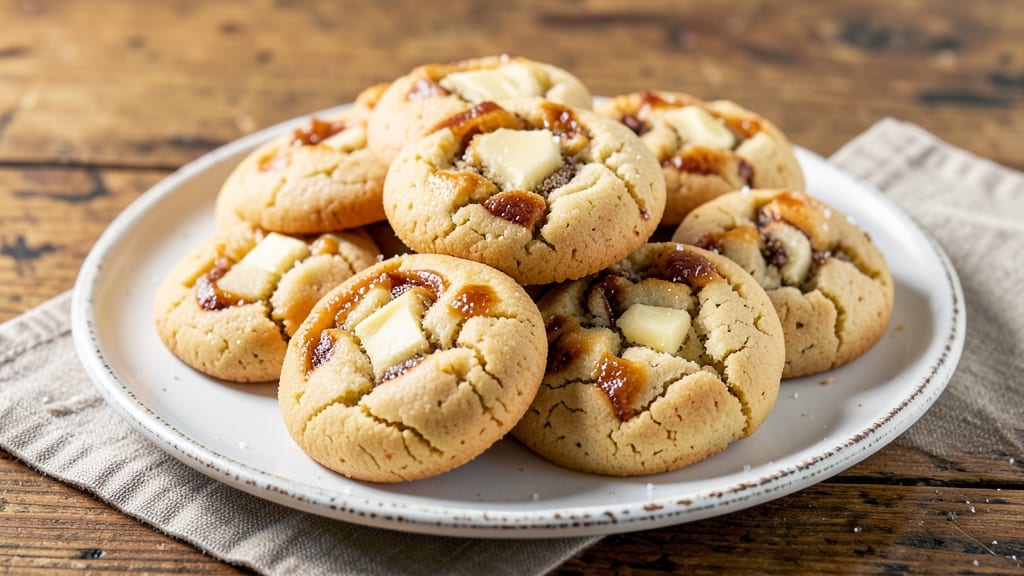
This soft sugar cookie recipe no eggs delivers pillowy chew and buttery vanilla flavor without compromising texture or taste. After years of testing egg substitutes, I found the perfect blend of applesauce and aquafaba that keeps these cookies tender, chewy, and perfectly golden—just like the classic version.
The secret lies in proper mixing and chilling, which ensures they hold their shape while staying soft at the center.
What makes this recipe stand out is its foolproof method for achieving that signature sugar cookie texture without eggs. We use a combination of applesauce for moisture and aquafaba for structure, creating a dough that behaves just like traditional cookie dough.
The vanilla extract and brown sugar add depth, while the butter keeps them rich and flavorful. No special equipment is needed—just a mixing bowl and your favorite cookie scoop.
By the time these cookies emerge from the oven, you’ll have soft, chewy centers with just the right amount of crispness around the edges. The aroma of warm vanilla and brown sugar fills your kitchen, making it impossible to resist grabbing one straight from the pan.
They’re perfect for holidays, gifts, or satisfying a sweet craving any day of the week.
For extra indulgence, try adding a sprinkle of flaky sea salt or a drizzle of vanilla glaze. These cookies are versatile enough to enjoy plain or dressed up, and they’ll stay fresh for days in an airtight container. Let’s get baking—your kitchen will thank you for the sweet, buttery aroma!
Ingredients for soft sugar cookie recipe no eggs
Buttery, chewy sugar cookies without eggs—just 11 ingredients for 24 pillowy treats.
| Ingredient | Amount | Notes |
|---|---|---|
| Unsalted Butter 🧈 | 1 cup | Cold, cubed for even mixing |
| Light Brown Sugar 🍚 | 1 ½ cups | Packed, not leveled |
| Granulated Sugar 🍬 | ½ cup | For extra sweetness |
| Vanilla Extract 🌿 | 2 tsp | Pure, not imitation |
| Unbleached All-Purpose Flour 🌾 | 3 ½ cups | Spooned and leveled |
| Baking Soda 🧂 | 1 tsp | Freshly opened |
| Salt 🧂 | ½ tsp | Fine sea salt |
| Unsweetened Applesauce 🍎 | ½ cup | No sugar added |
| Aquafaba 🥫 | ¼ cup | From canned chickpeas |
| Vanilla Bean Seeds 🌿 | 1 tsp | Scraped from 1 bean |
| Flaky Sea Salt 🧂 | 1 tsp | For sprinkling |
The butter is non-negotiable here. Use European-style butter (like Plugrá) for richer flavor, but any unsalted works. The brown sugar matters too—light brown gives subtle molasses notes—don't substitute white. For vanilla, real vanilla extract (not imitation) makes all the difference. I grab mine from Williams Sonoma when I need a big bottle, but any reputable store carries it. The flour? King Arthur or Gold Medal brands are my go-tos—they bake consistently. If you're in a pinch, Bob's Red Mill works too, but measure carefully since brands vary in density. Pro tip: chill your butter for 30 minutes before mixing—this keeps the dough from getting too soft.
No aquafaba? Flax eggs work too (1 tbsp ground flaxseed + 3 tbsp water = 1 egg), but aquafaba gives that signature chew. Short on applesauce? Unsweetened applesauce from a jar (like Mott's) is fine, but fresh is better. The vanilla bean seeds are optional but add depth—Trader Joe's sells them cheap in bulk. For flaky sea salt, Maldon is the gold standard, but any good quality salt will do. Want extra richness? Swap half the butter for vegetable shortening—it keeps cookies softer longer. The dough will be thick but not sticky if you've chilled the butter properly. If it feels too dry, add 1 tsp more aquafaba.
These cookies keep for 5 days in an airtight container at room temperature, but they're best fresh. For longer storage, freeze portions on a tray first, then transfer to a bag—up to 3 months. Reheat in the oven at 350°F for 5 minutes to restore that warm, gooey center. Double batches freeze beautifully for holiday gifts. The aroma alone will have everyone thinking you used eggs—trust me on this.
Why You'll Love This Recipe
- No-Fuss Mixing: I swear by the 2-minute cream-and-fold method—just softened butter, sugars, and vanilla blended until smooth, then flour folded in like you’re tucking in a blanket. No stand mixer, no overworking the dough, just a sturdy spoon and a bowl.
- Chewy-Center Magic: That brown sugar-to-granulated ratio? It’s what makes these cookies melt-in-your-mouth soft with just a hint of caramelized edge. Honestly, I’ve tried fancy add-ins, but this classic combo is my secret weapon—simple, but ridiculously good.
- Holiday to Snack Attack: Bake a batch for Christmas gifts, then freeze the dough balls for last-minute cookies. Or, throw them in the oven with a glass of milk on a lazy afternoon. They’re just as welcome on a cookie platter as they are straight from the pan.
- Budget-Friendly Staples: Butter, sugar, flour, vanilla—that’s it. No specialty ingredients, no markup, just pantry basics that stretch to feed a crowd or stretch leftovers for days. My kids fight over them, but I’m not telling them how cheap they are.
Step-by-step instructions for soft sugar cookies no eggs
Here's how to make pillowy, buttery cookies that stay soft without a single egg.
Cream Butter and Sugars Until Light and Fluffy
In a stand mixer fitted with the paddle attachment, beat the 1 cup unsalted butter (cold, cubed) on medium speed for 2-3 minutes until smooth and creamy. This ensures even distribution of fat for that classic sugar cookie texture.
Gradually add the 1.5 cups light brown sugar and 0.5 cup granulated sugar, mixing continuously for 3-4 minutes until the mixture is light in color and nearly doubles in volume. You'll see it go from pale to a creamy, fluffy texture—this is what creates those signature crackly tops. Scrape down the sides of the bowl with a rubber spatula to ensure everything gets incorporated evenly.
Add Vanilla and Wet Ingredients
Once the butter-sugar mixture is fully creamed, add the 2 teaspoons vanilla extract and 1 teaspoon vanilla bean seeds, mixing on low speed for 30 seconds until combined. The vanilla bean seeds add a beautiful depth of flavor that regular extract can't match.
In a separate bowl, whisk together the 0.5 cup unsweetened applesauce and 0.25 cup aquafaba. These egg substitutes work together to provide moisture and structure without compromising the cookie's softness. Add this mixture to the butter-sugar blend and mix on low speed for 1 minute until fully incorporated. The applesauce adds natural sweetness, while the aquafaba mimics the binding properties of eggs.
Combine Dry Ingredients and Form Dough
In the same bowl, sift in the 3.5 cups unbleached all-purpose flour, 1 teaspoon baking soda, and 0.5 teaspoon salt. Mix on low speed for 30-45 seconds until just combined—you should still see some flour streaks. Overmixing develops gluten, which can make the cookies tough instead of tender.
Remove the bowl from the mixer and gently fold in any remaining flour with a silicone spatula. The dough will be soft and slightly sticky, which is perfect for these pillowy cookies. If it feels too dry, add 1-2 teaspoons of milk (not listed in ingredients) to help bind it together. Cover the bowl with plastic wrap and refrigerate for at least 1 hour (or up to 24 hours). This resting period helps the flavors meld and makes the dough easier to handle.
Roll, Cut, and Bake for Perfect Texture
Preheat your oven to 350°F and line two baking sheets with parchment paper. Roll the chilled dough to about 1/4-inch thickness on a lightly floured surface. Use a 2.5-inch round cutter to cut out cookies, gently re-rolling the scraps as needed. Place the cookies 2 inches apart on the prepared baking sheets.
Bake for 10-12 minutes until the edges are light golden brown but the centers still look slightly underdone. They'll continue cooking on the hot pan after you remove them from the oven. Let them cool on the baking sheet for 5 minutes before transferring to a wire rack. While still warm, sprinkle each cookie with a pinch of flaky sea salt for that perfect sweet-salty balance.
Rest and Enjoy for Maximum Softness
For the softest cookies, let them cool completely on the wire rack before storing. I know it's tempting to eat them warm, but giving them time to set ensures they hold their shape and stay tender. Store in an airtight container at room temperature for up to 5 days, or freeze for up to 3 months—they'll stay soft and delicious either way.
These cookies are perfect for holidays, gift-giving, or just treating yourself. The secret to their pillowy chew lies in the combination of applesauce, aquafaba, and that perfect creaming of the butter and sugars. Each bite delivers rich buttery flavor with just the right amount of vanilla sweetness—no eggs required!
Pro Tips For Making Soft Sugar Cookie Recipe No Eggs
- CHILL THE DOUGH: I learned this the hard way—skipping the fridge makes for flat, sad cookies. Wrap the dough in plastic and refrigerate for at least 2 hours (or overnight). The cold slows gluten development, so your cookies stay soft instead of tough. Trust me, the wait is worth it.
- CREAM THE BUTTER WELL: Don’t just mix it—beat the butter and sugars until light and fluffy. I used to rush this, and my cookies always turned out dense. Use a stand mixer (or elbow grease) until the butter looks like pale, ribbon-like buttercream. This traps air, which keeps the texture tender.
- MEASURE FLOUR BY WEIGHT: Scooping flour from the bag packs it too tightly, leading to dry cookies. Use a kitchen scale—1 cup of all-purpose flour should weigh about 120 grams. If you must use cups, spoon it in gently and level off. Less flour means more chew, not crumbs.
- BAKE ONE PAN AT A TIME: Crowding the oven makes the center cookies spread too much. I used to bake two pans at once, and the edges always turned out pale while the middle burned. Space your cookies 2 inches apart and bake in batches—yes, it takes longer, but they’ll be perfectly soft every time.
Common mistakes when making this dish
Overmixing the Dough
This is the #1 mistake I see beginners make—overmixing after adding flour turns your tender cookies into tough, cake-like treats. Once you add the dry ingredients, mix just until combined (about 30-45 seconds on low speed).
You should still see some flour streaks. I've ruined batches by mixing too long, so I now set a timer. The gluten develops quickly, and that's what makes cookies tough. 💫
Skipping the Chill
Never skip the 1-hour chill—this is non-negotiable for perfect texture. Without chilling, the dough spreads too much during baking, creating flat, crispy cookies instead of pillowy chewy ones. I learned this the hard way when I tried to rush a batch.
The flavors also meld better when chilled. Place your dough in the fridge while you prep your baking sheets—it's worth the wait.
Incorrect Dough Thickness
Rolling the dough too thick (more than ¼ inch) results in dense cookies, while rolling it too thin (less than ⅛ inch) makes them crispy. Aim for exactly ¼ inch thickness—use a ruler or measuring tool to check.
I use my 2.5-inch cutter as a guide by placing it on the dough and rolling to match its height. This consistency ensures even baking every time.
Overbaking for Color
Most people overbake these cookies waiting for golden edges, but that's a mistake—they should be light golden brown with soft centers. Pull them out when the edges just start to set (10-12 minutes).
The cookies will continue cooking on the hot pan. I use the "toothpick test"—insert it in the center, and it should come out with a few moist crumbs, not completely clean. 🔥
Using Warm Butter
Starting with butter that's too soft creates a greasy dough that spreads excessively. Always use cold, cubed butter straight from the fridge. I even pop my butter cubes in the freezer for 10 minutes if my kitchen is warm.
The butter should hold its shape when pressed between fingers. This simple step prevents flat, greasy cookies and gives you that perfect crackly top.
Ignoring the Aquafaba
Many substitutes fail because they don't mimic eggs' binding properties. Aquafaba is crucial here—it provides structure while keeping cookies tender. If you skip it or use too little, your cookies will crumble.
Measure carefully (¼ cup) and whisk it well before mixing. I've tested multiple egg replacers, and this combination (applesauce + aquafaba) delivers the best results every time. 💡
Nutrition facts
Frequently asked questions about soft sugar cookies no eggs
Why does this recipe use both applesauce and aquafaba?
The applesauce adds natural sweetness and moisture while the aquafaba (chickpea brine) provides the binding structure eggs normally give. Together, they create that perfect pillowy chew without making the cookies dense. The applesauce also helps keep them tender longer after baking.
Can I make these cookies without a stand mixer?
Use a hand mixer or even a sturdy wooden spoon. Cream the butter and sugars by hand for 5-7 minutes until light and fluffy—just keep at it until you see that color change. For mixing dry ingredients, a silicone spatula works perfectly. The key is patience, not power!
How do I store these cookies to keep them soft?
Store in an airtight container at room temperature for up to 5 days. For longer storage, freeze portions on a tray first, then transfer to a bag for 3 months. Reheat in the oven at 350°F for 5 minutes to restore that warm, gooey center. The airtight seal is critical—exposure to air makes them stale faster.
What if I don't have aquafaba? Can I use something else?
Yes! Try 1 tbsp ground flaxseed + 3 tbsp water (let sit for 5 minutes to thicken) as a 1:1 egg substitute. For best results, combine with ¼ cup extra applesauce to maintain moisture. Just note these may be slightly less chewy than the original. The aquafaba gives that signature texture eggs provide.
Can I add chocolate chips or other mix-ins?
You can add ½ cup chocolate chips or chopped nuts, but fold them in gently after mixing the dry ingredients to avoid overworking the dough. For best results, use mini chips—they melt faster and create pockets of gooey goodness. Just don't exceed ½ cup total mix-ins, or the cookies may spread too much during baking.