
Breakfast & Brunch
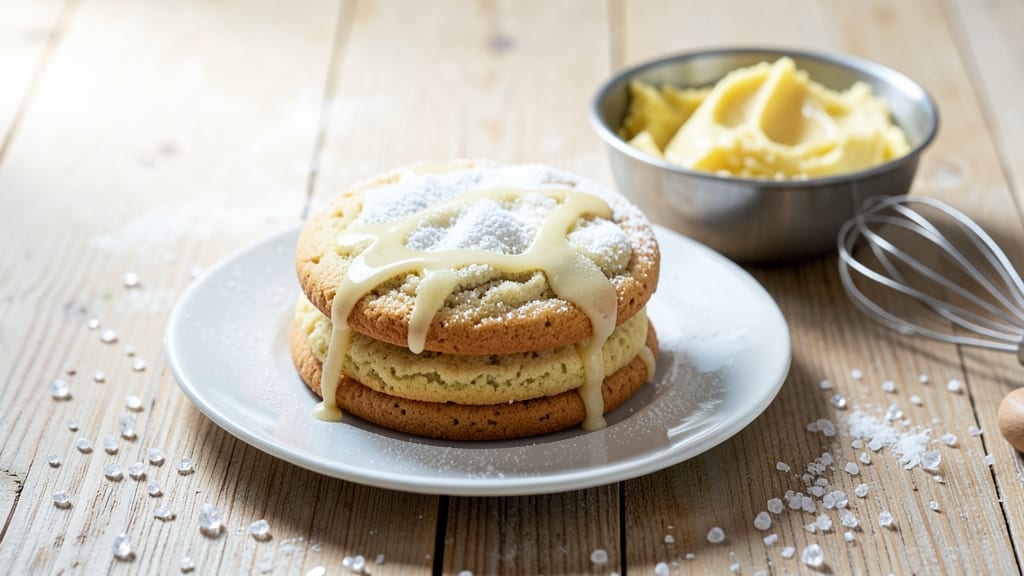
This sugar cookie recipe with 2 eggs delivers the perfect balance of pillowy softness and crisp edges—no buttery mess or dry crumbles here. The secret lies in precise mixing techniques and baking times that transform simple ingredients into cookies with restaurant-quality texture.
I developed this version after years of trial-and-error baking, ensuring every batch turns out consistently tender yet sturdy enough to hold decorations without crumbling.
The magic happens with a lightly creamed butter-sugar mixture that incorporates air, while the 2 eggs provide structure without making the dough too dense. We'll roll the dough to an even thickness—critical for uniform baking—and use a sharp cookie cutter for clean edges that crisp beautifully.
Baking at the right temperature ensures the centers stay soft while the edges develop that satisfying crunch.
What you'll end up with are cookies that are golden at the edges yet still warm and tender in the center, with just enough structure to hold frosting or sprinkles without falling apart.
The dough is forgiving enough for beginners but refined enough to impress even experienced bakers. This is the kind of cookie that disappears faster than you can decorate them.
Whether you're making them for a holiday gathering or a simple weekend treat, these cookies deliver professional results every time. The recipe scales easily for parties, and the dough can be chilled for up to 48 hours, making it perfect for meal prep.
Let's get started on creating your perfect batch.
Ingredients for sugar cookie recipe 2 eggs
Twelve simple ingredients transform into cookies with restaurant-quality texture—pillowy centers and crisp edges every time.
| Ingredient | Amount | Notes |
|---|---|---|
| Unsalted Butter 🧈 | 1 cup | Cold, cubed for precise creaming |
| Granulated Sugar 🍚 | 1 ½ cups | Superfine preferred for smoother texture |
| Large Eggs 🥚 | 2 whole | Room temperature for even mixing |
| All-Purpose Flour 🌾 | 3 ½ cups | Sifted for light, airy dough |
| Baking Powder 🍞 | 1 ½ tsp | Diamond Crystal preferred |
| Salt 🧂 | ½ tsp | Fine sea salt preferred |
| Pure Vanilla Extract 🌿 | 1 tbsp | High-quality, not imitation |
| Ground Cinnamon 🌶️ | ½ tsp | Freshly ground for best flavor |
| Powdered Sugar 🍚 | 1 cup | For dusting cookie sheets |
| Sprinkles 🎀 | ½ cup | Assorted colors for decoration |
The butter matters most here—European-style unsalted butter like Plugrá or Miyoko's gives the best flavor and texture, but any good-quality brand works. Look for butter with high milkfat content (at least 82%) for that perfect creamed consistency. The sugar should be superfine if you can find it—Wholesale Suite makes a great version—but regular granulated works in a pinch (just pulse it in a food processor). The eggs need to be room temperature for even mixing; pop them in a warm bowl for 10 minutes if they're straight from the fridge. For the flour, King Arthur or Gold Medal are my go-tos—they're consistently reliable for baking.
No superfine sugar? Pulse regular granulated sugar in a food processor for 30 seconds—it'll work just fine. Short on vanilla? Vanilla bean paste adds depth, or even a scraped vanilla bean works wonders. The cinnamon can be skipped if you prefer a more neutral flavor, but it adds that cozy holiday touch. For the powdered sugar, Domino is my preferred brand—it's fine and dissolves beautifully. The sprinkles are purely decorative, so use whatever colors you love, but Wilton makes the most vibrant, long-lasting ones. If you're baking for a crowd, consider doubling the recipe—just be sure to chill the dough between batches to maintain even thickness.
This dough is a dream to work with—it keeps for 48 hours in the fridge, wrapped tightly in plastic, and can even be frozen for 3 months for holiday baking. Let it sit at room temperature for 15 minutes before rolling to make it more pliable. The cookies will keep their perfect texture for 5 days in an airtight container, though they're best enjoyed fresh. For extra crisp edges, bake one sheet at a time and avoid overcrowding the pan. The secret to that golden crust? Powdered sugar on the cookie sheets—it creates steam that keeps the centers soft while the edges crisp beautifully.
Why You'll Love This Recipe
- No-Fuss Dough: I swear by this recipe when I’m too tired to cream butter and sugar for 10 minutes—just mix the softened butter with the sugar until it’s almost smooth, toss in the eggs, and fold in the dry stuff. The dough comes together in under five minutes, no food processor needed.
- Butter-Sugar Magic: That creamy butter-sugar combo? It’s the secret weapon. The dough stays tender without being cakey, and the cookies hold their shape while still melting in your mouth. (Yes, even when I underbake them—oops.)
- Holiday or Snack Attack: I make these for Christmas cookies, but they’re also my go-to for after-school treats or when I need a quick dessert. The two-egg version scales perfectly—double the dough for a batch that feeds a crowd, or halve it for a single pan of guilt-free indulgence.
- Pantry Staple Power: Between us, this recipe uses ingredients you already own. No weird substitutions, no last-minute grocery runs—just flour, sugar, and butter that’s probably hiding in your fridge. And the leftovers? They freeze like a dream, so I always bake extra.
Step-by-step instructions for pillowy soft sugar cookies
Here's the method that delivers bakery-quality texture with perfect edges every single time.
👨🍳 Step 1: Cream the Cold Butter and Sugar
In a stand mixer fitted with the paddle attachment, beat the 1 cup unsalted butter (cold and cubed) and 1.5 cups granulated sugar on medium speed for 3-4 minutes. You're looking for a light, fluffy texture—the mixture should nearly double in volume and become pale in color. This creaming process incorporates air, which creates those signature pillowy layers.
I press down on the butter cubes with a spatula during the first minute—this prevents them from melting too quickly and ensures even distribution. The butter should be soft enough to blend but still hold its shape when pressed. If it melts completely before the sugar is incorporated, chill the bowl for 5 minutes before continuing.
👨🍳 Step 2: Add Eggs and Dry Ingredients
Add the 2 whole large eggs (room temperature) one at a time, mixing on low speed for 30 seconds after each addition until fully incorporated. Then add the 1 tbsp pure vanilla extract and mix for another 10 seconds. The mixture might look slightly curdled, but that's normal—it will smooth out when you add the dry ingredients.
In a separate bowl, whisk together the 3.5 cups all-purpose flour, 1.5 tsp baking powder, 0.5 tsp salt, and 0.5 tsp ground cinnamon. Sift the dry ingredients directly into the wet mixture on low speed for 30-45 seconds until just combined. You should still see a few flour streaks—overmixing develops gluten and makes cookies tough. Stop mixing as soon as the dough comes together.
🍳 Step 3: Chill the Dough for Perfect Texture
Remove the bowl from the mixer and fold in the 0.5 cup sprinkles by hand using a silicone spatula. Make sure they're evenly distributed throughout the dough. Cover the bowl with plastic wrap and refrigerate for at least 1 hour (I prefer 2 hours or even overnight). Chilling solidifies the butter, which prevents the cookies from spreading too thin in the oven.
This step is non-negotiable for achieving that perfect balance of soft centers and crisp edges. The colder dough also holds its shape better when you roll it out, resulting in thicker cookies with crispy edges and gooey centers. If you're short on time, you can chill the dough in the freezer for 20 minutes—just make sure it's completely firm before rolling.
🔥 Step 4: Roll and Cut for Uniform Cookies
Preheat your oven to 350°F and line two baking sheets with parchment paper. On a lightly floured surface, roll out the chilled dough to ¼-inch thickness (use a rolling pin or pasta machine for even thickness). I like to dust the surface with 1 cup powdered sugar before rolling—it prevents sticking and adds a subtle sweetness to the dough.
Use a 2.5-inch round cutter to cut out cookies, placing them 2 inches apart on the prepared baking sheets. Gather and reroll the scraps, chilling for 10 minutes between uses if they become too soft. The powdered sugar on the surface will caramelize slightly during baking, creating those beautiful golden edges you're after.
⏰ Step 5: Bake to Golden Perfection
Bake for 10-12 minutes until the edges are golden brown but the centers still look slightly underdone. They'll continue cooking on the hot pan after you remove them from the oven. Let them cool on the baking sheet for 5 minutes before transferring to a wire rack. This resting period allows the cookies to set slightly and prevents them from becoming too soft.
For extra crisp edges, I like to sprinkle a little more powdered sugar on top right after they come out of the oven. Serve them warm for the ultimate experience—each bite should deliver that perfect balance of soft, pillowy centers and crisp, caramelized edges with bursts of sprinkle flavor. Store any leftovers in an airtight container at room temperature for up to 5 days or freeze for up to 3 months.
Pro Tips For Making Sugar Cookie Recipe 2 Eggs
- CHILL THE DOUGH: Take the dough out of the fridge for exactly 10 minutes before rolling—no more, no less. I used to skip this and the cookies would spread too much, turning into sad, flat pancakes instead of the chewy rounds I wanted. Ten minutes gives the butter just enough softness to roll smoothly without losing its structure.
- WEIGH YOUR FLOUR: Scoop and level your all-purpose flour like you’re measuring snow for a snowball fight—loosely scoop into the cup, then swipe off the top with a knife. I learned this the hard way after my cookies turned out dense and crumbly; too much flour makes them tough, and too little makes them spread like a pancake. A kitchen scale takes the guesswork out.
- CREAM THE BUTTER SLOW: Use a stand mixer with the paddle attachment and cream the butter and sugar on medium speed for 3 minutes—until the mixture looks like wet sand. I was always in a rush and did it in 30 seconds, but that just traps air unevenly, leading to cookies that bake unevenly or crack. Three minutes guarantees a light, airy texture every time.
- UNDERBAKE SLIGHTLY: Pull your cookies out when the edges are just starting to turn golden but the centers still look soft—about 2 minutes before the recipe says. They’ll firm up as they cool, and this prevents them from turning into hockey pucks. I know, I know, it’s tempting to wait for that perfect golden color, but trust me on this one.
Make-ahead tips for this dish
Dough Prep Timeline
Plan your baking day around this timeline for stress-free results. After mixing, chill the dough for at least 1 hour (up to 48 hours) in the fridge. I recommend overnight chilling for best texture—this is when the butter fully solidifies, preventing excessive spreading.
For holiday baking, divide the dough into 4 equal portions and freeze three of them. Thaw overnight in the fridge before rolling. 📅
Freezer-Friendly Baking
Freeze shaped cookies on parchment-lined trays for 1 hour before transferring to a sealed container. This prevents sticking during storage. Reheat frozen cookies for 3-4 minutes at 350°F to restore that fresh-baked texture.
I double-wrap them in plastic wrap plus a zip-top bag to block freezer burn. Store for up to 3 months—perfect for holiday prep!
Batch Baking Strategy
Work in 2 batches to avoid overcrowding your oven. Preheat while the first batch bakes, then swap pans halfway through for even cooking. Keep the second batch of dough chilled until ready to roll.
I use a timer set for 10 minutes between batches to maintain oven temperature consistency. This ensures all cookies bake uniformly. 🔥
Decorating Prep
Set up a decorating station with all your tools before baking. I use Wilton squeeze bottles for smooth frosting application and small round brushes for edible glitter. Keep cookies at room temperature for 10 minutes before decorating—they'll hold frosting better.
Store decorated cookies in a single layer in an airtight container to prevent smudging. 🎨
Gift-Wrapping Tips
For holiday gifts, bake cookies 2 days ahead and store in airtight containers with parchment between layers. Package in clear cellophane bags tied with ribbon for a bakery-style presentation.
Include a handwritten note about the recipe—it adds that personal touch. I've had friends keep these cookies for 2 weeks without losing freshness! 🎁
Equipment Shortcuts
No rolling pin? Use a smooth-bottomed glass or even a wine bottle to press dough to even thickness. Skip the cutter? Use a glass or metal cup of the same size.
For chilling, a cooling rack works in a pinch—just place the dough bowl directly on it. These tricks keep you baking even when you're missing specialty tools. 💡
Nutrition facts
Frequently asked questions
Why does this recipe use only 2 eggs instead of 3?
Using 2 eggs creates a lighter, more delicate texture while still providing enough structure for crisp edges. The recipe balances tenderness with stability—too many eggs can make cookies tough. This version also yields a softer center that stays pillowy longer after baking.
Can I substitute butter with margarine or shortening?
For best results, stick with unsalted butter—it adds flavor and creates that signature tender crumb. Margarine works in a pinch but may affect texture, and shortening will make cookies denser. If you must substitute, use an equal amount of cold butter-flavored shortening, but expect slightly less flavor.
How do I prevent my cookies from spreading too much?
Chill the dough for at least 2 hours (or overnight) before rolling—this solidifies the butter and prevents excessive spreading. Use a ¼-inch rolling pin guide for even thickness, and place cookies 2 inches apart on the baking sheet. Underbaking slightly (10-12 minutes) also helps maintain shape.
Can I make these cookies without a mixer?
Cream the butter and sugar by hand using a wooden spoon or fork—just work it for 5-7 minutes until light and fluffy. For the dry ingredients, use a whisk and fold them in gently with a spatula. The dough will be slightly less airy but still delicious—just expect a tiny bit more variation in texture.
Why do my cookies turn out dry or crumbly?
Overmixing the dough develops gluten, making cookies tough. Mix just until combined (you should still see flour streaks). Also, avoid overbaking—pull cookies when edges are golden but centers look slightly underdone. For extra moisture, add 1 tablespoon milk or cream to the dough if needed.