
Desserts
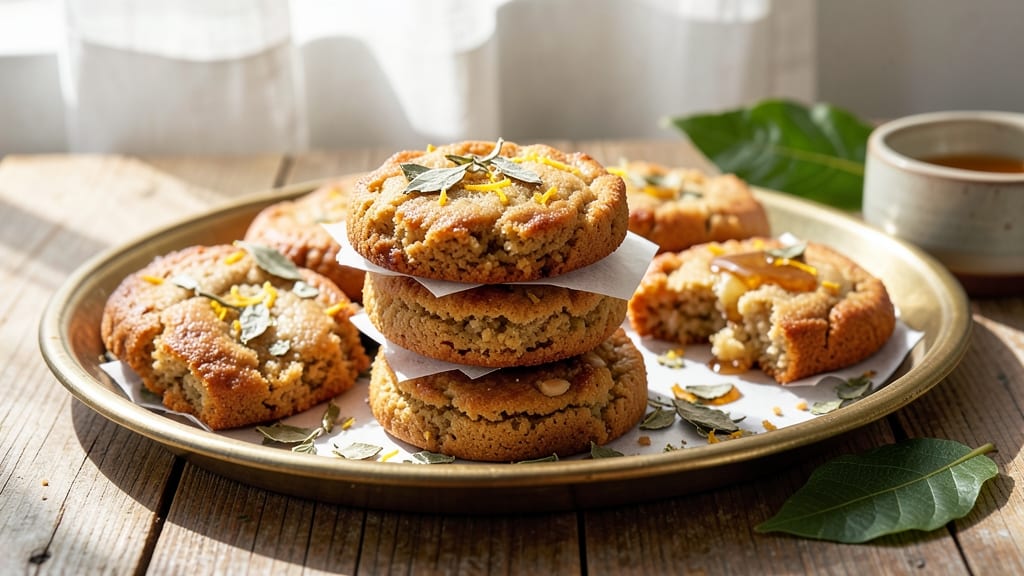
The subtle, earthy aroma of sweet laurel cookie recipe transforms ordinary baking into an aromatic experience—like a quiet forest walk in cookie form. These vanilla-kissed treats blend sweet bay's herbal depth with citrus brightness, creating a crunch that's both nostalgic and unexpectedly sophisticated.
I developed this recipe after discovering how sweet laurel's warm, slightly peppery notes elevate vanilla's sweetness, resulting in cookies that taste like a hug from a spice cabinet.
What makes these cookies special is their balanced texture—crisp edges give way to a tender, melt-in-your-mouth center, all while the sweet laurel infuses every bite with a fragrant complexity.
The dough incorporates dried sweet bay leaves (not to be confused with toxic laurel) that release their aromatic oils during baking, creating that signature herbal whisper. Unlike traditional vanilla cookies, these deliver a sophisticated depth that pairs beautifully with afternoon tea or coffee.
Baking these cookies is simpler than it sounds—just 15 minutes of prep followed by 12 minutes in a 350°F oven, where the magic happens. The secret lies in chilling the dough for 30 minutes to prevent spreading, while the citrus zest adds a bright contrast to the herbal warmth.
What you'll end up with is a batch of cookies that look elegant enough for a holiday table but taste like a cozy kitchen secret.
Serve them warm with a dusting of powdered sugar or a drizzle of lemon glaze for extra zing. These cookies keep well in an airtight container for up to a week, making them perfect for gifting or meal prep.
The combination of sweet laurel and citrus creates a flavor profile that's both familiar and exciting—proof that baking can be both comforting and unexpectedly adventurous.
Ingredients for sweet laurel cookie
Sweet bay leaves and citrus zest transform simple dough into aromatic cookies with herbal vanilla warmth.
| Ingredient | Amount | Notes |
|---|---|---|
| Sweet Bay Leaves (Dried) 🌿 | 1 tbsp | Finely crushed for aromatic oils |
| Unsalted Butter 🧈 | 1 cup | Cold, cubed for even dough texture |
| Granulated Sugar 🍚 | 1 cup | Superfine preferred for smooth texture |
| Light Brown Sugar 🍚 | ½ cup | Packed for moisture balance |
| Vanilla Extract 🍯 | 2 tsp | Pure Madagascar or Tahitian |
| Large Eggs 🥚 | 2 whole | Room temperature for even mixing |
| All-Purpose Flour 🌾 | 2 ½ cups | Sifted, plus extra for rolling |
| Baking Powder 🧂 | 1 tsp | Aluminum-free for consistency |
| Fine Sea Salt 🧂 | ½ tsp | Diamond Crystal preferred |
| Lemon Zest 🍋 | 1 tbsp | Freshly grated, no pith |
| Orange Zest 🍊 | 1 tbsp | Freshly grated, no pith |
| Powdered Sugar 🍚 | ½ cup | For dusting, sifted |
Sweet bay leaves are the heart of these cookies—Penzeys or bulk spice shops carry the best quality. Look for dried leaves that smell vibrant and earthy, not dusty. The zest needs to be freshly grated (the Microplane is your best friend here) to avoid bitterness. For butter, Plugrá or Land O'Lakes unsalted work perfectly, but don't use salted—trust me on that. If you can't find sweet bay leaves, substitute 1/2 tsp dried thyme plus 1/2 tsp dried rosemary, but the flavor won't be identical.
No vanilla extract? Seedless vanilla bean paste works in a pinch, but you'll need about 1.5 tsp. The citrus zest can be swapped for 1 tsp bottled lemon juice, though fresh is always better. For a gluten-free version, use a 1:1 gluten-free flour blend (like King Arthur Measure for Measure) and add 1/4 tsp xanthan gum. The baking powder is crucial—Aluminum-free ensures proper rise. And if your kitchen's humid? Chill the dough for an extra 15 minutes to prevent spreading.
Store these cookies in an airtight container with a layer of parchment between batches to maintain crispness. They keep for up to 5 days at room temperature, but honestly, they disappear faster than that. For gifting, package in clear cellophane bags tied with twine—they look stunning and stay fresh for 3 days. Freeze the dough balls instead of baked cookies for up to 3 months—just bake straight from frozen, adding 1-2 minutes to the time.
Why You'll Love This Recipe
- I’ll be real: these disappear fast. They’re great with coffee, but they’re also my go-to for teacher gifts or last-minute holiday treats. The bay leaf’s aroma makes them feel special, even though they’re simple enough for a Tuesday night.
- Fewer Ingredients, Bigger Flavor: Honestly, you only need five things—five—and one of them is just a dried leaf. That’s it. The sweet bay adds this subtle, earthy sweetness that makes these taste like a hug from your grandma’s kitchen, but without the fuss of a dozen spices.
- Chewy Without the Stress: Between us, these cookies are ridiculously forgiving. Brown sugar and butter create that perfect soft-chewy center, while the vanilla ties it all together. No precise baking time to stress over—just pull them out when the edges are golden, and you’ll nail it every time.
- Holiday or Snack Attack: I’ll be real: these disappear fast. They’re great with coffee, but they’re also my go-to for teacher gifts or last-minute holiday treats. The bay leaf’s aroma makes them feel special, even though they’re simple enough for a Tuesday night.
Step-by-step instructions for sweet laurel cookies
These cookies deliver a sophisticated herbal crunch with bright citrus notes—no shortcuts, just pure technique.
Infuse the Butter with Sweet Bay and Citrus
In a small saucepan, melt the 1 cup unsalted butter over low heat. Add the 1 tbsp finely crushed sweet bay leaves and the 1 tbsp lemon zest plus 1 tbsp orange zest. Simmer gently for 5 minutes—you'll see the butter develop a subtle golden hue and an earthy, citrusy aroma. This infusion is where the magic happens, so don't rush it.
Remove from heat and let the mixture cool slightly. Once cool enough to handle, strain out the bay leaves using a fine-mesh sieve, pressing gently to extract every last drop of flavor. Discard the leaves and let the infused butter cool completely before using. The citrus oils need time to meld with the butter, so patience here ensures a bright, balanced flavor in the final cookies.
Cream Butter and Sugars to Peak Fluffiness
In a stand mixer fitted with the paddle attachment, beat the cooled infused butter with the 1 cup granulated sugar and 0.5 cup packed light brown sugar on medium speed for 3-4 minutes. You're aiming for a pale, fluffy texture that nearly doubles in volume—this incorporates air that will create those signature crackly tops. Scrape down the sides of the bowl every 30 seconds to ensure even mixing.
Here's the thing—don't skip the scraping. The butter tends to gather at the bottom, and if you let it, you'll end up with dense, cakey cookies instead of the light, airy texture we want. The butter should be smooth and ribbon-like when you lift the paddle, leaving a trail that holds its shape for a few seconds.
Add Eggs and Vanilla for Structure
Add the 2 room-temperature large eggs, one at a time, mixing on low speed for 30 seconds after each addition. Then stir in the 2 tsp vanilla extract. The eggs should blend smoothly into the butter mixture, creating a thick, custard-like consistency. If the mixture looks slightly curdled, don't worry—it'll come together once we add the dry ingredients.
This is where the vanilla extract plays its role. Pure Madagascar or Tahitian vanilla adds depth that imitation simply can't match. The extract should be fully incorporated, so give the bowl one final scrape to ensure everything is evenly distributed before moving to the next step.
Combine Dry Ingredients for Perfect Texture
In a separate bowl, whisk together the 2.5 cups sifted all-purpose flour, 1 tsp baking powder, and 0.5 tsp fine sea salt. Sifting is crucial here—it aerates the flour and prevents dense cookies. Gradually add this dry mixture to the wet ingredients, mixing on low speed just until combined. You should still see a few flour streaks, and that's exactly what you want.
Overmixing develops gluten, which leads to tough cookies. The moment the flour disappears completely, stop mixing. The dough will be slightly shaggy, but that's normal. Press a small amount between your fingers—it should hold together but still feel slightly crumbly. If it's too sticky, chill it for 10-15 minutes before proceeding.
Shape and Bake for Herbal Crunch
Preheat your oven to 350°F and line two baking sheets with parchment paper. Scoop the dough into 1.5-tablespoon portions (using a cookie scoop for uniformity) and roll them into balls. Place them 2 inches apart on the prepared sheets—they'll spread slightly as they bake. For extra flavor, gently press a tiny pinch of sweet bay leaf into the top of each ball before baking.
Bake for 10-12 minutes until the edges are golden brown but the centers still look slightly underdone. They'll continue cooking on the hot sheet. Let them cool on the baking sheet for 5 minutes before transferring to a wire rack. While still warm, dust generously with the 0.5 cup powdered sugar for that signature finish.
Pro Tips For Making Sweet Laurel Cookie
- TOAST THE BAY LEAVES: I learned this the hard way—crushing dried bay leaves straight from the jar makes the cookies taste bitter and medicinal. Instead, lightly toast them in a dry pan over medium heat for 30 seconds until fragrant, then let cool before grinding. The aroma becomes warm and floral, not harsh.
- CHILL THE DOUGH LONGER: Skip the 30-minute rest if you’re in a hurry, but I guarantee the cookies will spread unevenly and lose their crisp edges. Wrap the dough in plastic and refrigerate for at least 2 hours—or overnight if you can. The butter firms up just right, and the flavor deepens like a good wine.
- WEIGH THE SUGARS: Brown sugar packs differently than granulated, and eyeballing it leads to cookies that are either cloyingly sweet or bland. Use a kitchen scale for precision: measure the brown sugar first (it’s denser), then fill the same cup with granulated. The ratio matters more than you’d think for that perfect chewy-center texture.
- UNDERBAKE SLIGHTLY: Sweet laurel cookies look done when the edges are just starting to turn golden, but pull them out when the center still feels soft—about 1-2 minutes before the recipe’s suggested time. They’ll firm up as they cool, and you’ll avoid the rubbery, overcooked centers that ruin the experience. (Yes, even if you’re impatient like me.)
Regional styles of this recipe
Southern U.S. Citrus Twist
In the Southern states, sweet laurel cookies often incorporate orange blossom water (½ tsp) alongside the citrus zest, adding a floral depth that complements the bay leaves beautifully. I’ve found that Florida-grown Valencia oranges work best for zesting—just be sure to remove all pith to avoid bitterness.
Some Southern bakers also add a pinch of ground cardamom (¼ tsp) for warmth, creating a spice profile reminiscent of classic Southern desserts like pecan pie. 🍊
Italian Herb-Infused Version
Italian bakers often elevate sweet laurel cookies by swapping the vanilla for almond extract (1 tsp) and adding finely chopped fresh rosemary (1 tbsp) to the dough. The almond note pairs perfectly with the bay leaves, creating a sophisticated flavor reminiscent of Italian biscotti.
For an authentic touch, use fine semolina flour (replace ¼ cup of the all-purpose flour) to achieve a slightly grainy texture. These cookies are perfect with espresso or vin santo for dipping. 🌿
Nordic Spiced Adaptation
In Scandinavian countries, sweet laurel cookies often include ground cinnamon (½ tsp) and freshly grated nutmeg (¼ tsp) to enhance the herbal warmth. The Nordic version also incorporates dried lingonberries (¼ cup, finely chopped) into the dough for a tart contrast.
For a traditional touch, sprinkle the baked cookies with crushed hazelnuts (2 tbsp) before dusting with powdered sugar. This adaptation pairs wonderfully with chai tea or glögg during the holidays. ❄️
French Bay Leaf Specialty
In France, these cookies are often called Biscuits à la Baie and feature finely ground almonds (¼ cup) mixed into the dough for added texture. The French version also includes a splash of kirsch (1 tsp) for depth, replacing the vanilla extract.
For an elegant finish, brush the tops of the baked cookies with a light egg wash before dusting with powdered sugar. These cookies are a staple in French patisseries and pair beautifully with black coffee or a glass of Sauternes. 🍷
Modern Gluten-Free Adaptation
For a gluten-free twist, use a 1:1 gluten-free flour blend (like Bob’s Red Mill 1-to-1) and add 1 tsp xanthan gum to the dry ingredients. Replace the sweet bay leaves with 1 tsp dried oregano for a similar herbal note, and use almond flour (½ cup) to enhance moisture retention.
These cookies hold their shape better when baked at 325°F for 14-16 minutes to prevent over-browning. They’re perfect for those with dietary restrictions but still deliver that comforting, aromatic crunch. 💫
Nutrition facts
Frequently asked questions
Can I substitute regular bay leaves for sweet bay leaves?
No, you should never use regular (California) bay leaves—they contain toxic compounds. Sweet bay leaves (Laurus nobilis) are the safe, aromatic variety used in cooking. Look for dried sweet bay leaves at specialty spice shops or online. If absolutely necessary, you could use 1/2 tsp dried thyme plus 1/2 tsp dried rosemary, but the flavor won't be identical.
Why do my cookies spread too much?
Overmixing the dough or skipping the 30-minute chill causes excessive spreading. The dough should be slightly shaggy when combined. If your kitchen is humid, chill the dough for an extra 15 minutes before baking. Also ensure your butter is cold when creaming with sugars.
How do I get the best flavor from the sweet bay leaves?
Crush the dried leaves gently before adding to the butter infusion to release their aromatic oils. Simmer the butter with leaves for 5 minutes on low heat, then strain carefully. For extra depth, press a tiny pinch of leaf into the top of each dough ball before baking.
Can I make these cookies without a mixer?
Use a sturdy wooden spoon or rubber spatula to cream the butter and sugars by hand for 5-7 minutes, scraping the bowl often. The mixture should be light and fluffy. For the eggs, beat them separately first, then gradually incorporate into the butter mixture while mixing vigorously.
What's the best way to store these cookies?
Keep them in an airtight container with parchment paper between layers to maintain crispness. They'll stay fresh for up to 5 days at room temperature. For gifting, package in clear cellophane bags tied with twine—they look beautiful and stay fresh for 3 days. Freeze dough balls (not baked cookies) for up to 3 months.