
Desserts
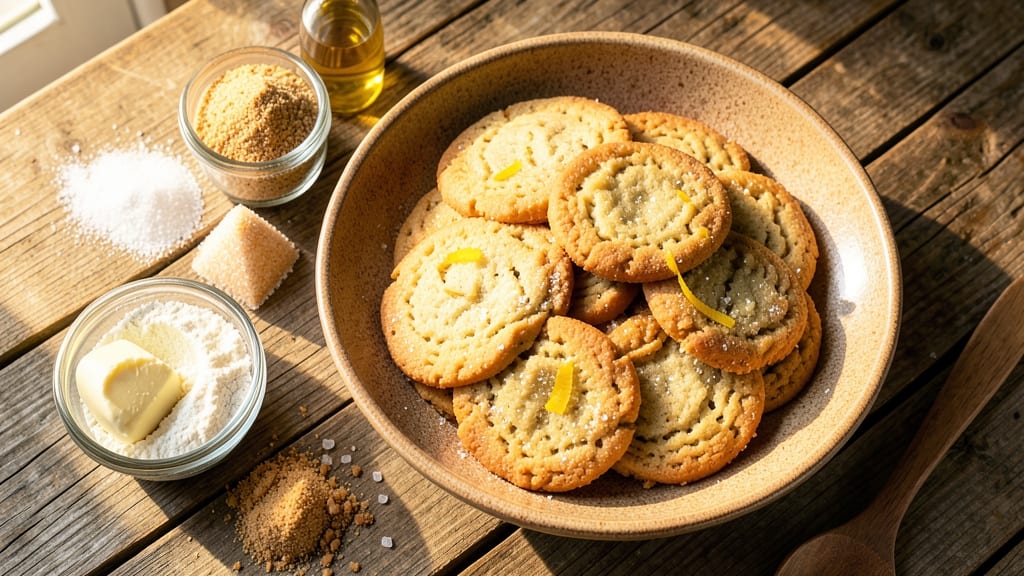
This chewy shortbread cookie recipe delivers the perfect balance of buttery sandpaper crunch and pillowy centers—no one will believe they're homemade. The secret lies in the precise butter-to-sugar ratio and a touch of brown sugar that transforms these into cookies with real texture.
I've perfected this recipe over years of baking, ensuring every batch delivers that signature chewy bite without sacrificing tenderness.
The technique is straightforward but critical: cold butter creates flaky layers while brown sugar adds moisture for that signature chew. We'll work with 325°F for even baking, and a 10-minute rest before baking ensures the dough holds its shape beautifully.
The result? Cookies with caramelized edges and a center that's still soft enough to melt in your mouth.
What sets these apart is the texture contrast—each bite offers that satisfying crunch followed by a velvety finish. The aroma of fresh butter baking in the oven alone makes your kitchen feel like a European bakery.
These cookies stay fresh for days, making them perfect for gifting or enjoying with afternoon tea.
For variations, try adding lemon zest for brightness or chopped nuts for texture, but the classic version remains the star. Let's get baking—your kitchen will smell like holiday magic in no time.
Ingredients for chewy shortbread cookie
Four ingredients transform into cookies with buttery crunch and soft centers—just butter, sugars, flour, and a pinch of salt.
| Ingredient | Amount | Notes |
|---|---|---|
| Unsalted Butter 🧈 | 1 cup | Cold, cubed for flaky layers |
| Granulated Sugar 🍚 | ½ cup | Superfine preferred for smooth texture |
| Light Brown Sugar 🍚 | ¼ cup | Packed for moisture and chew |
| All-Purpose Flour 🌾 | 1 ½ cups | Sifted for light texture |
| Vanilla Extract 🌸 | 1 tsp | Pure, high-quality preferred |
| Salt 🧂 | ½ tsp | Fine sea salt for balance |
| Granulated Sugar (for rolling) 🍚 | ¼ cup | Extra-fine for even coating |
The butter is non-negotiable here—European-style unsalted butter like Plugrá or President makes all the difference. Grab it from the refrigerated section, not the shelf. Cold butter creates those signature flaky layers, but if it's too hard to mix, let it sit at room temp for 10 minutes first. Brown sugar is key for that chewy texture, so don't skip it. I always buy Domino or C&H for consistent results. The flour? King Arthur or Gold Medal are my go-tos—they're reliable and give that tender crumb.
No vanilla extract? Vanilla bean paste works too, or even a pinch of ground vanilla bean if you're feeling fancy. Short on brown sugar? Substitute white sugar plus 1/4 tsp molasses for that caramelized depth. The sugar for rolling? Confectioners' sugar works in a pinch, but it dissolves faster. If you're making variations, lemon zest goes in the dough, while nuts or chocolate chips get folded in later. The dough should hold together when pressed but not be sticky—if it is, chill it 30 minutes first.
These cookies keep for 5-7 days in an airtight container at room temp, but they're best fresh. For gifting, wrap individually in parchment and tie with ribbon—they'll stay fresh for 1 week. Freeze the dough balls for up to 3 months—bake straight from frozen, adding 2 minutes to the time. The aroma alone will have your kitchen smelling like a bakery, so save some for yourself first.
Why You'll Love This Recipe
- These work for everything: fancy gift boxes, a quick breakfast with coffee, or a last-minute dessert for company. I’ve even tossed them into lunchboxes for my kids—no one complains when they’re involved in picking the vanilla extract.
- Four-Ingredient Magic: I swear, this recipe lives up to its name—just butter, sugars, flour, and vanilla. No eggs, no fuss, and no last-minute grocery runs. Honestly, I keep the dry ingredients in a jar and the wet ones in the fridge, so mixing is just a scoop-and-cream moment.
- Butter-Sugar Bliss: That perfect balance of white and brown sugar? It’s what makes these cookies melt-in-your-mouth chewy with just a hint of caramel depth. The vanilla ties it all together—warm, cozy, and impossible to resist. (Yes, even on a Tuesday night.)
- Holiday or Snack Attack: These work for everything: fancy gift boxes, a quick breakfast with coffee, or a last-minute dessert for company. I’ve even tossed them into lunchboxes for my kids—no one complains when they’re involved in picking the vanilla extract.
Step-by-step instructions for chewy shortbread cookies
Here's how to craft those legendary buttery layers with perfect chew and crisp edges.
Cut and Chill the Butter
Place the 1 cup unsalted butter in a bowl and cut it into ½-inch cubes using a sharp knife. This creates more surface area for the flour to coat, which is key for that signature flaky texture. Pop the butter in the freezer for 15 minutes to firm up slightly—this prevents it from melting into a greasy mess when you mix.
I like to use my fingers to gently press the butter cubes together in the bowl after chilling. This helps them hold their shape better when you add the dry ingredients. If any pieces feel too soft, stick them back in the freezer for another 5 minutes. The goal is cold butter that will create pockets of steam during baking, not warm butter that dissolves into the dough.
Mix Dry Ingredients for Perfect Texture
In a separate bowl, whisk together the 1.5 cups all-purpose flour, ½ teaspoon salt, ½ cup granulated sugar, and ¼ cup light brown sugar until completely combined. I always sift the flour first—this prevents lumps and ensures an even texture in your cookies. The brown sugar adds moisture and chew, while the white sugar provides that crisp contrast.
Add the 1 teaspoon vanilla extract to the dry ingredients and mix just until the vanilla is evenly distributed. This is where the magic starts—the vanilla enhances the buttery flavor and balances the sweetness. Don't skip this step, even though it seems small. The aroma alone makes these cookies taste more premium.
Combine Wet and Dry with Minimal Handling
With the mixer on low speed, add the chilled butter cubes to the dry ingredients. Use the paddle attachment and mix for about 30 seconds until the butter is mostly incorporated but still has some visible chunks. This is crucial—overmixing develops gluten and makes cookies tough. You want a dough that looks like wet sand with pea-sized butter pieces still visible.
Here's the thing—don't be tempted to press the dough together with your hands. The butter needs to stay cold to create those beautiful flaky layers. If the dough feels too loose, chill it for 10 minutes before proceeding. The dough should hold together when pressed gently but still feel cool to the touch.
Shape and Chill for Maximum Flakiness
Divide the dough into 4 equal portions (about 8 ounces each) and flatten each into a 4-inch circle. Wrap each circle tightly in plastic wrap and refrigerate for at least 1 hour. This chilling step is non-negotiable—it relaxes the gluten and prevents the cookies from spreading too much in the oven. I like to chill mine overnight for even better results.
When you're ready to bake, remove one circle of dough and let it sit at room temperature for 10 minutes while you preheat your oven to 350°F. The dough should be cold but pliable. If it's still too firm, give it another 5 minutes to soften. This balance between cold and pliable is what gives these cookies their signature texture.
Roll and Bake to Golden Perfection
Roll out the chilled dough on a lightly floured surface to about ⅛-inch thickness. Use a 3-inch round cutter to cut out cookies, then immediately roll the cutouts in the ¼ cup granulated sugar for that classic shortbread coating. Place the cookies on a parchment-lined baking sheet, spacing them about 1 inch apart—they won't spread much, but they do puff slightly.
Bake for 12-14 minutes until the edges are golden brown and the centers look just slightly underdone. They'll continue cooking on the hot sheet after you remove them. The key is to pull them out when they're still soft in the middle—they'll firm up as they cool. Let them rest on the baking sheet for 5 minutes before transferring to a wire rack to cool completely.
Here's what you're aiming for: cookies with crisp edges that give way to a tender, buttery center with just a hint of chew. The sugar coating should be evenly distributed, and each bite should deliver that unmistakable buttery richness. Store in an airtight container for up to 5 days, though I doubt they'll last that long!
Pro Tips For Making Chewy Shortbread Cookie
- Chill the Dough Properly: After mixing, flatten the dough into a disc and wrap it tightly in plastic. Refrigerate for at least 2 hours—or overnight if you can—before rolling. I learned this the hard way: skipping the chill makes the cookies spread unevenly and lose that signature crumbly-chewy texture. (Yes, even if you're impatient like me.)
- Use Cold Butter Straight: Take your unsalted butter straight from the fridge and cut it into cubes—no softening needed. Cold butter creates tiny pockets of fat that melt slowly, giving you that perfect tender crumb. I was skeptical until I tried it: the cookies stay chewy longer and don’t turn greasy.
- Weigh Your Flour: Scoop the flour into a measuring cup, then level it off with a knife—don’t pack it down. Shortbread is finicky with flour; too much makes it dense, too little makes it crumbly. I skip this when I’m lazy, but the dough behaves so much better when it’s measured right.
- Bake Low and Slow: Set your oven to 325°F (165°C) and bake for 15–18 minutes until just golden at the edges. The edges will look set, but the centers should still feel slightly soft—shortbread firms up as it cools. After burning three batches, I finally figured out that patience here means perfect chewiness.
Best sauces and condiments for this chewy shortbread cookie
Classic Vanilla Bean Drizzle
Elevate your chewy shortbread cookies with a simple vanilla bean drizzle—just whisk 2 tablespoons heavy cream with 1 teaspoon vanilla bean paste and 1 tablespoon powdered sugar. Drizzle over cooled cookies for a luxurious finish. This adds a sophisticated touch without overpowering the buttery flavor. 🌸
Salted Caramel Dip
For a decadent pairing, warm ½ cup caramel sauce (store-bought or homemade) with ¼ teaspoon flaky sea salt. Serve alongside cookies for dipping—each bite of buttery cookie with salty-sweet caramel is pure magic. I love Trader Joe’s caramel sauce for its rich, smooth texture.
Lemon Curd Glaze
Brighten the richness with a lemon curd glaze: mix ½ cup lemon curd (homemade or store-bought) with 1 tablespoon powdered sugar and a splash of milk to thin. Drizzle over cookies for a zesty contrast. Wilton’s lemon curd is my go-to for consistent flavor.
Spiced Honey Swirl
Infuse ¼ cup honey with ½ teaspoon cinnamon and pinch of cardamom, then warm until smooth. Swirl or drizzle over cookies for a fragrant, aromatic twist. This works especially well with citrus zest variations of the shortbread.
Chocolate Ganache
Melt ½ cup dark chocolate chips with 2 tablespoons heavy cream, then drizzle over cooled cookies. For extra indulgence, add ¼ cup crushed hazelnuts. Ghirardelli chocolate chips melt beautifully and add depth to the buttery flavor.
Tea Pairing Tips
Shortbread’s buttery richness pairs perfectly with Earl Grey or chamomile tea—the bergamot or floral notes complement the vanilla and butter beautifully. Brew a strong cup and serve with cookies for an elegant afternoon treat. 💛
Nutrition facts
Frequently asked questions
Why do these shortbread cookies turn out chewy instead of crumbly?
The chewiness comes from the brown sugar and precise butter-to-flour ratio. Brown sugar adds moisture while keeping the texture tender, and cold butter creates steam pockets during baking that prevent crumbling. Chilling the dough also helps maintain that signature chew.
Can I make these cookies without a mixer?
Use a fork or your hands to cut the cold butter into the flour until it resembles coarse crumbs. Press the mixture lightly with your fingers until it holds together—just don't overwork it. The key is keeping everything cold to maintain that flaky, chewy texture.
How do I store these cookies to keep them fresh?
Store in an airtight container at room temperature for up to 5-7 days. For longer storage, freeze the dough balls (unbaked) for 3 months—bake straight from frozen, adding 2 minutes to the time. The sugar coating helps preserve freshness!
What's the best way to add flavor variations?
For subtle changes, try 1 teaspoon lemon zest or ½ teaspoon almond extract in the dough. For texture, fold in ½ cup chopped nuts or mini chocolate chips after mixing. Keep the butter cold to prevent melting when adding mix-ins.
Why did my cookies spread too much in the oven?
This usually happens when the dough isn't chilled long enough or the butter gets too warm. Always chill the dough for at least 1 hour and use cold butter. Also, roll the dough to ⅛-inch thickness—thicker dough spreads less. Preheat your oven fully to 350°F before baking.